Definition of Rogaine: What It Is, How It Works, and What to Expect
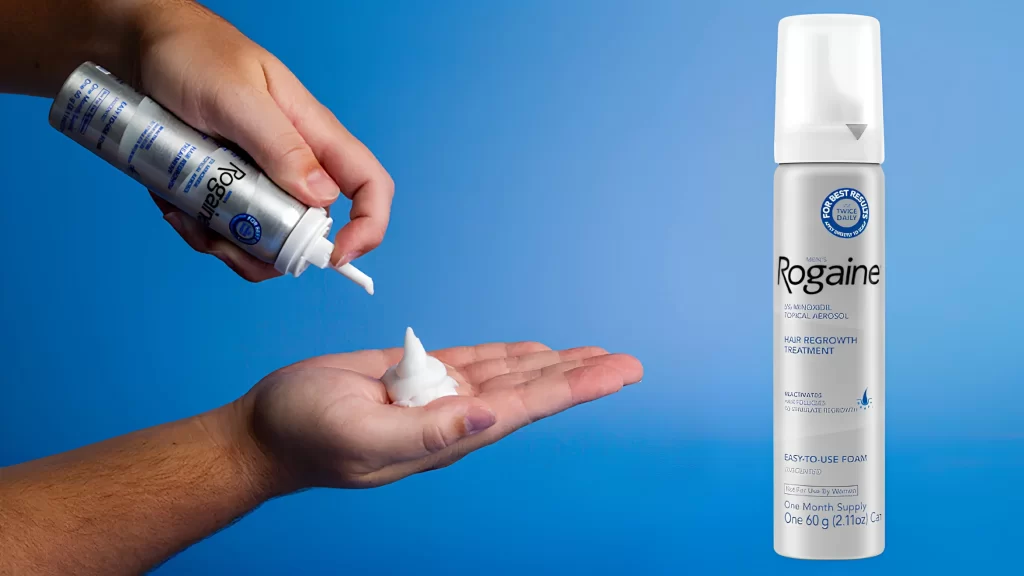
Rogaine is a well-known hair loss treatment that contains the active ingredient minoxidil. It is commonly used to help slow hair thinning and support hair regrowth in people experiencing certain types of hair loss.
Female Pattern Baldness: Understanding DHT Hair Loss Female Patterns and Treatment Options
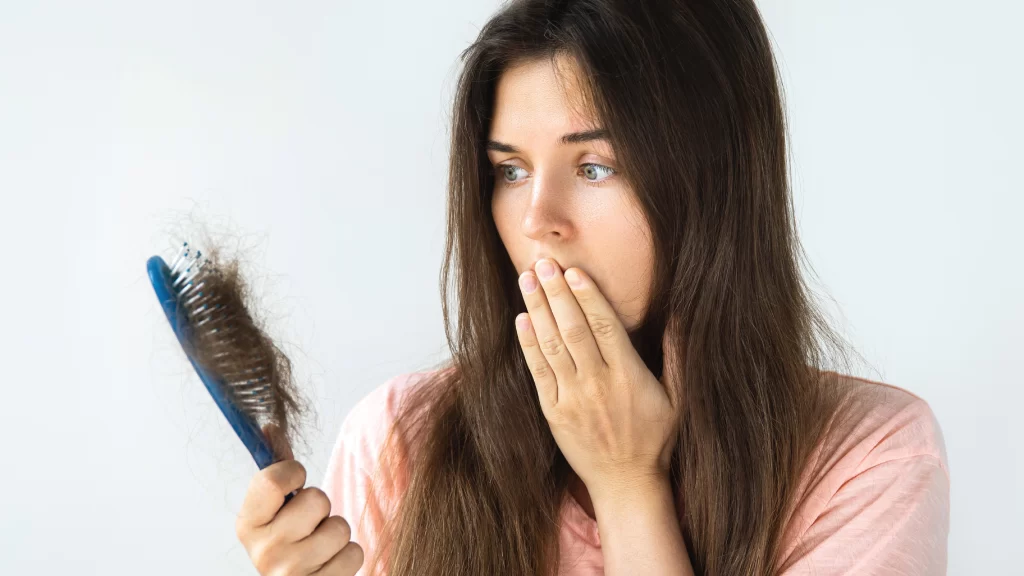
Female pattern baldness is one of the most common causes of gradual hair thinning in women. While many people associate hair loss with men, millions of women experience progressive thinning that affects density, volume, and overall hair appearance. In most cases, the process is linked to genetics and hormonal sensitivity, particularly to a hormone called dihydrotestosterone (DHT).
Does Minoxidil Make Hair Grow Faster? What It Does and What to Expect
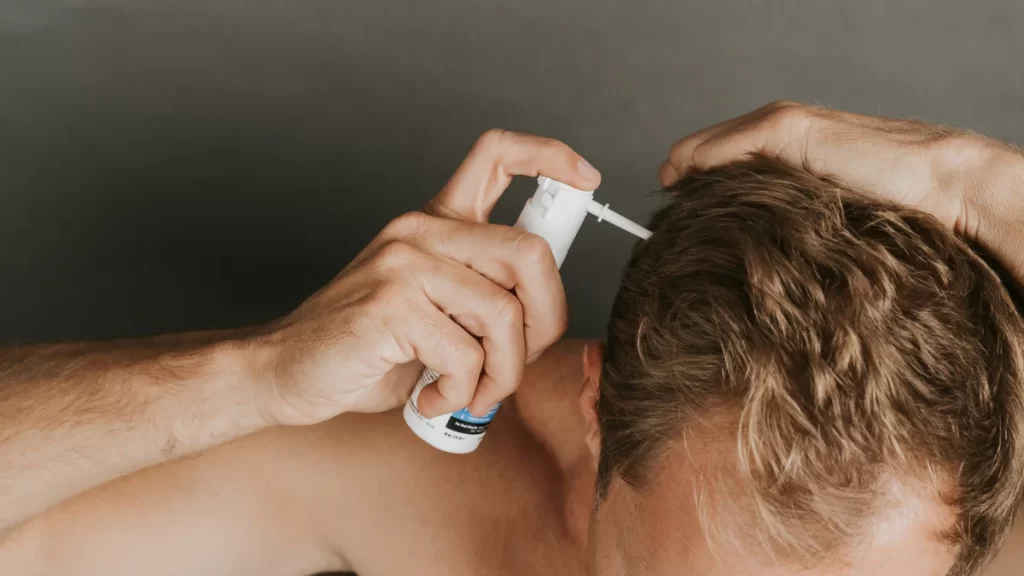
Minoxidil may help some people grow hair more effectively, but it does not simply make all hair grow faster. At Unshaven Hair Clinic, Dr. Ross Kopelman, an expert in hair restoration and shaveless FUE, helps patients understand when minoxidil may support thinning hair and when other options may be needed. This guide explains realistic benefits, limits, and expectations.
Does Hair Grow Back After Falling Out From The Root?: A Guide
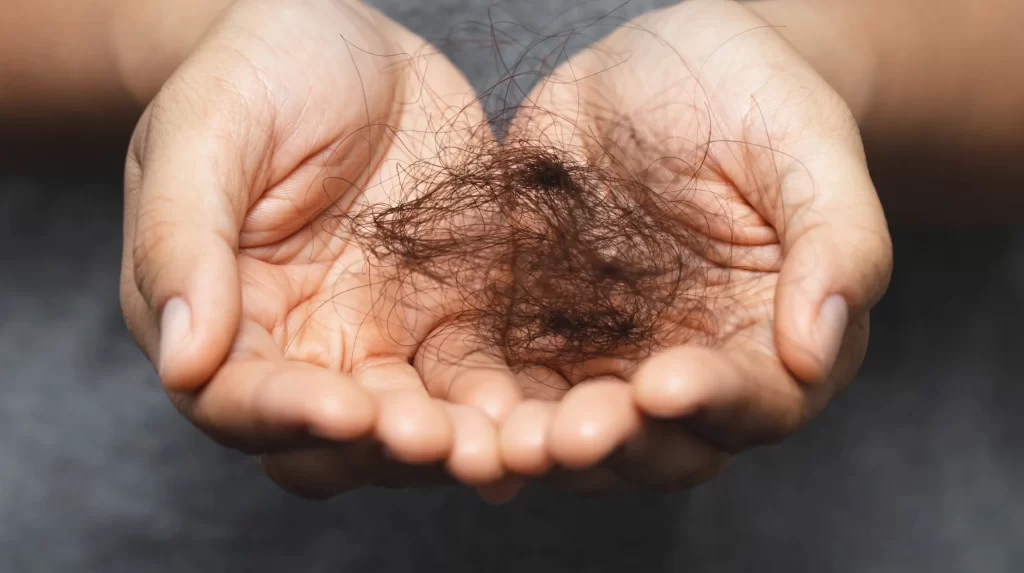
Hair can often grow back after falling out from the root, but whether it returns depends on what actually happened beneath the scalp. In most cases, the visible white bulb attached to a shed hair is not the entire follicle. The follicle usually remains inside the skin and can produce a new strand during the next growth cycle.
Does Biotin Help With Hair Loss? What You Should Know

Biotin, also known as vitamin B7, plays a role in energy metabolism and helps the body process proteins, fats, and carbohydrates. Because hair is made primarily of keratin, biotin is often marketed as a solution for thinning hair and hair shedding.
Does Finasteride Regrow Hair? What to Realistically Expect
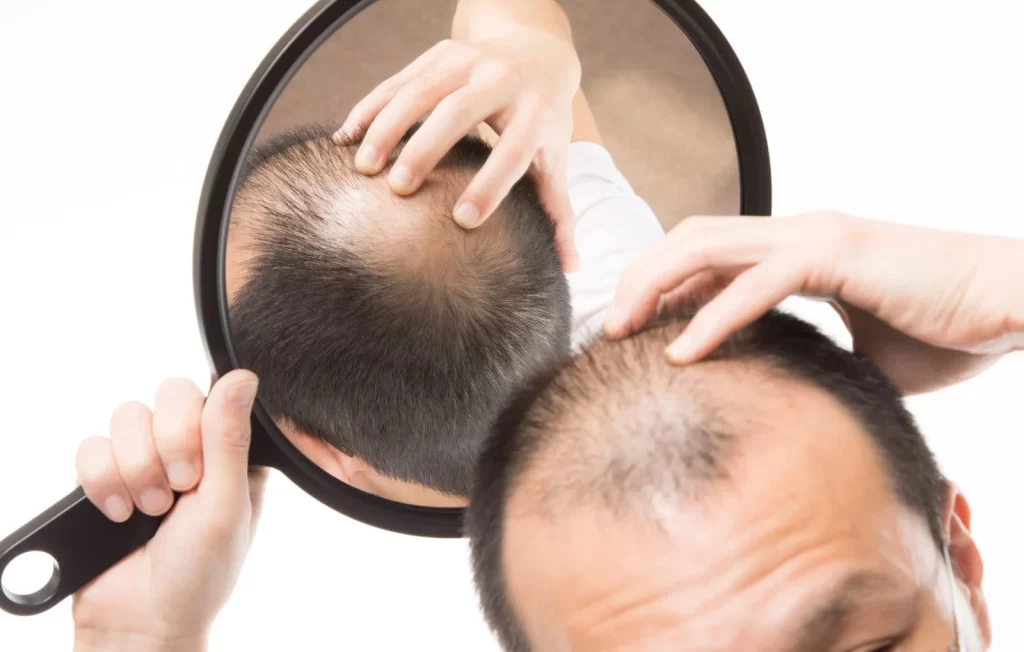
At Unshaven Hair Clinic, led by Dr. Ross Kopelman, a common question is simple but important; does finasteride regrow hair or just slow hair loss? The short answer is that it can support regrowth in some cases, but its main role is to help stabilize ongoing hair loss. Understanding how it works and what results actually look like can help set realistic expectations.
Clinically Proven Hair Growth: Do Hair Growth Products Really Work?
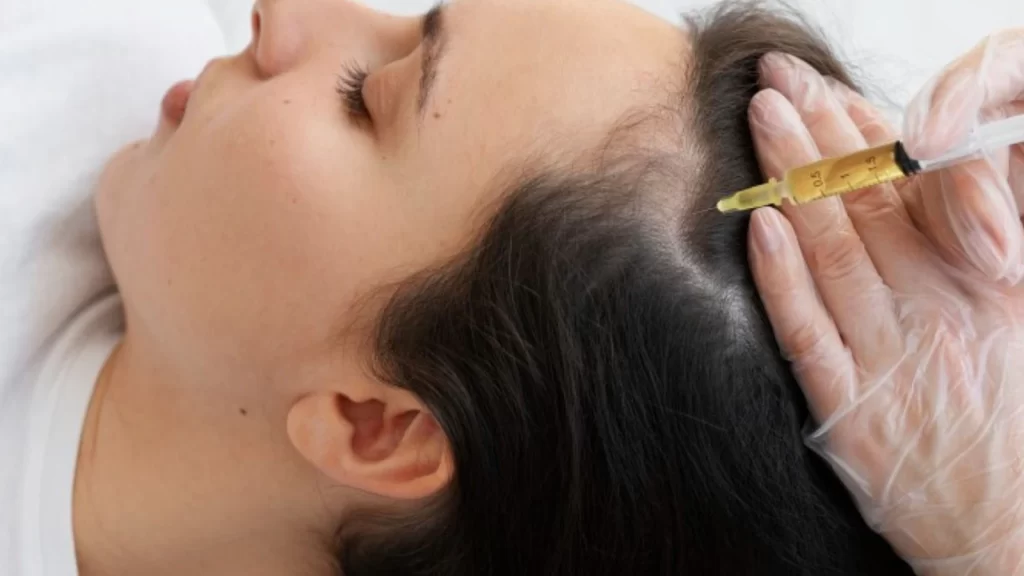
Yes, a small number of hair growth treatments are clinically proven to slow loss and support regrowth — but most hair growth products change appearance rather than follicle biology, so results depend on the underlying cause of your hair loss.
At Unshaven Hair Clinic, Dr. Ross Kopelman, an expert in hair restoration and shaveless FUE, relies on evidence-backed treatments and a personalized plan built around each patient’s specific type of hair loss.
Do Older Women Lose Hair Volume? Causes and Solutions Explained
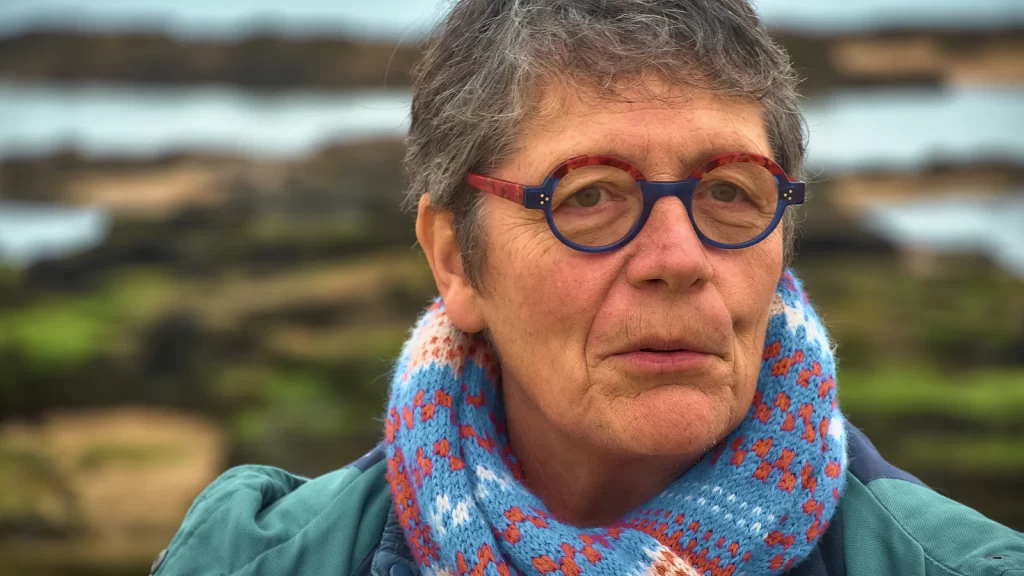
Yes, most older women do lose some hair volume. Typically as gradual, diffuse thinning rather than bald spots, and most often starting around menopause when hormonal shifts and follicle shrinkage reduce density.