Key Takeaways
- The definition of Rogaine refers to a topical treatment that contains minoxidil and is used to support hair growth in pattern hair loss.
- Minoxidil for hair loss works by extending the growth phase of the hair cycle and supporting weakened hair follicles over time.
- Rogaine for men is most effective in early to moderate thinning, especially at the crown, and may be less effective in advanced hair loss.
- Results take several months to appear and require consistent use, and stopping treatment usually leads to a return of hair loss.
- While generally well tolerated, Rogaine can cause mild scalp irritation and should be used with realistic expectations and proper evaluation.
What Is Rogaine? (Definition, Meaning, and Minoxidil)
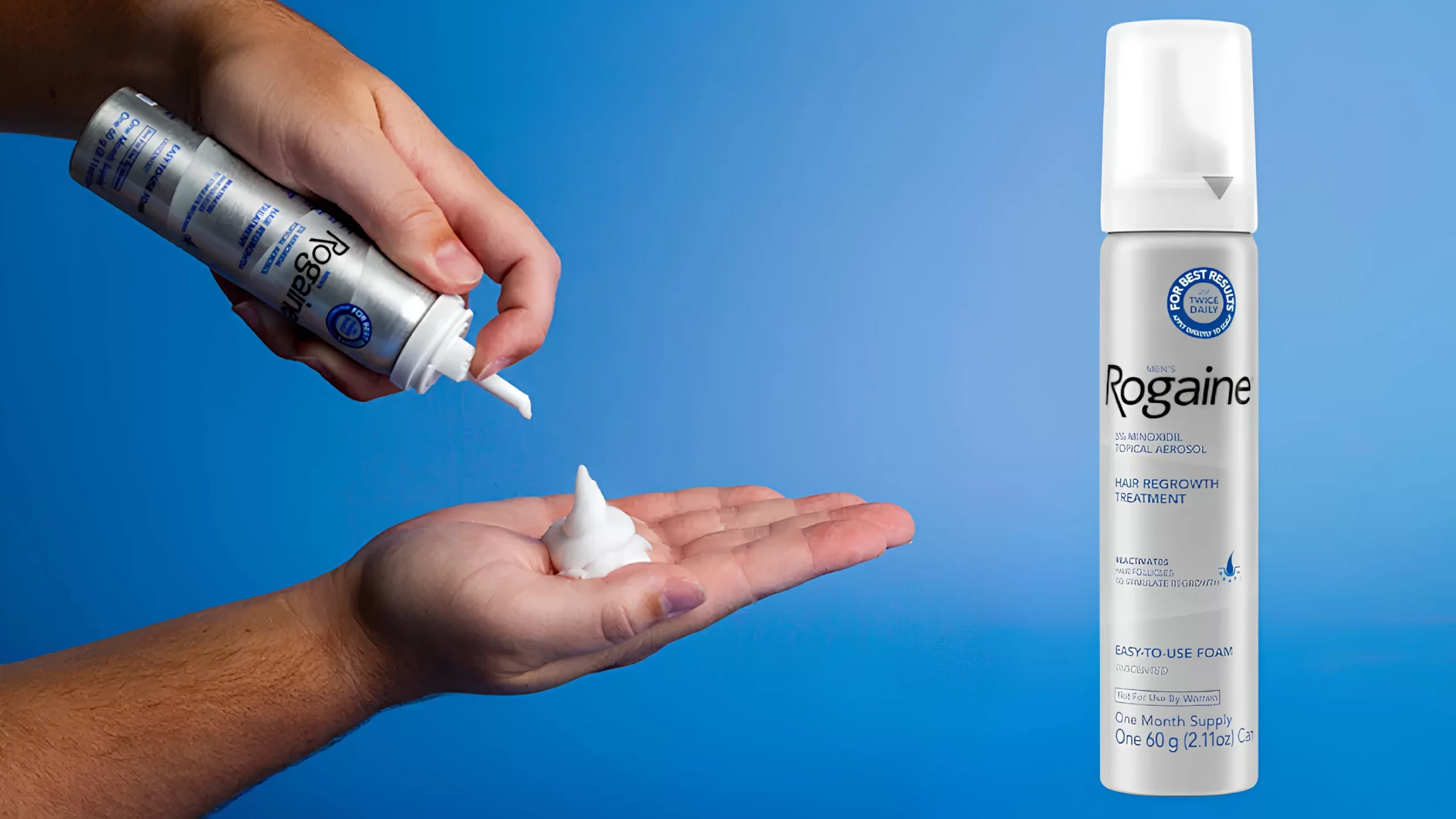
The definition of Rogaine refers to a topical treatment used to support hair growth in pattern hair loss. Rogaine is a brand name for minoxidil for hair loss, which is applied directly to the scalp. It is most often used for androgenetic alopecia, a gradual thinning pattern that affects the crown or top of the scalp.
A simple rogaine def is a scalp-applied solution that supports hair follicles and the hair growth cycle. It may help slow thinning and improve density over time. Results vary based on genetics, age, and stage of hair loss.
What Is in Rogaine? (Minoxidil and Ingredients)
The main ingredient in Rogaine is minoxidil, which drives its effect on hair growth. Minoxidil was first used for blood pressure, but increased hair growth led to its use as a topical treatment. It is now available in foam and liquid forms.
Other ingredients help with absorption and application but do not directly affect growth. The focus remains on minoxidil as the active component. This explains why it is widely used in hair loss treatment plans.
How Minoxidil for Hair Loss Works
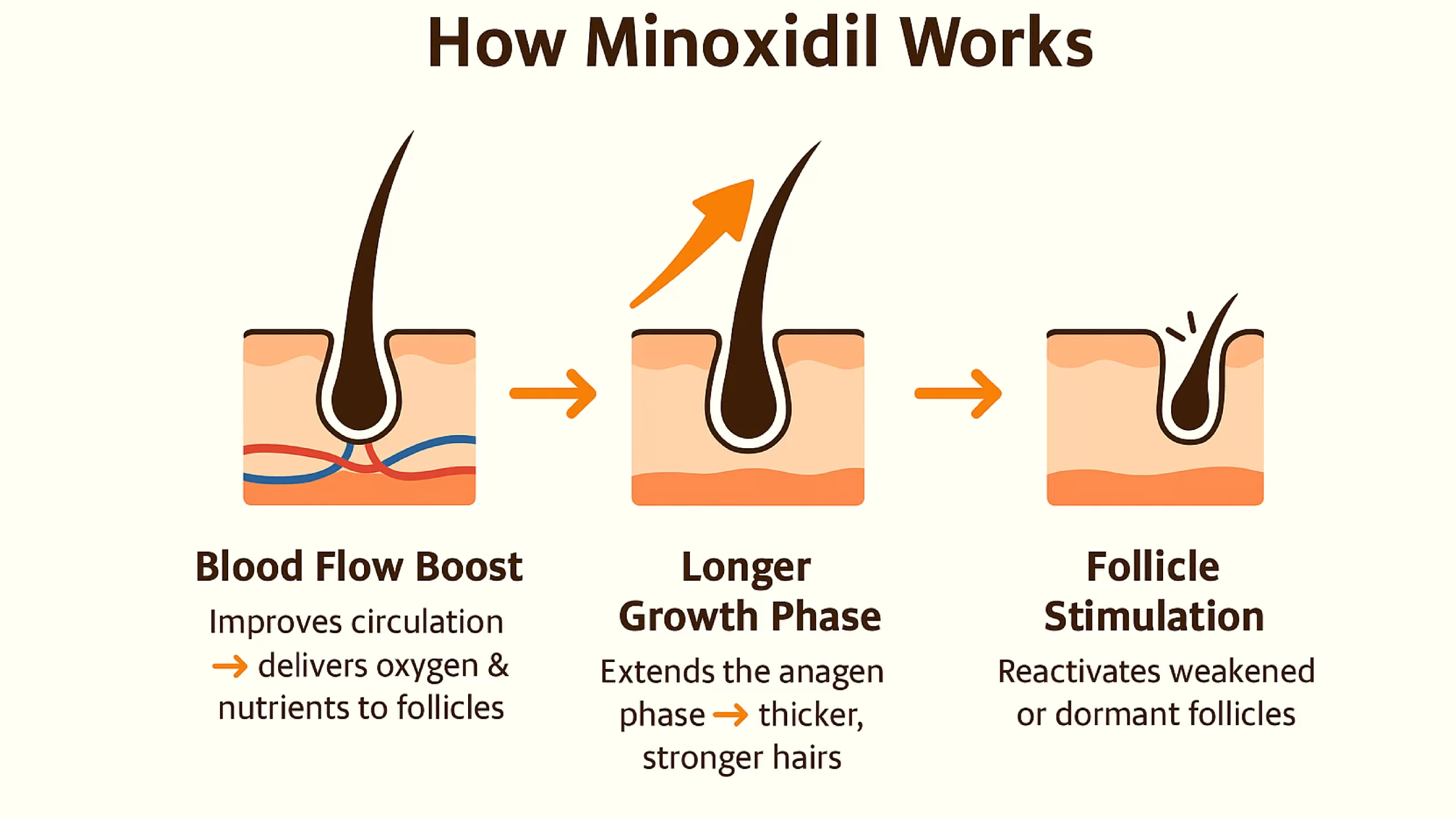
The exact mechanism of minoxidil for hair loss is not fully understood, but several effects are known. It helps extend the active growth phase of the hair cycle. This allows hair to grow longer before shedding.
It may also support weaker follicles that produce thinner hair. By improving follicle function, it can lead to thicker strands over time. These changes require consistent use and do not happen quickly.
Who Can Use Rogaine (and When It Works Best)
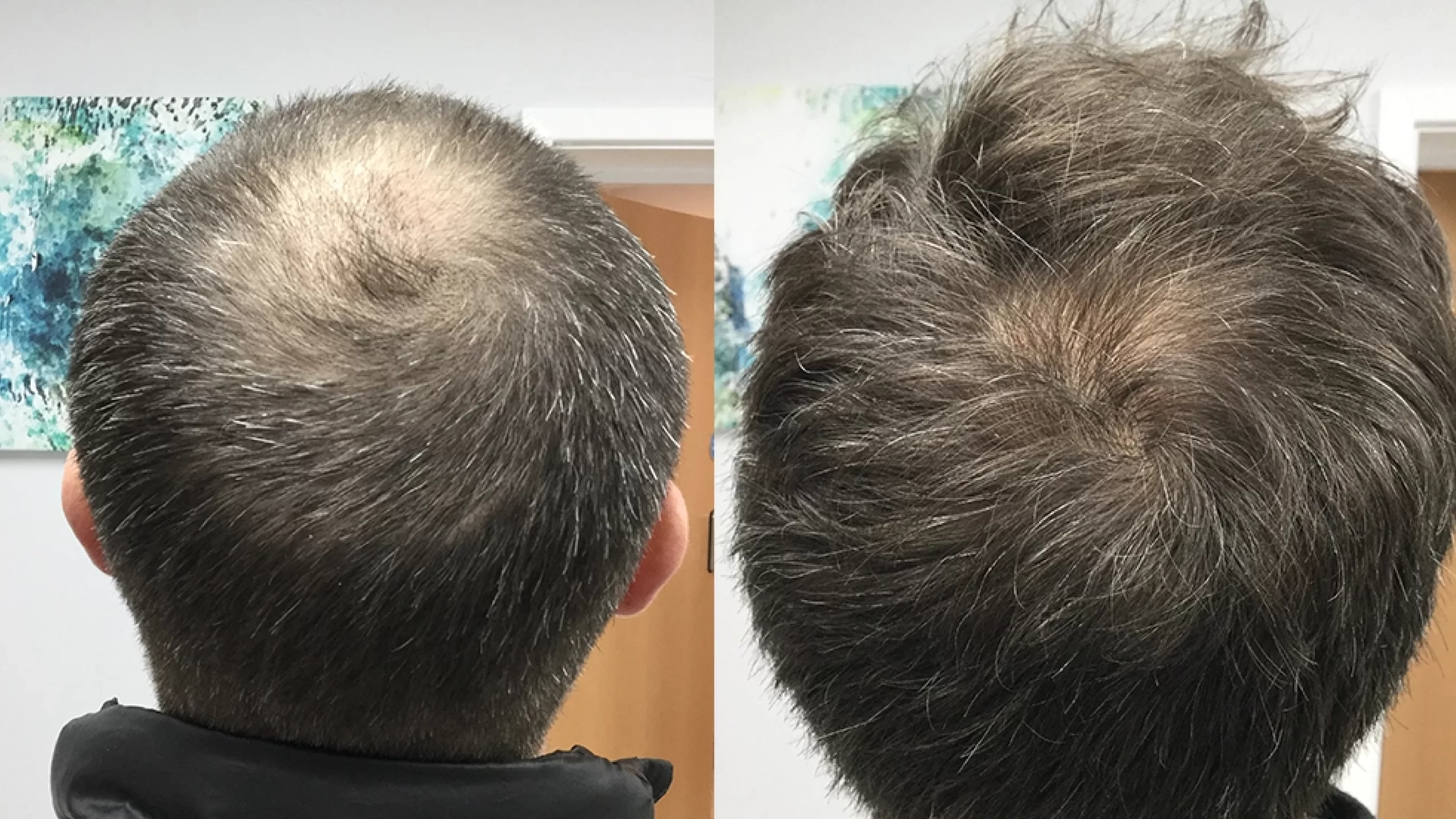
The question of who can use Rogaine depends on the type and stage of hair loss. It is most useful for early to moderate thinning, especially at the crown, and many people also look into how minoxidil works for women when considering broader use cases. Rogaine for men is commonly used in male pattern hair loss.
It may be helpful for:
- Early to moderate thinning at the crown
- Pattern hair loss (androgenetic alopecia)
- Individuals looking to maintain existing hair
It may be less effective for:
- Advanced bald areas
- Sudden or temporary shedding conditions
- Scarring types of hair loss
What Results to Expect from Rogaine
Rogaine works gradually, and results take time. In the first weeks, some users notice increased shedding. This can happen as older hairs are replaced by new growth.
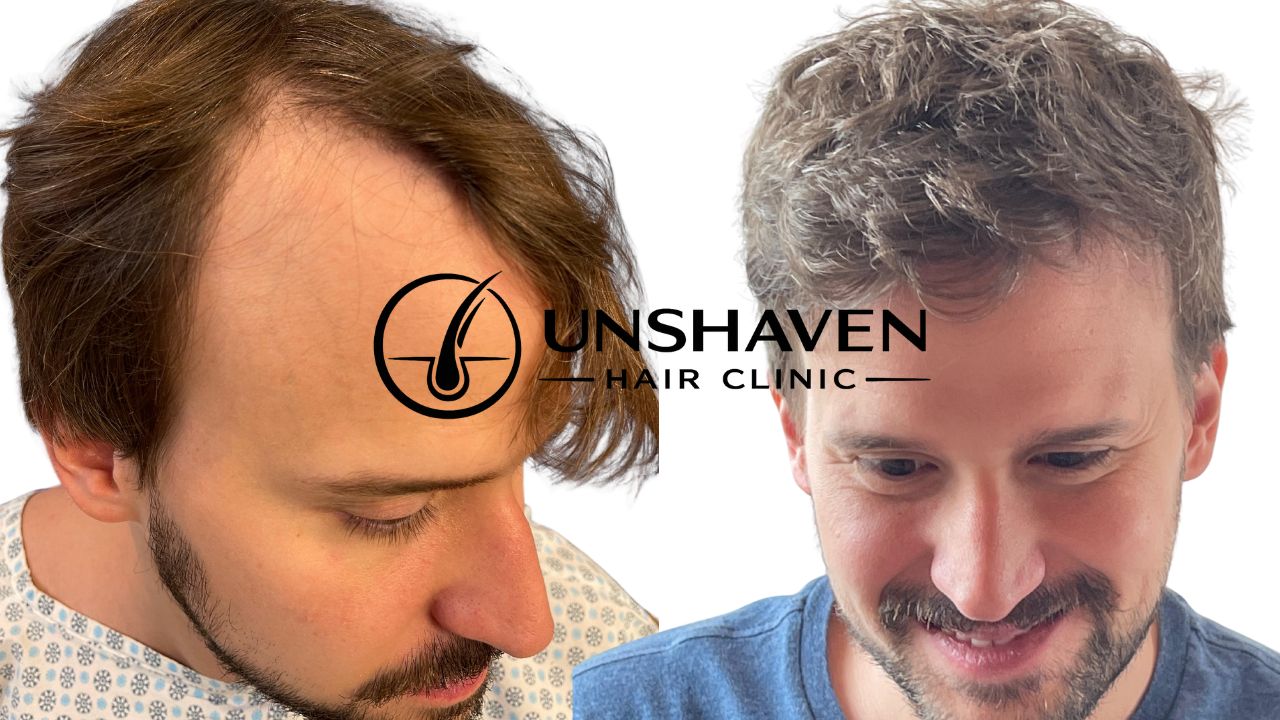
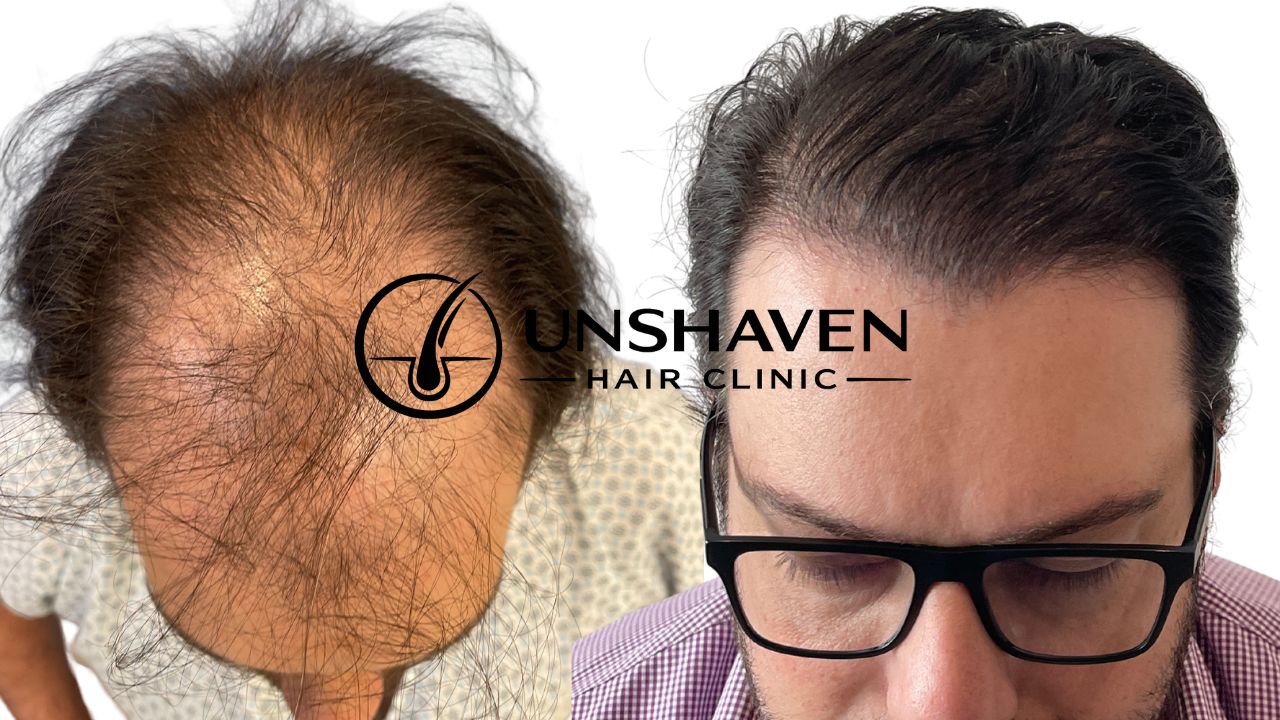
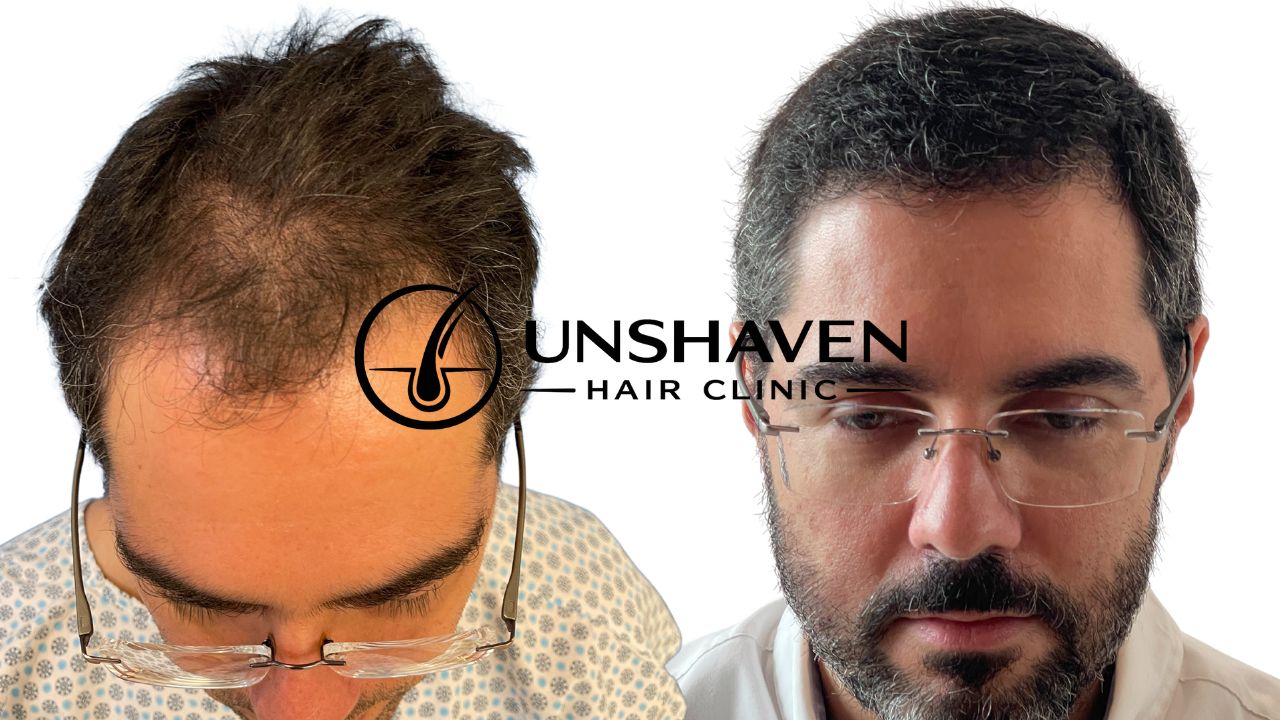
After a few months, early regrowth may appear. New hairs are often thin at first and may thicken over time. Continued use is needed to maintain results.
Timeline: When Results Start
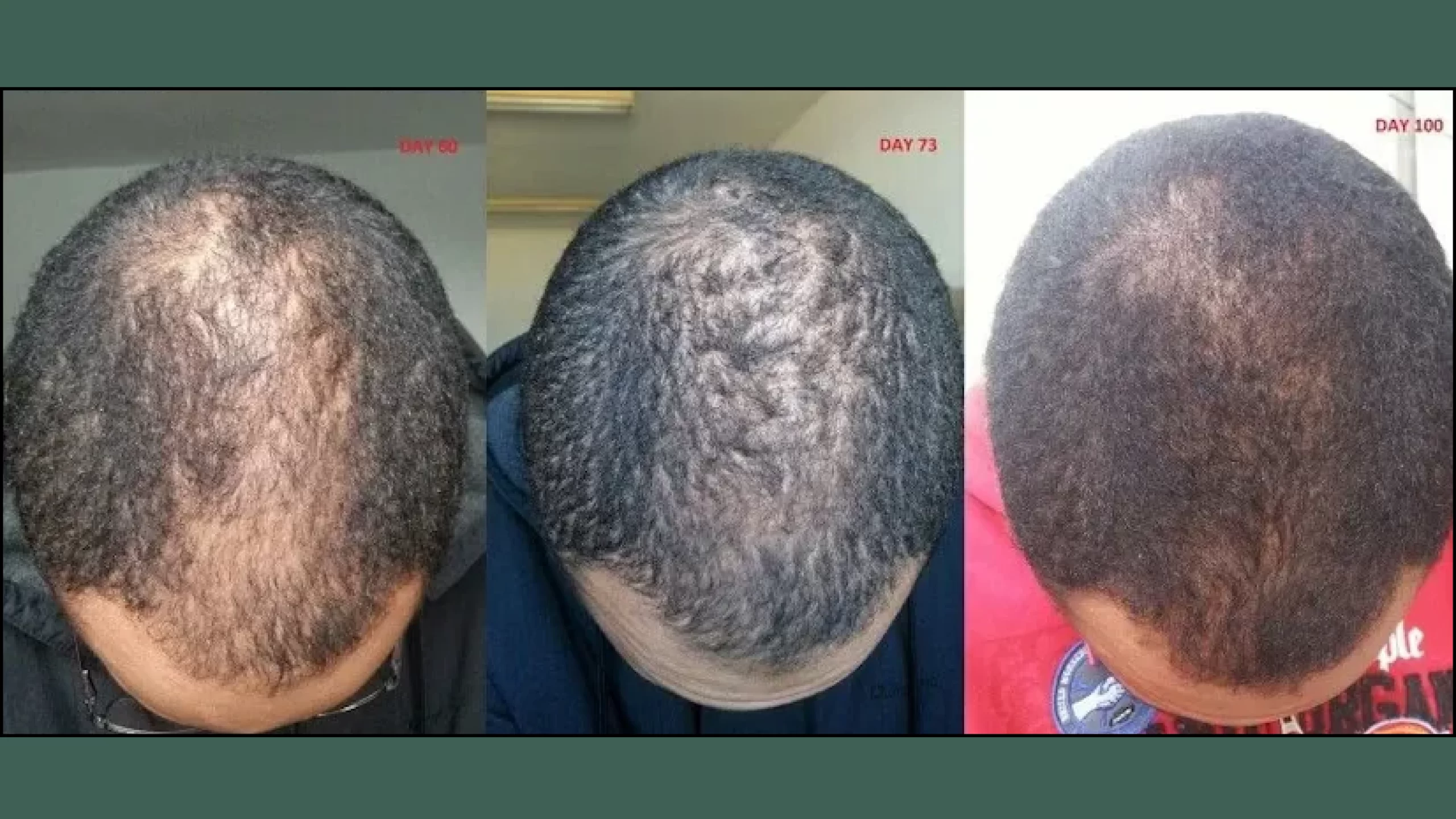
Most users notice early changes within two to four months. Visible improvement may take longer depending on the individual. Hair growth is a slow process.
What Happens If You Stop Rogaine
If Rogaine is stopped, the effects reverse over time. Hair supported by the treatment may shed within a few months. The hair loss pattern usually returns.
Risks, Side Effects, and Safety of Rogaine
Rogaine has potential downsides. Common side effects include scalp irritation, dryness, or itching. Some users experience temporary shedding early on.
Systemic effects are uncommon when used as directed. Questions about heart rate variability exist, but current evidence does not show a clear link. Medical guidance may be helpful for those with concerns.
Rogaine vs Other Hair Loss Treatments (The “Big 3”)
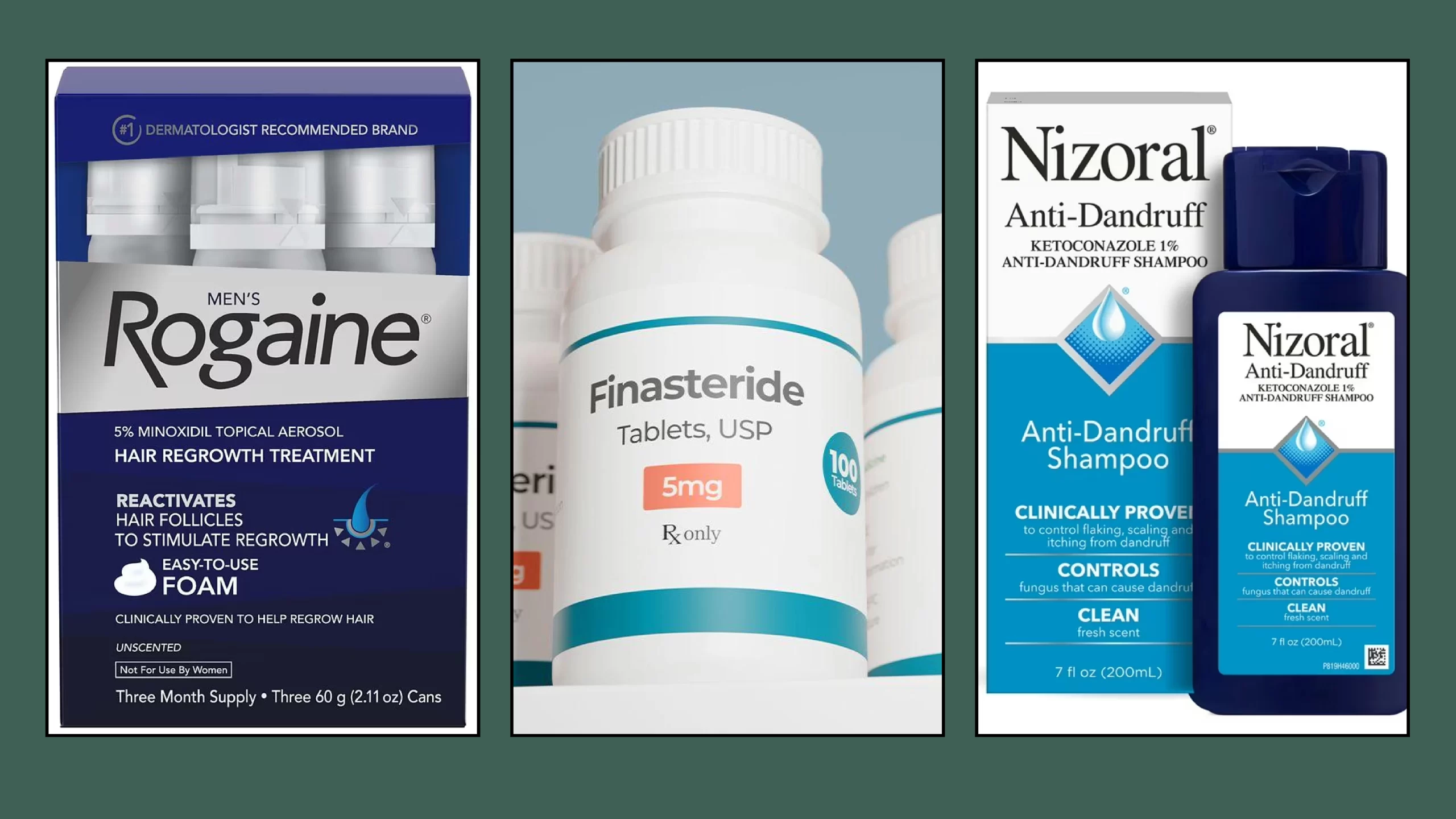
Rogaine is often part of the “big 3” approach to hair loss. This includes minoxidil, finasteride, and ketoconazole shampoo. Each works through a different pathway, and many people explore best hair growth products for men as part of a broader approach.
These treatments are sometimes combined, but not everyone is a candidate for all options. A tailored plan is often more effective than a single approach.
How Hair Loss Is Evaluated Before Using Rogaine
Hair loss should be evaluated before starting treatment. This usually includes a review of history and a scalp exam. The pattern of thinning helps guide decisions.
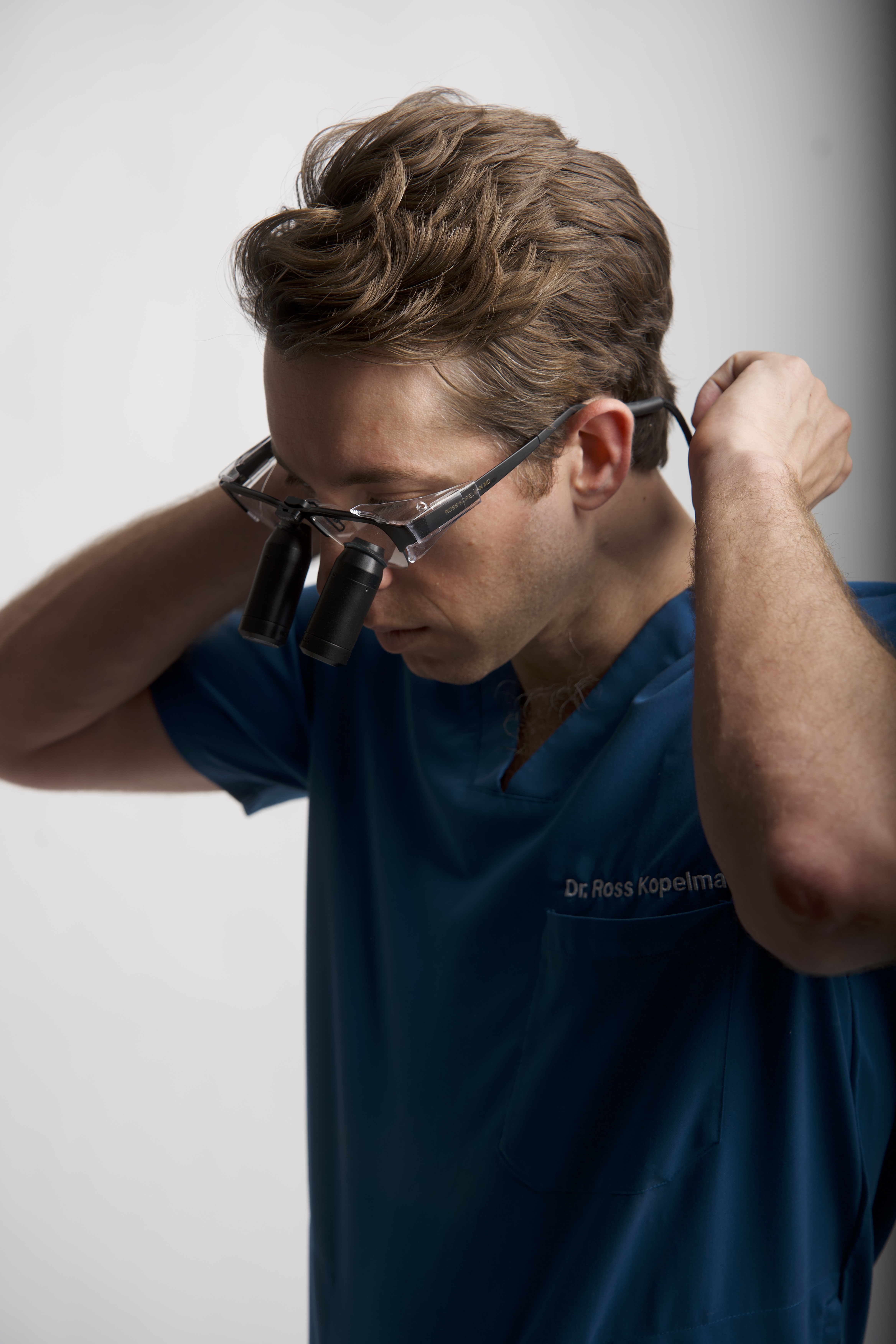
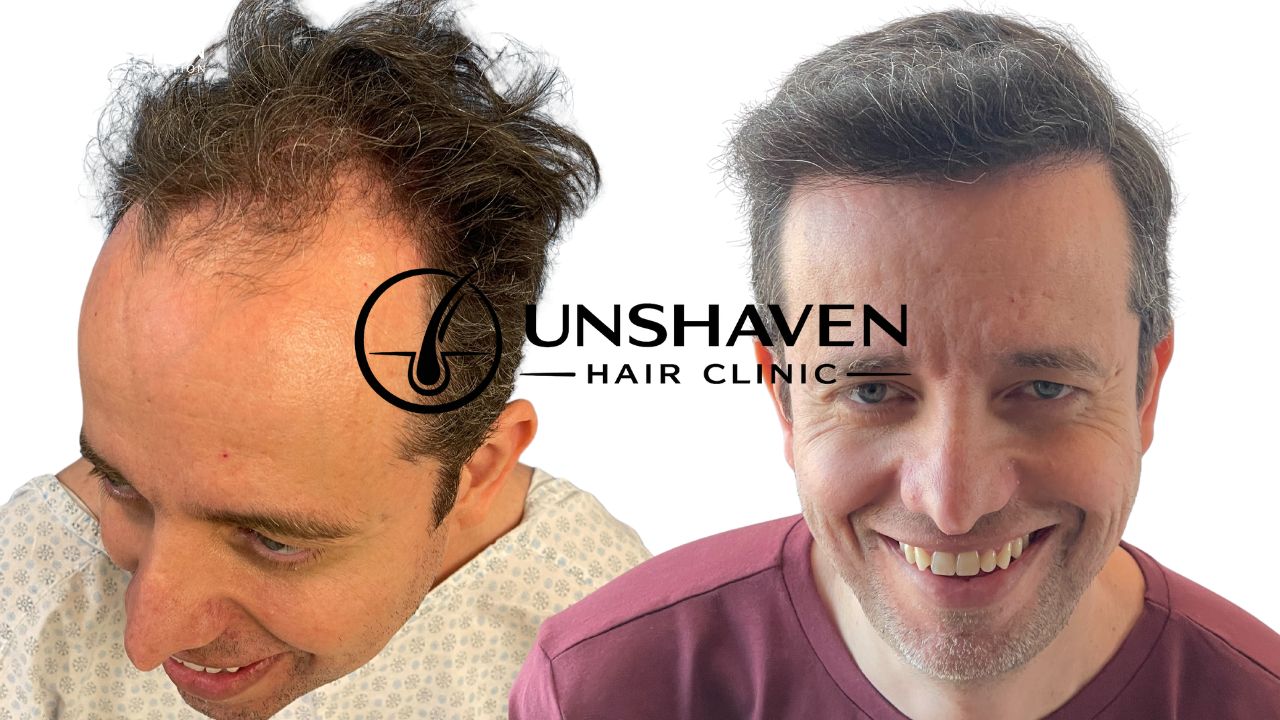
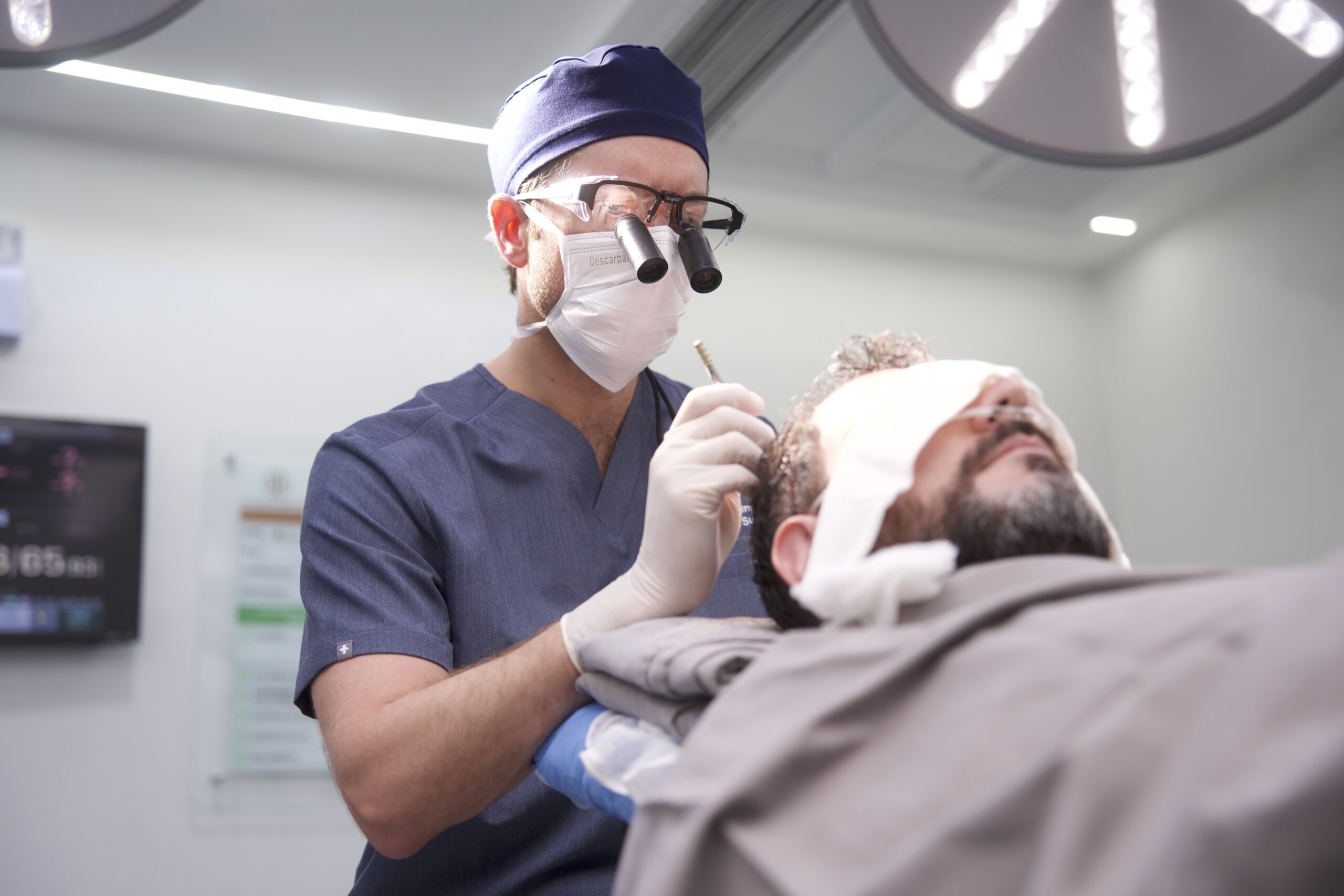
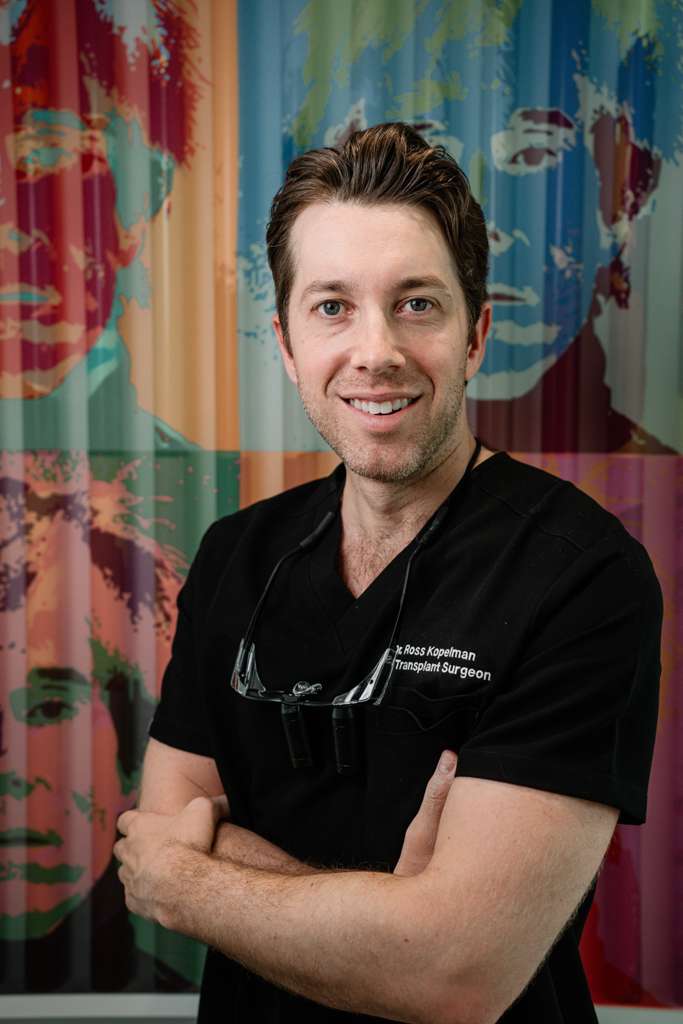
At Unshaven Hair Clinic, Dr. Ross Kopelman focuses on personalized treatment planning. This may include non-surgical options or procedures like shaveless FUE when appropriate. The goal is to match treatment to the individual.
Ready to Take the Next Step?
Whether you are just starting to notice thinning or already exploring hair trasplant options.
Dr. Kopelman offers personalized consultations tailored to your goals.
Ready to Take the Next Step?
Whether you are just starting to notice thinning or already exploring hair trasplant options, Dr. Kopelman offers personalized consultations tailored to your goals.
Frequently Asked Questions About Rogaine
What is the definition of Rogaine for hair growth?
It is a topical treatment that supports hair follicles and may improve density over time. Results depend on the individual.
What is the definition of Rogaine for hair loss?
It is a scalp-applied solution used to slow or manage pattern hair loss. It helps maintain existing hair.
Who should not use Rogaine?
People with certain scalp conditions or unclear causes of hair loss may need evaluation first. It is not suitable for all types.
Which country brand is Rogaine?
Rogaine was developed in the United States and is now widely available.