Key Takeaways
- Female pattern baldness is a common condition driven by genetic factors and sensitivity to DHT, leading to gradual thinning rather than sudden hair loss.
- Early signs include a widening part, reduced density, and slower hair growth, which often develop gradually and may take time to notice.
- DHT is the primary hormone involved, but overall hormone balance, including estrogen levels, can influence how hair loss progresses.
- Treating baldness in females focuses on slowing progression and preserving existing hair, as results vary and a complete reversal is not always possible.
- A proper evaluation is important to confirm the cause of hair loss and to determine whether options such as hair-loss hormone treatment or other approaches are appropriate.
DHT Hair Loss Female Symptoms and Early Signs
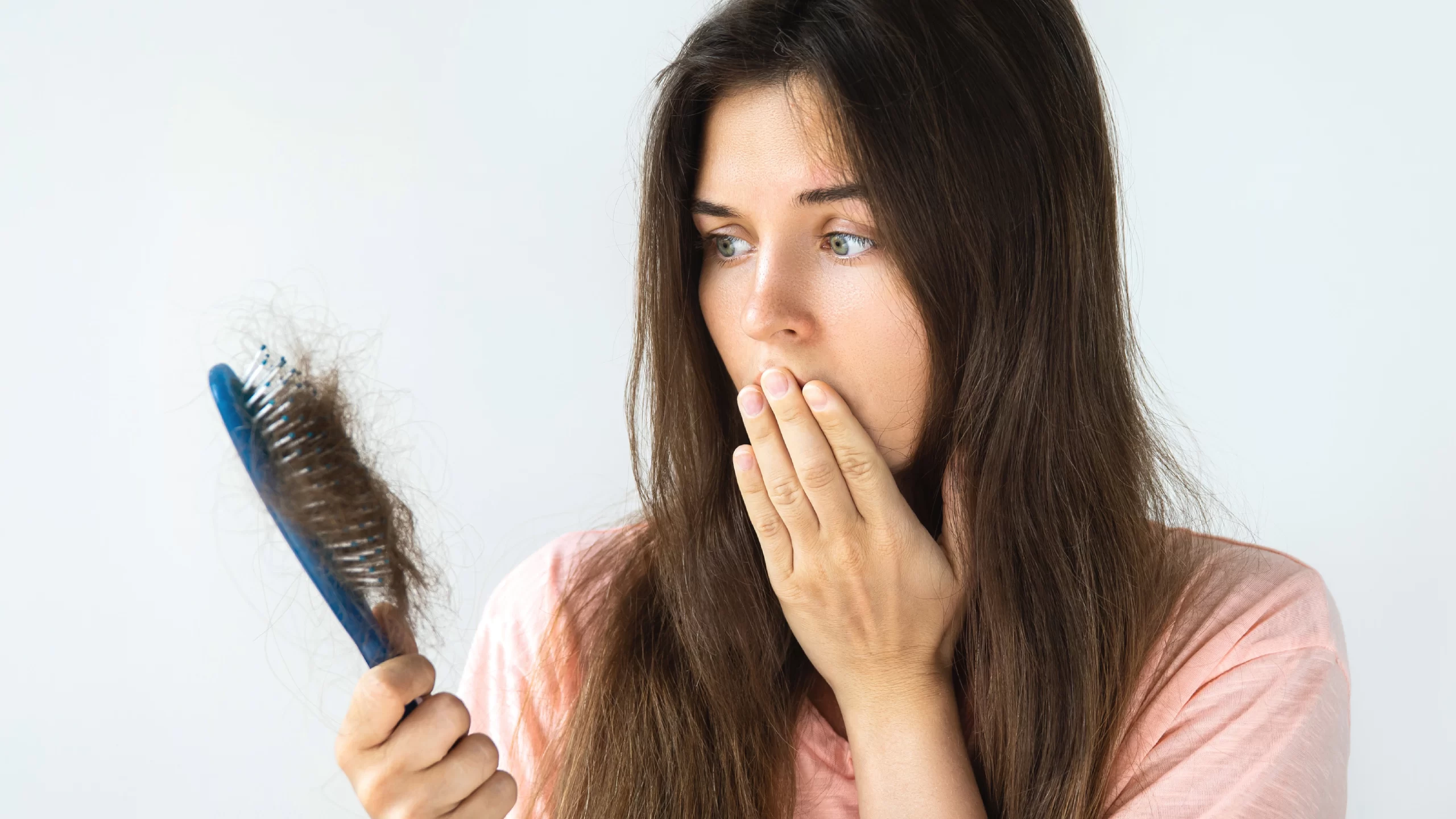
Many women first notice gradual thinning rather than sudden hair loss. This often appears as a widening part, reduced volume, or increased shedding. In some cases, the hairline may appear less dense, especially with hair thinning at the temples, leading to concern about a bald hairline.
These early signs of DHT hair loss in females are often subtle. Hair strands become finer, and growth may slow. Because this process is gradual, it can take time before changes become clear.
What Causes DHT Hair Loss in Females?
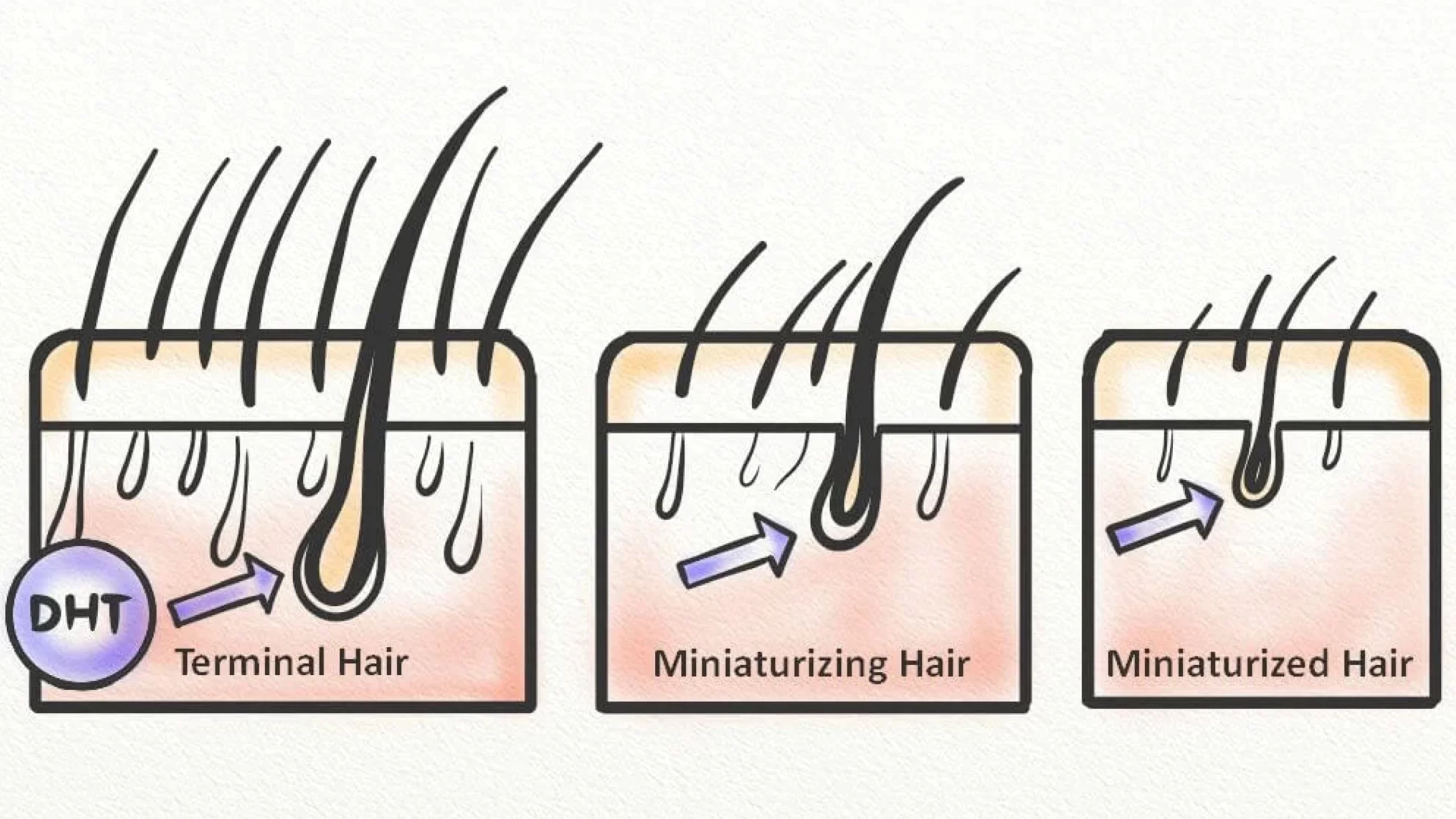
The most common cause of female pattern baldness is a mix of genetics and hormone sensitivity. Dihydrotestosterone, or DHT, is a hormone derived from testosterone. In some women, hair follicles are sensitive to DHT, which leads to gradual thinning.
Over time, DHT attaches to hair follicles, causing them to shrink. This process is called miniaturization. As follicles shrink, they produce thinner hairs and reduced density.
Which Hormone Causes Hair Loss in Females?
DHT is the primary hormone associated with pattern hair loss in women. It shortens the hair growth phase and increases the resting phase. This leads to less visible hair over time.
Other hormones also affect hair growth. Estrogen supports the growth cycle, and lower levels can make thinning more noticeable. Hormone balance often matters more than a single level.
Hormones and Female Hair Loss
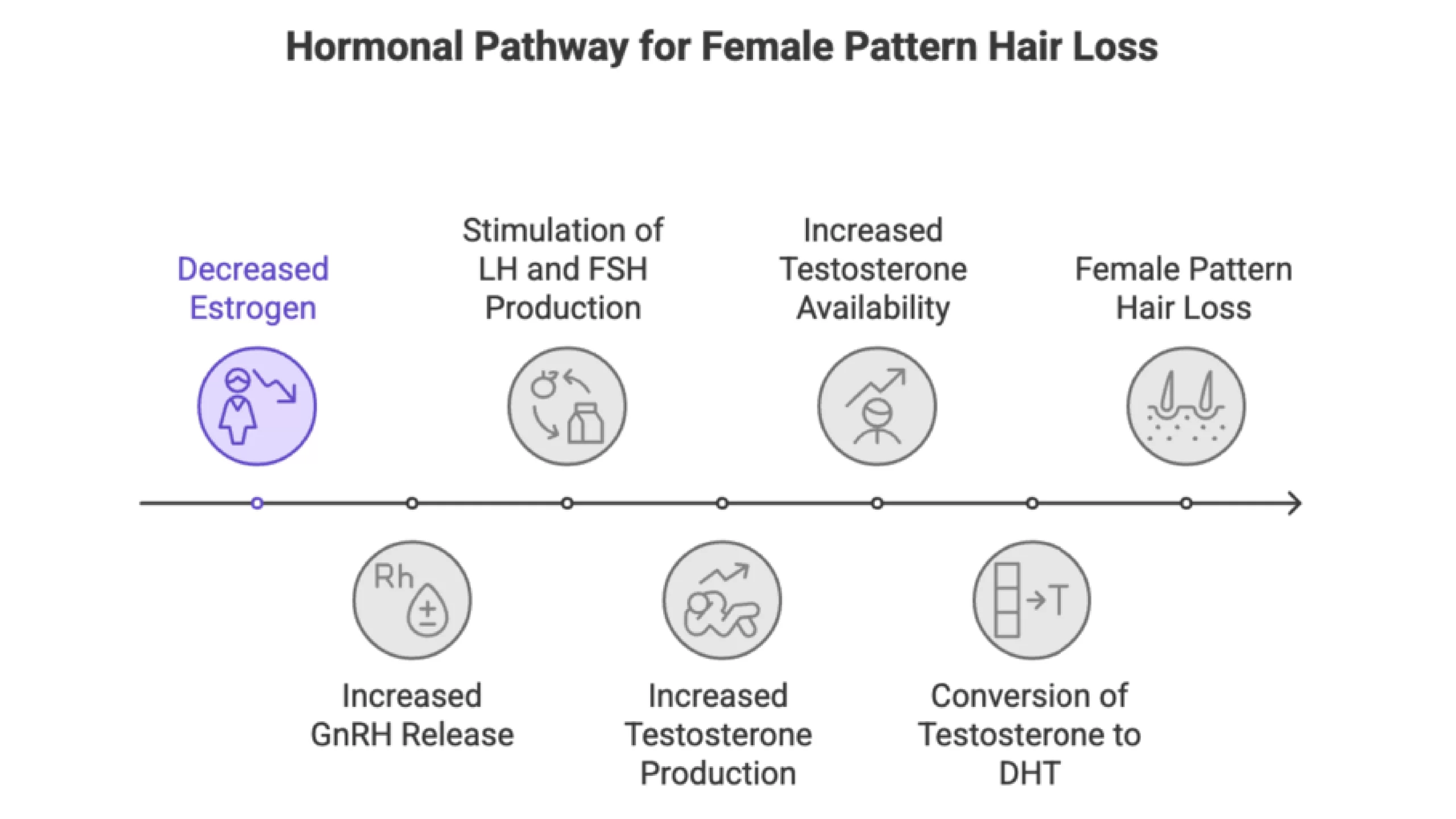
Hormonal changes can affect how hair grows and sheds. This is common during menopause, when estrogen levels decline. As the balance shifts, existing thinning may become more visible.
The link between estrogen replacement and hair loss is not simple. Some women notice improved hair quality, while others do not. Results depend on genetics, hormone balance, and overall health.
Estrogen Replacement and Hair Loss
Estrogen helps support the growth phase of hair. When levels drop, hair may spend less time growing and more time shedding. This can lead to thinning in those already predisposed.
Hormone-related changes vary between individuals. Some experience mild thinning, while others notice more visible loss. Evaluation helps clarify the cause.
Can Hormone Replacement Help Hair Loss?
Many ask: Can hormone replacement help with hair loss in women? In some cases, it may help reduce shedding or improve hair texture. However, it does not directly address DHT sensitivity.
Because of this, it is not a universal solution. Results vary depending on the individual. A personalized approach is important when considering hormone treatment for hair loss.
Female Pattern Baldness in 20s
Although often linked to aging, female pattern baldness can begin in the 20s. Genetics is often the main factor in these cases. Early signs may include a widening part or reduced density.
Younger women may also experience hair loss from hormonal changes or stress. Identifying the cause early can help guide management. Early action may help slow progression.
How Female Pattern Baldness Is Diagnosed
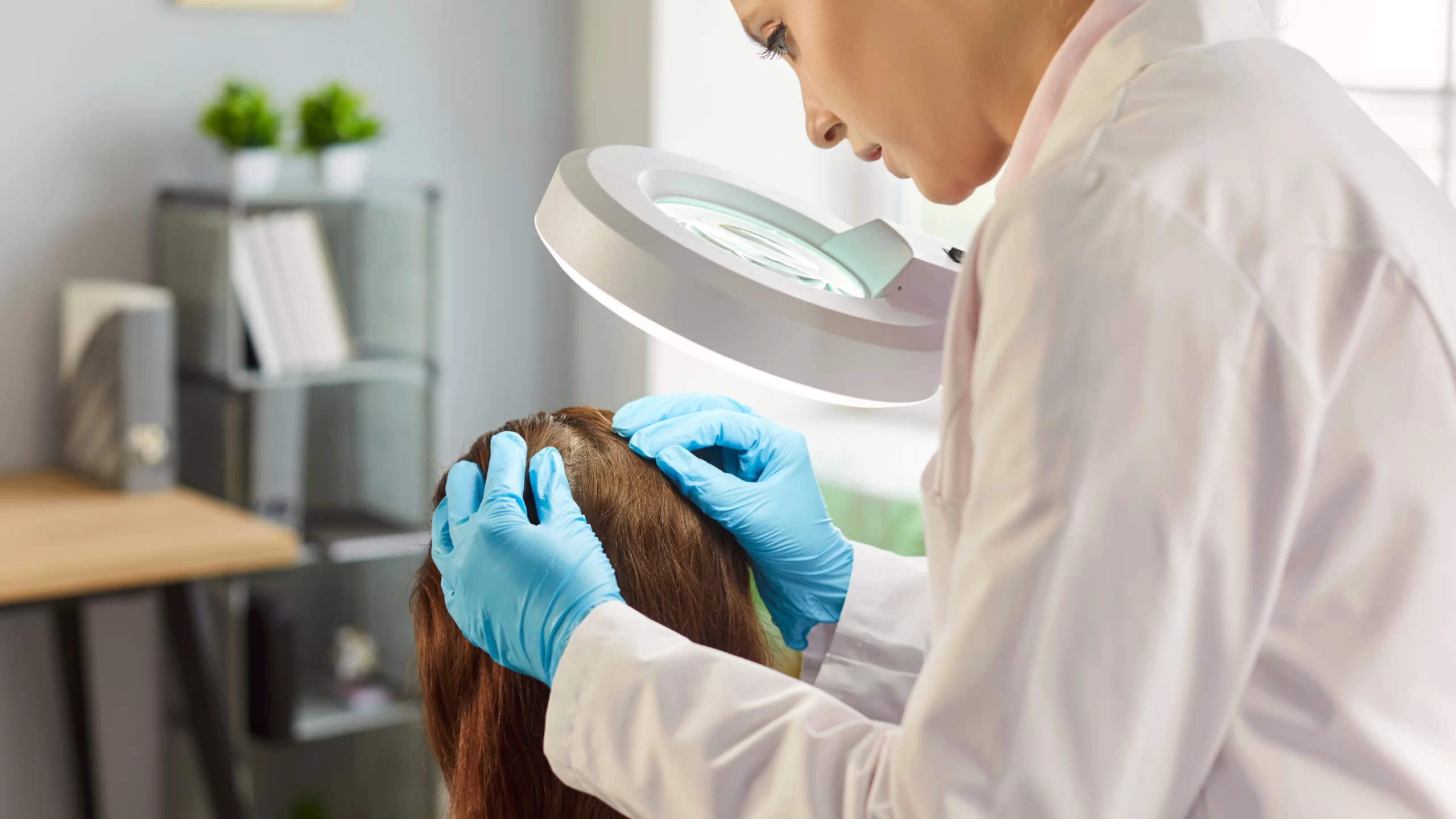
Diagnosis starts with a review of medical history and hair loss patterns. A clinician examines the scalp to assess density and distribution. This helps distinguish pattern hair loss from other causes.
Additional testing may be used to evaluate hormone levels or deficiencies. These steps help rule out other conditions. Accurate diagnosis is important before starting treatment.
DHT Hair Loss Female Treatment Options
Treating baldness in females often involves combining approaches. The goal is to slow progression and support healthier growth. Plans vary based on the cause and severity.
Common options include therapies that extend the growth phase or reduce DHT effects. Supportive care, such as improving scalp health or using a hair growth supplement, may also help. Each plan should be individualized.
How to Reduce or Block DHT in Females
Many women want to manage DHT-related hair loss. The focus is on reducing DHT’s effects on hair follicles. This can involve therapies that limit DHT interaction with the scalp.
DHT is a normal hormone, so the goal is not to remove it. Instead, treatment reduces its impact on sensitive follicles. Decisions should be based on individual evaluation.
Do DHT Blockers Work for Female Hair Loss?
DHT blockers may help some women slow thinning. They reduce DHT on follicles and may improve density. In some cases, shedding may decrease.
Results are not the same for everyone, and understanding the potential side effects of DHT blockers on women may be helpful. Some respond well, while others see little change. These treatments often work best as part of a broader plan for treating baldness in females.
DHT Hair Loss Female Shampoo: Role and Limitations
Products marketed as DHT shampoos are widely used. They may support scalp health and reduce buildup. This can improve how the hair looks and feels.
However, shampoos have a limited effect on DHT at the level of the follicle. They do not address the root cause of DHT hair loss in female patterns. They are best used as supportive care.
Is Female Pattern Baldness Progressive?
Female pattern baldness is usually progressive. It tends to worsen slowly over time. The rate of change varies by individual.
Some women experience mild thinning that stabilizes. Others notice continued loss. Early management may help slow progression.
Hair Transplant Options for Women
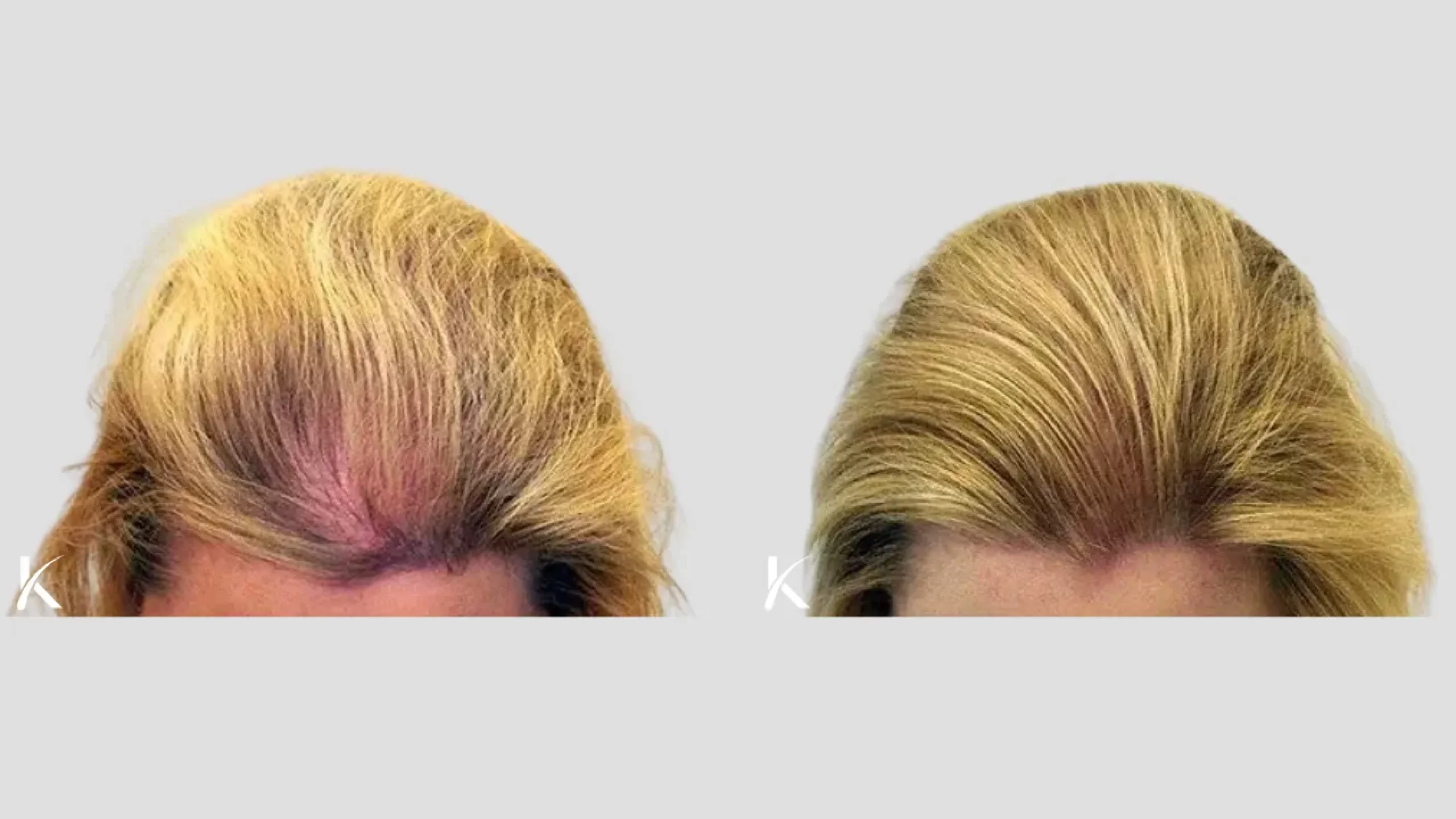
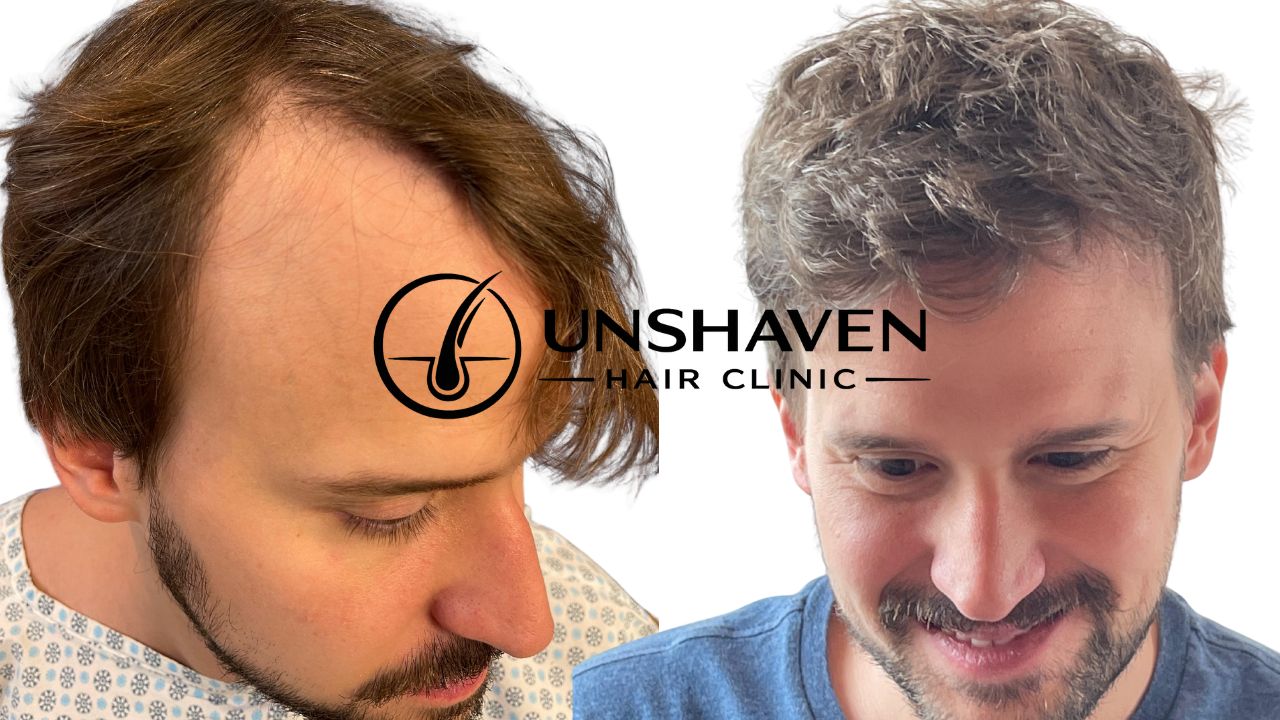
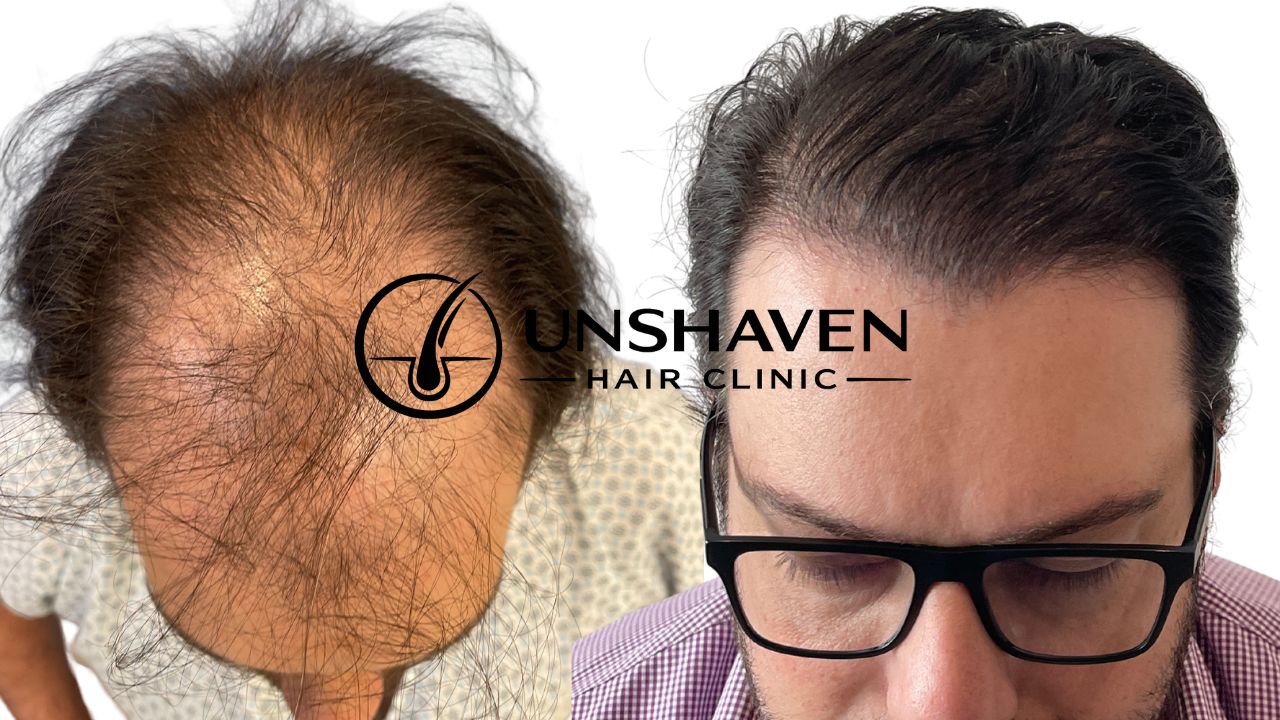
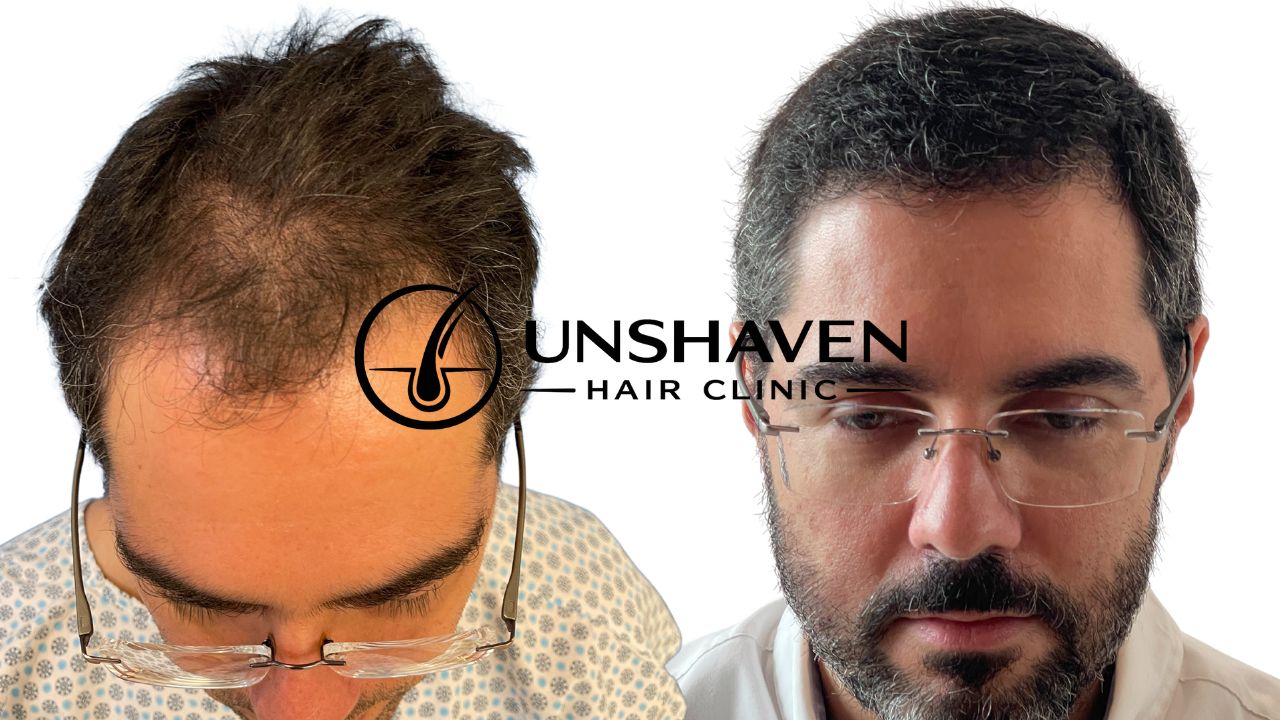
Hair transplantation may be an option for some women with stable patterns. It involves moving healthy follicles to thinning areas. The goal is to improve density.
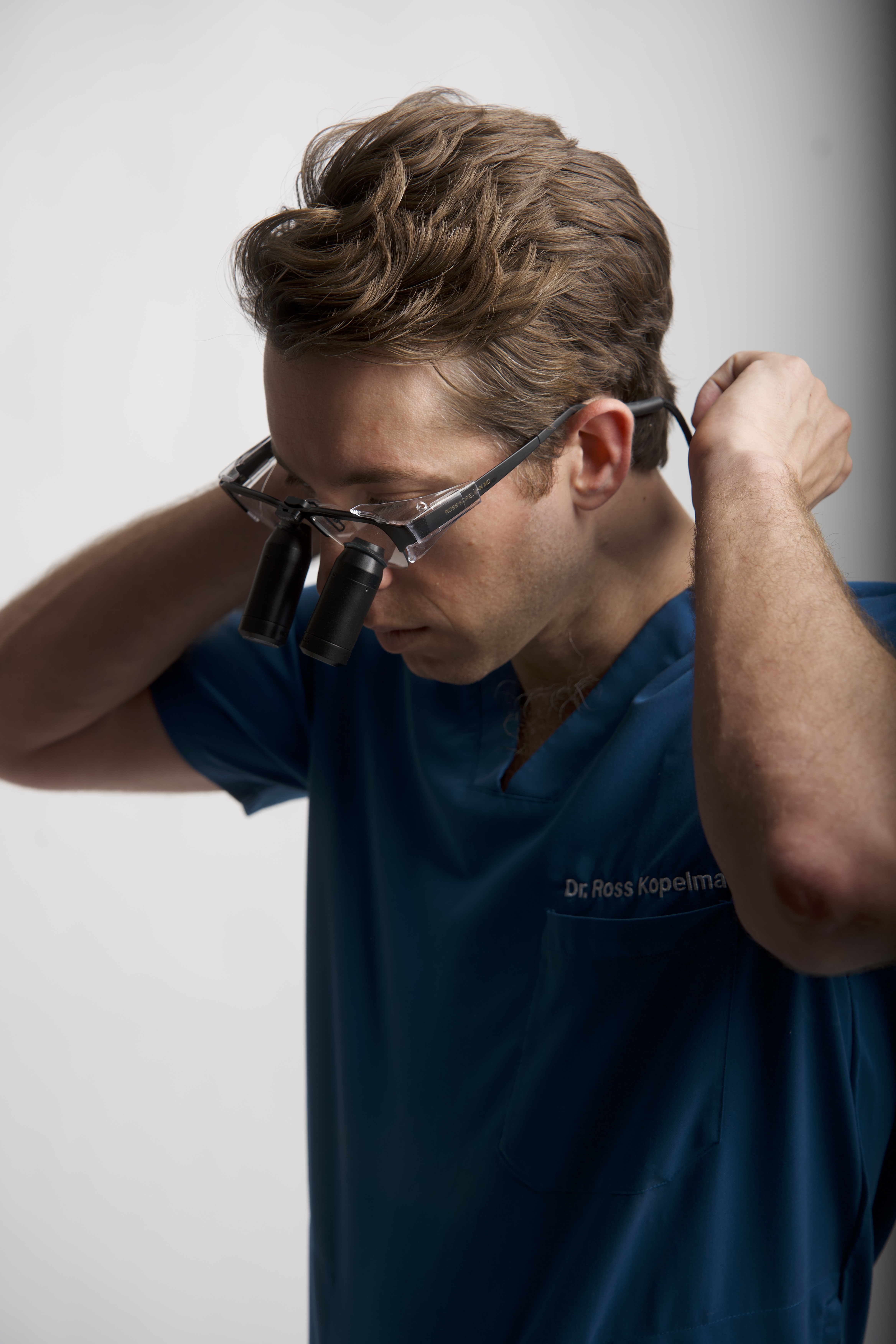
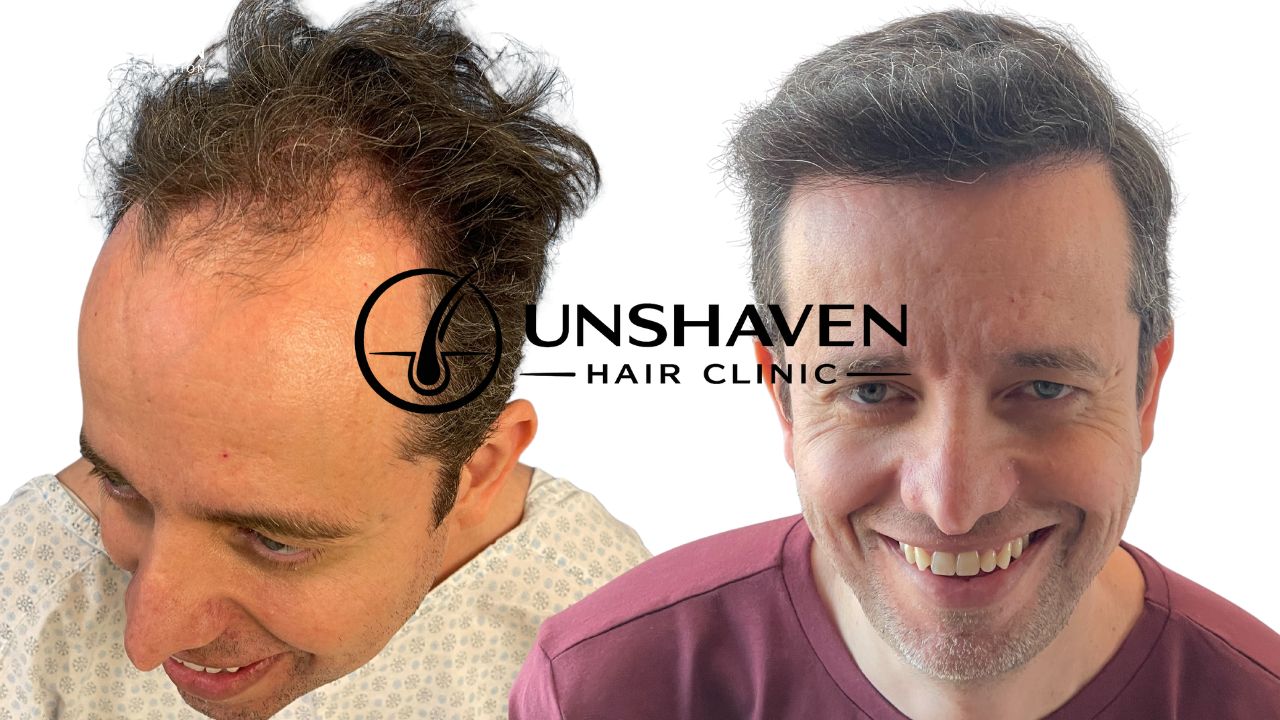
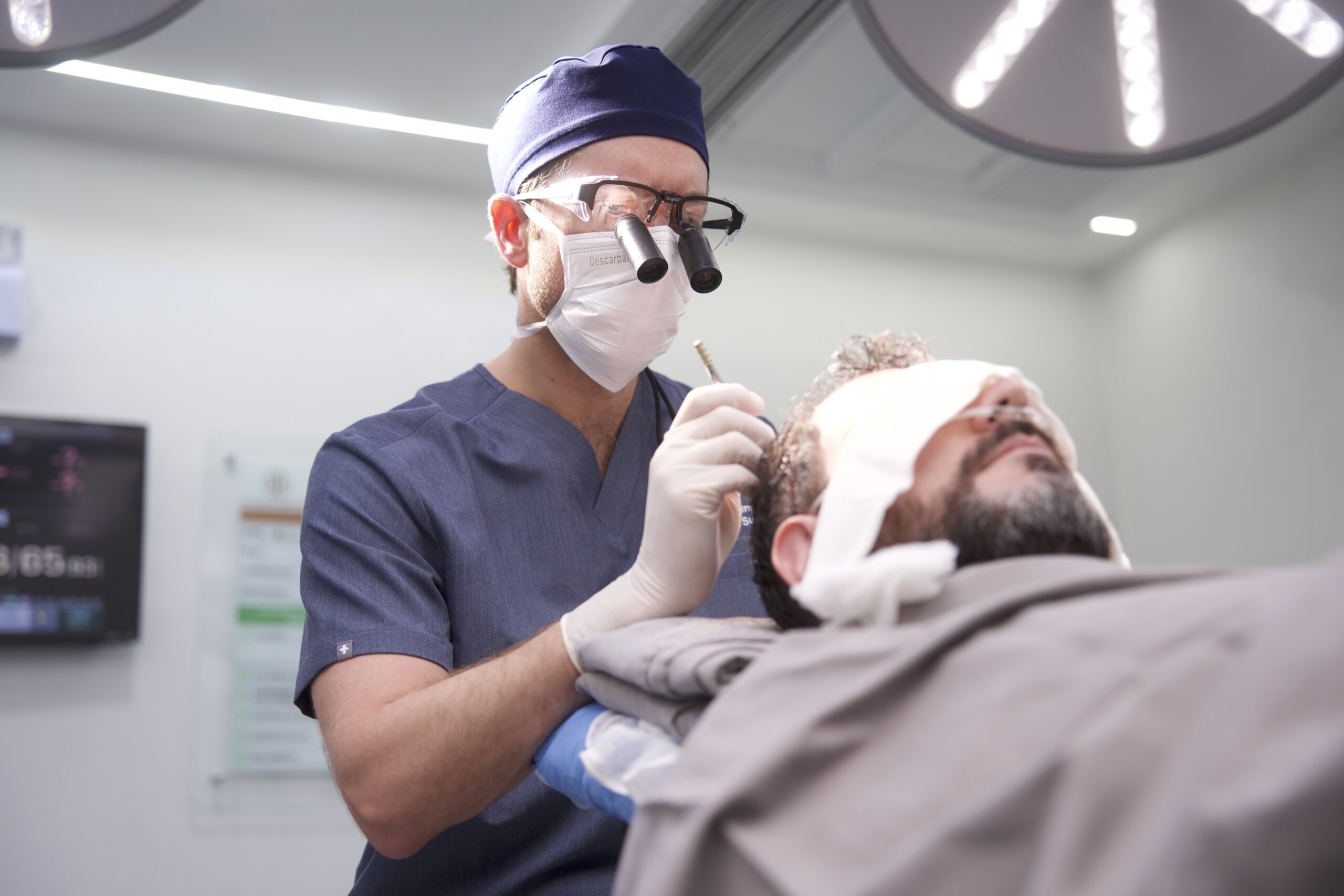
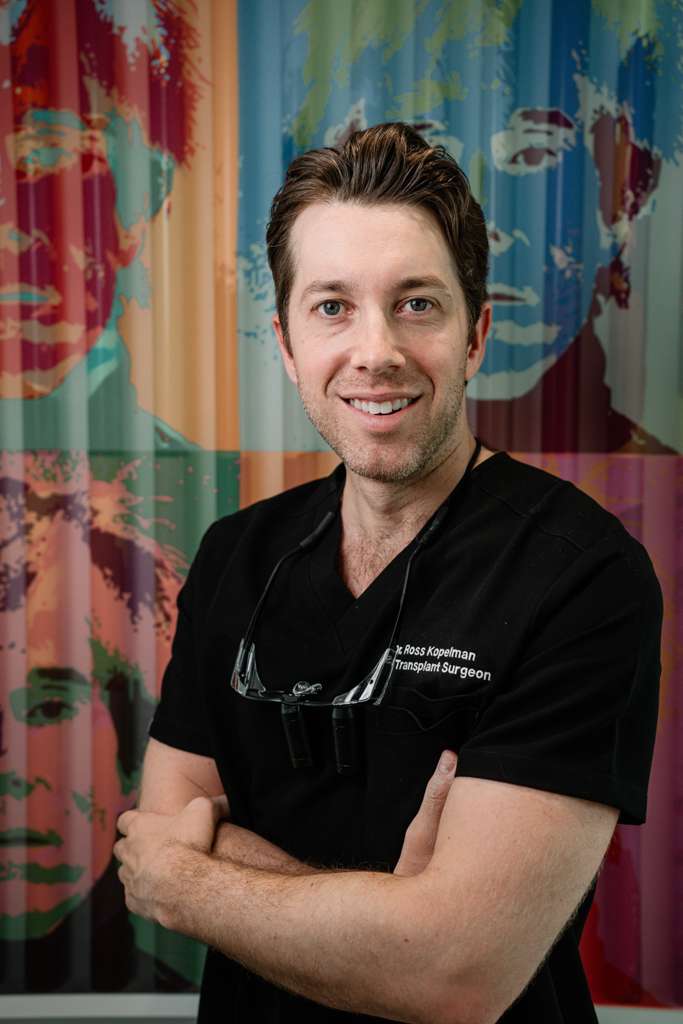
At Unshaven Hair Clinic, Dr. Ross Kopelman uses advanced methods such as shaveless FUE. This approach allows for a more discreet procedure. Candidacy depends on donor hair and pattern stability.
Ready to Take the Next Step?
Whether you are just starting to notice thinning or already exploring hair trasplant options.
Dr. Kopelman offers personalized consultations tailored to your goals.
Ready to Take the Next Step?
Whether you are just starting to notice thinning or already exploring hair trasplant options, Dr. Kopelman offers personalized consultations tailored to your goals.
What Results Can You Expect?
Results depend on the treatment and individual response. Most approaches aim to slow loss and maintain density. Some may see modest regrowth.
Hair grows in cycles, so results take time. Visible changes may take several months. Realistic expectations are important.
Limitations and Risks
Not all individuals respond to treatment. Results can vary, and hair loss may continue. Some approaches may have side effects or limited benefit.
Understanding these limits helps guide decisions. A balanced approach is important when choosing treatment.
When to Seek Medical Evaluation
Evaluation may be helpful if thinning continues over time. Signs such as a widening part or reduced density can indicate pattern hair loss. Early assessment helps identify the cause.
A proper evaluation ensures treatment is appropriate. It also helps rule out other conditions. This step is important before starting hair loss hormone treatment.