Key Takeaways
- Finasteride mainly slows or stabilizes hair loss, and while finasteride hair regrowth is possible, it is usually modest and more noticeable in thinning areas rather than fully bald spots.
- Results depend on follicle health, so the likelihood of regrowing hair with finasteride is higher when treatment starts early, and follicles are still active.
- Hair regrowth with finasteride tends to occur gradually over several months, with stabilization often appearing before any visible thickening.
- Finasteride does not provide permanent results, and its benefits typically continue only with ongoing use as part of long-term hair loss management.
- Individual outcomes vary, and a proper evaluation helps determine whether finasteride is appropriate alone or in combination with other treatments
Does Finasteride Regrow Hair or Stop Hair Loss?
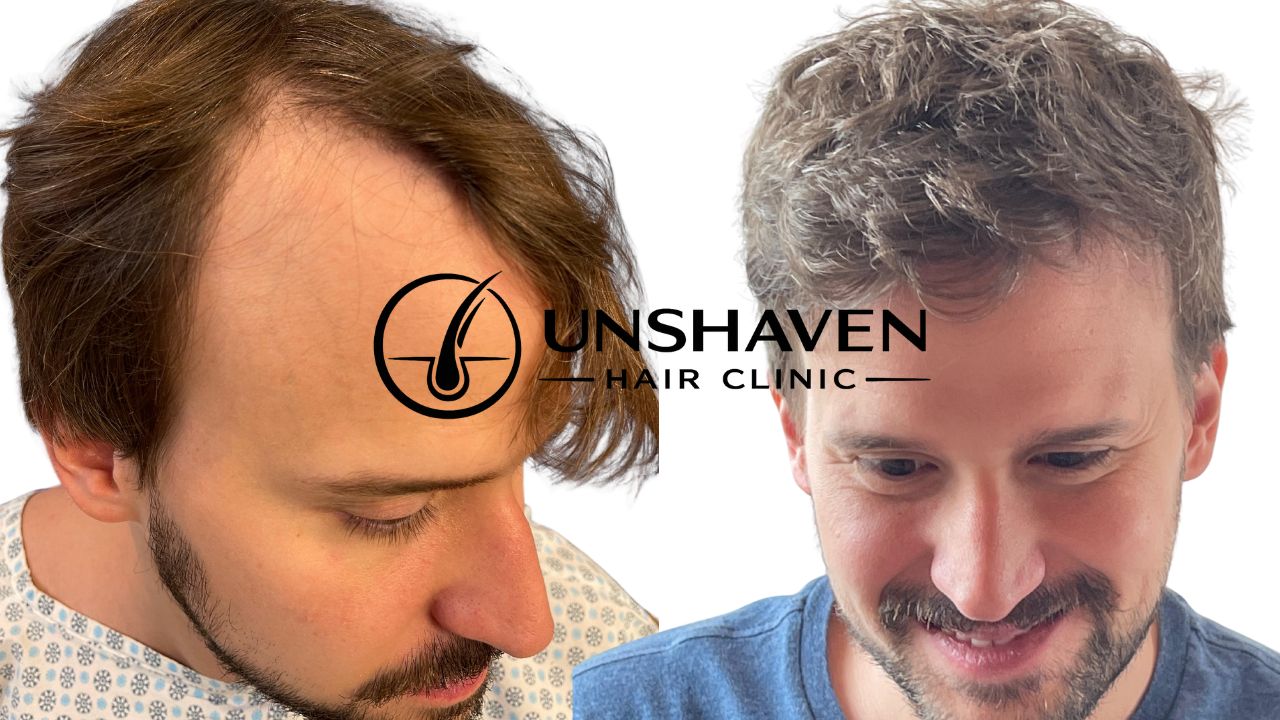
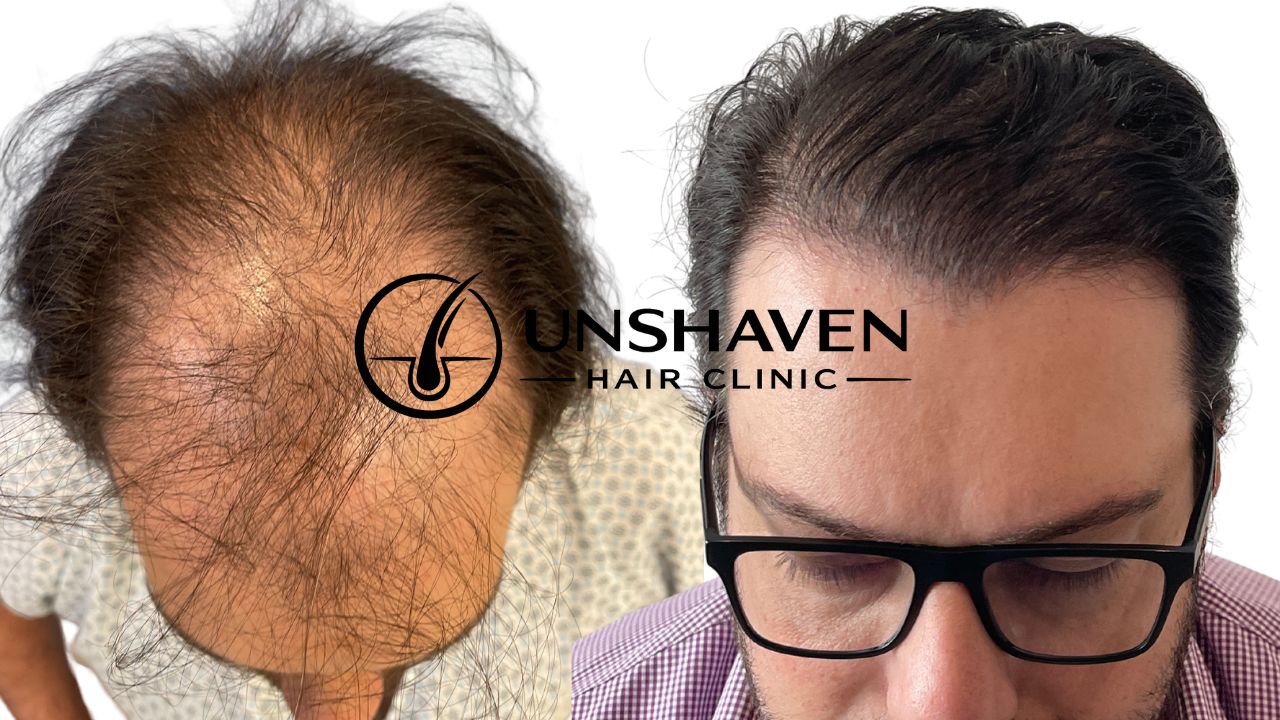
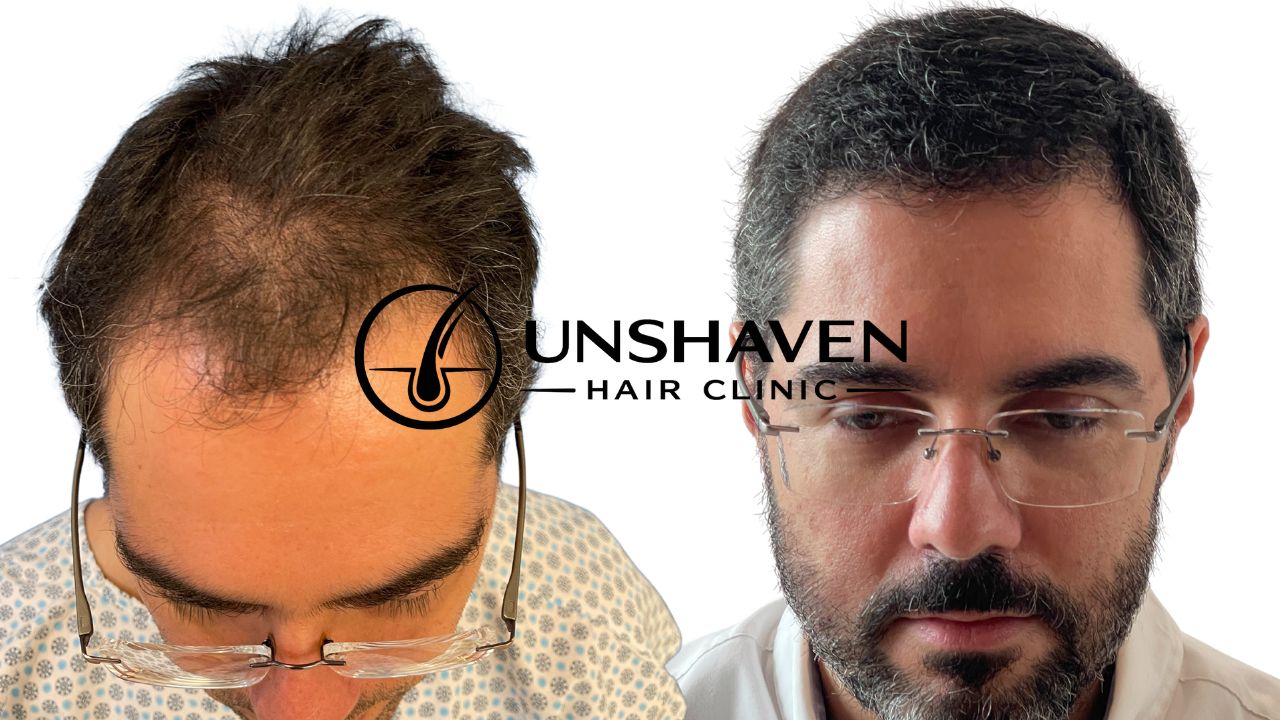
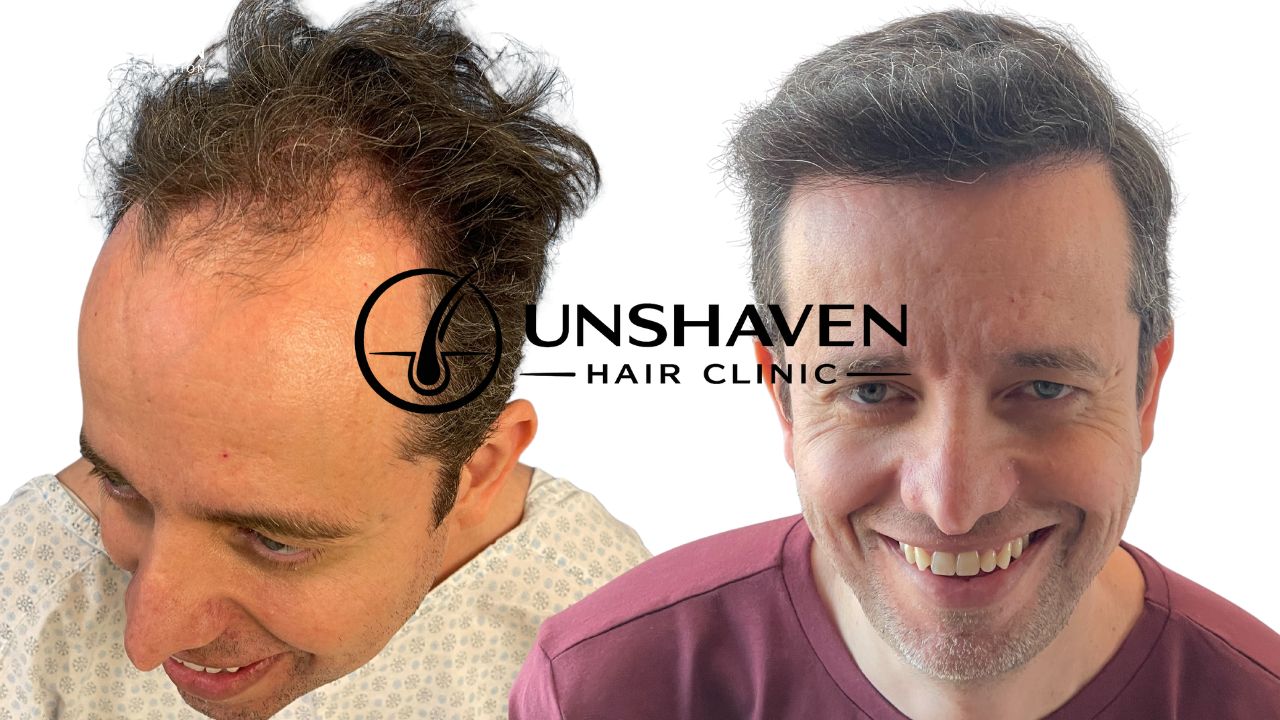
Finasteride is best known for slowing or stopping hair loss. In many individuals, it helps preserve existing hair by reducing the hormonal signals that weaken follicles over time. This alone can make hair appear fuller, even without dramatic regrowth. At the same time, finasteride can promote hair regrowth in certain cases.
Some people notice thicker strands or mild improvement in thinning areas. Results vary, and regrowth is usually modest rather than dramatic.
How Finasteride Works (DHT and Hair Loss)
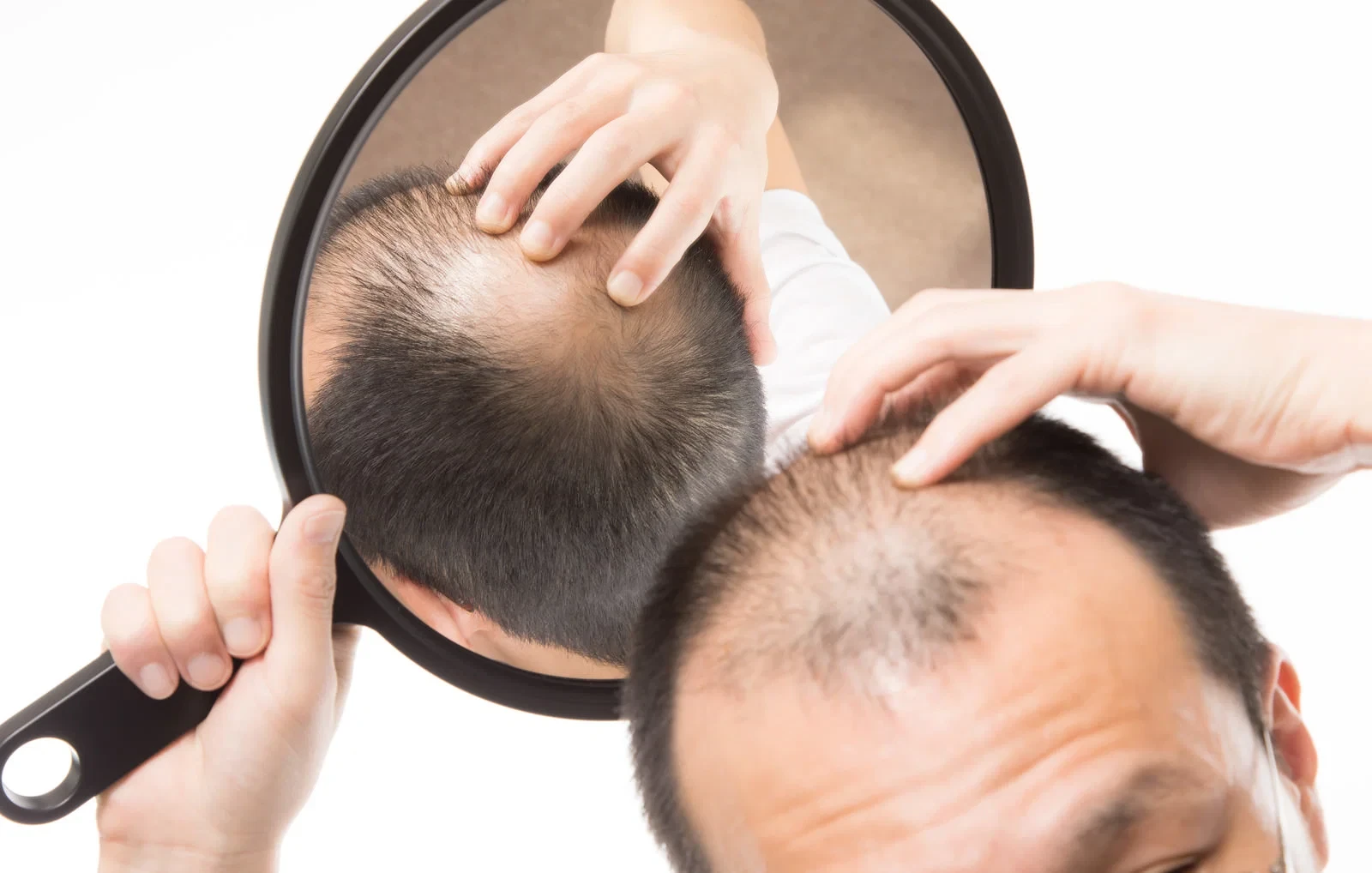
Hair loss in androgenetic alopecia is largely driven by dihydrotestosterone, or DHT, which helps explain why hair loss happens. This hormone affects sensitive follicles, causing them to shrink and produce thinner hair over time. Eventually, some follicles may stop producing visible hair. Finasteride works by lowering DHT levels in the scalp.
This helps protect follicles from further damage and supports a more stable environment for hair growth.
What Finasteride Regrowth Looks Like (Crown vs Hairline)
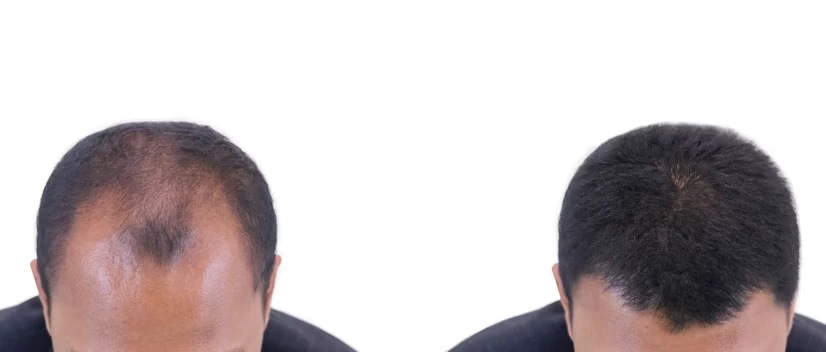
When hair regrowth occurs with finasteride, it is usually gradual and subtle. Most people notice improved density rather than full restoration. The crown tends to respond better than the hairline. The hairline is more resistant to change. Those asking whether finasteride can regrow hair at the front should expect stabilization first, with possible mild thickening rather than full regrowth.
Does Finasteride Work on Bald Areas?
Finasteride depends on active follicles to produce results. If an area has been bald for a long time, regrowth is unlikely. In these cases, follicles may no longer be functioning. This is why the term “finasteride bald” is often discussed, especially when comparing thinning vs. balding. It highlights the difference between thinning hair and areas where follicles are no longer active.
Does Finasteride Regrow Hair Permanently?
Finasteride does not provide permanent regrowth. Its effects continue only with ongoing use, and stopping treatment usually allows hair loss to resume. This reflects the progressive nature of androgenetic alopecia. It is best viewed as a long-term management approach. It helps maintain hair rather than permanently reversing loss.
Timeline: How Long Finasteride Takes to Work
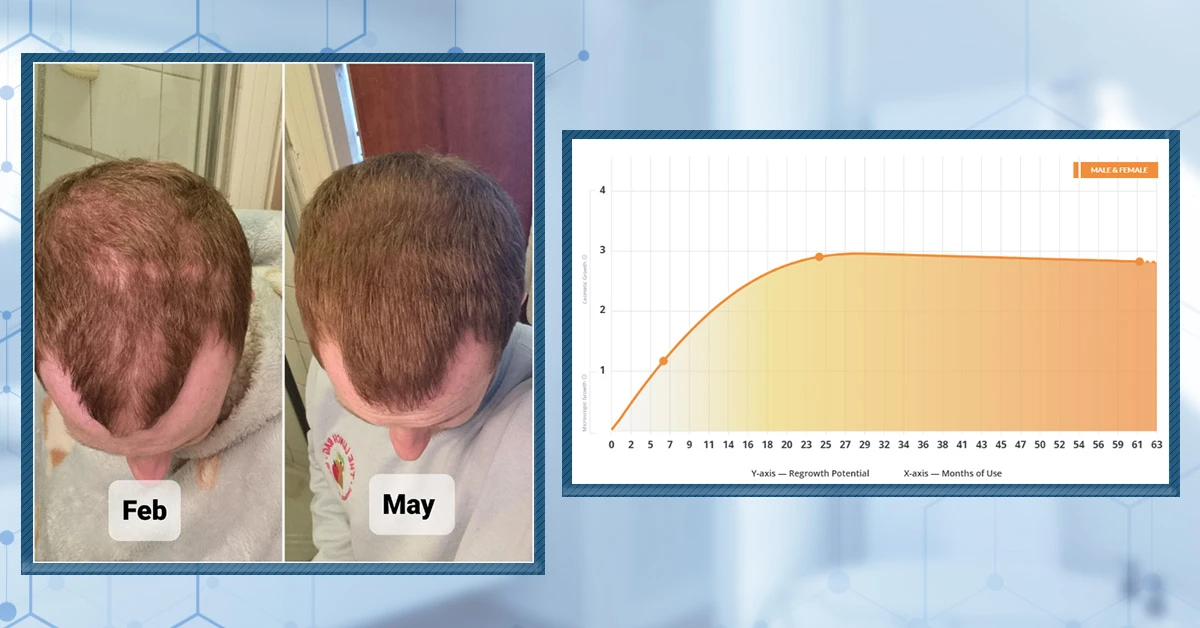
Hair growth cycles are slow, so results take time. Most individuals do not notice immediate changes, and early shedding can occur before improvement.
A general timeline includes:
- 2 to 3 months – reduced shedding
- 3 to 6 months – stabilization
- 6 to 12 months – possible regrowth
- 12 months or more – clearer results
When Is It Too Late to Start Finasteride?
There is no strict cutoff, but earlier treatment tends to work better. Finasteride is most effective when follicles are still active and producing thinner hair. In advanced stages, results may be limited. However, it can still help preserve remaining hair and slow further loss.
Finasteride Alone vs Finasteride and Minoxidil
Finasteride can be used on its own, especially in early hair loss. It targets the hormonal cause of follicle miniaturization and helps stabilize progression. Some people combine it with minoxidil or explore options such as fast-hair-growth products. While finasteride reduces DHT, minoxidil supports hair growth, offering a broader approach for some individuals.
Does Finasteride Regrow Hair in Women?
Finasteride is sometimes used in women, but results are less predictable. Female hair loss often involves different hormonal and genetic factors. Some may experience stabilization or mild improvement. A proper evaluation helps determine whether it is appropriate.
Reddit and Quora Results vs Clinical Reality
Searches like ” Does finasteride regrow hair Reddit? ” often show mixed experiences. Some users report improvement, while others see little change. This variation can be confusing. Differences usually come down to timing, consistency, and individual response. Clinical evidence indicates that stabilization is common, whereas regrowth varies.
Side Effects and Is Finasteride Worth the Risk?
Finasteride may have side effects, although not everyone experiences them. Reported effects vary, and individual tolerance differs. Deciding whether it is worth it depends on personal priorities. A balanced understanding of potential benefits and risks is important before starting.
Why Some Men Avoid Finasteride
Some men avoid finasteride due to concerns about side effects. Others prefer non-medication approaches or feel uncertain about long-term use. Misinformation can also influence decisions. Clear, accurate information helps individuals make more informed choices.
How Doctors Evaluate Finasteride Candidacy
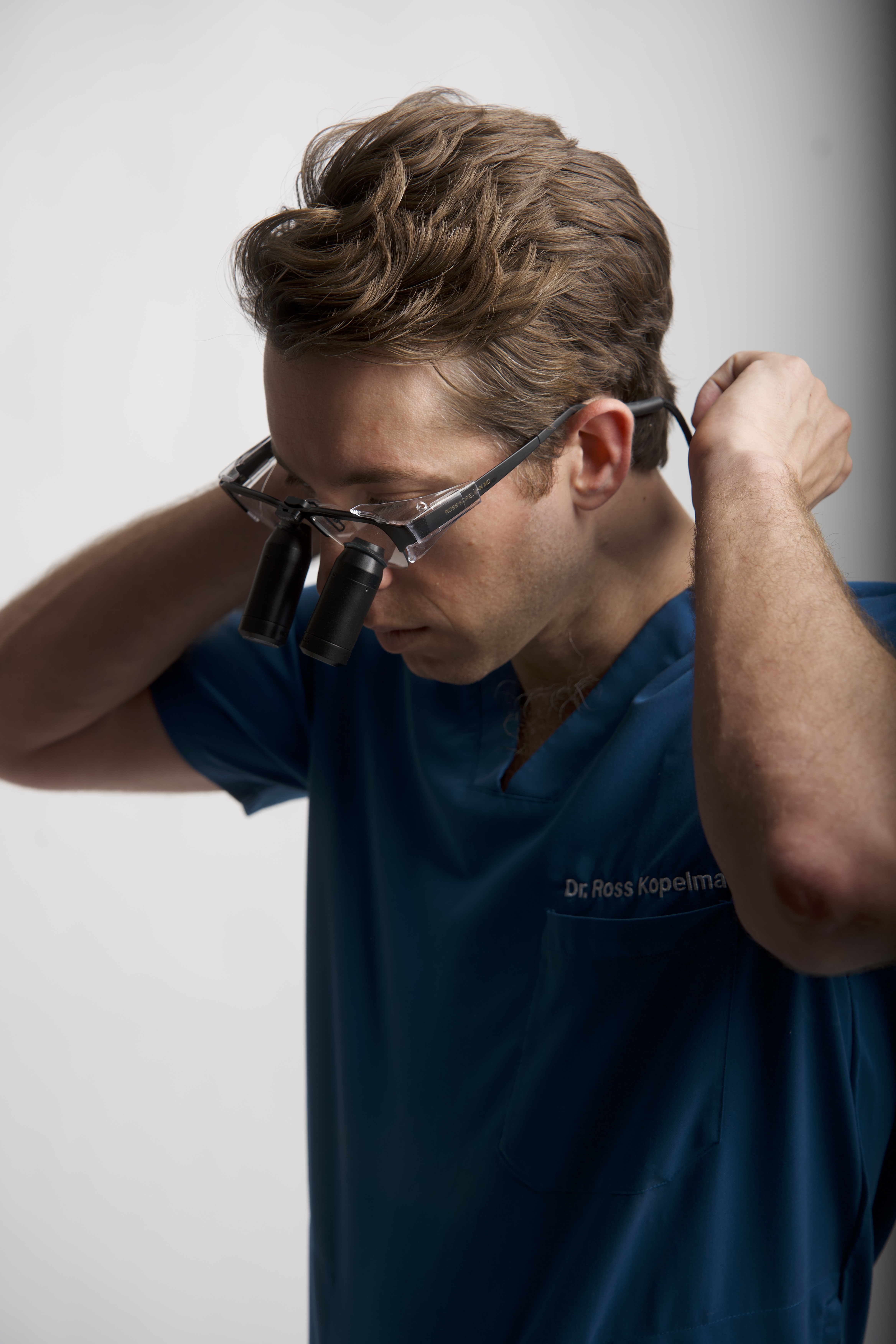
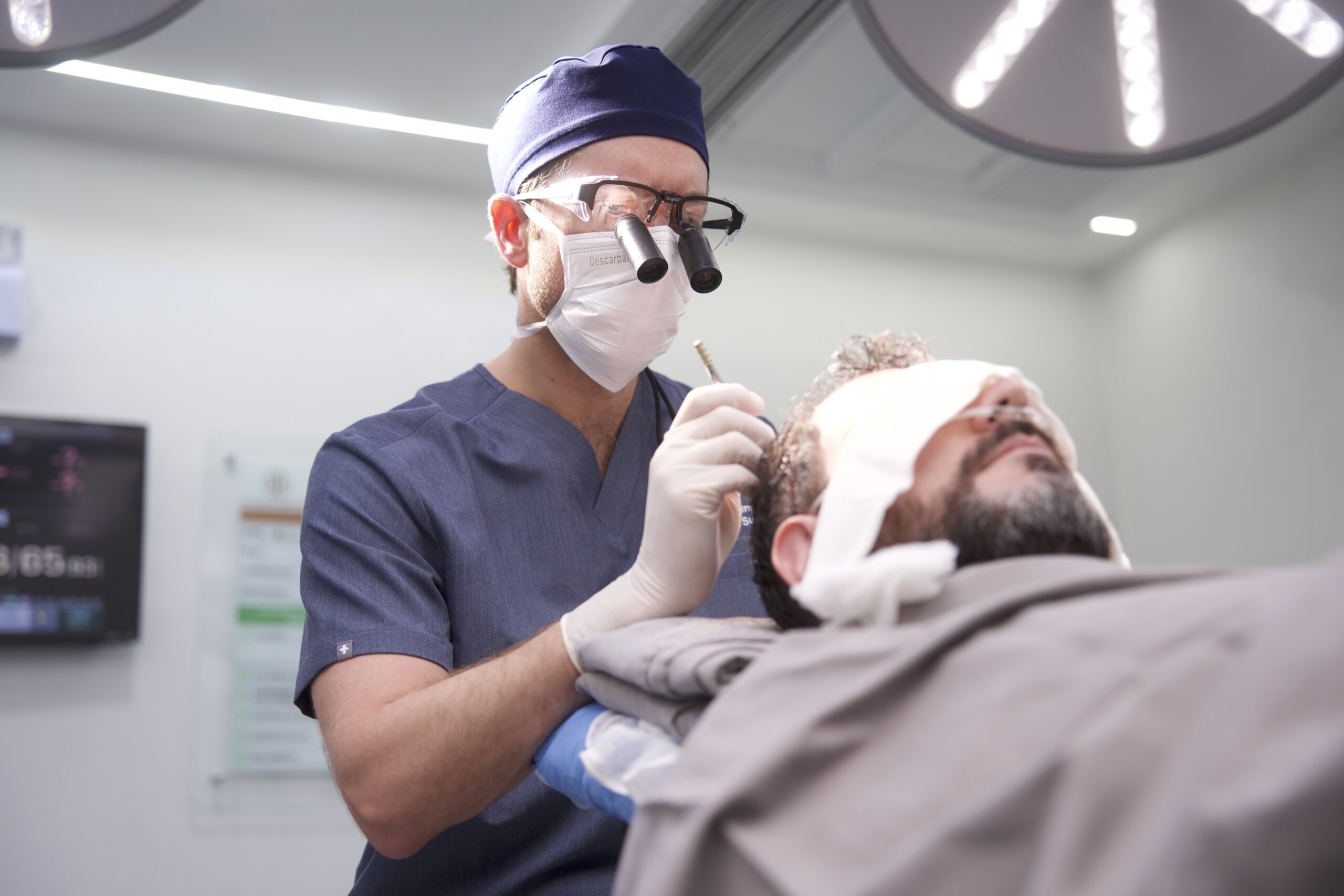
Evaluation helps determine whether finasteride is suitable. This includes assessing hair loss pattern, stage, and expectations. At Unshaven Hair Clinic, Dr. Ross Kopelman emphasizes individualized planning. The condition of the follicles and long-term goals guide treatment decisions.
Where Hair Transplant Fits In
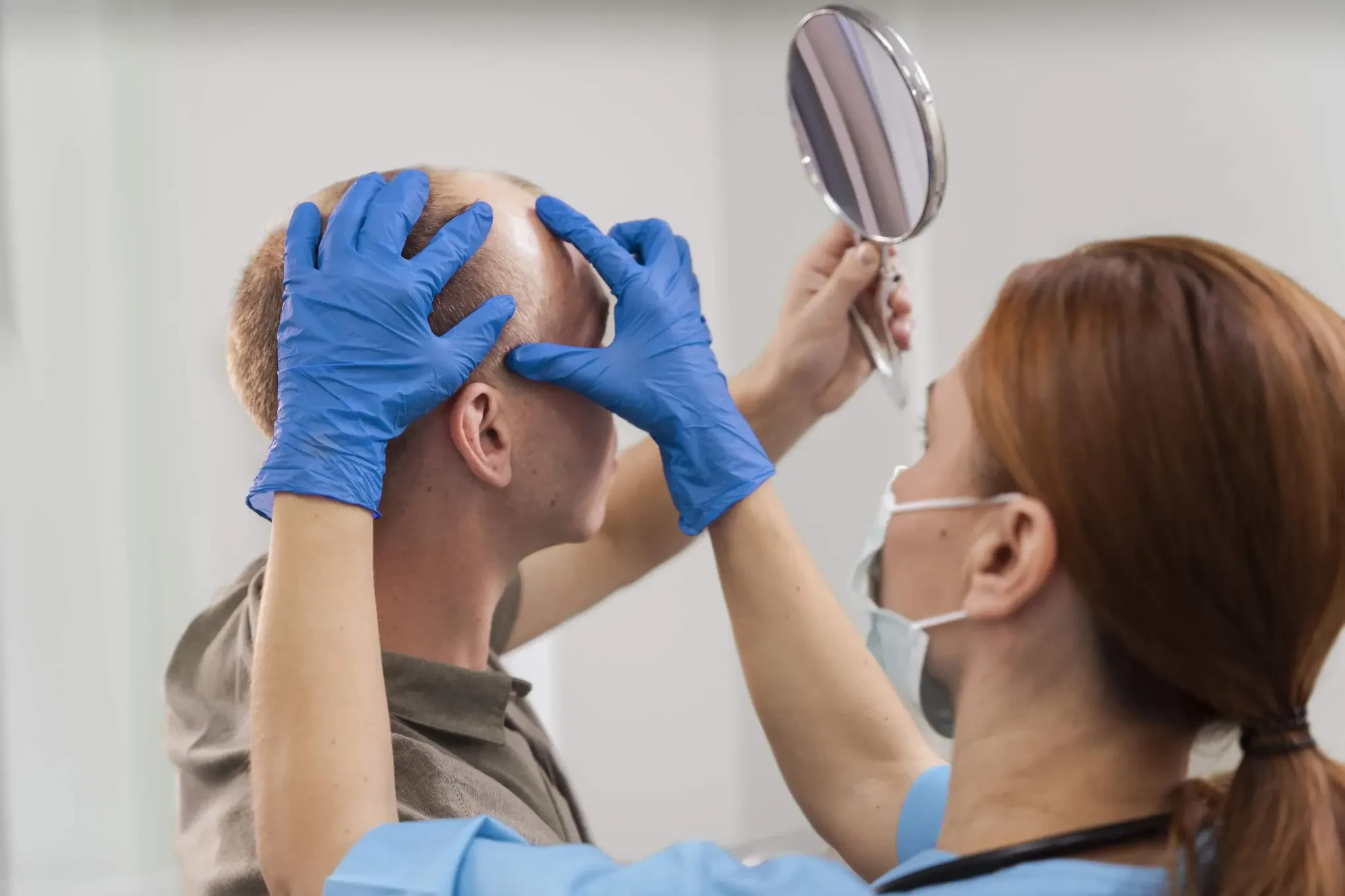
For advanced hair loss, additional options may be considered. Hair transplant procedures can restore density in areas without active follicles. Techniques such as shaveless FUE allow for more discreet procedures. Dr. Ross Kopelman is known for this approach, which focuses on natural-looking results.

Ready to Take the Next Step?
Whether you are just starting to notice thinning or already exploring hair trasplant options.
Dr. Kopelman offers personalized consultations tailored to your goals.
Ready to Take the Next Step?
Whether you are just starting to notice thinning or already exploring hair trasplant options, Dr. Kopelman offers personalized consultations tailored to your goals.
Realistic Expectations and Bottom Line
Finasteride is best understood as a stabilizing treatment. It can slow or stop hair loss and may support modest regrowth in some individuals. For those asking if finasteride can regrow hair, results depend on timing and follicle health. It does not fully restore lost hair, but it can play an important role in long-term hair loss management.