Key Takeaways
- Minoxidil may help some people grow hair more effectively, but it does not simply make all hair grow faster.
- The main benefit is often thicker-looking, denser hair in areas where follicles are still active.
- Minoxidil works best for certain thinning patterns, not for hair breakage, scalp scarring, or long-bald areas.
- Results usually take several months, and stopping minoxidil can lead to gradual shedding of hair that depended on it.
- Different forms, including spray, foam, liquid, and tablets, have different tradeoffs, so the best option depends on the person’s scalp, goals, and safety factors.
Does Minoxidil Make Hair Grow Faster?
The question of whether minoxidil makes hair grow faster has a careful answer. Minoxidil may help certain hairs stay in the growth phase longer, which can improve density and coverage over time. It is not a guaranteed shortcut for normal hair growth.
If you ask whether minoxidil makes your hair grow faster, the answer depends on the cause of thinning. Minoxidil works best when a hair follicle is still active but weak. It is less helpful for breakage, scarring, or long-term baldness.
What Does Minoxidil Do?
What does minoxidil do? It supports follicles that can still produce hair. It may help miniaturized hairs become thicker, look stronger, and be more visible.
Minoxidil does not create new follicles or repair damaged hair shafts. Its main role is to support follicle activity in certain forms of hair loss. This makes it more useful for thinning than for split ends or heat damage.
How Does Minoxidil Work?
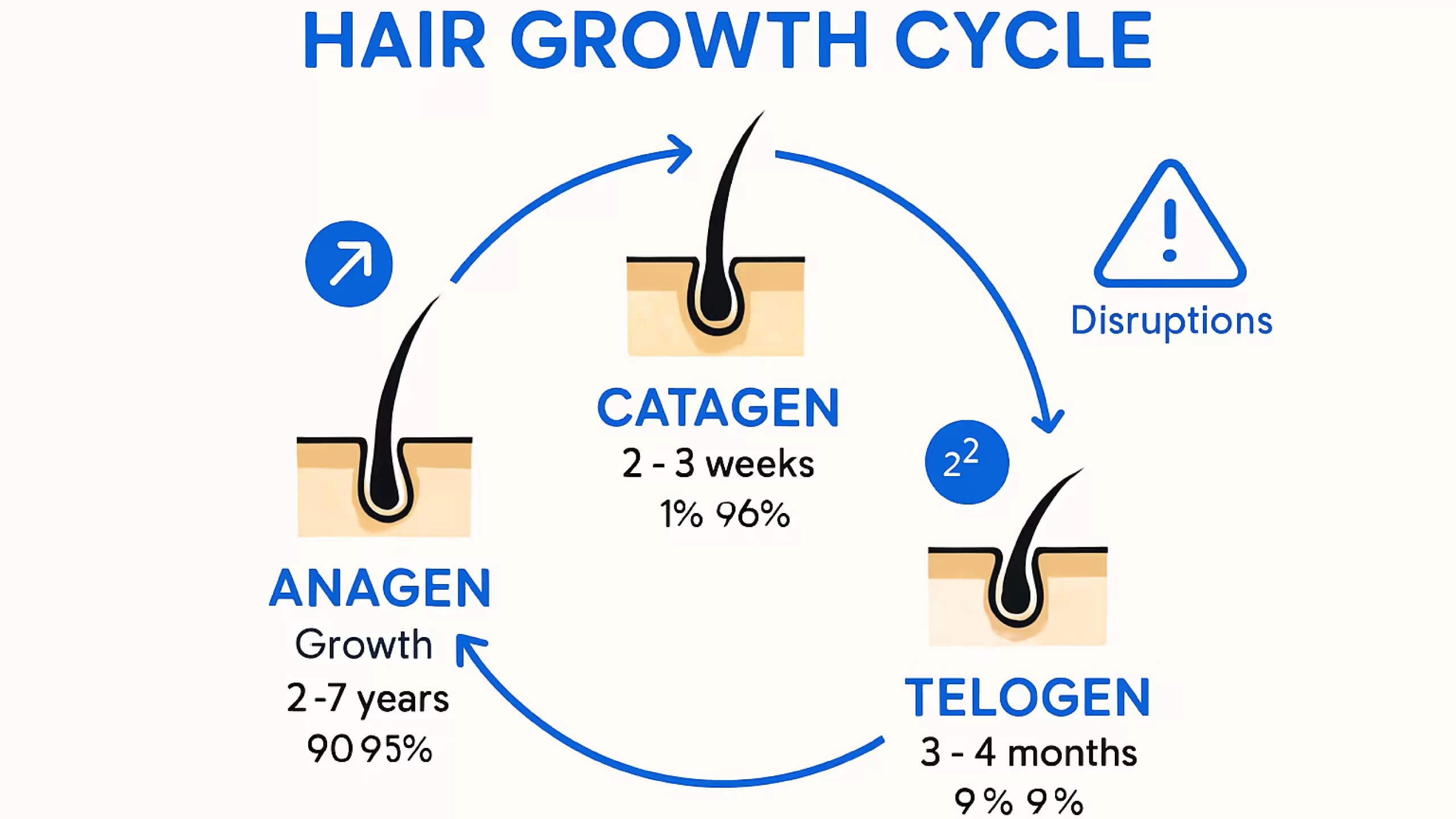
How does minoxidil work? It appears to affect the hair growth cycle by helping some follicles stay longer in the active growth phase. This is why many users notice better density more than faster length.
Does Minoxidil Make Hair Grow Faster, Thicker, or Longer?
Minoxidil may support faster growth in some cases, but thickness and density are more realistic goals. The hair may look fuller because more strands stay active or become thicker. Results depend on hair loss pattern, follicle health, and consistency.
So, does minoxidil grow hair? It may help existing weak follicles produce better hair. It usually cannot restore robust growth in areas where follicles are no longer active.
Can Rogaine Make Hair Grow Faster?
Can Rogaine make hair grow faster? Rogaine is a brand name for topical minoxidil, so it works through the same active ingredient. It may improve growth in thinning areas, but it is not a quick fix for slow-growing, healthy hair.
Does Minoxidil Make Hair Grow Faster for Women?
Women may use minoxidil for widening parts, reduced density, certain thinning patterns, or cases of stress-related alopecia. The search for minoxidil to make hair grow faster often stems from women comparing hair growth products for women who want faster length, but the treatment is mainly for thinning hair.
Evaluation can separate pattern loss from shedding, iron issues, thyroid problems, stress, or inflammation.
Who Should Consider Minoxidil?
Minoxidil may help people with:
- Early pattern hair loss, crown thinning
- Diffuse thinning
- Widening part
It is most useful when follicles remain alive and responsive. It may be less useful for advanced baldness, scalp disease, or hair breakage.
Is 20 too early to start minoxidil?
Not always, but age alone should not decide treatment. A 20-year-old with early pattern loss may need a different plan than someone with temporary shedding.
How Long Does Minoxidil Take to Work?
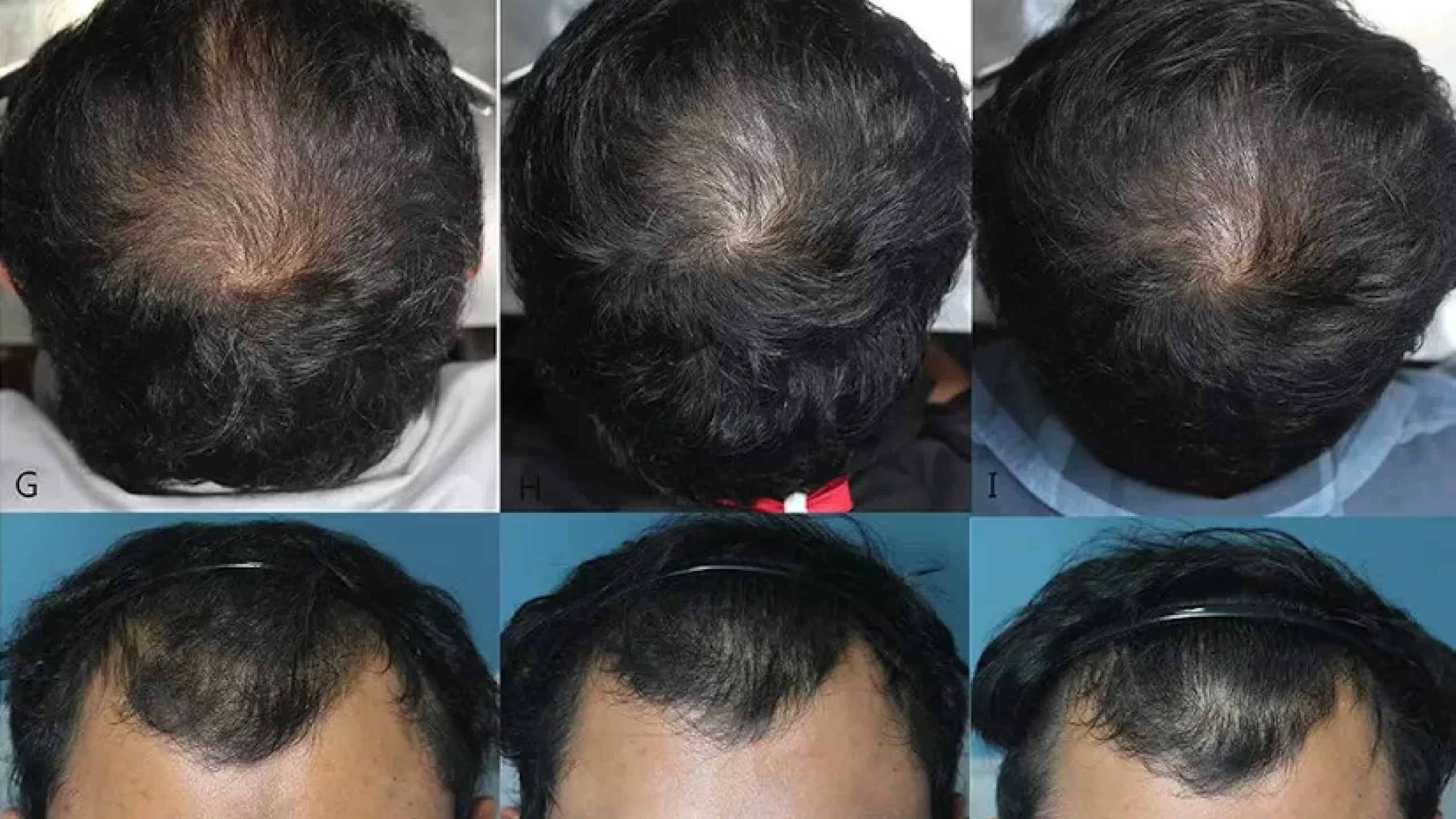
Most users need several months before judging the results. Some people shed more in the first few weeks because older resting hairs shed as the cycle changes. Clearer results often take six to twelve months.
Missed Doses, Stopping, and Downsides
Missing one day usually does not ruin progress. The bigger issue is inconsistent use over many weeks. If you miss a day, return to the normal routine rather than applying extra product.
Stopping minoxidil can lead to the gradual shedding of hair that depended on it. Downsides include dryness, itching, flaking, temporary shedding, greasy residue, and unwanted facial hair. Reddit concerns often mention these issues, but user stories should not replace medical evaluation.
Minoxidil Spray, Foam, Liquid, and Tablets
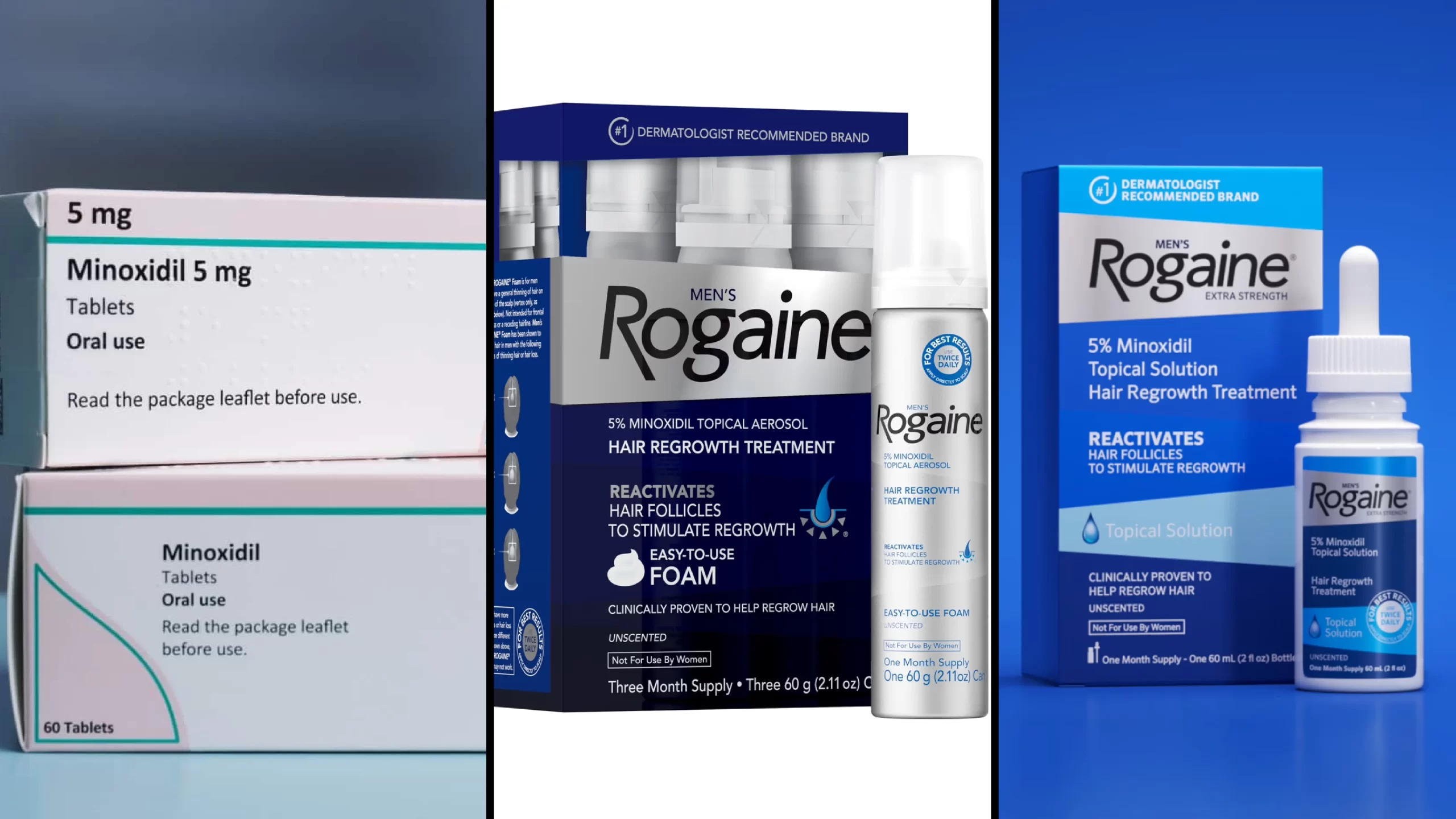
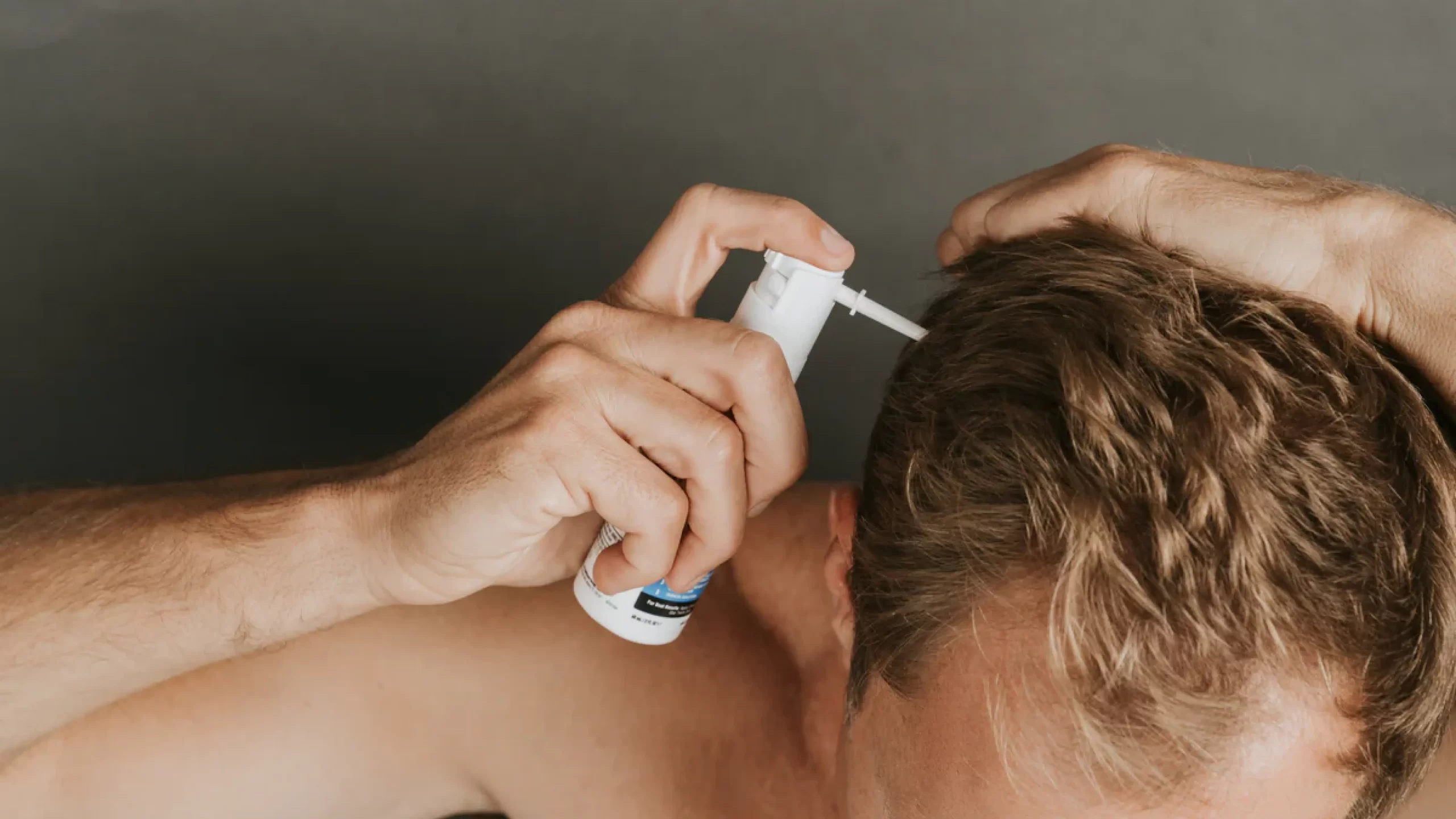
A minoxidil spray can help users cover a larger area of thinning hair. Foam may feel cleaner, and liquid may reach the scalp more easily through dense hair. The best form is the one a person can use regularly without irritation.
Oral minoxidil and minoxidil tablets for hair growth affect the body more broadly than scalp-applied products. A minoxidil 1.25 mg tablet for hair loss is often discussed online as a low-dose option. Even low doses can have side effects, including swelling, dizziness, a faster heart rate, or unwanted body hair.
Finasteride, the Big 3, and Hair Transplants
Finasteride works differently from minoxidil. It targets the hormonal pathway linked to male pattern hair loss, while minoxidil supports hair growth at the follicle level. The “Big 3” usually refers to minoxidil, finasteride, and ketoconazole shampoo.
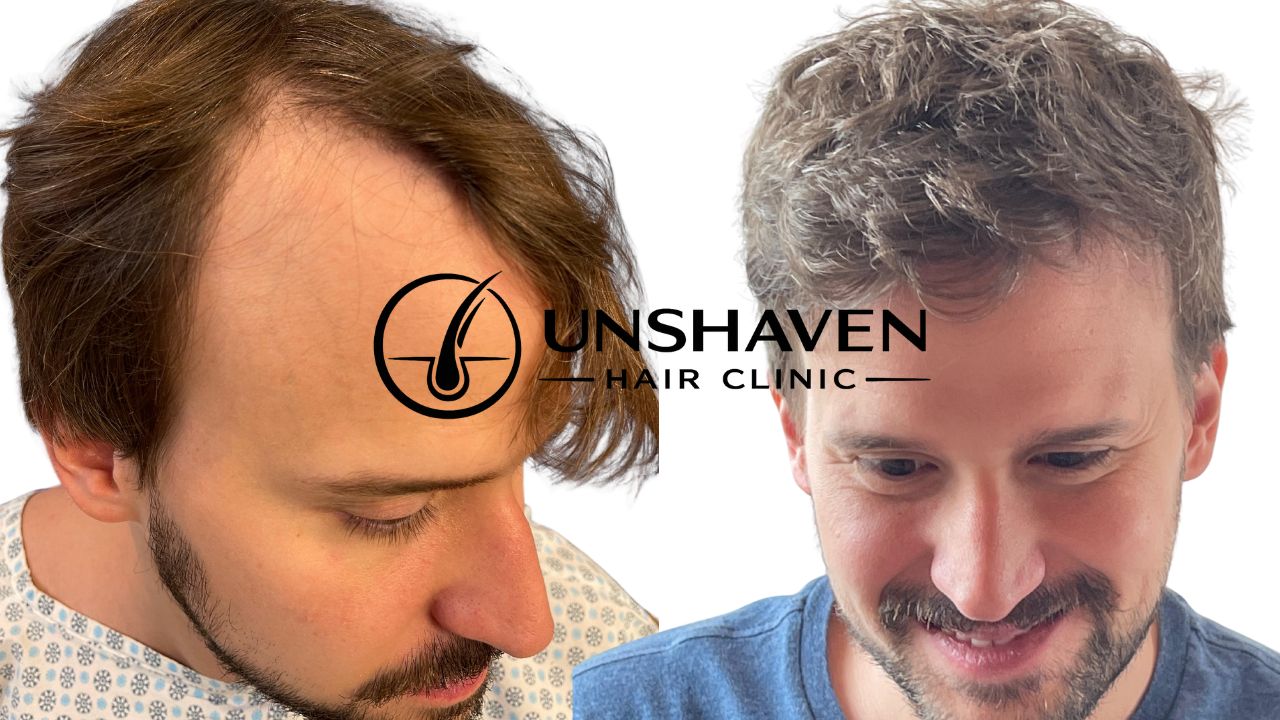
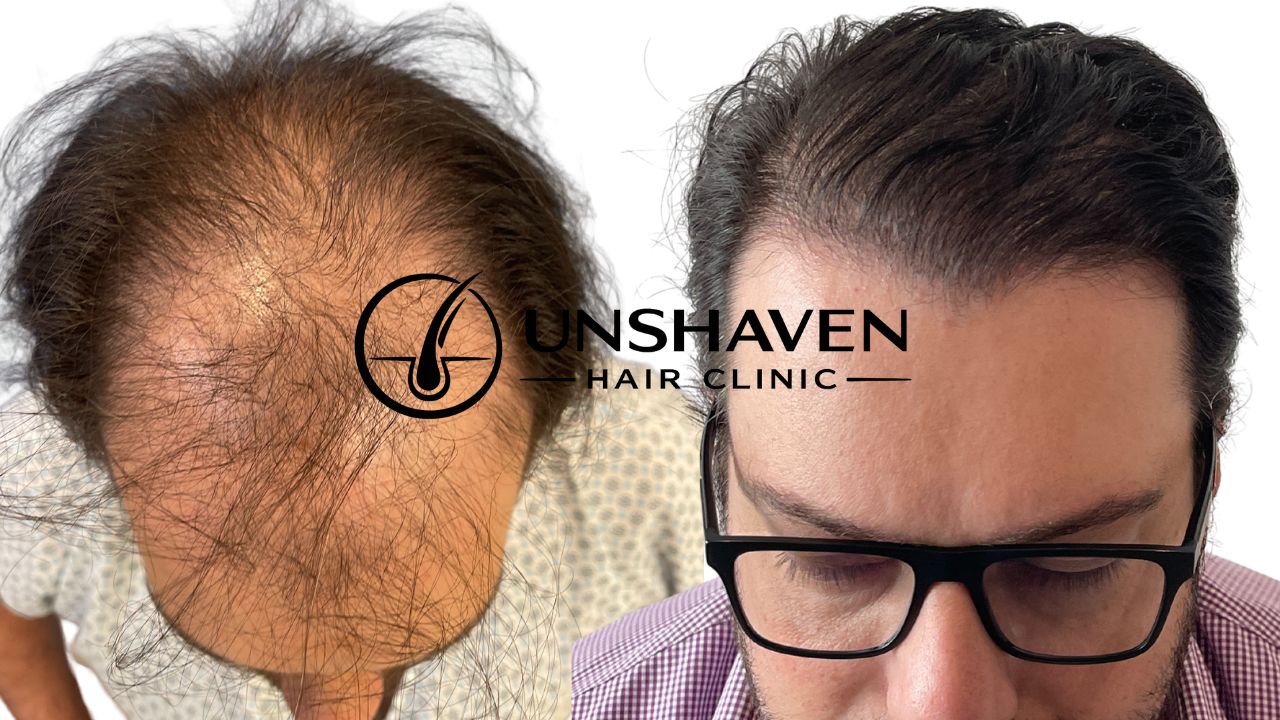
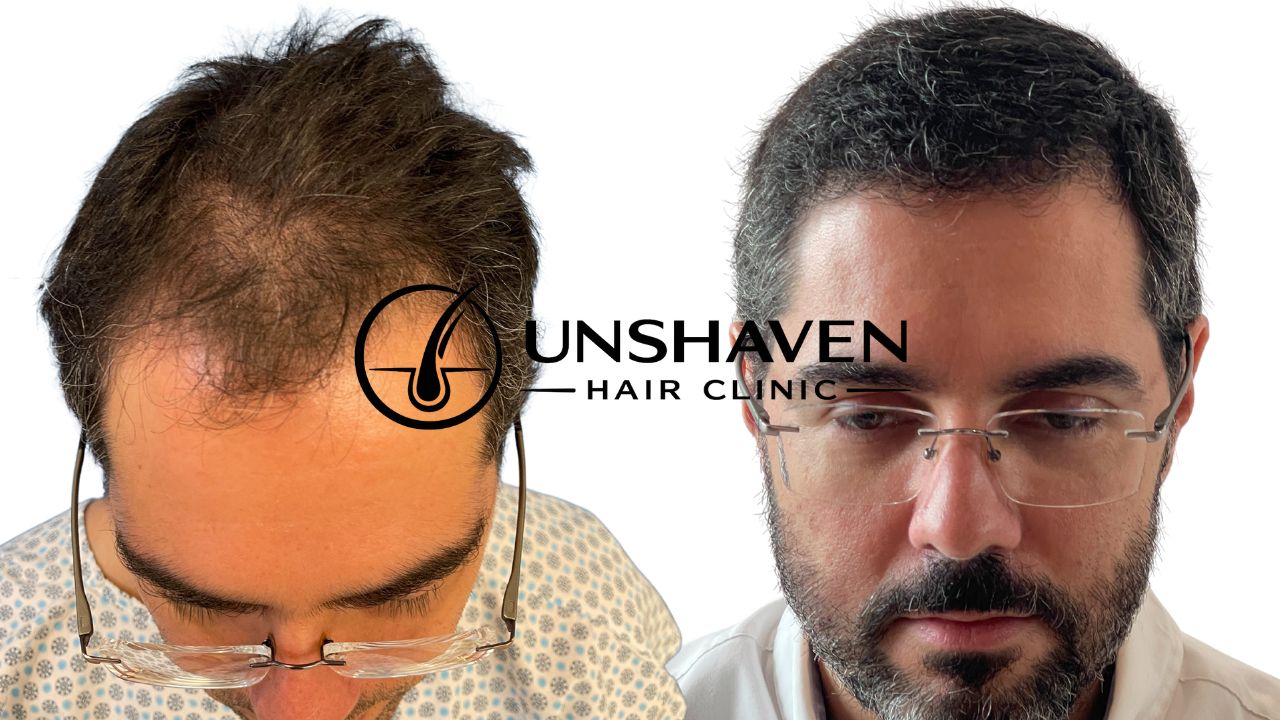
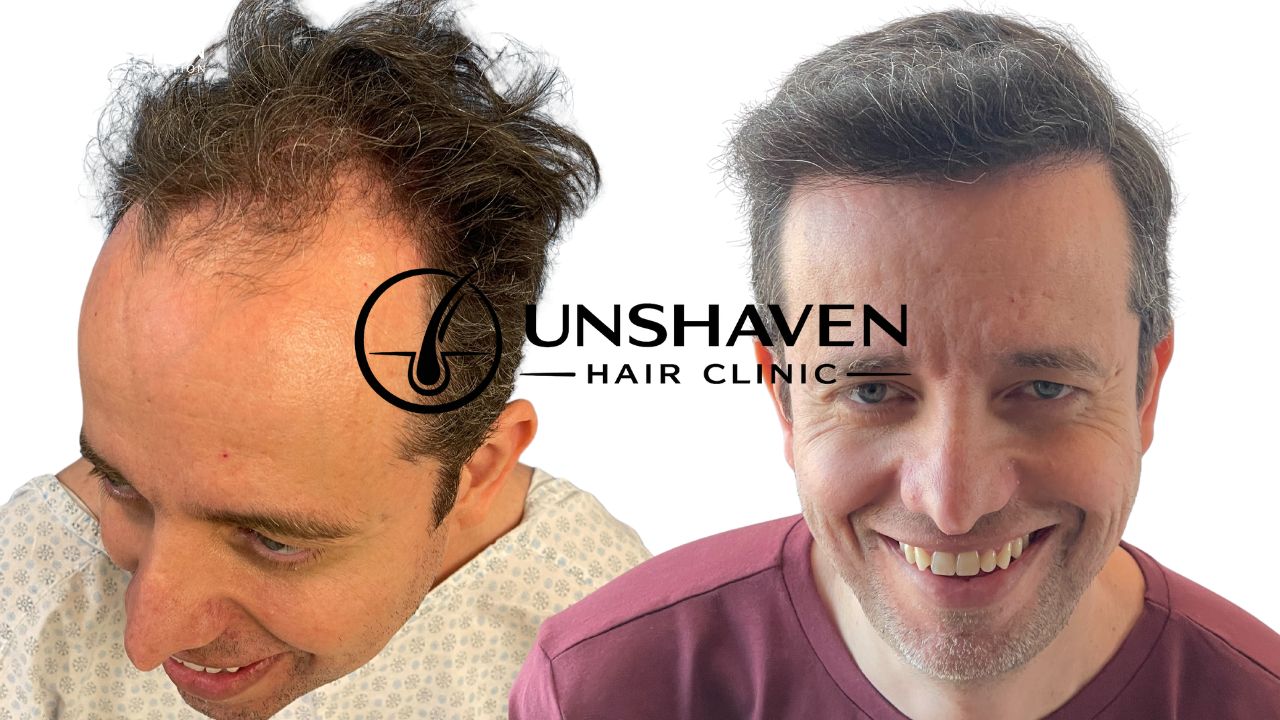
Minoxidil supports existing follicles, while a hair transplant moves healthy donor follicles into thinning or bald areas. At Unshaven Hair Clinic, treatment planning may include medical therapy, shaveless FUE, or both when appropriate. Results vary, and candidacy depends on donor supply, hair loss pattern, and long-term goals.

Ready to Take the Next Step?
Whether you are just starting to notice thinning or already exploring hair trasplant options.
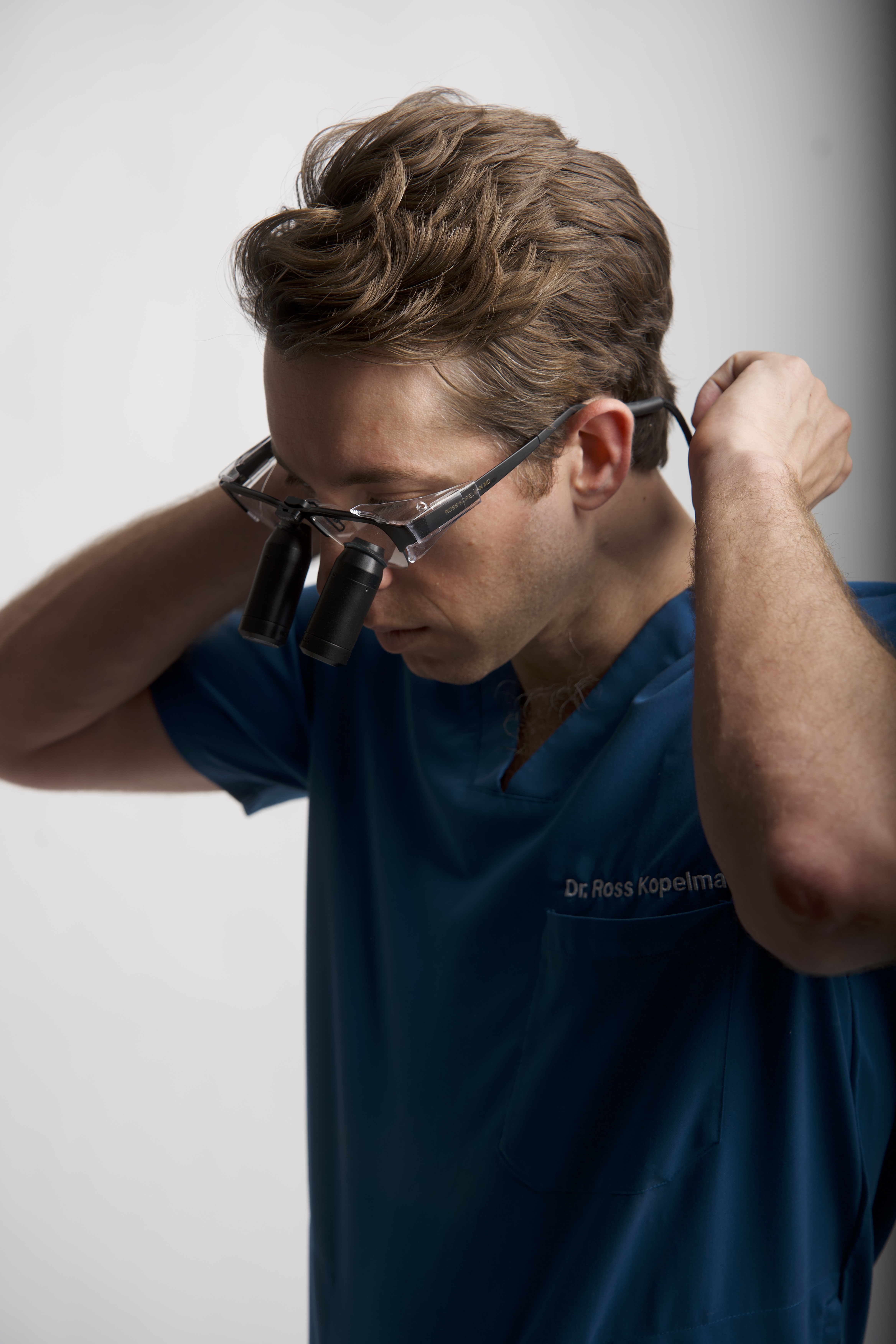
Dr. Kopelman offers personalized consultations tailored to your goals.
Ready to Take the Next Step?
Whether you are just starting to notice thinning or already exploring hair trasplant options, Dr. Kopelman offers personalized consultations tailored to your goals.
Final Answer: Does Minoxidil Make Hair Grow Faster?
So, does minoxidil make hair grow faster? It can help some people grow hair more effectively, but the main benefit is often thicker-looking, denser hair over time. It works best when follicles are still active, the diagnosis fits, and the user stays consistent.