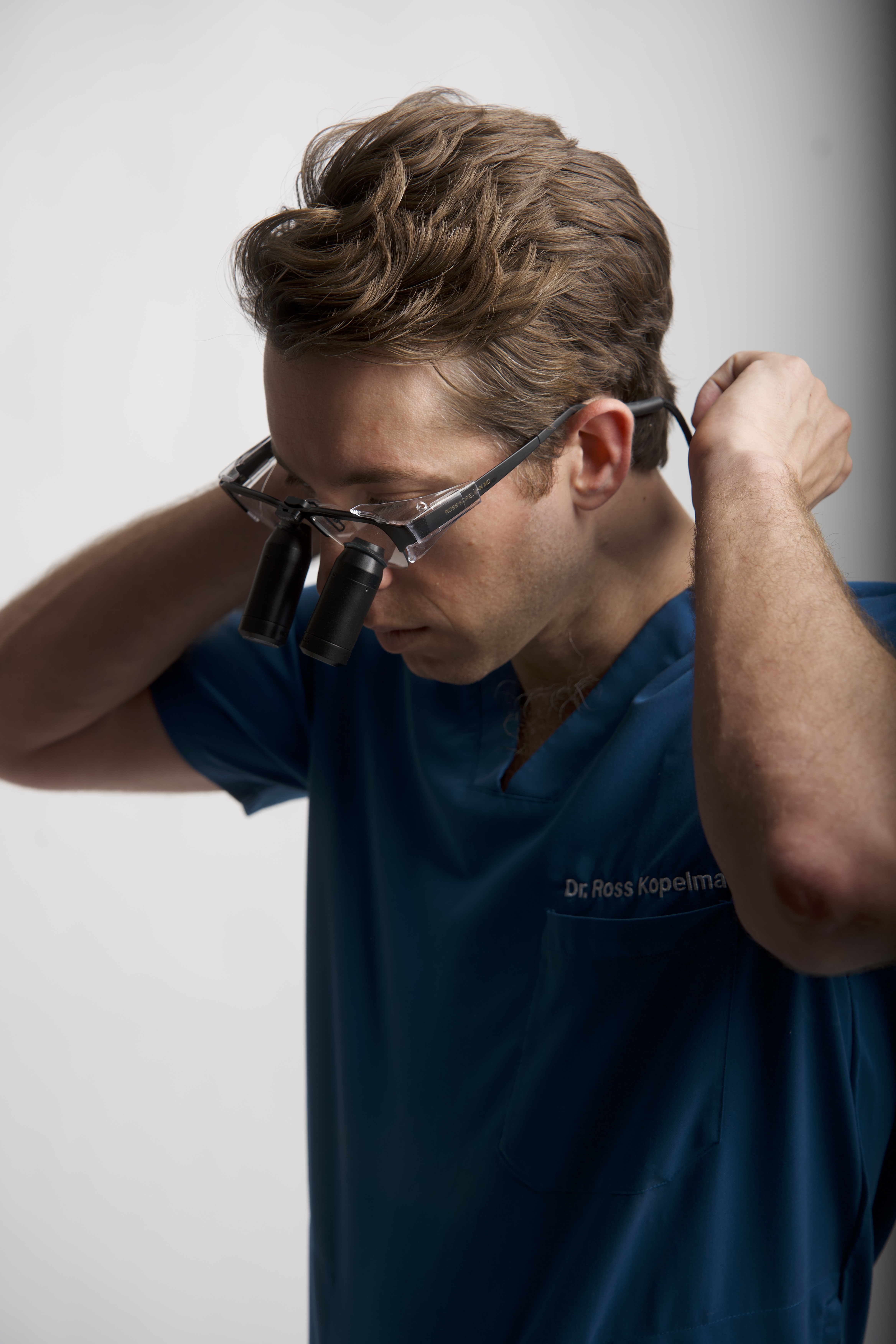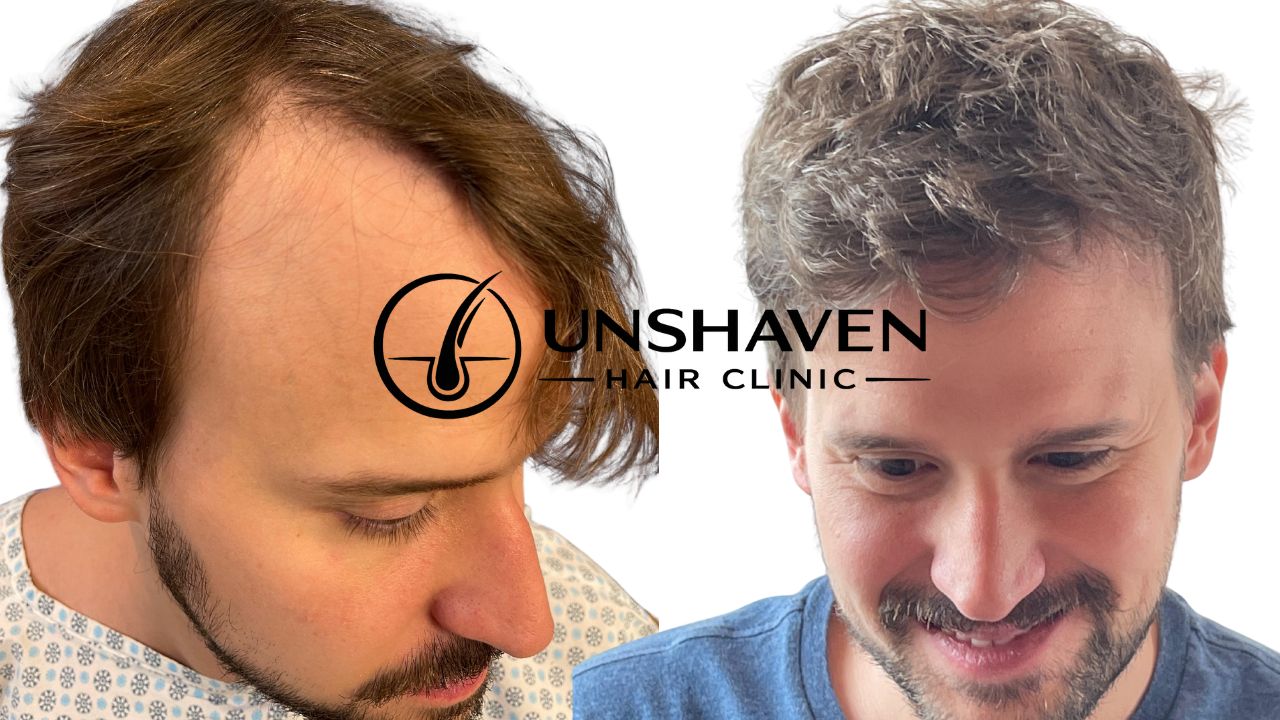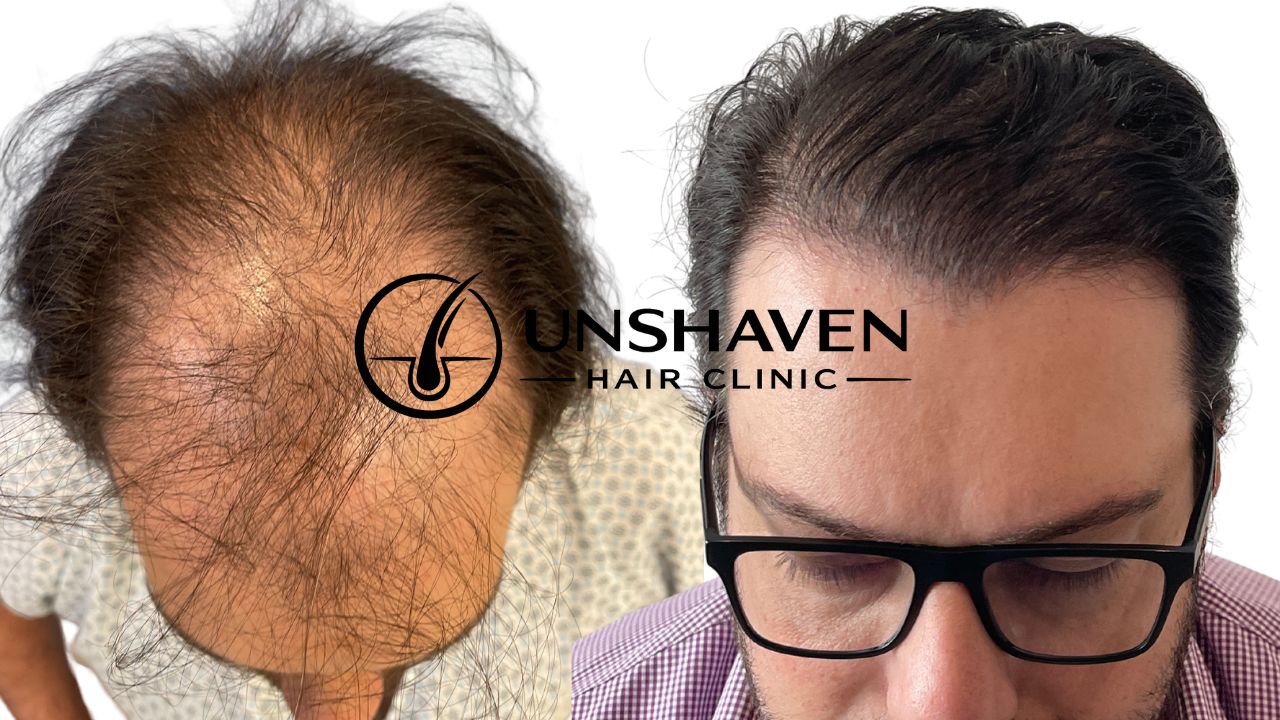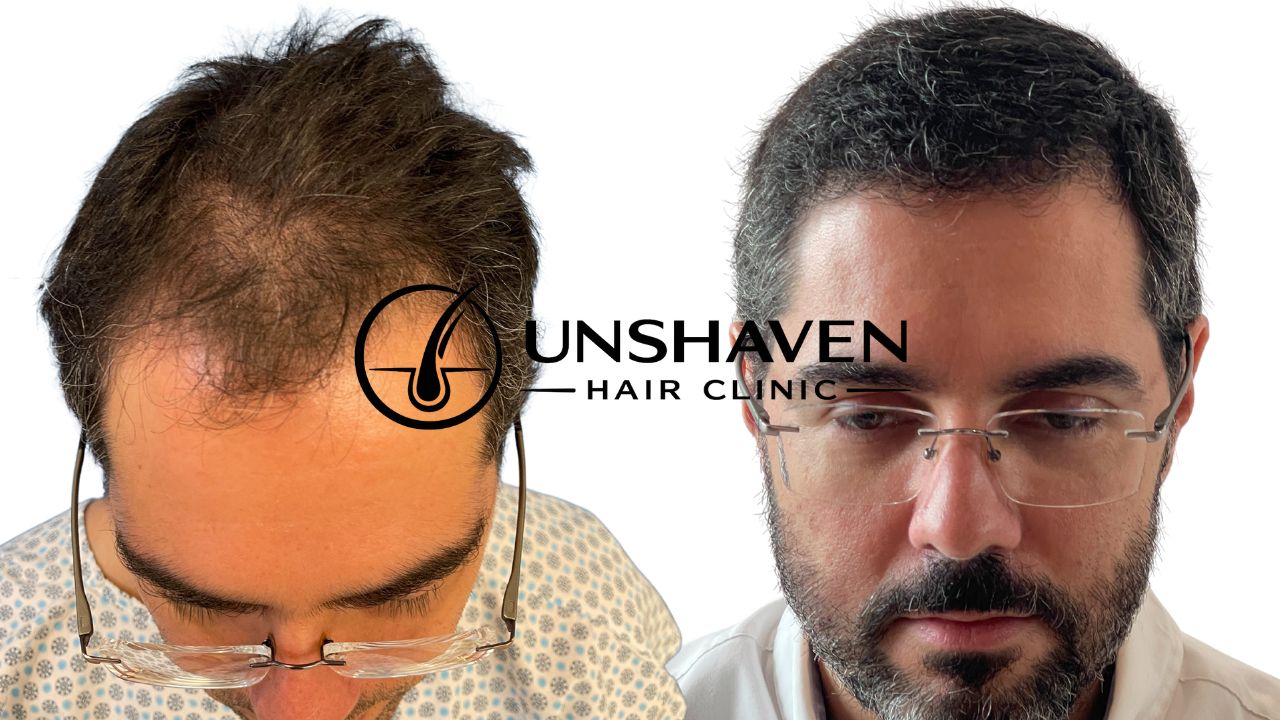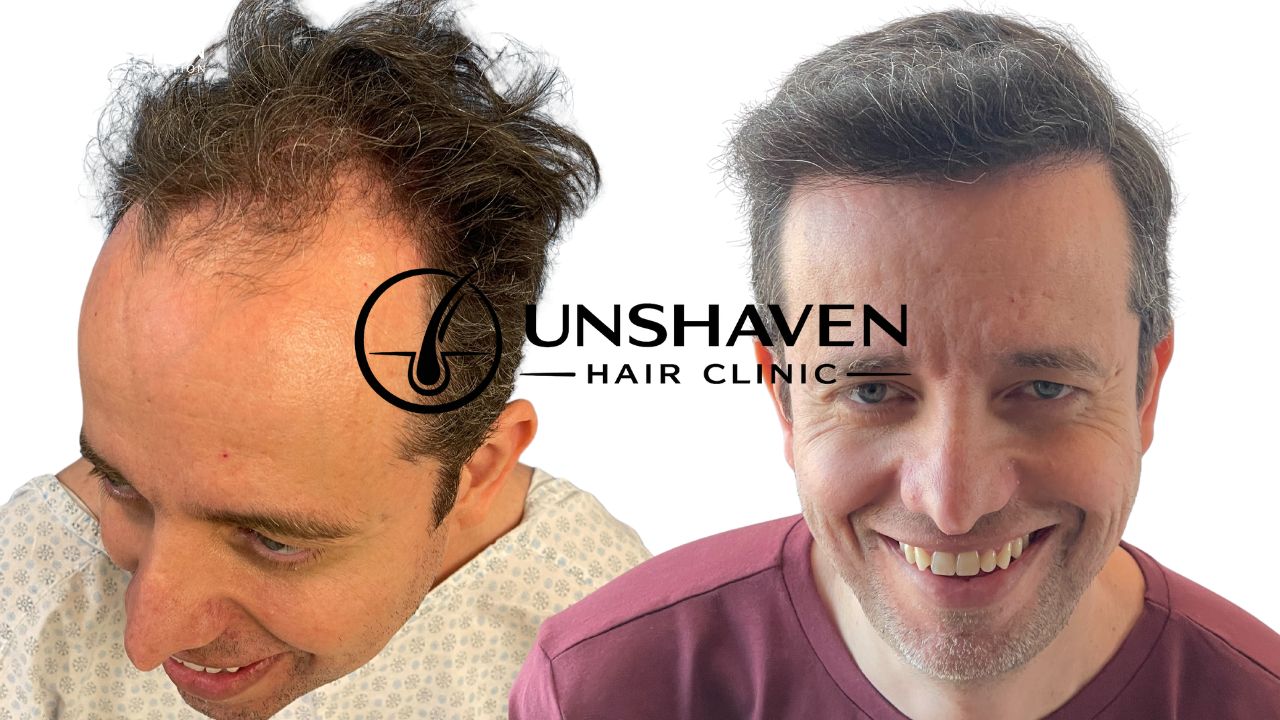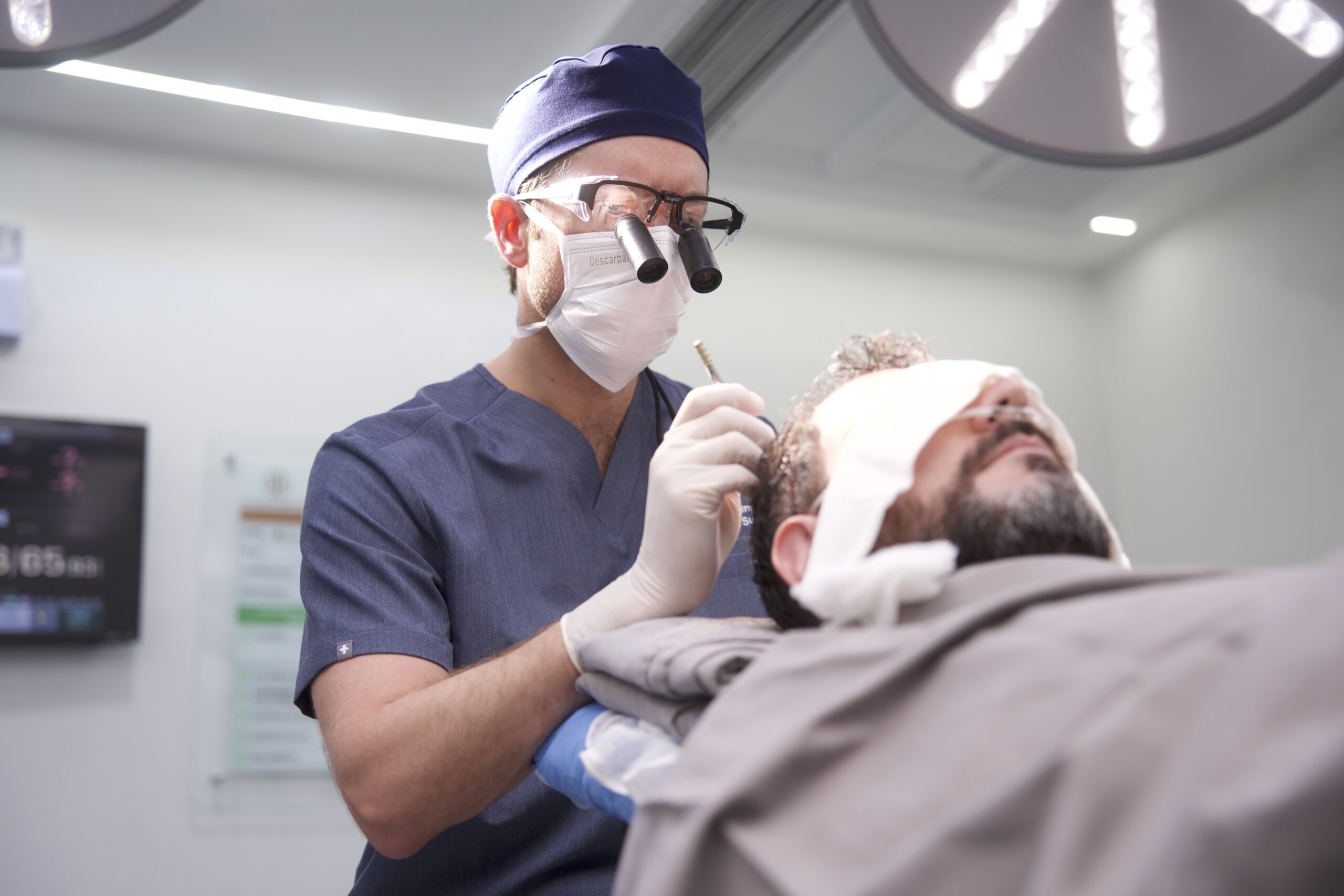
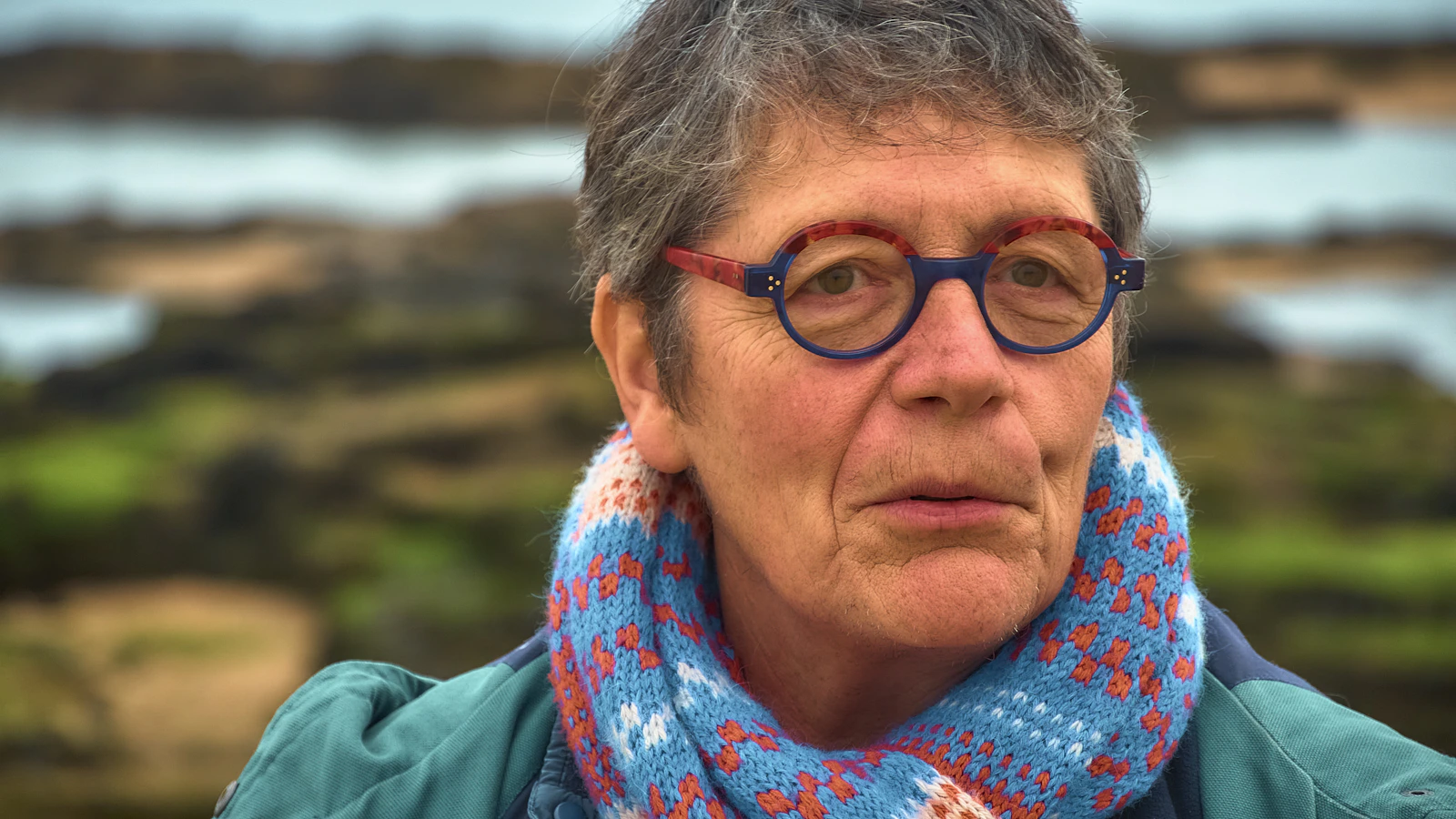
At Unshaven Hair Clinic, Dr. Ross Kopelman, an expert in hair restoration and shaveless FUE, sees this daily: age-related changes in hair density are common, driven by a mix of hormones, genetics, and overall health
In most cases, they are manageable with the right treatment plan.
Key Takeaways
- Most women experience some degree of hair volume loss with age, especially after menopause, due to hormonal changes and gradual follicle shrinkage.
- Hair loss in older women typically appears as diffuse thinning rather than bald spots, with common signs including a widening part and reduced overall density.
- Causes often involve a combination of genetics, hormones, aging follicles, and underlying health factors, making proper evaluation important before starting treatment.
- Treatment options may help slow progression and support regrowth, but results vary and usually require consistent, long-term use to maintain benefits.
- Hair transplant procedures may be suitable in select cases, but candidacy depends on factors like donor hair availability and the pattern of thinning.
Do Older Women Lose Hair Volume Over Time?
Hair volume often decreases with age, especially after menopause. Many women notice their hair feels thinner, even if they are not shedding large amounts daily. This change happens slowly and may go unnoticed at first.
In most cases, the answer to do older women lose hair volume is tied to natural biological changes. Hair strands become finer, and fewer hairs grow at the same time. Over time, this creates the appearance of less fullness.
What Hair Loss in Older Women Looks Like
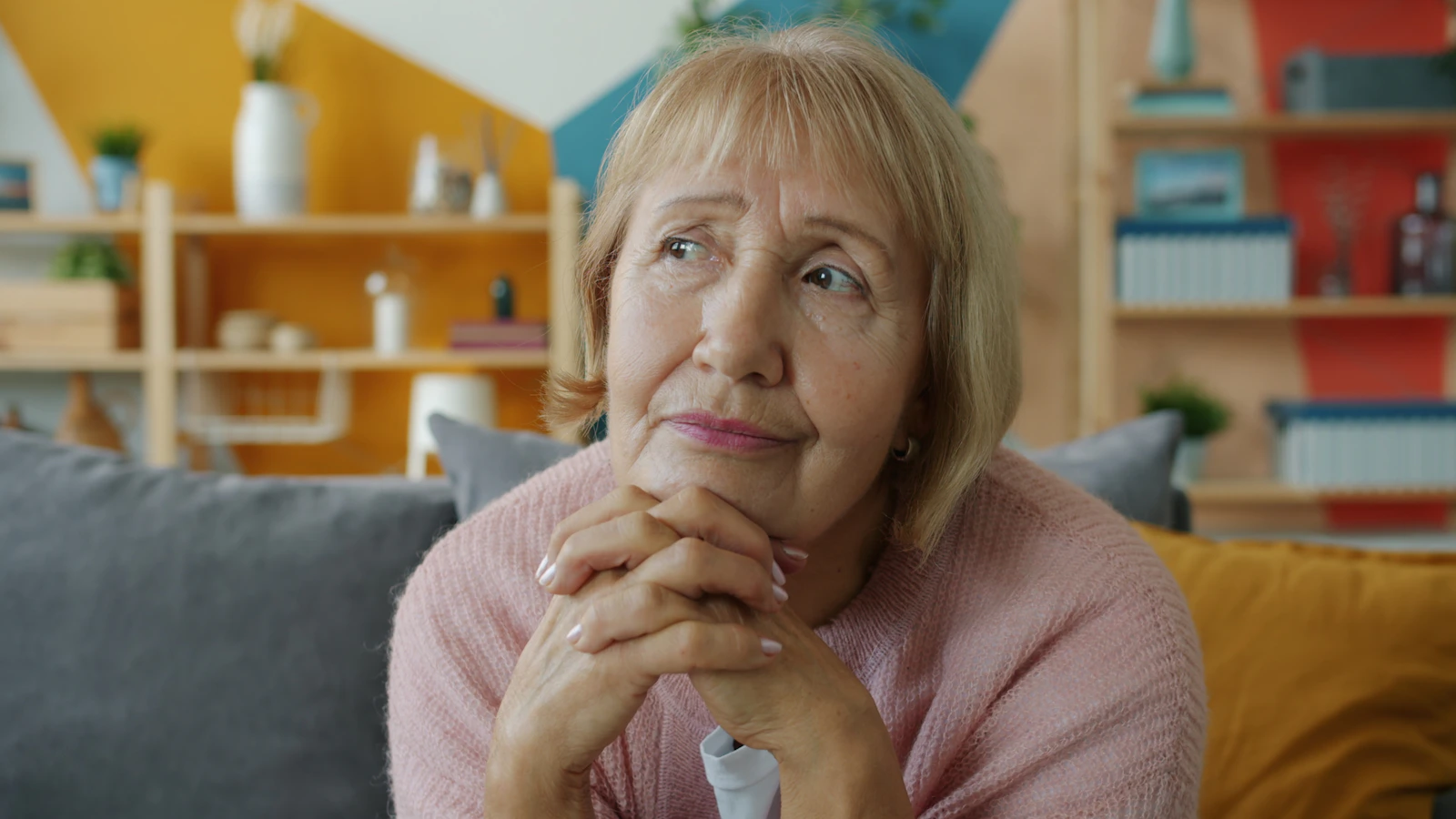
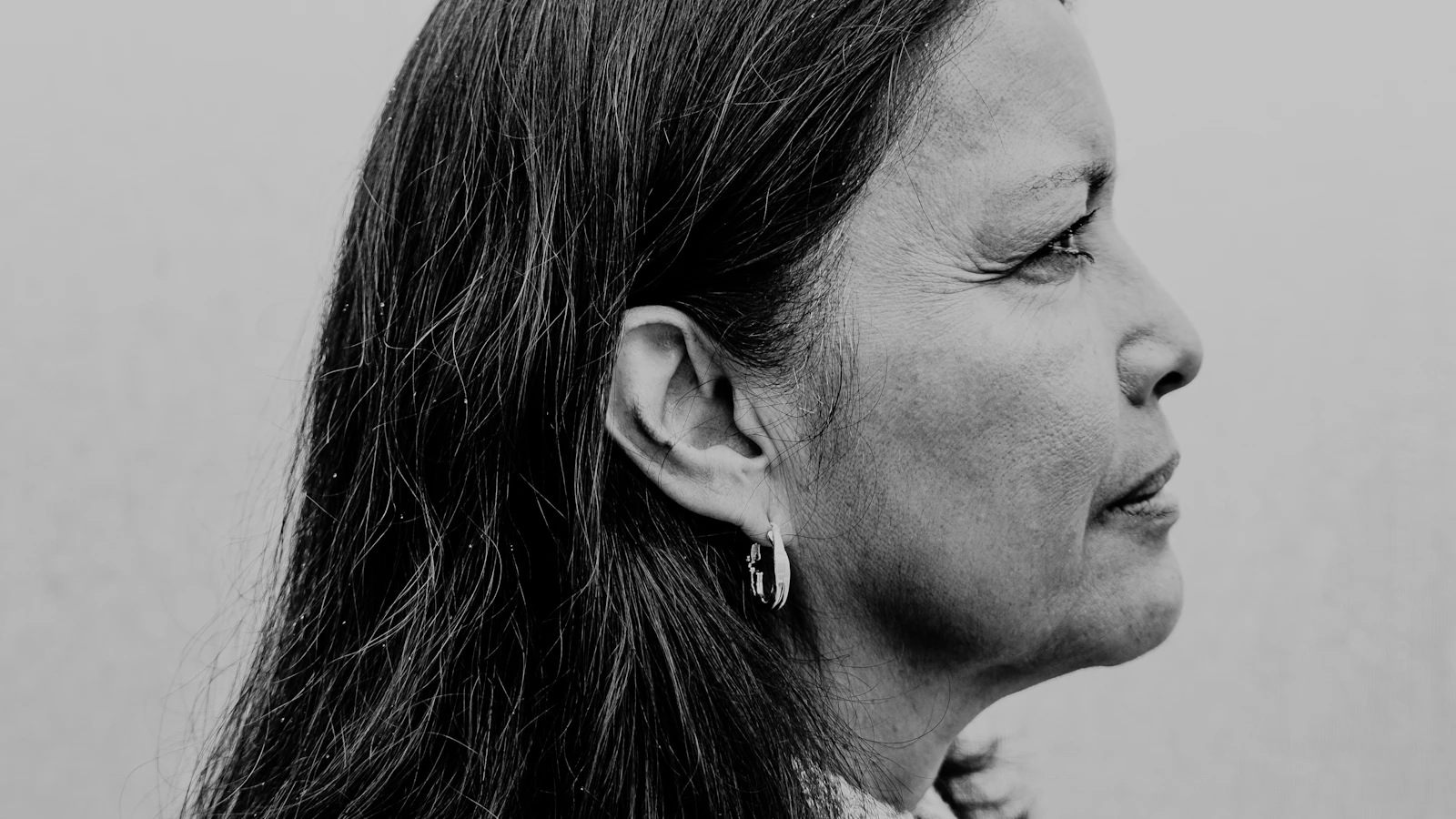
Hair loss in older women usually appears as overall thinning rather than bald spots. Many thinning hair ladies describe a wider part or less volume when styling their hair. The scalp may become more visible, especially under bright light.
This pattern is known as diffuse thinning. It is common in thinning hair in women over 60 and tends to affect the top and crown areas. Unlike men, most women keep their hairline, but density decreases.
What Causes Hair Loss in Women Over 60
Many people ask what causes hair loss later in life. The answer often involves a combination of factors rather than one single cause. Hormones, genetics, and aging all play a role.
After menopause, hormonal changes linked to thinning hair affect the hair growth cycle. Hair may grow more slowly and fall out sooner. This is one of the main drivers of hair loss in women over 60.
Genetics also plays a major role. If family members experienced thinning, there is a higher chance of similar patterns. In addition, hair follicles shrink over time, producing finer strands.
At What Age Does Female Hair Thinning Start and Progress?
Hair thinning can begin earlier than many expect. Some women notice changes in their 30s or 40s, even if they do not connect it to long-term hair loss. Early signs may include less volume or increased shedding.
For many women, the most noticeable changes happen later. Hair loss in older women often becomes more visible in the 50s and 60s. This is when hormonal changes and follicle aging combine.
| Age Group | Women Affected | Key Finding |
|---|---|---|
| By age 29 | 12% | Early onset is uncommon but documented in some women. |
| By age 49 | 25% | Visible thinning can begin around menopause. |
| By age 69 | 41% | Nearly half of women show some FPHL by their late 60s. |
| By age 79 | >50% | Majority of women show pattern-type thinning by late 70s. |
| Age 80+ | ~57%* | Derived figure — most older women show some FPHL. |
Sources
Why Am I Losing So Much Hair? Temporary vs Progressive Loss
Some women experience sudden shedding, which can feel alarming. This type of hair loss is often temporary and may be linked to stress, illness, or nutritional changes. In these cases, hair may regrow once the trigger is resolved.
Progressive hair loss is different. It develops slowly and is often related to female pattern hair loss. Understanding the difference helps guide the right approach.
Common Hair Loss Patterns in Women
Hair loss does not look the same for everyone. Most women experience diffuse thinning across the scalp. This leads to reduced density rather than complete hair loss in one area.
Some women notice changes near the front. Female hair loss at the frontal hairline can appear as softer edges or less density around the temples. These patterns help guide evaluation and treatment options.
Medical Conditions That Can Affect Hair Loss
Certain medical conditions may contribute to hair thinning. Thyroid disorders, iron deficiency, and autoimmune conditions can affect hair growth. These issues may worsen existing thinning.
For a female with thinning hair, it is important to consider overall health. Addressing underlying conditions may improve hair quality. A proper evaluation helps identify these factors.
How Hair Loss Is Evaluated in Women
Evaluation starts with a detailed history. This includes when the hair loss began and how it has changed over time. Family history and lifestyle factors are also important.
A scalp exam helps assess density and hair thickness. In some cases, lab tests may be used to check for deficiencies or hormonal changes. The goal is to identify the cause before choosing treatment.
How to Stop Hair Loss in Elderly Women
Many people search for how to stop hair loss in elderly woman. The first step is identifying the cause. Without this, treatment may not be effective.
Most approaches focus on slowing hair loss and supporting regrowth. Results vary, and consistency is important. Early intervention often leads to better outcomes.
Medical Treatments That May Help
Topical treatments are commonly used to support hair growth. They may help extend the growth phase and improve density over time. Results usually take several months to appear.
Some treatments target hormonal factors that influence hair loss. These are used in select cases based on individual needs. Supportive therapies may also help improve scalp health.
How to Regrow Thinning Hair in Women
Many women want to know how to regrow thinning hair female. Regrowth depends on the cause and how early treatment begins. In some cases, hair can become thicker over time.
However, not all hair loss is fully reversible. The goal is often to improve density and slow further loss. Consistent care plays a key role in maintaining results.
Natural Remedies to Stop Hair Loss in Elderly Women
Natural approaches may support overall hair health. These include balanced nutrition, gentle hair care, and reducing scalp irritation. Protein, iron, and vitamins found in hair growth supplements are important for hair growth.
While helpful, natural remedies have limits. They may not reverse genetic hair loss on their own. They are best used as part of a broader approach.
Hair Transplant Options for Older Women
Hair transplant surgery may be an option for some women. It involves moving healthy follicles to areas with thinning. This can improve density in specific areas.
Candidacy depends on several factors. These include donor hair availability and the pattern of thinning. Diffuse thinning can make surgery more challenging.
Some clinics specialize in discreet procedures such as shaveless FUE. This approach allows patients to avoid shaving large areas of the scalp. It may be preferred by women who want a more private recovery.
Recovery Timeline and Realistic Results
Hair restoration takes time. After treatment, early shedding may occur before new growth begins. This is a normal part of the process.
Visible improvement often takes several months. Full results may take up to a year, depending on the method used. Patience is important during this period.
Results vary between individuals. Factors such as hair type, density, and overall health all play a role. Realistic expectations help guide decision-making.
What Are the Top Five Things for an Older Woman Losing Her Hair?
A practical approach can help simplify the process. Many women benefit from focusing on key steps.
- Get a proper evaluation to identify the cause
- Address any underlying health issues
- Start treatment early when possible
- Use supportive therapies if needed
- Maintain realistic expectations
These steps provide a structured way to approach hair loss in older women.
Ready to Take the Next Step?
Whether you are just starting to notice thinning or already exploring hair trasplant options.
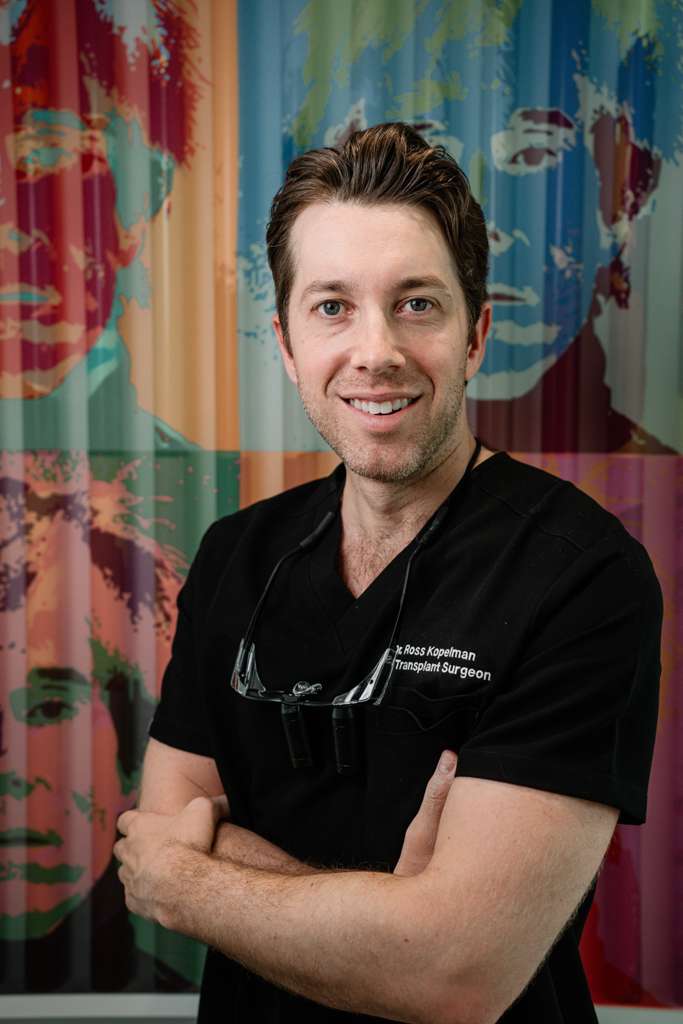
Dr. Kopelman offers personalized consultations tailored to your goals.
Ready to Take the Next Step?
Whether you are just starting to notice thinning or already exploring hair trasplant options, Dr. Kopelman offers personalized consultations tailored to your goals.
When to See a Doctor for Hair Loss
It may be helpful to seek evaluation if hair thinning continues over time. A widening part or increased scalp visibility may signal progressive hair loss. Sudden shedding that lasts several months should also be checked.
Early evaluation can help identify reversible causes. It can also guide treatment decisions before thinning becomes more advanced.