
Key Takeaways
- Clinically proven hair growth is limited to a small number of treatments that affect hair follicles, while most hair growth products mainly improve appearance rather than true regrowth.
- The effectiveness of any treatment depends on the underlying cause of hair loss, which is why there is no single best hair growth product for everyone.
- Supplements and cosmetic products can support hair health, but they are unlikely to restore hair in cases of genetic or hormone-related hair loss.
- Hair loss in women and conditions like thyroid or autoimmune disorders often require a more personalized and medically guided approach.
- Hair transplant procedures can provide more permanent results in selected cases, but candidacy depends on factors such as donor hair availability and long-term hair loss patterns.
Is There Anything Clinically Proven to Grow Hair?
Yes, a few treatments have strong clinical support and can help slow hair loss or support regrowth. When people refer to clinically proven hair growth, they are usually describing treatments that affect how hair follicles function. These options work at the biological level rather than just improving appearance.
Results vary based on the individual and the stage of hair loss. Most treatments require consistent use over several months before changes are visible. No single option works for everyone, which is why expectations should remain realistic.
What Hair Growth Products Do and Why Many Do Not Work
Hair growth products aim to support the hair cycle, improve scalp health, or reduce shedding. Some products extend the growth phase, while others focus on strengthening existing hair. Their effectiveness depends on whether they target the underlying cause of hair loss.
Many products fail because they do not affect the biology of the hair follicle, which is why some people also look into methods to stop hair fall naturally. This is why the idea of best hair growth should be based on evidence rather than marketing.
Clinically Proven Treatments vs Popular Hair Growth Products
Medically Proven Treatments
Clinically supported treatments focus on slowing hair loss and improving follicle activity. These are often considered when discussing the best hair growth products with real evidence. They can help maintain density and improve thickness over time.
These treatments require consistency and patience. Results develop gradually and are not guaranteed. They are often part of a long-term plan rather than a quick fix.
Serums and Shampoos
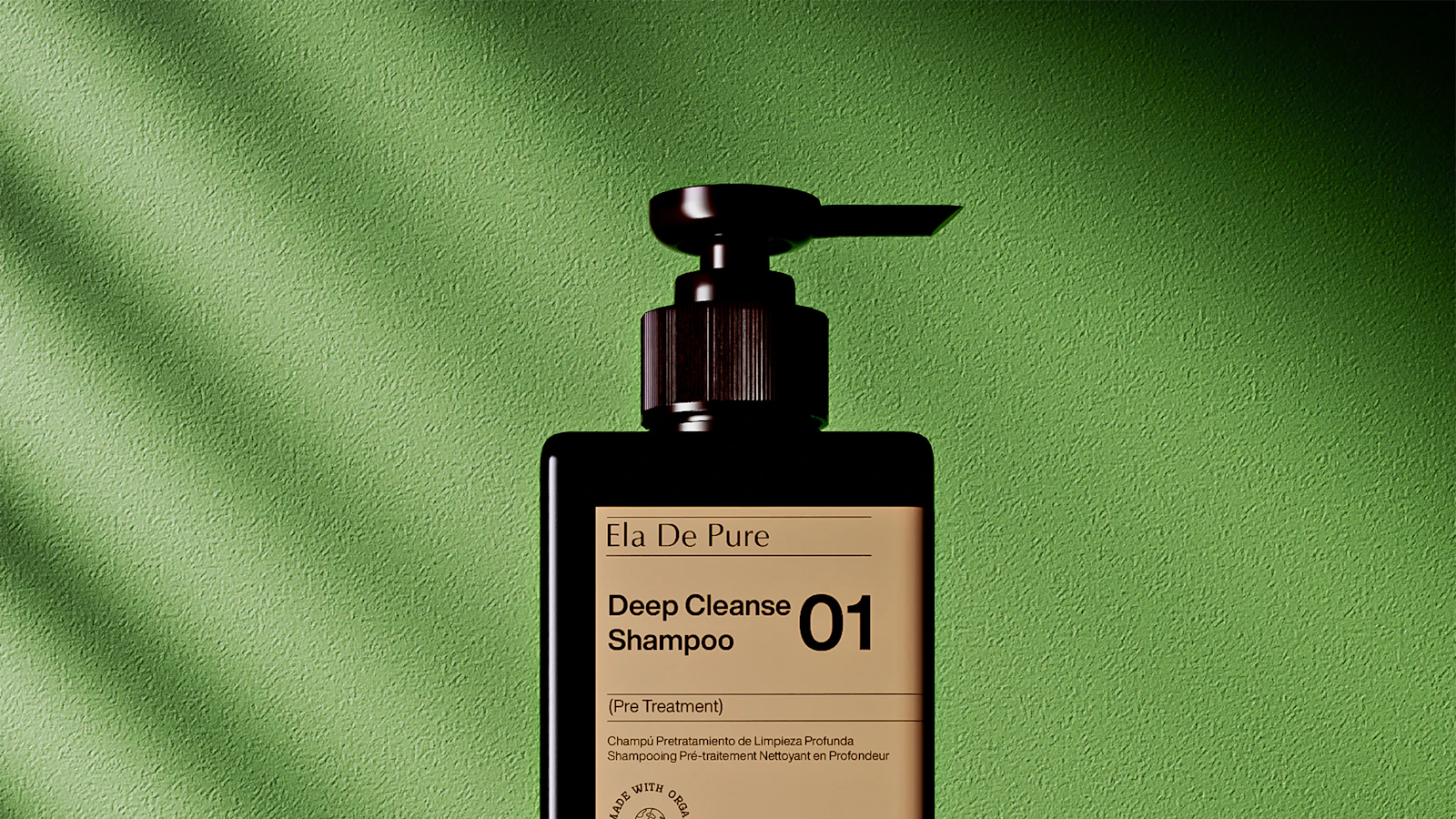
Many products are marketed as advanced solutions, including serums and shampoos. In most cases, they improve scalp condition and hair appearance but do not change follicle behavior. A clinically proven hair growth label on these products does not always reflect strong evidence.
A product described as a top hair growth product may still offer limited results. These products can support a routine but should not be relied on as a primary treatment.
Supplements for Hair Growth
Supplements are often promoted as the best hair growth supplement, especially those with biotin or collagen. These can help when a deficiency affects hair health. In those cases, correcting the deficiency may improve hair quality.
For genetic hair loss, supplements alone are unlikely to restore hair. Their role is supportive and not a replacement for clinically supported treatments.
Why Hair Loss Type Determines Treatment Results
Hair loss includes several types with different causes. Identifying the type helps guide treatment decisions and improves outcomes. Pattern hair loss, stress-related shedding, and autoimmune conditions all require different approaches.
Does Sjögren’s Syndrome Cause Hair Loss?
Sjögren’s syndrome can contribute to hair thinning in some individuals. It is an autoimmune condition that may disrupt the hair cycle through inflammation. This type of hair loss is often complex and may not respond well to standard hair growth products.
What Supplements Help Hashimoto’s Hair Loss?
Hashimoto’s thyroiditis can affect hair growth due to hormonal imbalance. Hair thinning in this condition often improves when the underlying issue is addressed. Some individuals may benefit from iron, vitamin D, or selenium if deficiencies are present.
Hair Growth Treatments for Women
Hair loss in women often appears as overall thinning rather than a defined pattern. This can make early detection more difficult and may require a broader approach. Hormonal changes and stress are common contributing factors.

Clinically Proven Hair Growth Products for Women
Clinically supported treatments for women focus on stabilizing shedding and maintaining density. These treatments may support gradual improvement over time. Consistency is important for evaluating results.
Best Hair Loss Treatment for Female Patients
The best hair loss treatment for female patients depends on the cause. Some respond to topical treatments, while others require addressing hormonal or medical factors. A combination approach is often more effective than relying on one solution.
Hair Growth Medicine for Women: Options and Limits
Hair growth medicine for women is selected based on individual factors. Not all treatments are suitable for everyone. These options may support regrowth, but results vary and require ongoing evaluation.
Best Products for Hair Growth and Thickness: What Actually Matters
The idea of the best hair growth products often suggests a single solution. In reality, effective treatment usually involves combining approaches that address different factors. This may include medical treatments and supportive products.
Hair thickness depends on both follicle health and hair quality. This is why the question of what is the best hair growth product does not have one answer. The best results come from a personalized plan.
Do Hair Growth Product Reviews Reflect Real Results?
Reviews often reflect individual experiences rather than consistent outcomes. Hair growth varies based on genetics, health, and treatment use. This makes it difficult to compare results across users.
Some reviews may be positive while others are not. This variation is expected and highlights the limits of anecdotal feedback. Clinical evidence is a more reliable guide when evaluating best hair gain products.
When to Consider Hair Transplant Options

How Much Do 3,000 Hair Grafts Cost?
Hair transplant cost varies based on location, technique, and case complexity. A procedure involving 3,000 grafts can differ widely in price. The total cost depends on the level of detail and planning required.
Where Hair Transplant Fits In
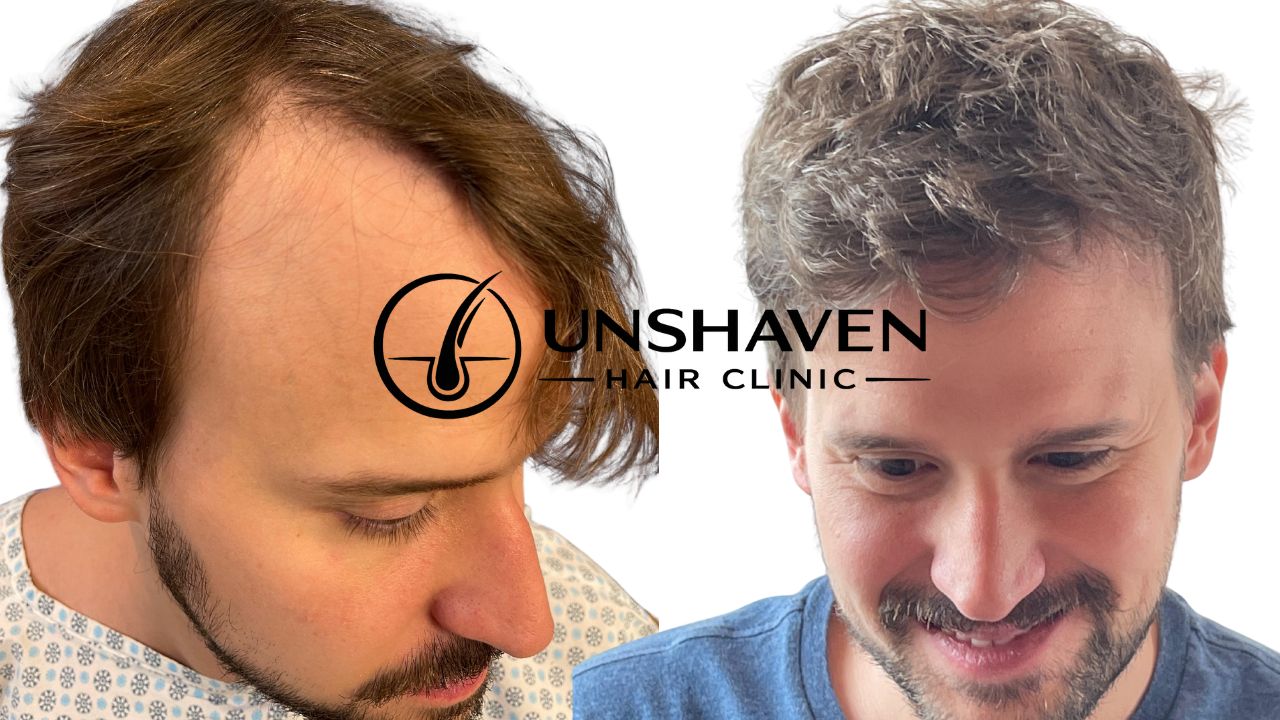
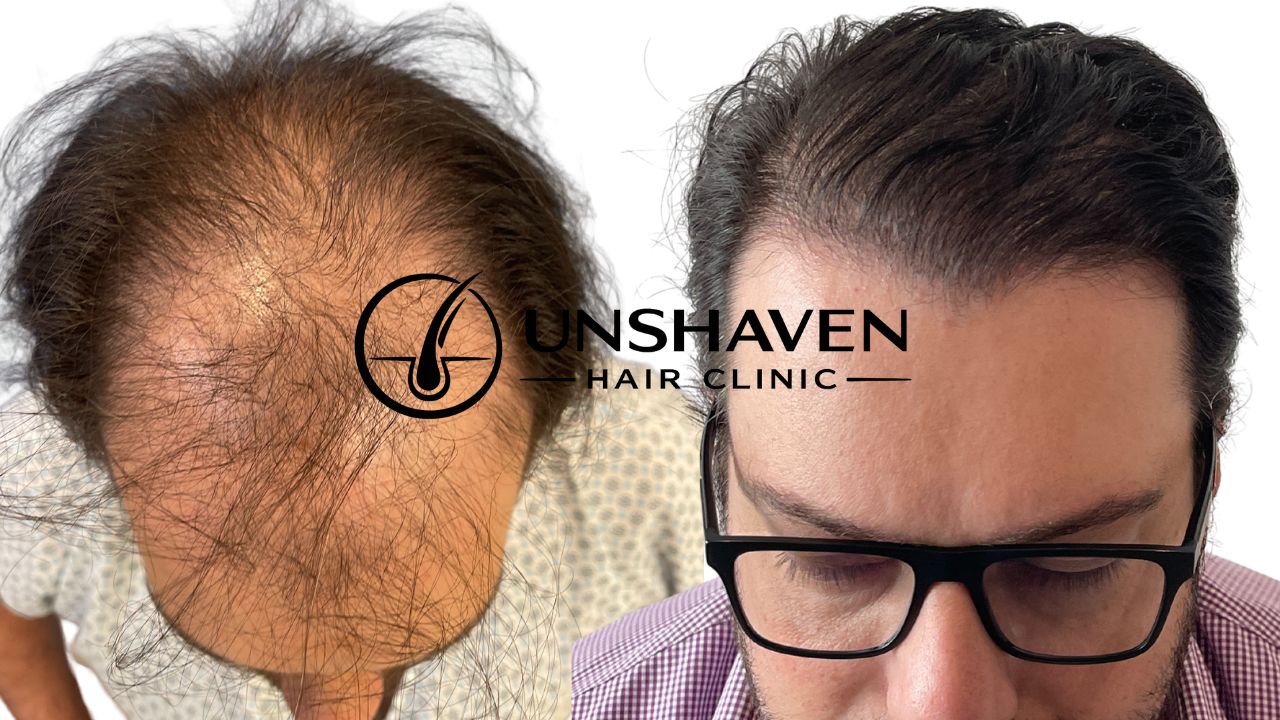
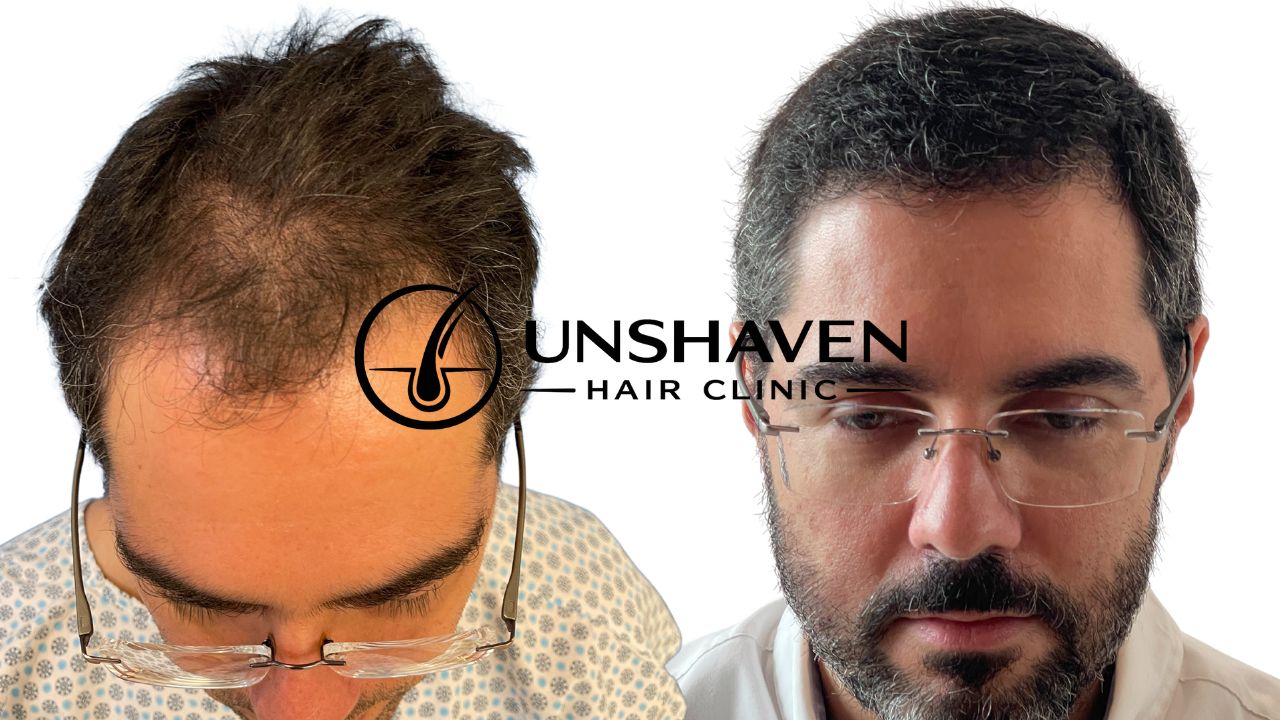
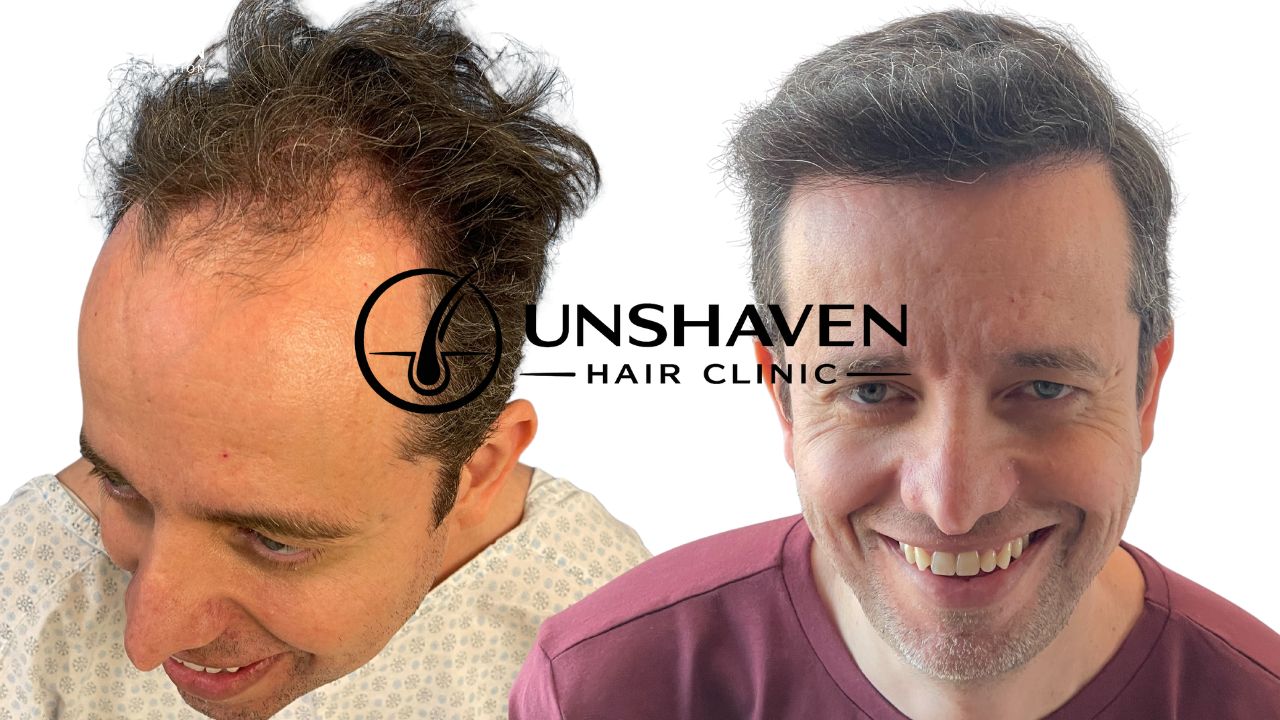
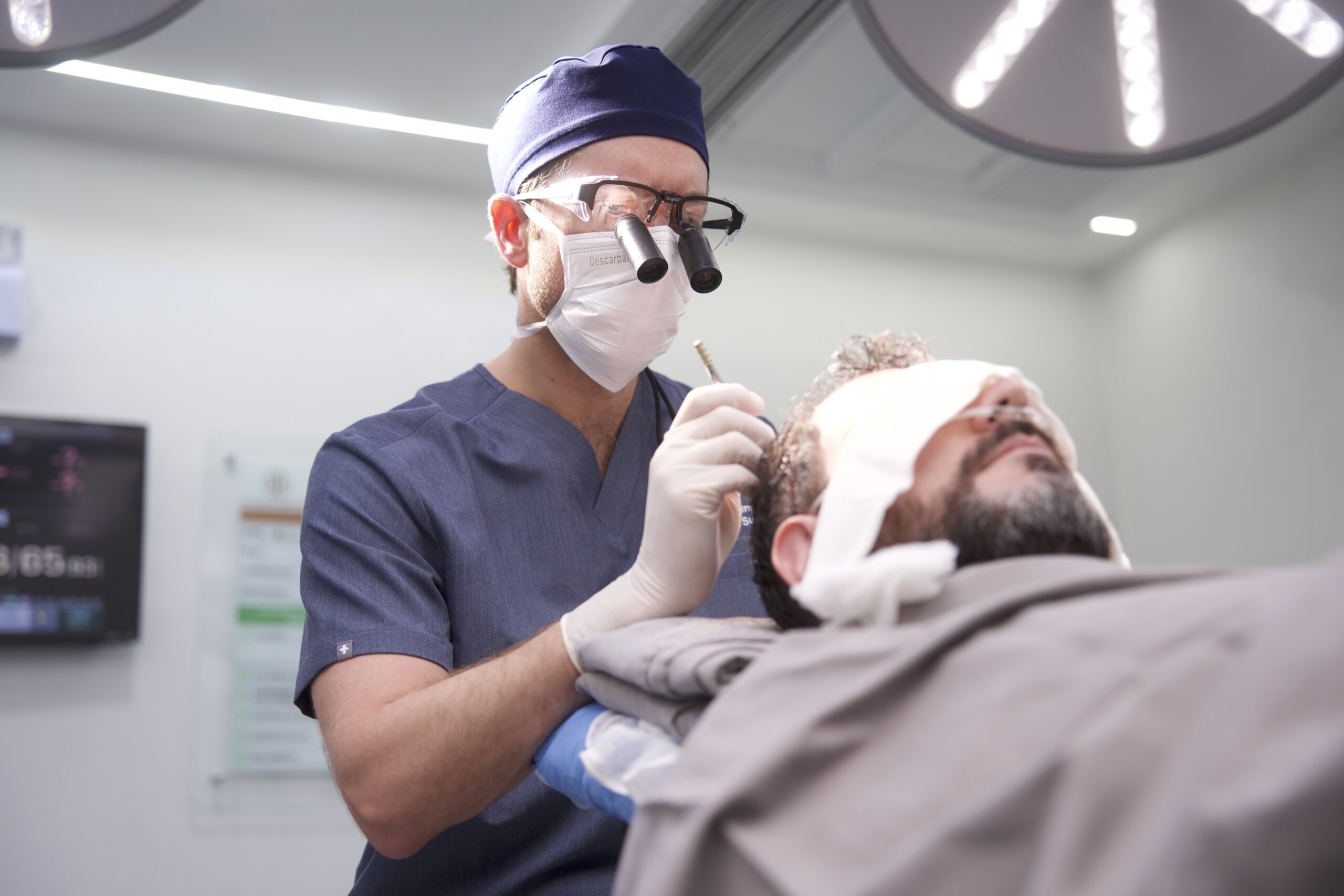
Hair transplantation may be considered when other treatments do not provide enough improvement. The procedure moves hair follicles from a donor area to thinning areas. This allows for more permanent restoration in selected cases.
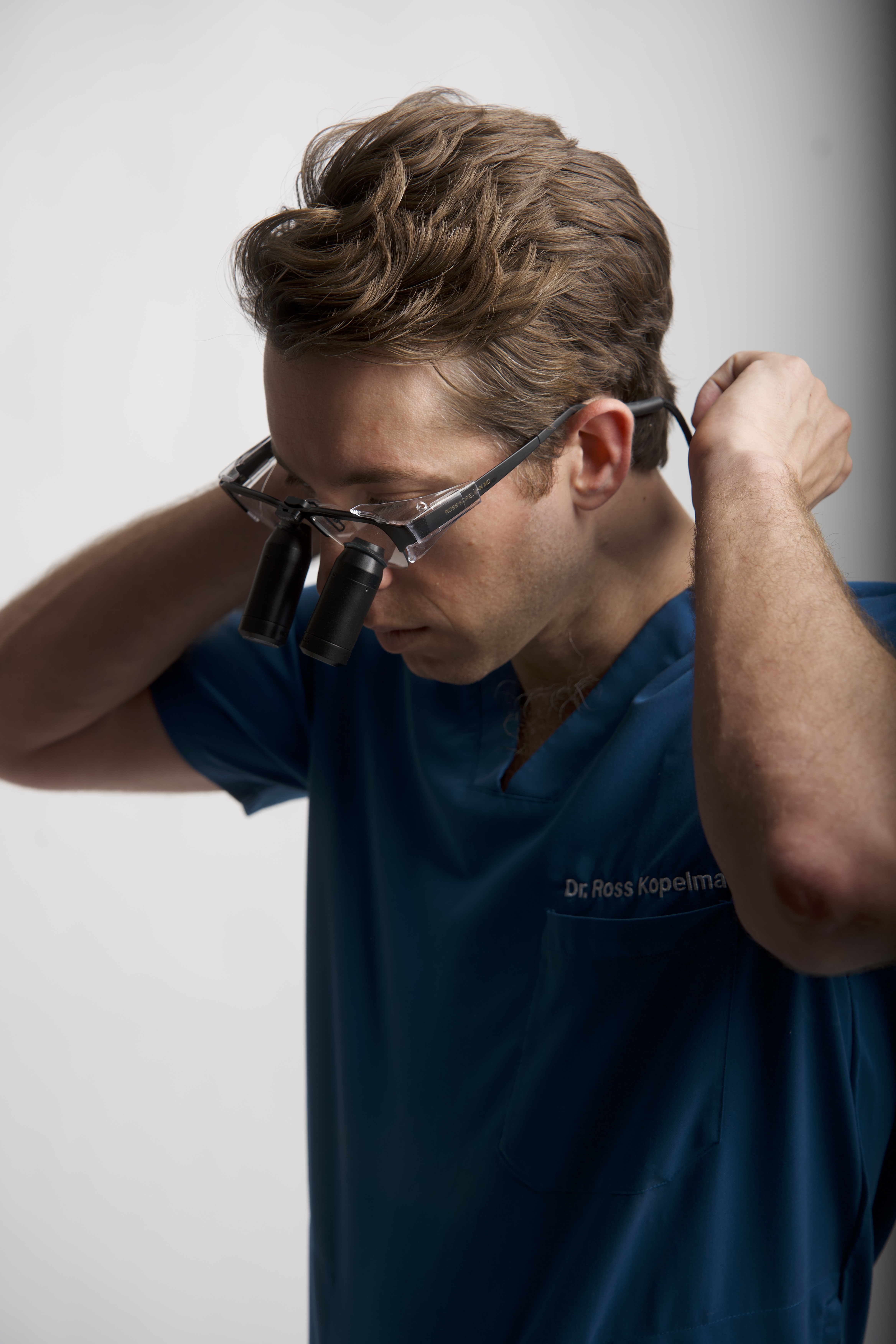
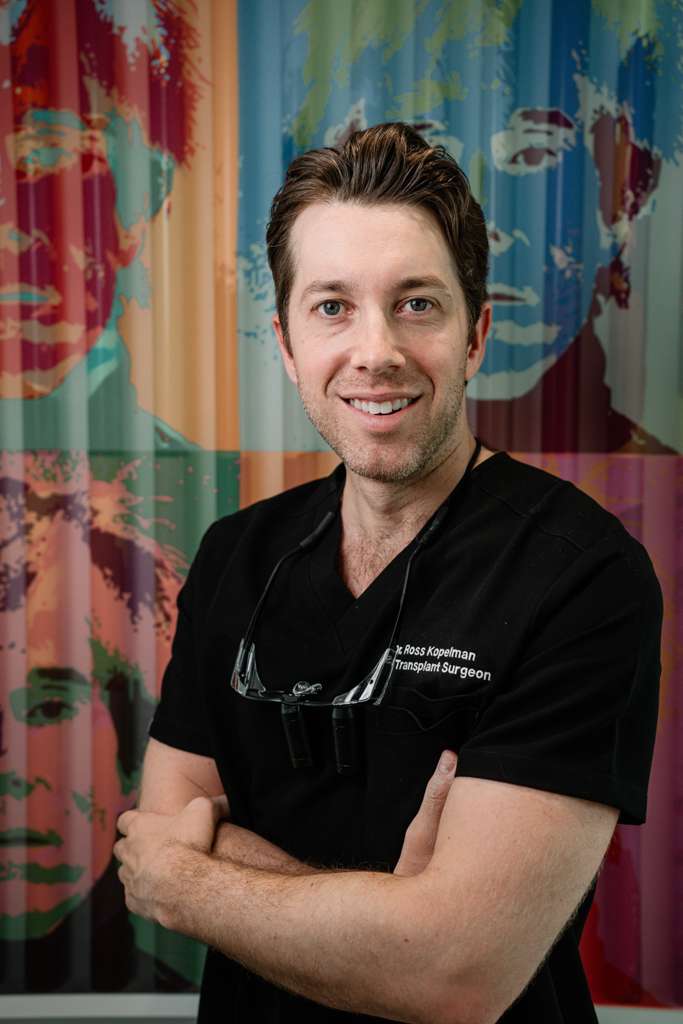
At Unshaven Hair Clinic, Dr. Ross Kopelman specializes in advanced techniques such as shaveless FUE. This approach allows for a more discreet procedure with minimal visible signs. Candidacy depends on donor hair availability and long-term planning.
Ready to Take the Next Step?
Whether you are just starting to notice thinning or already exploring hair trasplant options.
Dr. Kopelman offers personalized consultations tailored to your goals.
Ready to Take the Next Step?
Whether you are just starting to notice thinning or already exploring hair trasplant options, Dr. Kopelman offers personalized consultations tailored to your goals.
Realistic Expectations for Hair Growth
Hair growth takes time and requires consistent effort. Most treatments aim to slow hair loss and maintain existing hair rather than fully restore density. Visible improvement often takes several months.
Results vary between individuals based on genetics and health. Even the best hair gain products do not guarantee regrowth for every patient. Setting realistic expectations helps guide better decisions.