
Effective hair loss treatment depends on the cause of thinning and often involves a combination of approaches rather than a single solution. Options that work include hair growth medicine, supportive care such as the best pills for thinning hair, and procedural treatments in select cases.
Some methods help slow hair loss, while others support hair regrowth or improve density over time. The right approach depends on whether the thinning is temporary, progressive, or related to overall health.
Key Takeaways
- Effective hair loss treatment depends on the cause of thinning, and most people benefit from a combination of approaches rather than a single solution.
- Hair growth medicine can help slow progression and support hair regrowth, but results require consistent use and time to become visible.
- Products marketed as the best pills for thinning hair or hair vitamins for hair loss may help when deficiencies are present, but they do not directly reverse genetic hair loss.
- Procedural options such as hair transplantation can restore density in stable cases, but they are not appropriate for temporary shedding conditions.
- Results vary between individuals, and most treatment options focus on improving and maintaining hair rather than fully restoring original density.
Best Hair Loss Treatment Options for Thinning Hair
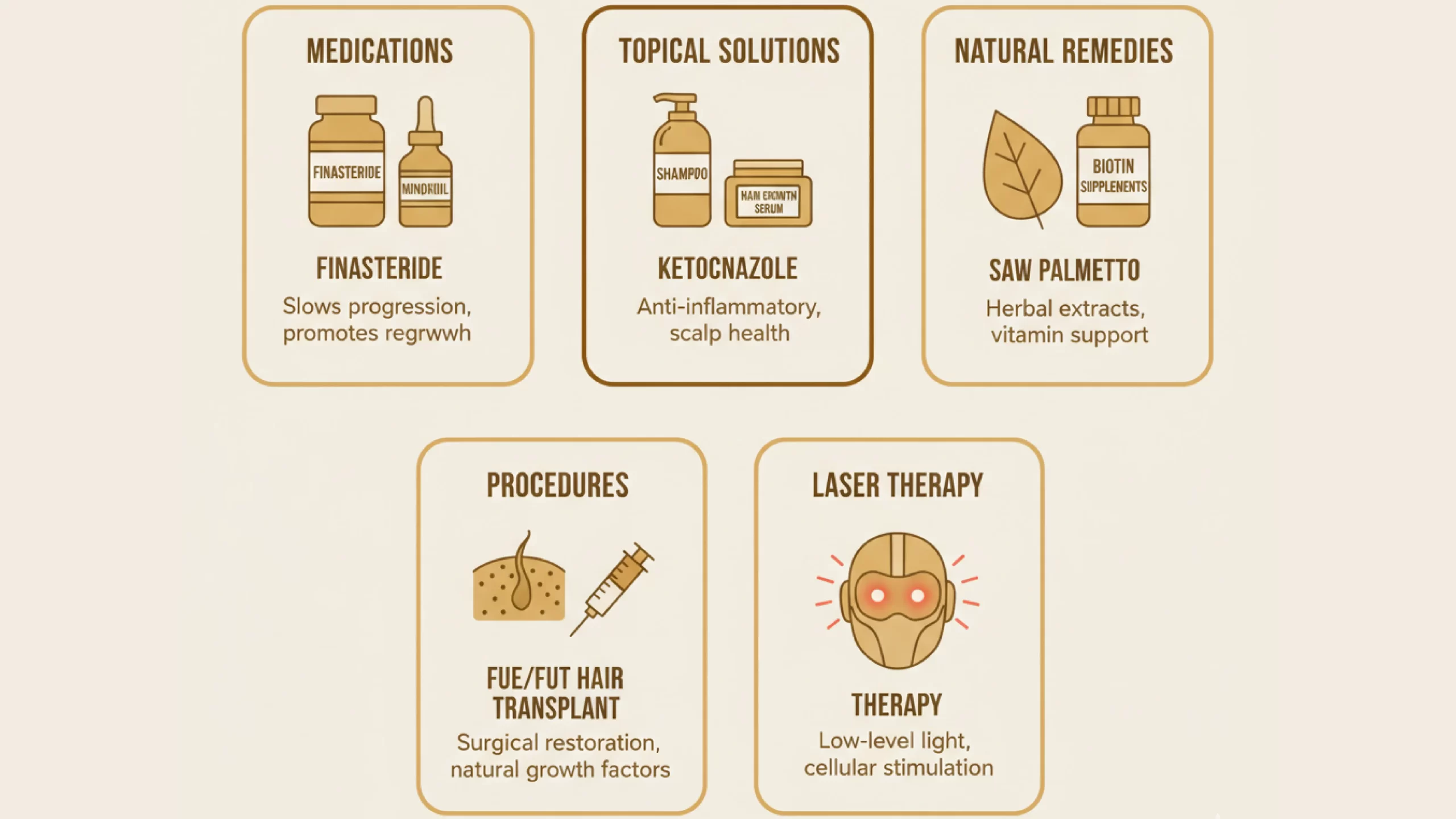
Effective hair loss treatment depends on the cause of thinning. There is no single solution that works for everyone. Most plans include a mix of hair growth medicine, supportive care, and procedural options when needed.
Common treatment options include:
- Topical therapies that support hair regrowth
- Nutritional support such as the best supplements for hair growth
- Procedural approaches like hair transplantation
Each option works differently. The right approach depends on whether thinning is temporary or progressive.
Can Thinning Hair Be Reversed?
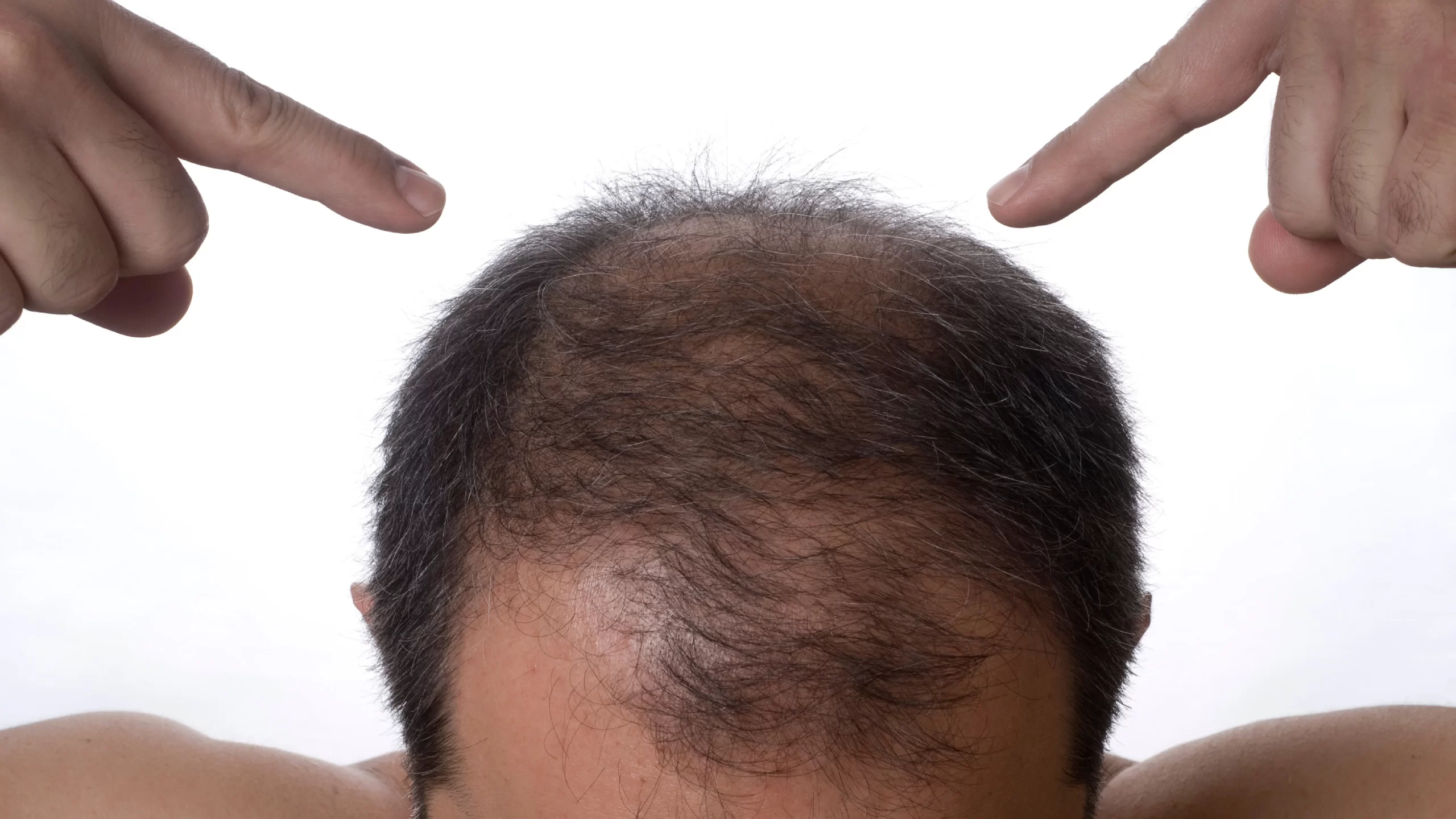
Some types of thinning hair can improve over time. Others are long-term and require ongoing management. The key factor is whether the hair follicle is still active.
Temporary shedding often improves when the underlying trigger resolves. This includes stress, illness, or hormonal changes. In these cases, hair regrowth can occur within several months.
Genetic hair loss is different. It leads to gradual follicle shrinkage over time. Early treatment can slow progression, but full reversal is not always possible.
What Causes Thinning Hair?
Thinning hair has several possible causes. Identifying the cause is the first step in choosing the right treatment for balding hair.
| Cause Type | Examples | Effect on Hair | Notes |
|---|---|---|---|
| Genetic | Androgenetic alopecia | Follicle miniaturization | Gradual thinning over time |
| Hormonal | Menopause, postpartum | Shedding, thinning | Often temporary or gradual |
| Stress | Illness, emotional stress | Telogen effluvium | Usually resolves in months |
| Nutrient Deficiencies | Iron, vitamin D, biotin | Weak, brittle hair | Supplements may help if deficient |
| External Factors | Tight hairstyles, heat, medications | Breakage, scalp irritation | Preventable with care |
External factors can also contribute. These include tight hairstyles, heat damage, and certain medications.
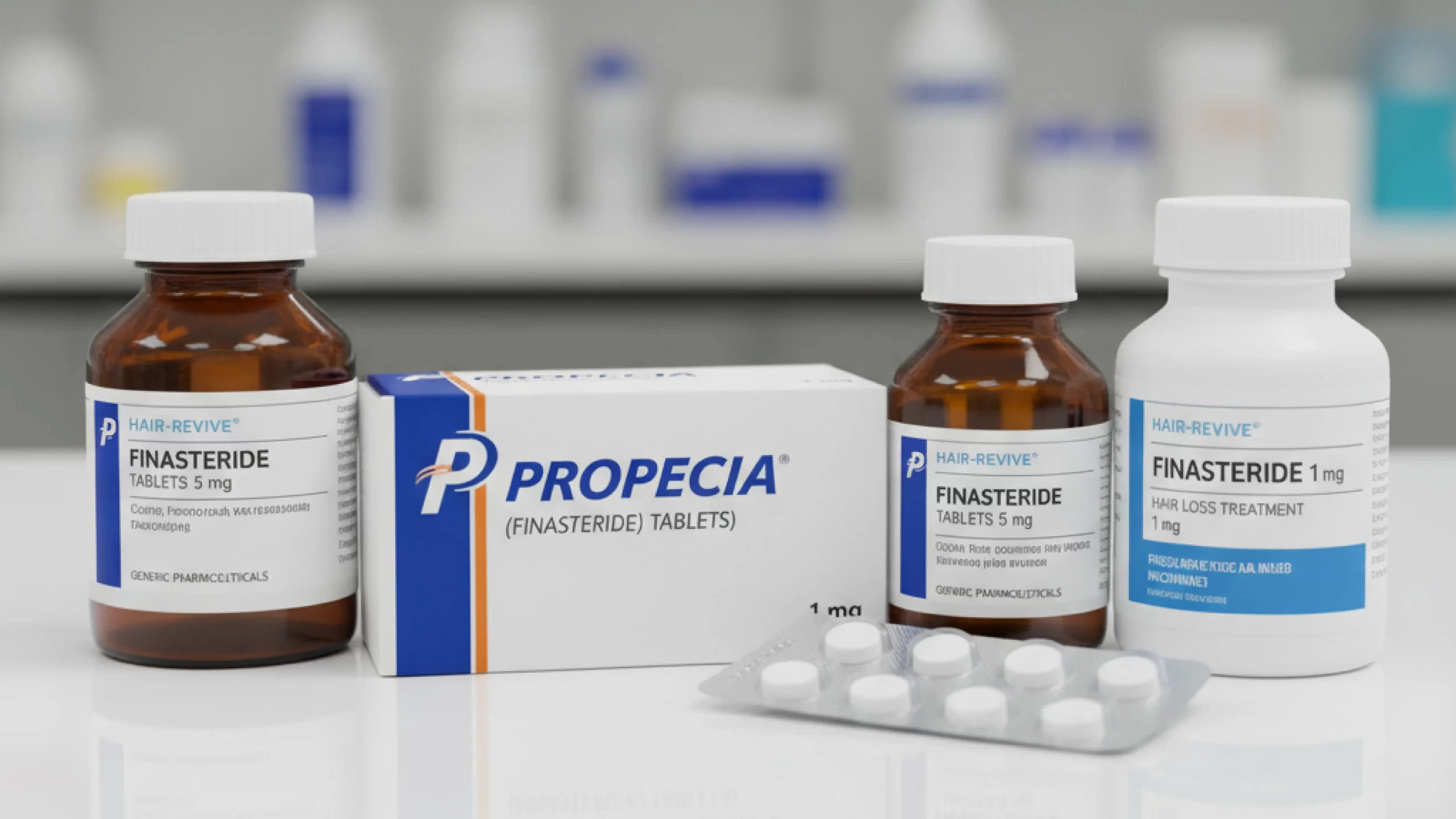
Hair Growth Medicine and Baldness Therapy
Hair growth medicine focuses on supporting the hair cycle. It helps extend the growth phase and improve follicle function. This approach is often part of long-term baldness therapy.
When people search for the best medicine for hair fall and regrowth, they are often looking for options that slow thinning. These treatments can help maintain density and support hair regrowth when started early.
The best medicine for hair growth and thickness aims to improve both strand quality and density. Results depend on consistency and individual response. Most people need several months before seeing visible change.
Supplements and Vitamins for Thinning Hair
Many people explore the best pills for thinning hair as a first step. These products often contain vitamins and minerals that support normal hair function. They are widely available and easy to use.
Common ingredients include:
- Biotin
- Vitamin D
- Iron
- Zinc
These are often marketed as the best hair vitamin or hair vitamins for hair loss. They can support healthy follicles, especially when a deficiency is present.
The term for hair growth vitamins usually refers to multi-ingredient formulas. These may help improve hair quality but do not directly stop genetic thinning. This is why the best supplements for hair growth work best as part of a broader plan.
Hair Loss Treatment Options for Women
Women often experience diffuse thinning rather than a receding hairline. This pattern requires a slightly different approach. The best hair loss treatment for female patients depends on the underlying cause.
Hormonal changes are a common factor. Nutrient deficiencies and stress can also play a role. In these cases, treatment options may include medical therapy, options like minoxidil for women, nutritional support, and monitoring over time.
When searching for the best medicine for hair fall and regrowth female, it is important to consider the full picture. A targeted plan usually works better than a single product.
Hair Transplant as a Treatment for Balding Hair
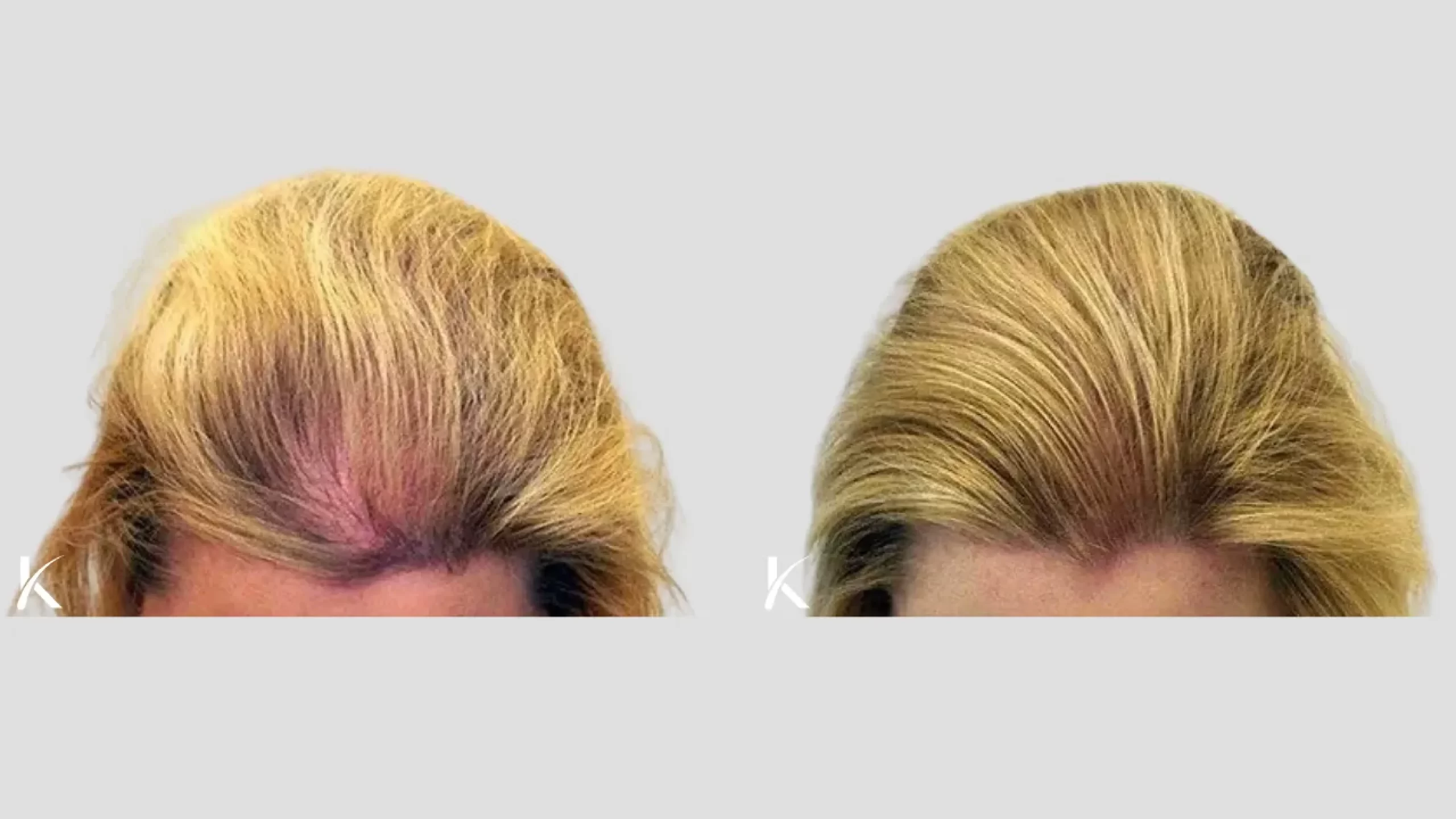
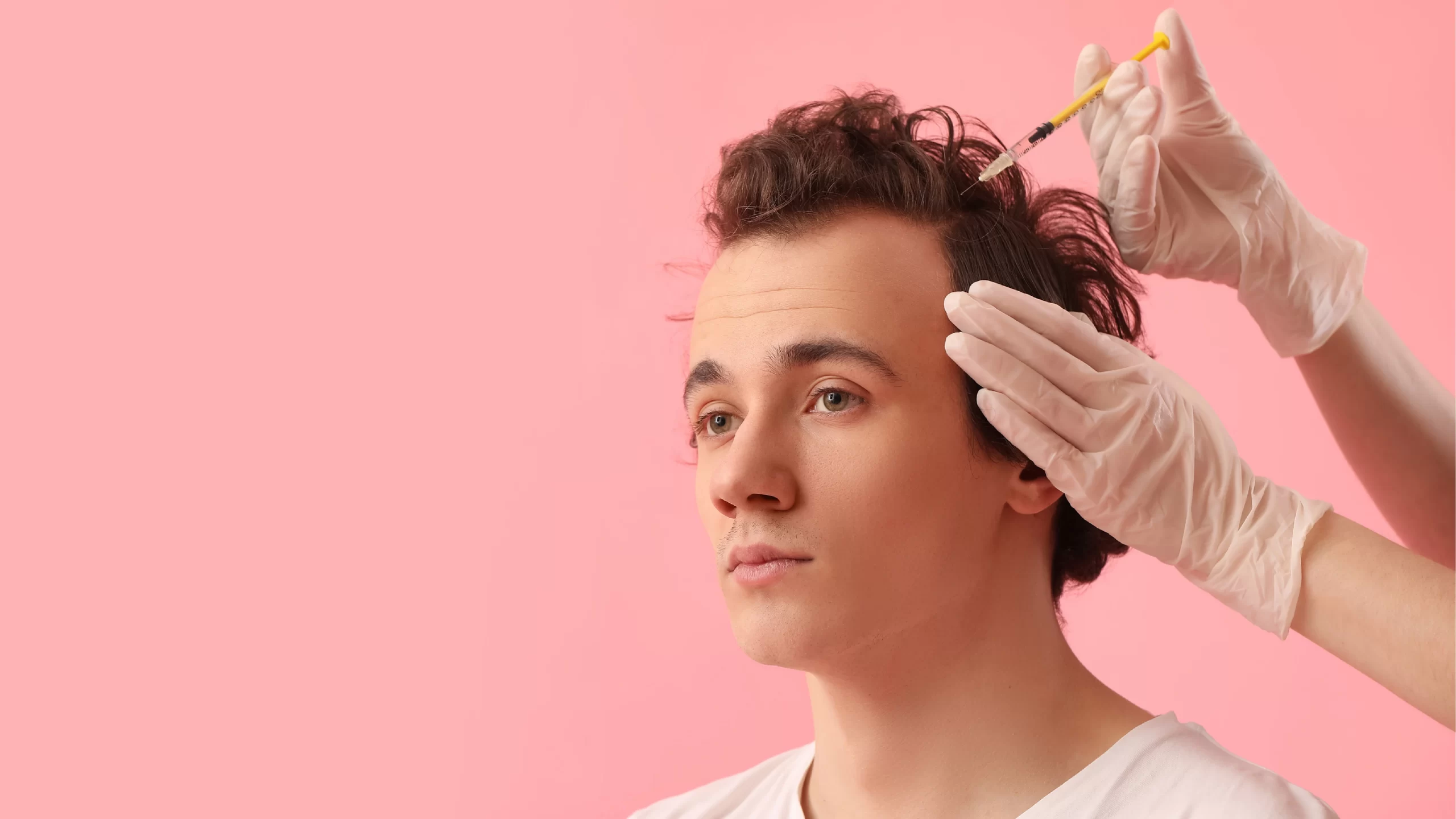
Hair transplantation is a procedural option for stable hair loss. It involves moving hair follicles from a donor area to thinning areas. These follicles are typically resistant to further loss.
This approach is most useful for pattern hair loss. It does not treat temporary shedding conditions. Results develop gradually as transplanted hair begins to grow.
At Unshaven Hair Clinic, advanced techniques such as shaveless FUE allow procedures without shaving the entire scalp. This approach can improve discretion, but candidacy varies.
Ready to Take the Next Step?
Whether you are just starting to notice thinning or already exploring hair trasplant options.
Dr. Kopelman offers personalized consultations tailored to your goals.
Ready to Take the Next Step?
Whether you are just starting to notice thinning or already exploring hair trasplant options, Dr. Kopelman offers personalized consultations tailored to your goals.
Who Is a Candidate for Treatment
Not everyone with thinning hair is a candidate for every treatment. The right approach depends on the type and stage of hair loss. A proper evaluation helps guide decisions.
Important factors include:
- Cause of hair loss
- Stability of the condition
- Availability of donor hair for procedures
Some people benefit from early medical treatment. Others may require a combination of approaches over time.
How Long Does Hair Regrowth Take?
Hair regrowth takes time. Most treatments require patience and consistency.
Typical timelines:
- Early changes may appear after 3 to 6 months
- More visible improvement may take 6 to 12 months
Hair grows in cycles. This means results are gradual rather than immediate. Stopping treatment can lead to loss of progress in some cases.
Risks, Limits, and What to Expect
All treatment options have limits. Not all thinning hair can be reversed. Setting realistic expectations is important.
Common considerations include:
- Partial improvement rather than full restoration
- Ongoing maintenance for many treatments
- Variation in individual response
Baldness therapy focuses on slowing progression and improving density. It does not always restore hair to its original state.