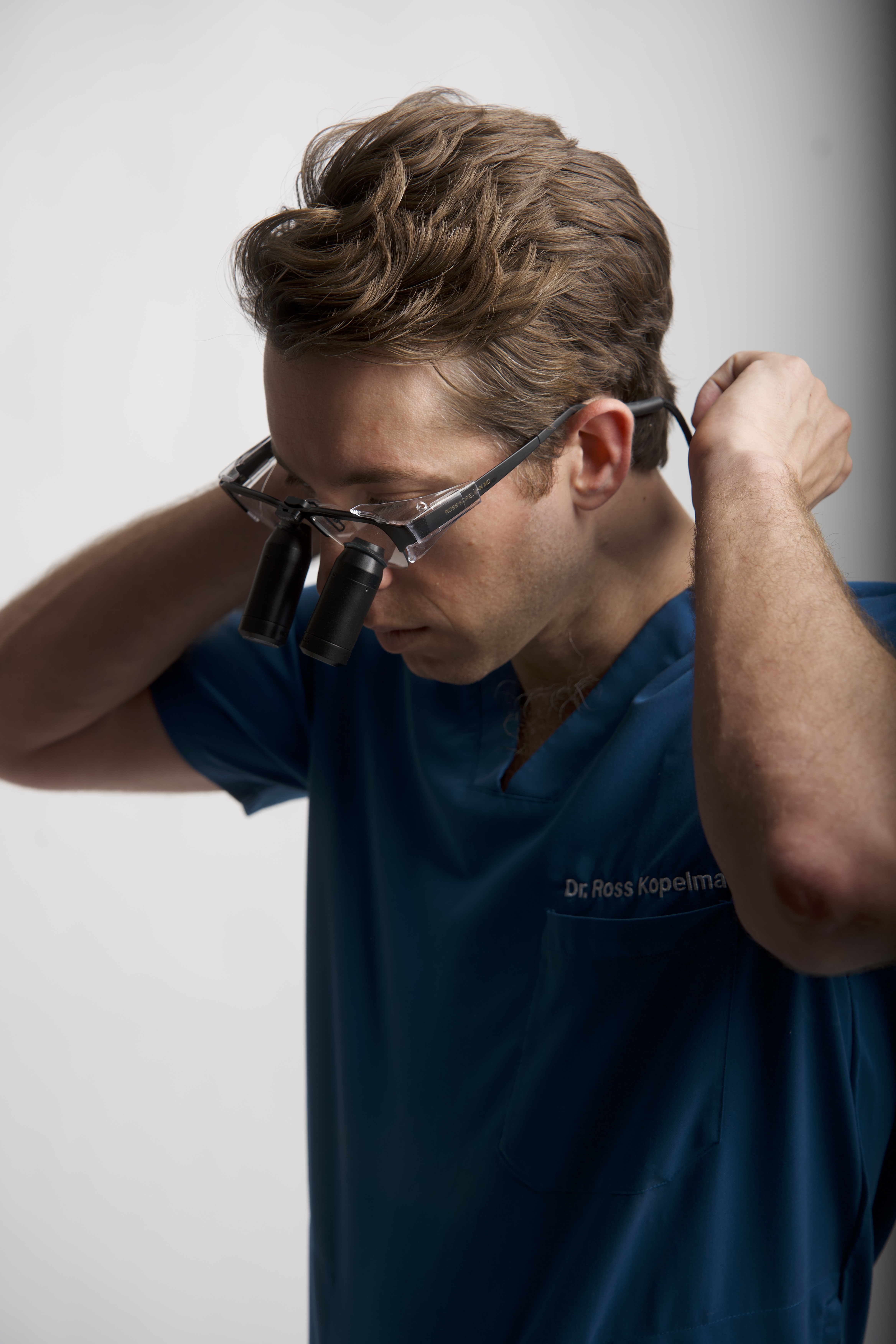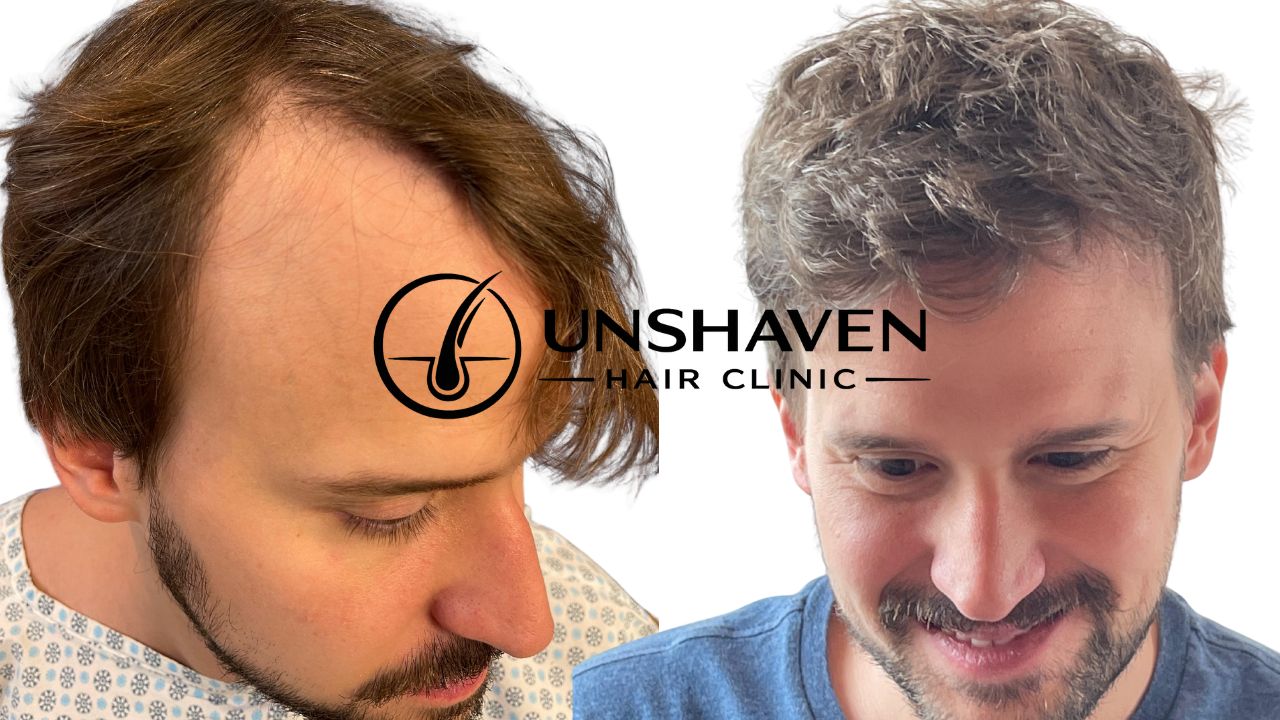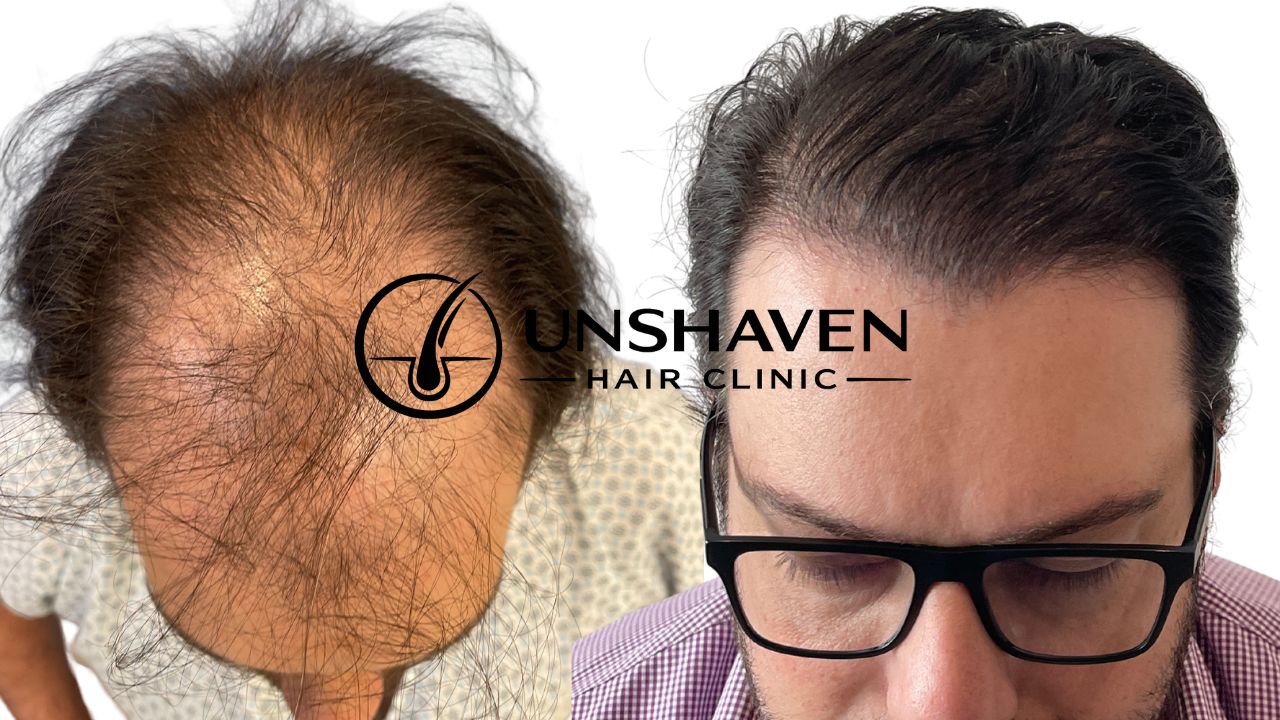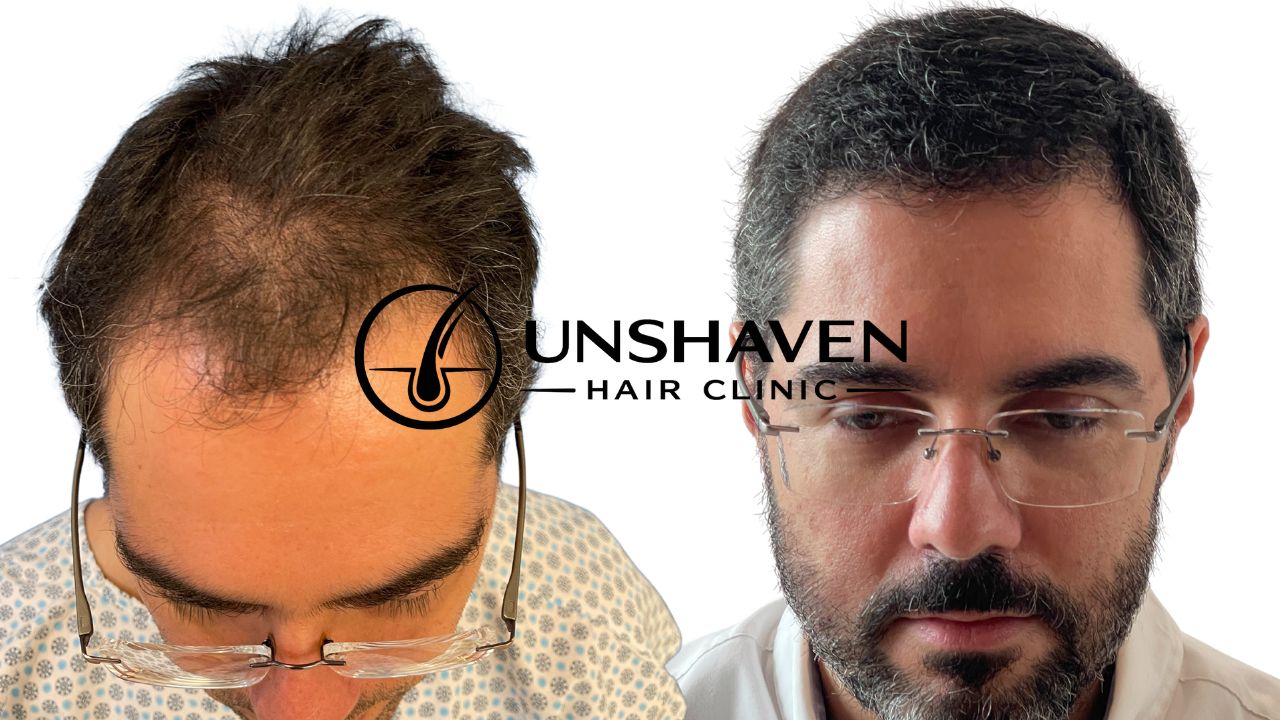
At Unshaven Hair Clinic, treatment plans are based on diagnosis, not assumptions. Dr. Ross Kopelman focuses on advanced hair restoration and shaveless FUE, with an emphasis on understanding the cause of hair loss before recommending any approach. Steroid injections are one option used in specific cases, especially when inflammation affects the scalp.
Key Takeaways
- Steroid shots for hair loss are most useful for inflammatory conditions like alopecia areata, where the immune system disrupts normal follicle function. They do not treat genetic hair loss or permanent follicle damage.
- An alopecia steroid treatment works by reducing inflammation around the hair follicles, which can allow hair regrowth if the follicles remain active. These injections do not create new follicles or directly stimulate hair growth.
- Results from injections for hair loss take time, with early regrowth often appearing within weeks and more visible changes over several months. Outcomes vary based on the condition, timing of treatment, and individual response.
- Side effects are usually mild and localized, such as temporary tenderness or small skin changes at the injection site. Proper technique and spacing help reduce the risk of complications.
- Choosing the right treatment depends on accurate diagnosis, since not all types of hair loss respond to steroids for alopecia. A targeted approach helps ensure treatment matches the underlying cause.
Do Steroids Help With Alopecia?
Yes, steroids for alopecia can help in certain conditions, especially when the immune system disrupts normal hair function. This is most relevant in alopecia areata, where inflammation targets the hair follicles and interrupts the growth cycle. In these cases, treatment aims to reduce inflammation so the follicle can resume normal activity.
However, steroid treatment does not work for all types of hair loss. It does not reverse genetic thinning or restore permanently inactive follicles. Results depend on timing, severity, and whether the follicles are still capable of producing hair.
What Is an Alopecia Steroid Injection?
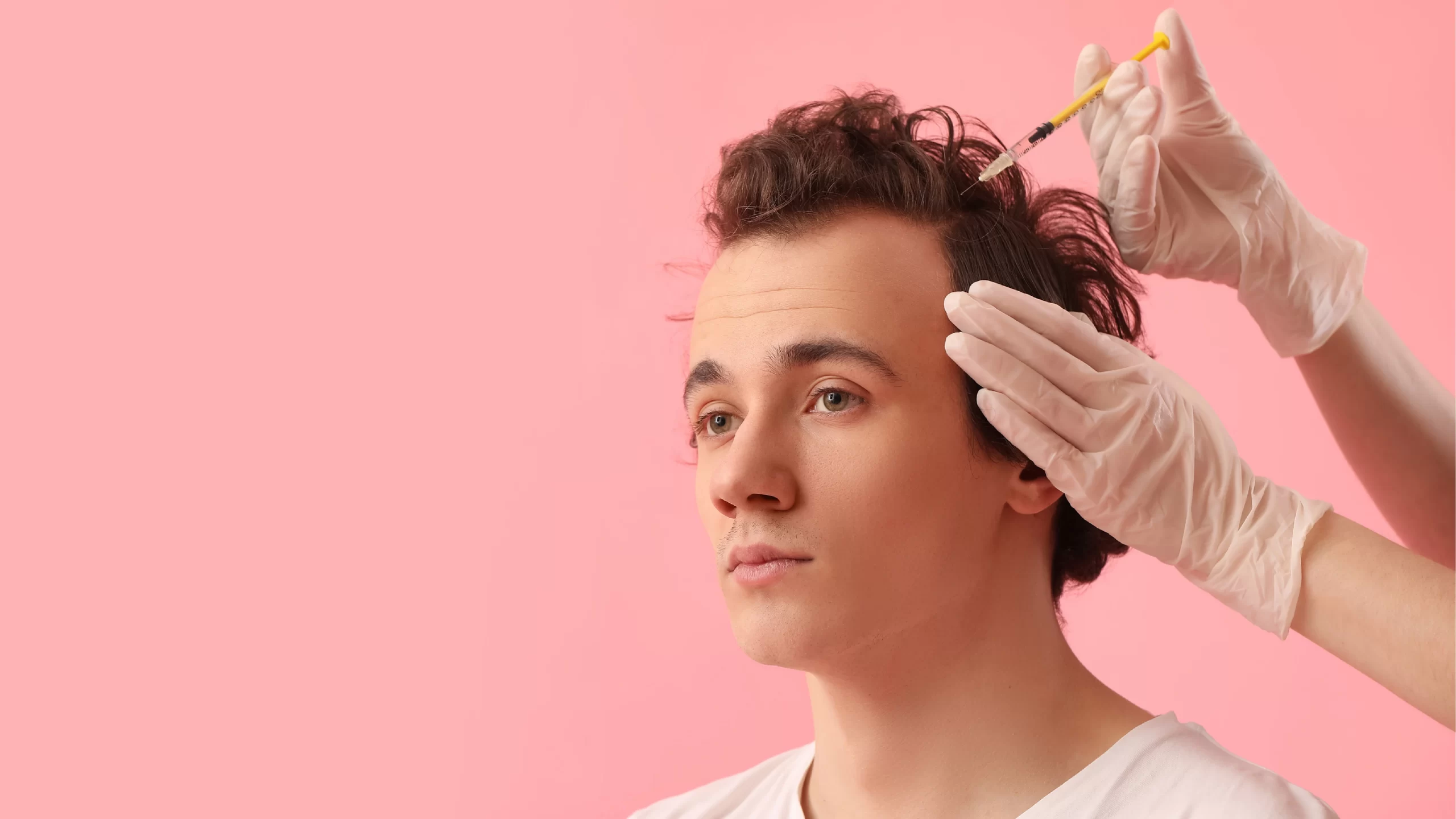
An alopecia steroid injection is a targeted treatment delivered directly into areas of hair loss, often explained in detail in steroid injections for hair loss. These injections for hair loss usually contain a corticosteroid, often triamcinolone, placed into the skin at multiple points. The goal is to act locally rather than affect the whole body.
This method allows medication to reach the area around the follicle more directly than topical products. Because the dose is localized, it reduces systemic exposure. It is commonly used for patchy hair loss rather than diffuse thinning.
How Steroids for Alopecia Work
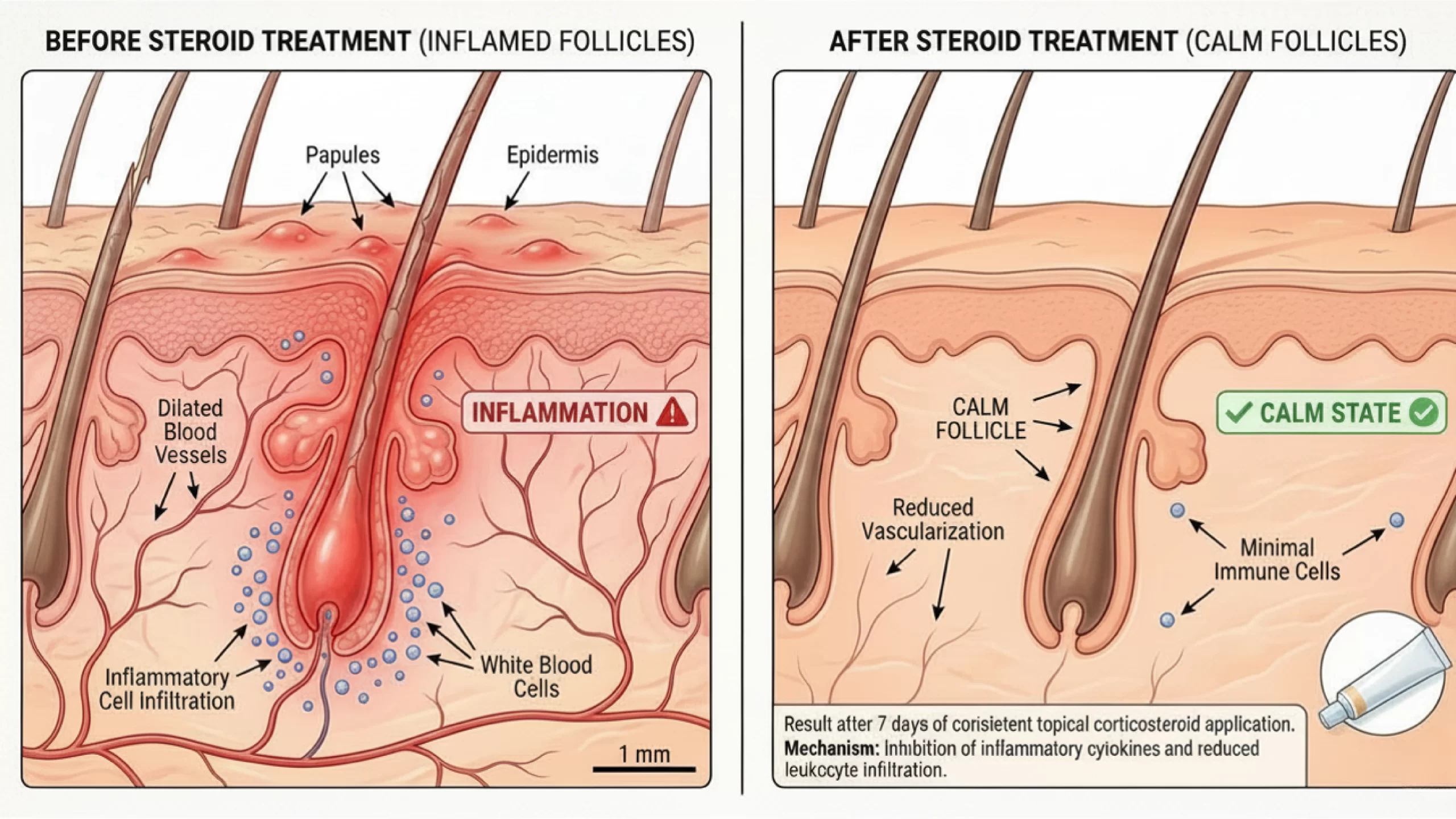
An alopecia areata steroid treatment works by calming the immune response that disrupts normal hair activity. In autoimmune hair loss, immune cells surround the follicle and block its ability to produce hair. This leads to shedding and visible patches.
Steroids reduce this inflammation and help restore a normal environment around the follicle. When inflammation decreases, the follicle may re-enter the growth phase. This process supports hair regrowth, but only if the follicle remains viable.
When Steroid Treatment Is Used
Steroid injections are most often used for localized forms of hair loss. They are considered when small patches of alopecia are present, and the condition is still active. Early treatment often improves the chance of visible improvement.
They are less useful in long-standing or widespread hair loss, including patterns like hair loss on the sides. They also do not address conditions like androgenetic alopecia or stress-related shedding. Using steroids for hair growth outside of inflammatory conditions does not produce meaningful results.
How Hair Loss Is Evaluated Before Treatment
Before starting treatment, the type of hair loss must be identified, including understanding why hair loss happens. Different conditions affect the scalp in different ways, even if the appearance looks similar. A proper evaluation looks at pattern, timing, and scalp condition.
This step is critical because treatment depends on the cause. An inflammatory condition may respond to an alopecia steroid approach, while other types require different strategies. Careful evaluation helps avoid unnecessary or ineffective treatment.
Injections vs Creams and Ointments
Topical treatments such as steroid creams or ointments are sometimes used instead of injections. These options are applied to the surface of the scalp and may be useful in mild or early cases. They are also considered in sensitive areas.
Injections deliver medication deeper into the skin, closer to the follicle. This often leads to more consistent results in localized patches. The choice between options depends on severity, location, and patient preference.
What to Expect During Treatment
Steroid shots for hair loss are performed in a clinical setting and usually take only a few minutes. A fine needle is used to place small amounts of medication across the affected area. The injections are spaced evenly to cover the patch.
Most patients feel mild discomfort or a brief stinging sensation. Sessions are typically repeated every few weeks, depending on response. There is no significant downtime, and normal activities can resume the same day.
Results and Hair Regrowth
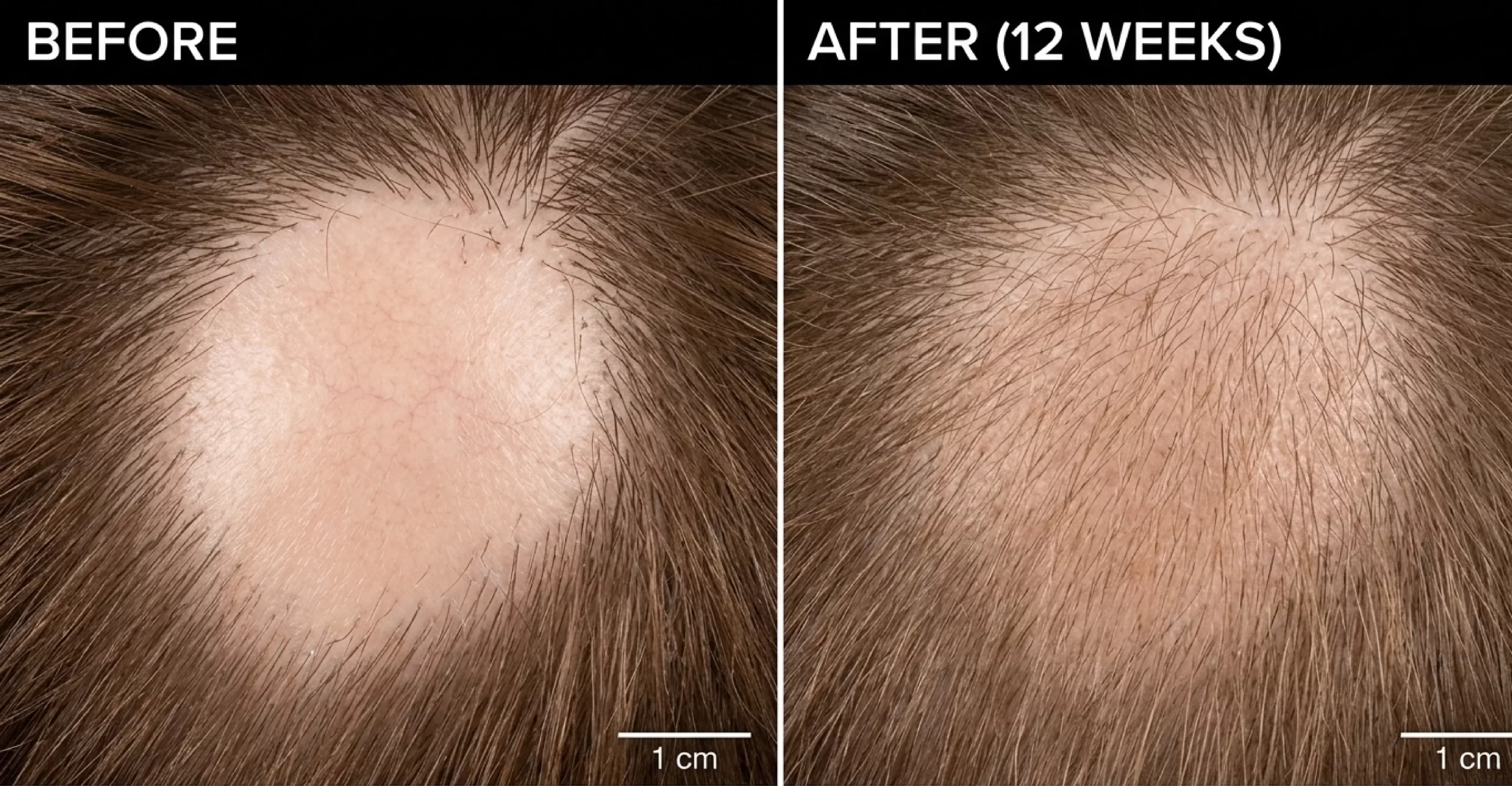
Results from injections for hair loss are not immediate. Early signs of hair regrowth may appear within several weeks, but visible improvement often takes a few months. The timeline varies based on the condition and individual response.
These treatments do not directly stimulate hair growth. Instead, they remove the barrier that prevents follicles from functioning. If the follicle remains intact, it may begin producing hair again under improved conditions.
Side Effects and Risks
Side effects from steroid injections are usually mild and localized. The most common effects include temporary tenderness, slight swelling, or small indentations at the injection site. These changes often improve over time.
Less commonly, skin thinning or pigment changes may occur. These risks are influenced by dose, technique, and frequency of treatment. Proper placement and spacing help reduce the chance of complications.
Cost and Access
The cost of steroid shots for hair loss varies depending on the size of the treatment area and the number of sessions required. Smaller patches usually require less time and fewer injections, which can affect pricing. Multiple sessions are often needed to assess the response.
When searching for providers offering injections for hair loss, experience with hair loss diagnosis is important. Treatment should follow a clear understanding of the condition rather than a one-size approach. Access to care may vary by location and provider expertise.
What Is the Best Treatment for Alopecia?
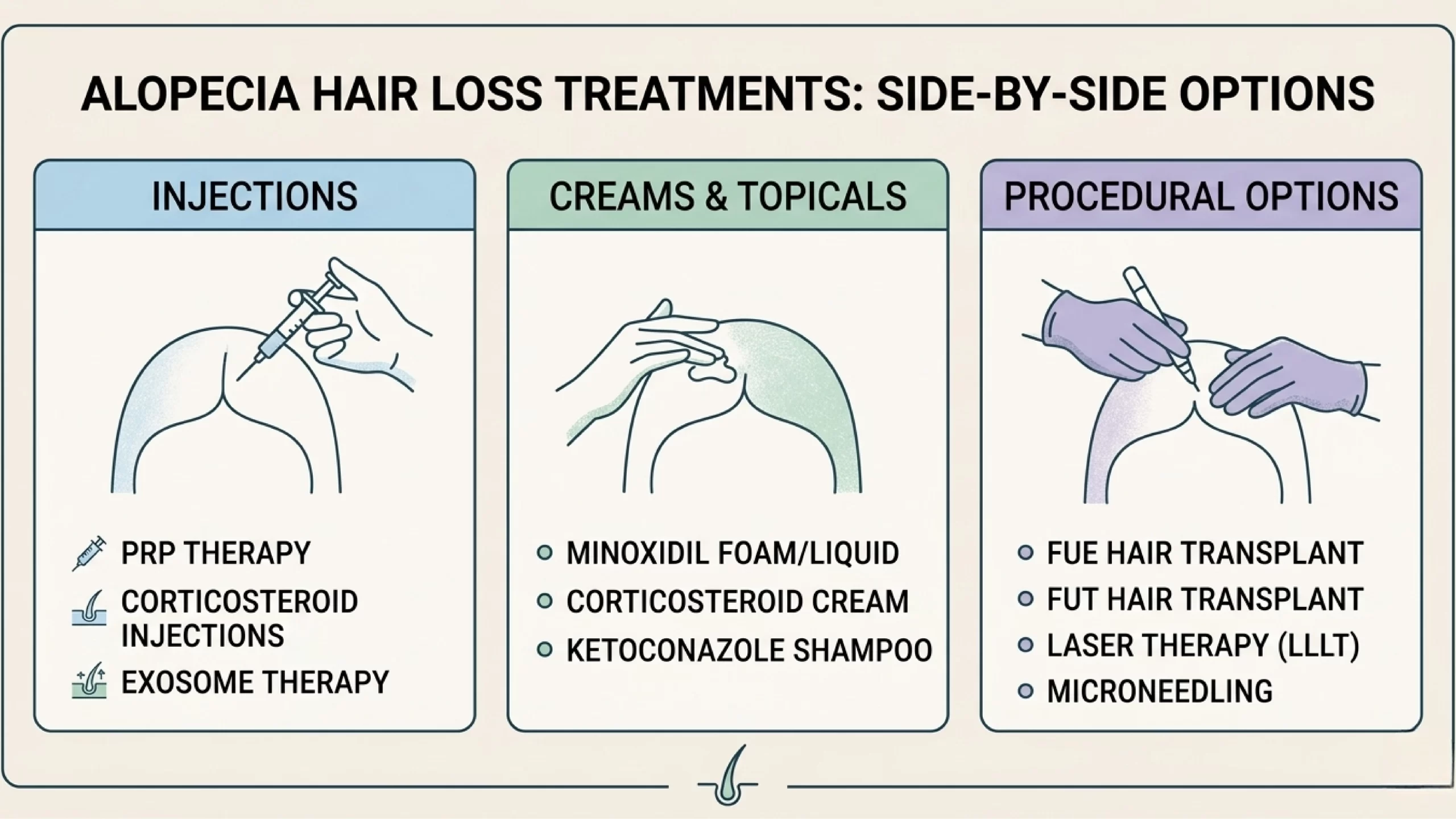
There is no single best treatment for all types of alopecia. Each condition has a different cause and requires a different approach. Steroid injections are one option among several, used mainly for inflammatory forms of hair loss.
Other approaches may focus on supporting follicle function or addressing underlying triggers. Treatment selection depends on diagnosis, not just symptoms. This is why individualized evaluation is essential before starting any plan.
What Did Matthew McConaughey Use for Hair Loss?
Public discussions often mention Matthew McConaughey when talking about hair loss. However, there is no confirmed medical explanation for his results. Reports suggest the use of topical products, but details are not clinically verified.
This highlights an important point about hair loss treatment. Outcomes vary widely, and anecdotal reports do not replace medical evaluation. Treatment decisions should be based on diagnosis rather than public claims.
Where Steroid Injections Fit in Hair Restoration
Steroid injections are used to manage inflammation and support follicle recovery in specific cases. They are not a replacement for procedures designed to restore permanent hair loss. Their role is to stabilize or improve conditions where follicles are still active.
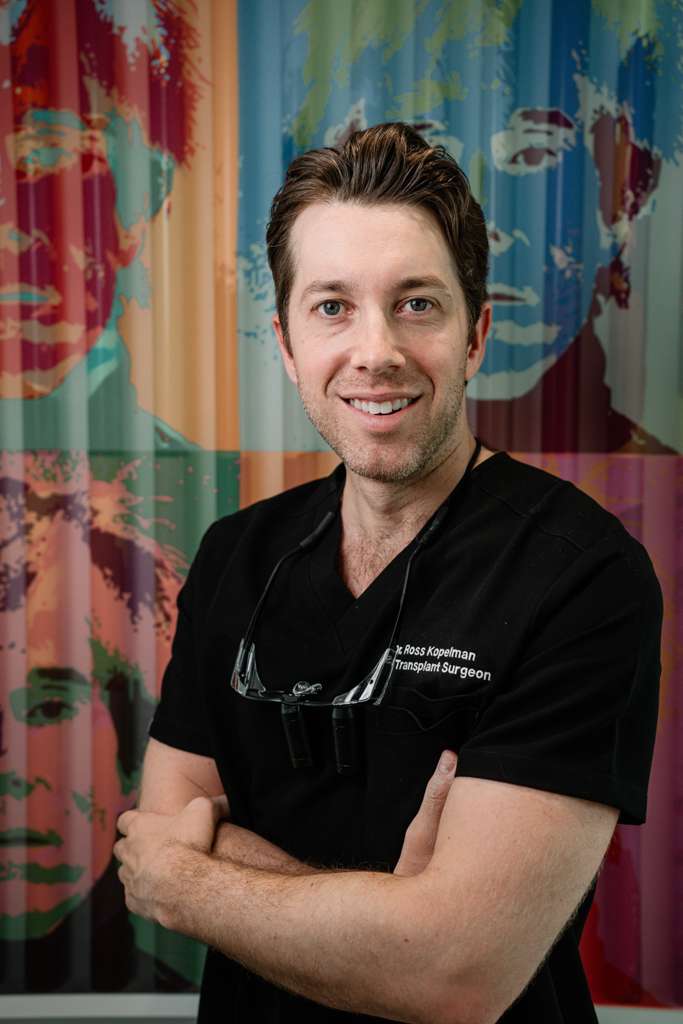
At Unshaven Hair Clinic, treatment decisions are based on identifying the cause of hair loss first. Dr. Ross Kopelman applies this approach when determining whether medical therapy, procedural options, or a combination may be appropriate. This helps ensure that treatment aligns with the biology of the condition.
Ready to Take the Next Step?
Whether you are just starting to notice thinning or already exploring hair trasplant options.
Dr. Kopelman offers personalized consultations tailored to your goals.
Ready to Take the Next Step?
Whether you are just starting to notice thinning or already exploring hair trasplant options, Dr. Kopelman offers personalized consultations tailored to your goals.