At Unshaven Hair Clinic, patients often ask, “Can a dermatologist help with hair loss?” and in many cases, the answer is yes when the cause is properly evaluated. Under the guidance of Dr. Ross Kopelman, a specialist in hair restoration and shaveless FUE, the focus is on clear diagnosis and realistic expectations. Understanding how dermatology fits into hair loss care can help you choose the right path.
Key Takeaways
- A dermatologist is usually the first doctor to see for hair loss, as they can evaluate the scalp, identify the cause, and guide appropriate next steps.
- Not all hair loss is reversible, so treatment focuses on either regrowth or slowing progression, depending on the underlying condition.
- Common signs like thinning, a receding hairline, or sudden shedding should be evaluated early to improve the chances of effective management.
- Hair loss treatments vary widely and may include topical therapies, in-office procedures, or hair transplantation, depending on individual needs.
- Hair regrowth takes time, often several months to a year, so consistency and realistic expectations are important for any treatment plan.
Can a Dermatologist Help With Hair Loss?
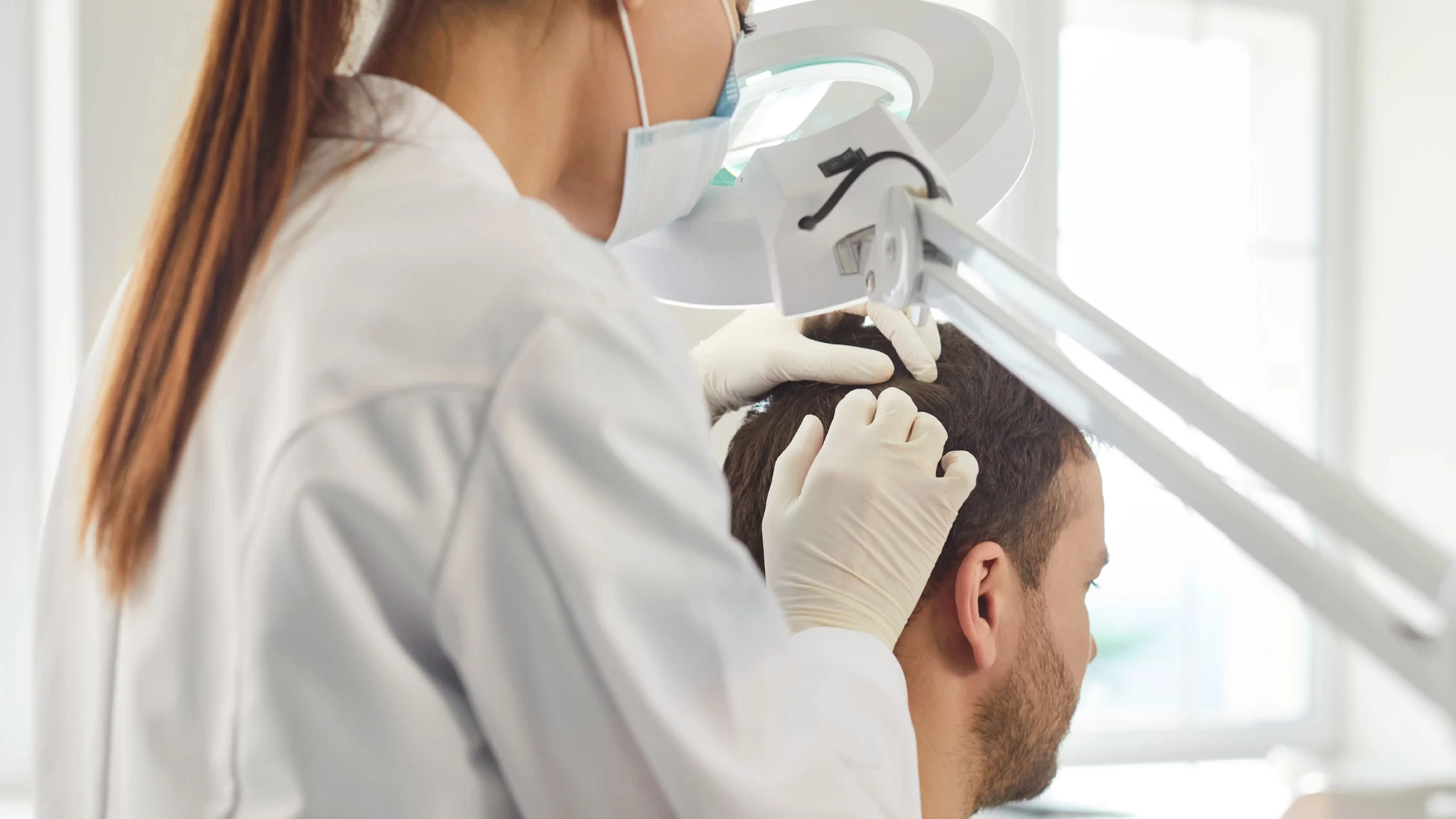
A common question is, can a dermatologist help with hair loss? The answer is often yes. A dermatologist focuses on the scalp and hair, making them a key part of early evaluation. They assess shedding patterns, thinning, and scalp health to identify causes.
When people ask, “Does a dermatologist treat hair loss?”, they are usually thinking about treatment options. A dermatologist can guide care based on diagnosis rather than guesswork. This helps avoid ineffective approaches and supports a more targeted plan.
A hair loss dermatologist may help slow progression, improve scalp conditions, or support regrowth in some cases. However, results vary, and not all types of hair loss respond the same way. Some are temporary, while others need long-term management.
What a Dermatologist Does for Hair Loss
| Step | What Happens | Purpose |
|---|---|---|
| Medical History | Reviews onset, stress, illness, medications | Identify triggers and narrow causes |
| Scalp Exam | Checks density, distribution, inflammation | Differentiate common vs uncommon conditions |
| Pattern Analysis | Evaluates thinning pattern and shedding type | Classify type of hair loss |
| Diagnostic Tests | Pull test, biopsy, or labs if needed | Confirm diagnosis when unclear |
| Diagnosis | Combines all findings | Guide targeted treatment plan |
American Academy of Dermatology – Hair Loss Diagnosis and Treatment
NCBI – Alopecia Evaluation
Cleveland Clinic – Hair Loss Overview
Disclosures
Diagnostic steps reflect standard dermatology practice. Specific tests vary by case and are not always required.
Can Hair Loss Be Reversed or Improved?
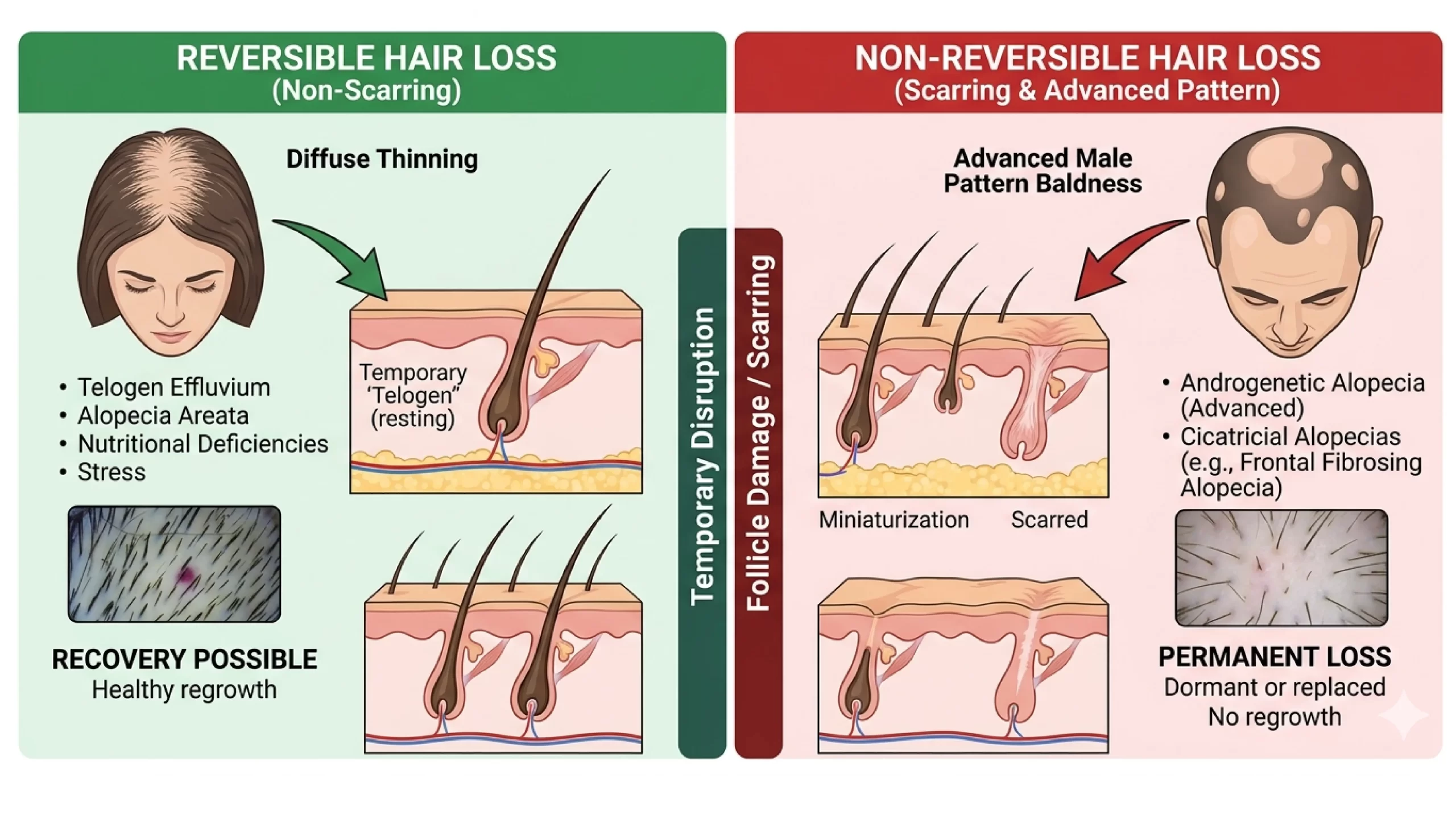
Many people want to know if hair loss can be reversed. The answer depends on the cause. Some types improve when the underlying issue is addressed, while others are progressive.
A dermatologist for thinning hair can help determine what is possible. Temporary shedding may improve, while long-term thinning often needs ongoing care. This helps set realistic expectations.
Questions like “Can a dermatologist help with male pattern baldness?” are common. A dermatologist can confirm the condition and guide the next steps. Treatment may slow loss or improve density, but full reversal is not always possible.
What Hair Loss Looks Like and When to See a Dermatologist
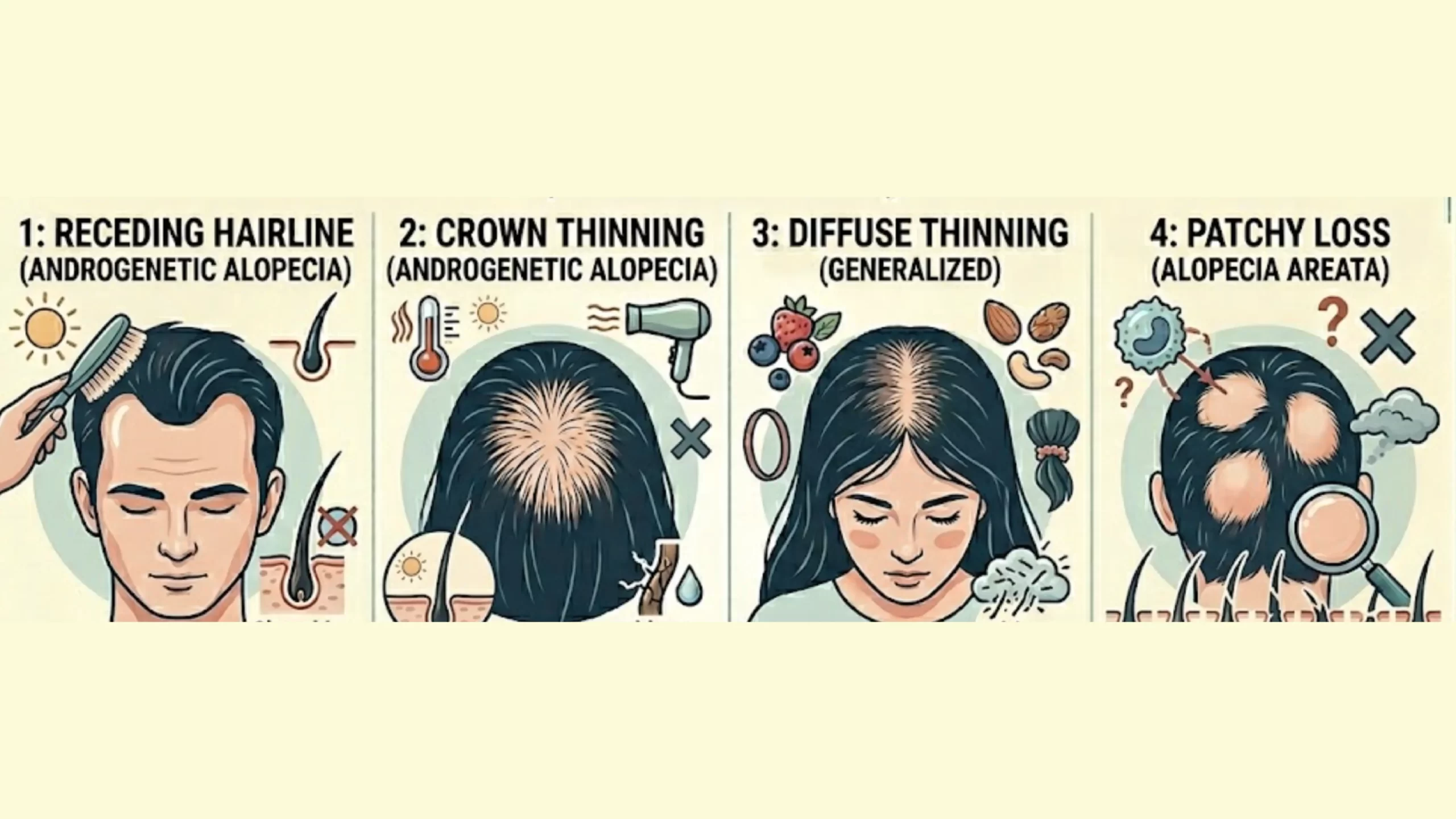
Understanding what hair loss looks like helps guide decisions. Hair loss may appear in several common ways:
- Gradual thinning at the crown or hairline
- A receding hairline that slowly moves back
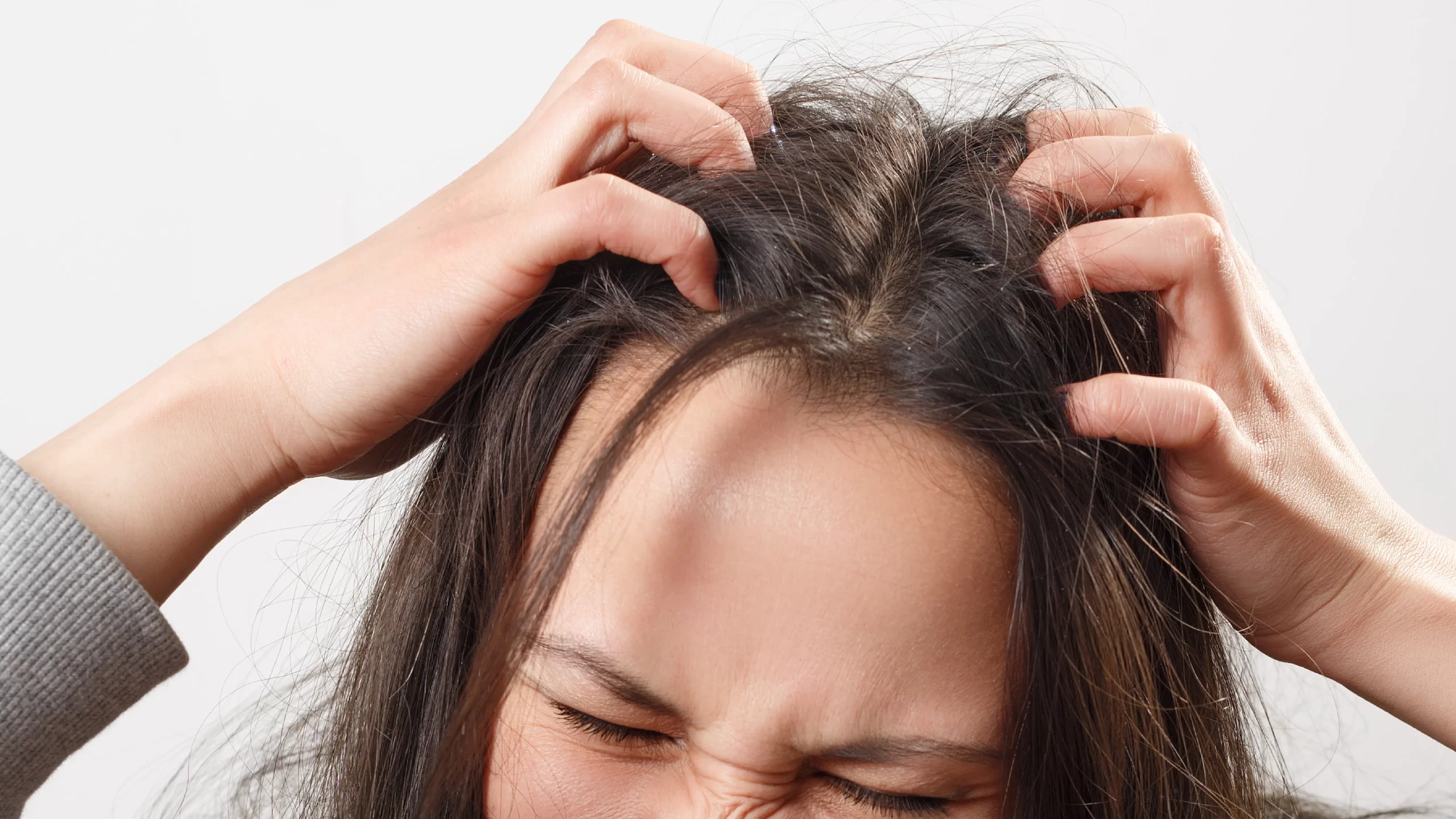
- Increased shedding, especially during washing or brushing
- A wider part or noticeable loss of volume
- Patchy or uneven areas of hair loss
Recognizing these patterns early can help determine when to seek evaluation.
Seeing a dermatologist for receding hairline may help if changes continue over time. Sudden shedding or visible thinning should also be evaluated. Early review can help identify reversible causes.
Many people ask who to see for thinning hair when symptoms persist. A dermatologist is usually the first step. They can assess the condition and guide the next steps.
What Doctor to See for Hair Loss
People often search for what doctor to see for hair loss or what type of doctor to see for hair loss. In most cases, the answer is a dermatologist. They are trained to manage scalp and hair conditions.
If you are asking what doctor I go to for hair loss, a dermatologist is a practical starting point. They can evaluate common causes and recommend next steps. If needed, they may refer you to another specialist.
Questions like “What doctor should I see for hair loss?” often come up with ongoing symptoms. A dermatologist helps reduce uncertainty and keeps care focused.
Ready to Take the Next Step?
Whether you are just starting to notice thinning or already exploring hair trasplant options.
Dr. Kopelman offers personalized consultations tailored to your goals.
Ready to Take the Next Step?
Whether you are just starting to notice thinning or already exploring hair trasplant options, Dr. Kopelman offers personalized consultations tailored to your goals.
Hair Loss Treatment Options and What Works Best
Treatment depends on the cause and stage of hair loss. There is no single approach that works for everyone. A dermatologist may recommend a plan based on individual needs.
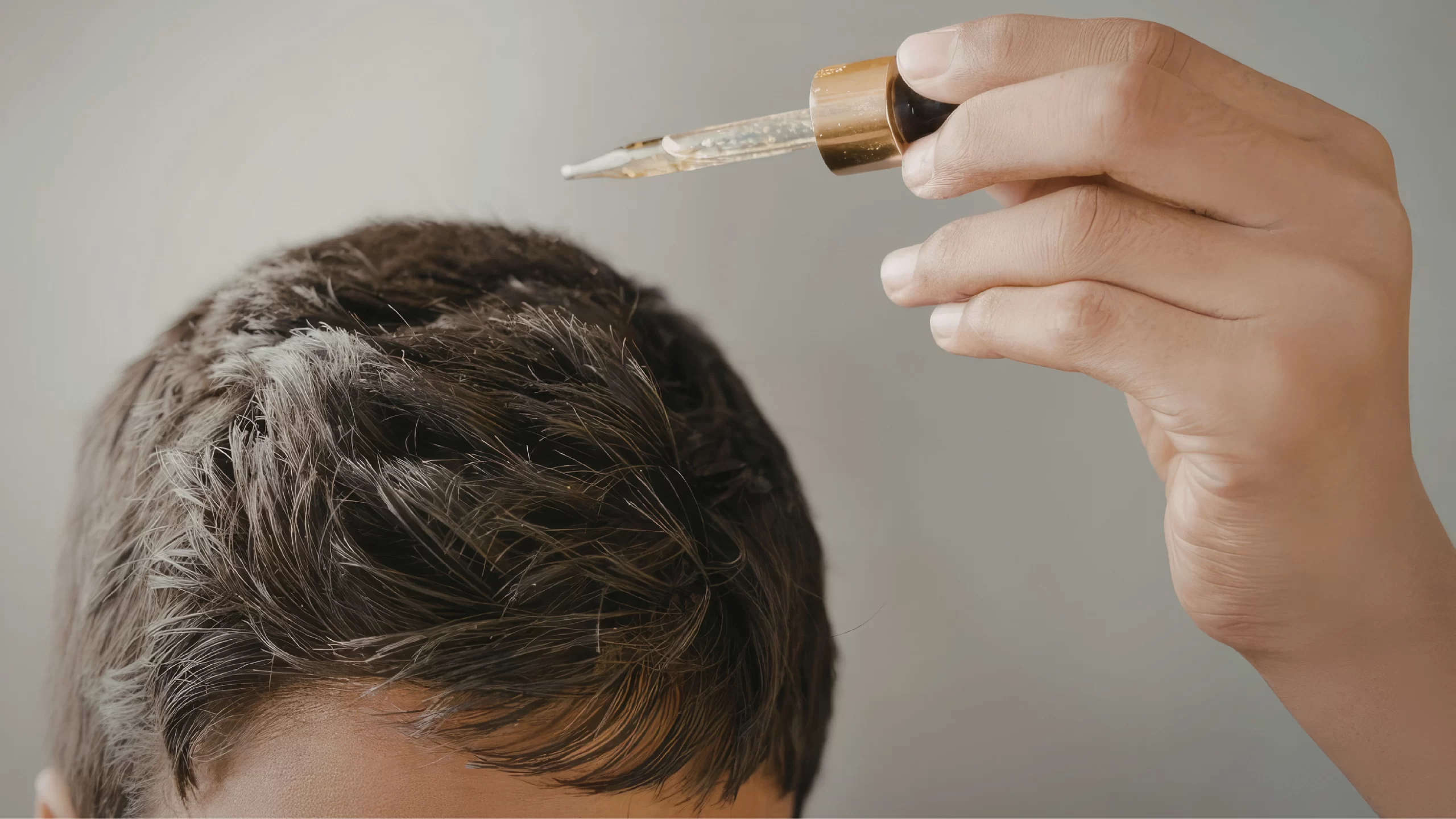
Common options in baldness therapy include topical treatments and in-office procedures. These aim to support hair growth or slow further loss. Results vary and often take time.
A dermatologist for hair loss may suggest combining methods. This can include improving scalp health or addressing underlying issues. The best approach depends on the diagnosis.
Hair Loss Treatment for Women
Hair loss in women often involves different causes. Hormonal changes, stress, and nutrition may play a role. A dermatologist can assess these factors and suggest next steps.
When discussing the best hair loss treatment for female patients, there is no single answer. Some cases improve by addressing underlying causes, while others need long-term care. Evaluation helps guide decisions.
A dermatologist’s hair loss consultation for women focuses on patterns and contributing factors. The goal is to understand the cause and set realistic expectations.
How Long Does Hair Regrowth Take
Hair growth takes time because it follows a natural cycle. Early changes may appear after a few months. More visible improvement often takes six to twelve months.
Results vary depending on the type of hair loss. Consistency is important, and stopping treatment may reduce progress. Patience is often required.
A dermatologist can help set realistic timelines. This helps reduce frustration and improve expectations.
Hair Transplant Options and Recovery
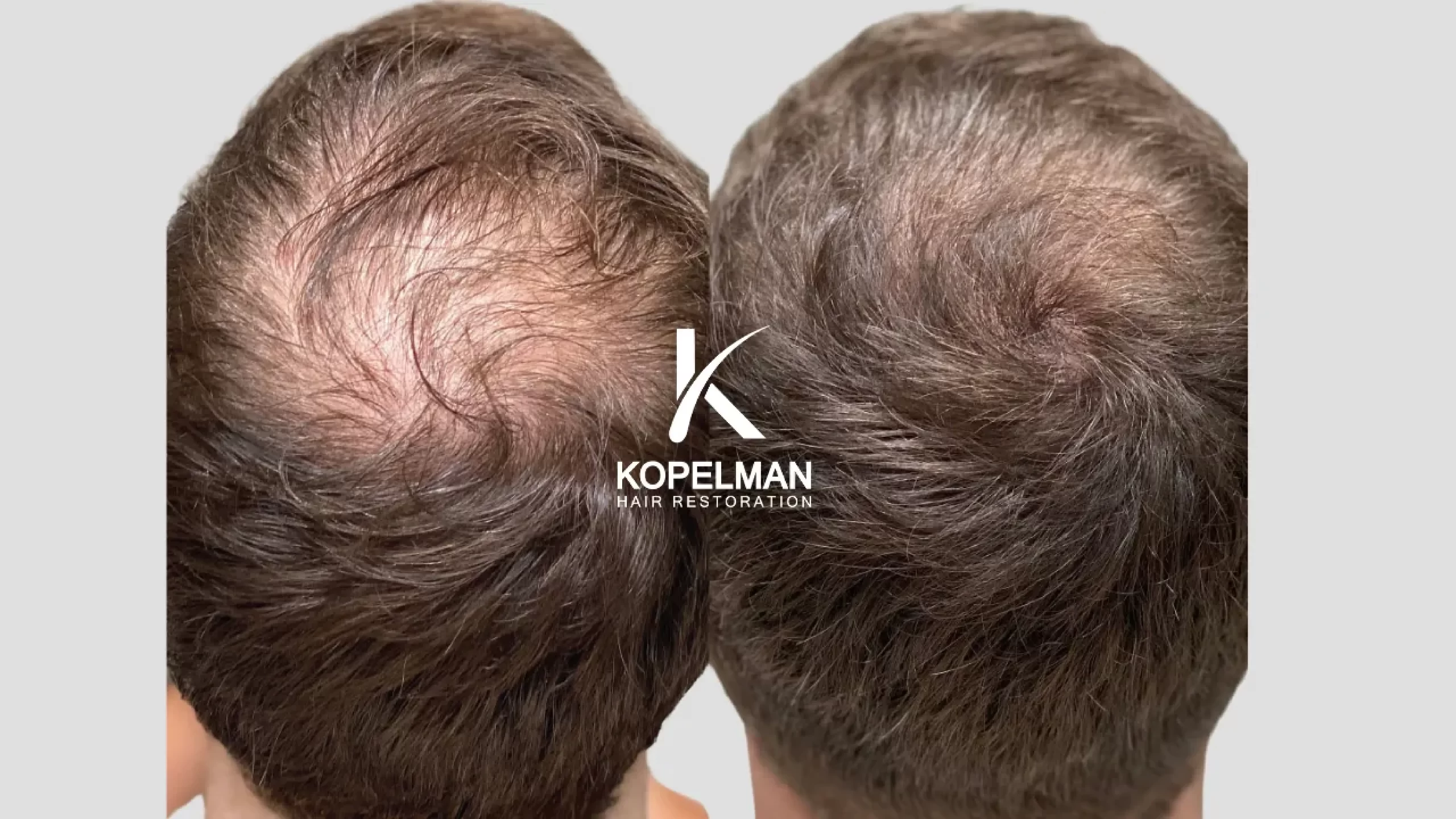
Hair transplantation is an option for stable, pattern-based hair loss. It involves moving hair from a donor area to areas of thinning. This can improve appearance in selected cases.
Methods include FUE and FUT. FUE removes individual follicles, while FUT uses a strip method. The choice depends on individual factors.
Recovery is gradual. Early healing occurs within a week, followed by shedding. New growth begins after a few months. At Unshaven Hair Clinic, discreet approaches like shaveless FUE may be used when appropriate.
How to Find a Dermatologist for Hair Loss Near You
If you are searching for a dermatologist for hair loss near me, look for experience in scalp and hair conditions. Providers who focus on these areas may offer more targeted evaluation. Reviews and credentials can also help guide your decision.
Some people search for the best dermatologist for hair loss. The right choice depends on individual needs and experience with similar cases. A clear consultation process is often a good sign.
Choosing the right provider helps improve clarity and direction. A proper evaluation can guide treatment decisions more effectively.
Final Thoughts
Hair loss has many causes, and not all require treatment. A dermatologist plays a key role in identifying the cause and guiding next steps.
If you are unsure what doctor to see for hair loss, starting with a dermatologist is often the most practical choice. They can help you understand your condition and options.