At Unshaven Hair Clinic, led by Dr. Ross Kopelman, patients often ask whether inflammation plays a role in hair loss. The short answer is yes, inflammation can cause hair loss in certain conditions, but it is not always the main cause. As a specialist in hair restoration and shaveless FUE, Dr. Kopelman focuses on identifying the underlying factors behind thinning before recommending treatment.
Key Takeaways
- Inflammation can cause hair loss in certain conditions, but it is often a contributing factor rather than the primary cause.
- Chronic inflammation can disrupt the hair growth cycle, leading to thinning, increased shedding, and weaker hair over time.
- Some types of inflammatory hair loss are reversible if treated early, while scarring conditions can lead to permanent follicle damage.
- Effective management focuses on identifying and addressing the underlying cause, rather than treating inflammation alone.
- A proper evaluation is important to determine whether inflammation is involved and to guide the most appropriate treatment approach.
Does Inflammation Cause Hair Loss or Hair Thinning?
Can inflammation cause hair loss? Yes, it can, but the effect depends on the type and severity of inflammation. In some cases, inflammation directly disrupts hair follicles and leads to shedding. In other cases, it acts as a contributing factor that worsens existing hair loss conditions.
Inflammation can also lead to thinning rather than complete hair loss. It may shorten the hair growth phase and increase shedding, which results in finer, weaker strands over time. This is why people often notice gradual thinning instead of sudden hair loss, which can help explain how much loss of hair is normal.
Not all inflammation leads to permanent damage. Mild or temporary inflammation may allow hair to grow back once the scalp environment improves. However, long-term or severe inflammation can damage follicles and make regrowth less likely.
How Inflammation Affects Hair Follicles
Hair follicles rely on a stable environment to grow healthy hair. Inflammation introduces stress signals that interfere with the hair growth cycle. These signals can shorten the growth phase and push more hairs into the shedding phase.
Over time, chronic hair loss inflammation may weaken follicles. This can lead to thinner strands and slower regrowth. In more severe cases, long-term inflammation may reduce the follicle’s ability to produce hair.
Types and Causes of Inflammatory Hair Loss
Inflammatory hair loss appears in several different conditions. Each condition involves inflammation in a different way, which affects how hair loss develops and progresses.
| Condition | Description | Cause | Key Feature |
|---|---|---|---|
| Pattern Hair Loss | Progressive thinning following a predictable pattern | Genetics and hormones, low-grade inflammation may contribute | Gradual recession or crown thinning |
| Alopecia Areata | Autoimmune condition targeting hair follicles | Immune system attacks follicle structures | Sudden patchy hair loss |
| Scarring Alopecia | Inflammatory destruction of hair follicles | Chronic inflammation leading to permanent damage | Permanent hair loss in affected areas |
| Telogen Effluvium | Temporary shedding triggered by stress or illness | Physiologic stress disrupting hair cycle | Diffuse shedding across scalp |
American Academy of Dermatology – Types of Hair Loss
Cleveland Clinic – Alopecia Areata
Cleveland Clinic – Telogen Effluvium
Cause descriptions reflect general clinical consensus. Exact mechanisms vary by individual and condition subtype.
These conditions show that inflammation and hair loss are often linked, but not always in the same way, especially when looking at why hair loss happens. Some forms are temporary, while others may lead to long-term changes.
Inflammatory Hair Loss Symptoms and Scalp Inflammation Symptoms
Inflammatory hair loss symptoms are not always obvious. Some people notice discomfort before they see visible thinning. Others may not feel any symptoms at all.
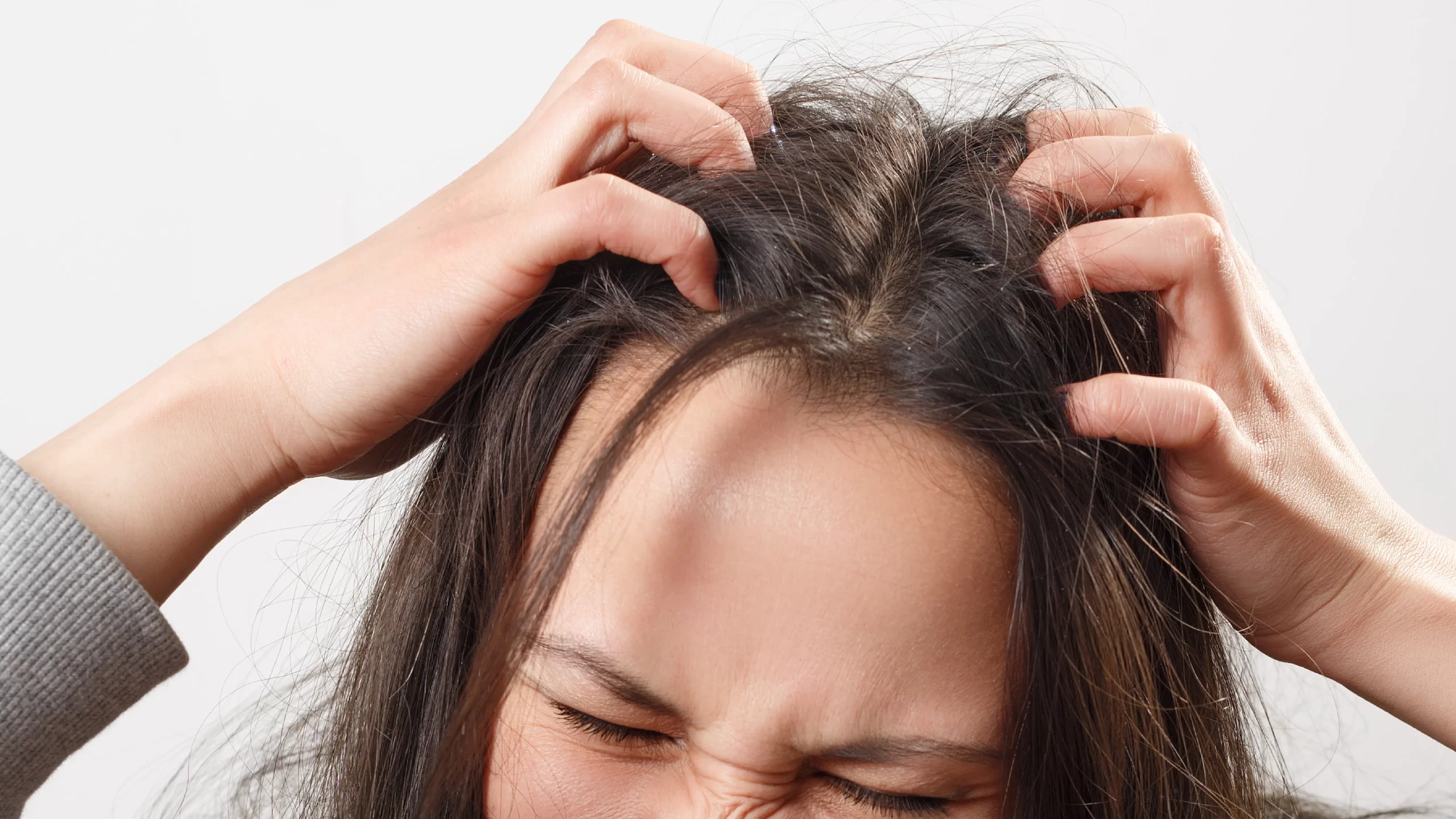
Common scalp inflammation symptoms include:
- itching or burning
- tenderness when touching the scalp
- flaking or irritation
- redness in certain areas
Scalp inflammation hair loss may develop even without strong symptoms. This is why early evaluation can help identify subtle signs before hair loss progresses.
Can Inflammation Cause Hair Loss in Women and Females?
Many people ask can inflammation cause hair loss in women, especially when thinning appears without a clear pattern. Women often experience diffuse thinning, which can be harder to notice early. Inflammation may play a role by affecting the hair growth cycle.
Hormonal changes can also influence how inflammation affects the scalp. This is why can inflammation cause hair loss in females is a common concern during life stages like menopause. A proper evaluation helps determine whether inflammation is contributing to the issue.
Can Hair Loss from Inflammation Grow Back or Become Permanent?
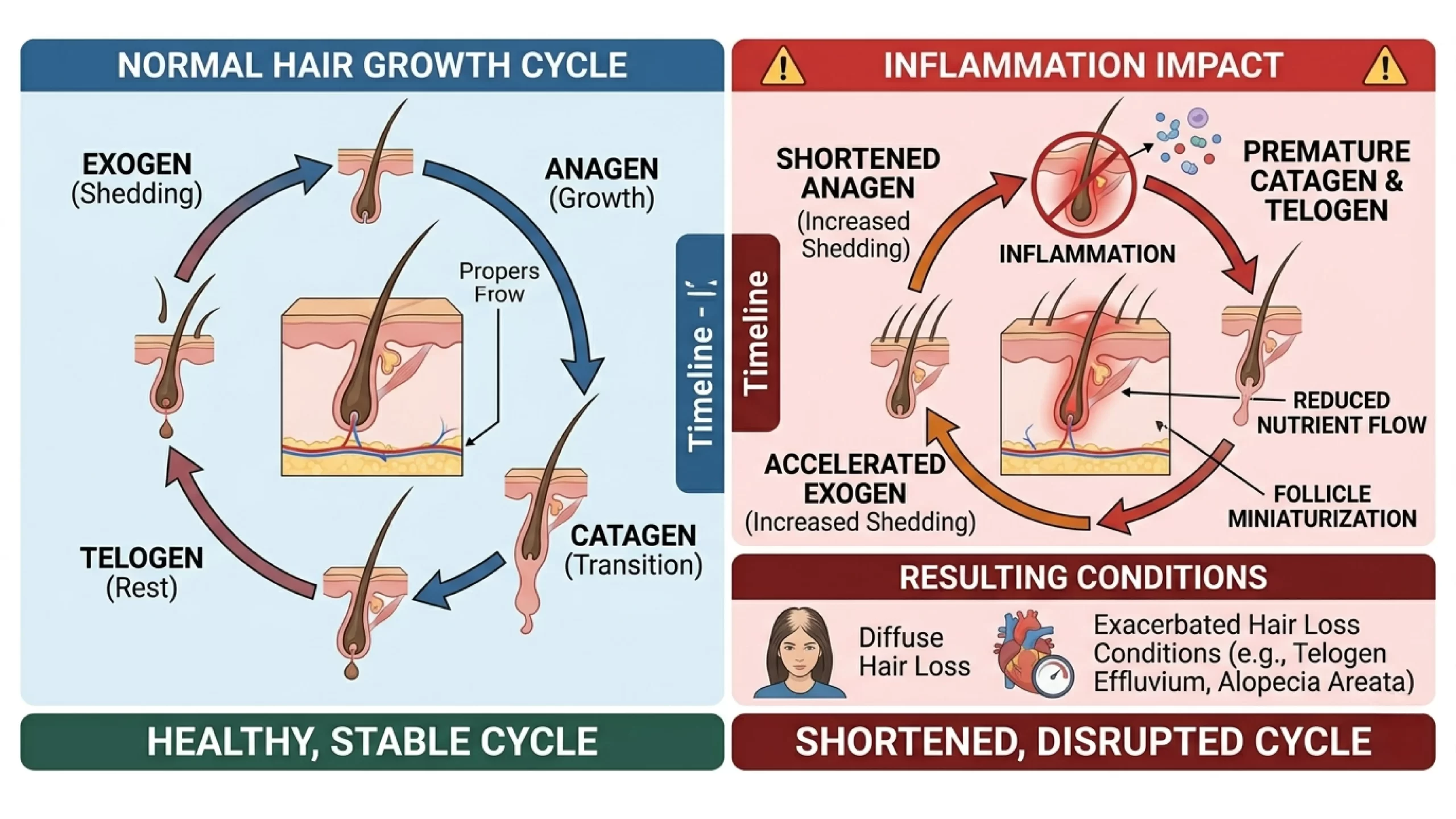
Hair regrowth depends on the condition causing the inflammation. In non-scarring conditions, hair can often grow back once inflammation is controlled. The follicles remain intact, which allows the growth cycle to recover.
In scarring conditions, inflammation damages the follicle itself. Once this damage occurs, hair does not grow back. This is why early treatment is important when inflammatory hair loss is suspected.
How to Treat Hair Loss Due to Inflammation
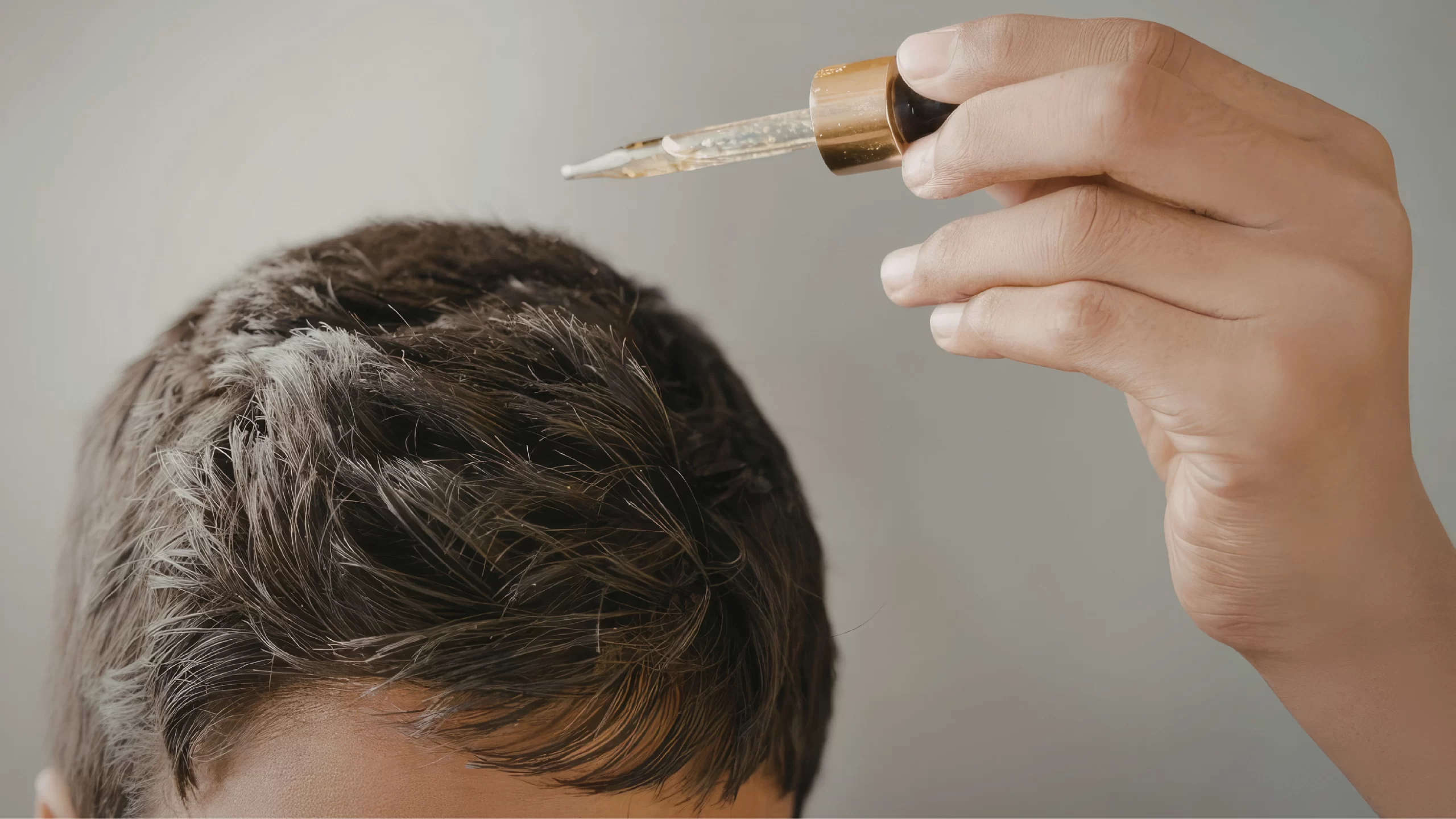
When considering how to treat hair loss due to inflammation, the focus is on reducing the underlying trigger. Treatment may involve improving scalp health and addressing the specific condition causing inflammation. The goal is to stabilize the environment around the follicles and support regrowth with products to encourage hair growth.
Approaches often include:
- topical treatments that calm irritation
- therapies that support the hair growth cycle
- addressing contributing factors like stress or scalp conditions
There is no single solution for all cases. The best approach depends on the diagnosis and the condition of the follicles.
How to Treat Scalp Inflammation Naturally
Some people look for ways to manage scalp inflammation without medical treatments. Natural approaches can support scalp health when used appropriately. They are most effective in mild cases or as part of a broader plan.
Helpful strategies may include:
- using gentle hair care products
- avoiding harsh chemicals or excessive heat
- maintaining a consistent scalp hygiene routine
- managing stress levels
These steps may help reduce irritation, but they do not replace proper evaluation when symptoms persist.
Anti-Inflammatory Diet and Hair Loss
The idea of an anti-inflammatory diet hair loss approach is often discussed. Diet can influence overall inflammation levels in the body, which may indirectly affect the scalp. Eating whole, balanced foods can support general health.
Foods that may help reduce inflammation include fruits, vegetables, and healthy fats. However, diet alone is not a primary treatment for hair loss. It works best as a supportive measure alongside other strategies.
How Hair Loss from Inflammation Is Diagnosed
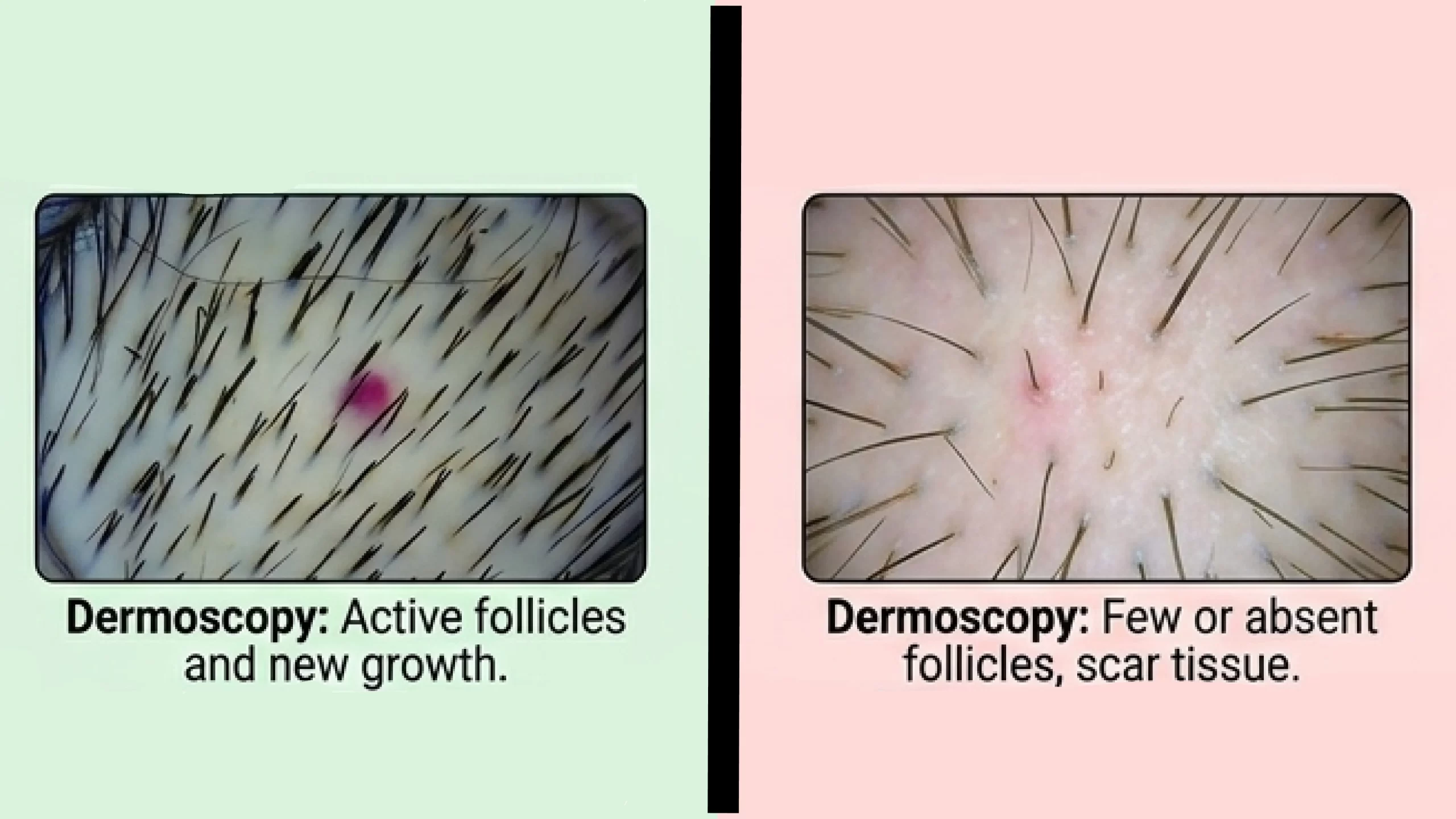
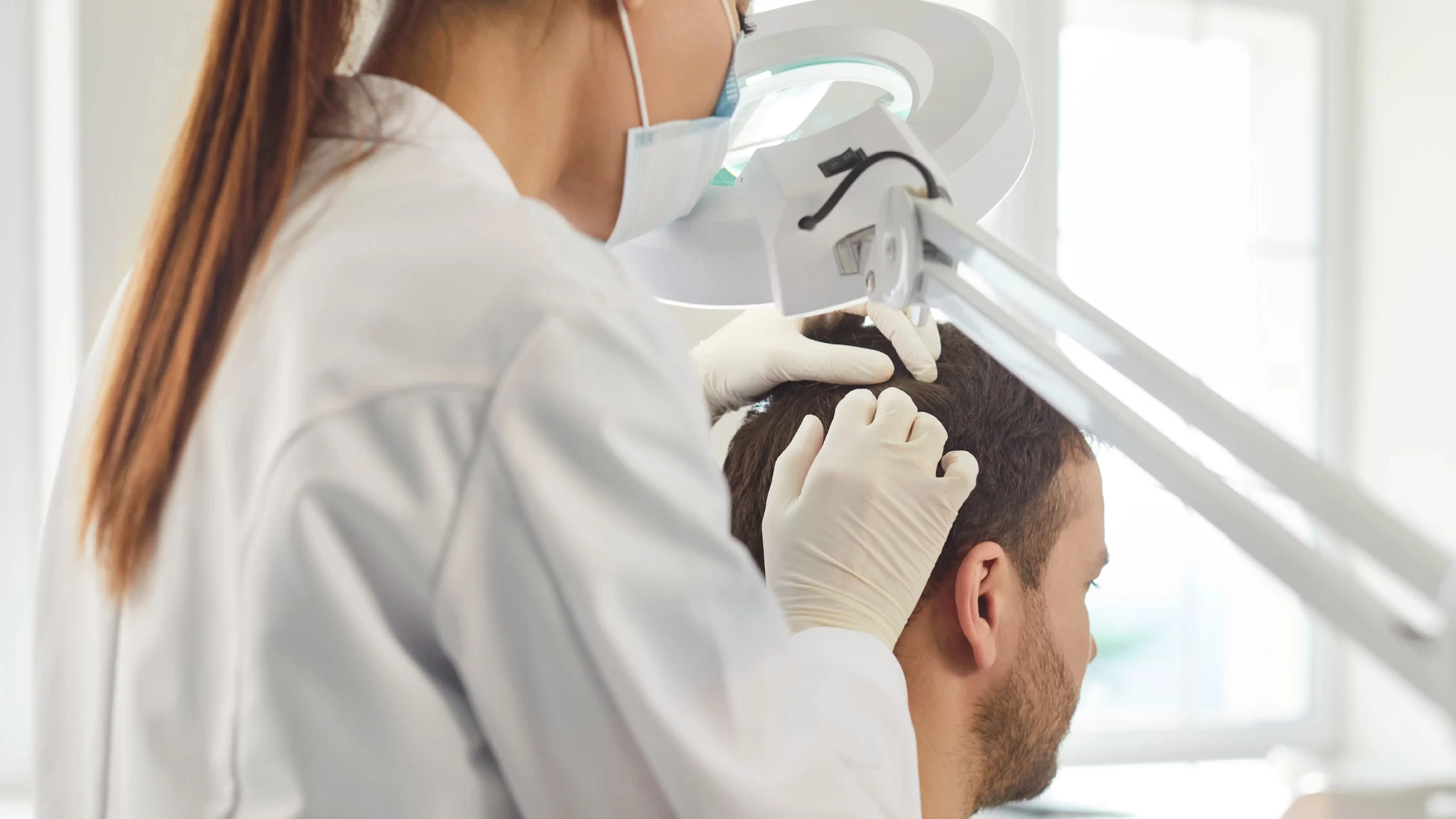
Diagnosing inflammation-related hair loss requires a careful evaluation. A specialist will look at the scalp, review medical history, and assess the pattern of hair loss. This helps determine whether inflammation is a contributing factor.
In some cases, tools like magnified scalp imaging may be used. This allows a closer look at the follicles and surrounding skin. The goal is to identify the type of hair loss and guide the next steps.
Online Advice vs Medical Evaluation
Many people search online for answers, including discussions like can inflammation cause hair loss reddit. While these sources can provide general insights, they often mix different conditions together. This can lead to confusion about causes and treatments.
A medical evaluation focuses on the individual. It separates symptoms from underlying causes and provides a clearer understanding of what is happening. This approach leads to more accurate and reliable guidance.
Why Inflammation Matters for Hair Restoration
Inflammation is an important factor when considering hair restoration procedures. A healthy scalp environment supports better healing and more consistent outcomes. Ongoing inflammation may affect how well the scalp responds.
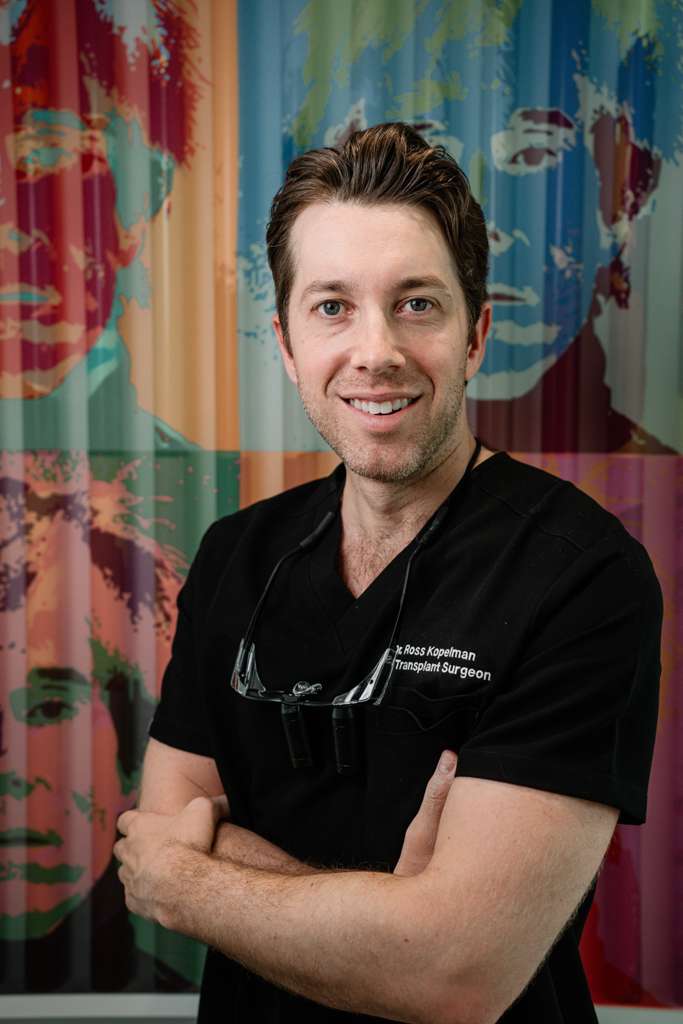
At clinics like Unshaven Hair Clinic, scalp health is evaluated before planning procedures. Dr. Ross Kopelman emphasizes identifying inflammation early to support better long-term results. This approach helps create a more stable foundation for treatment.
Ready to Take the Next Step?
Whether you are just starting to notice thinning or already exploring hair trasplant options.
Dr. Kopelman offers personalized consultations tailored to your goals.
Ready to Take the Next Step?
Whether you are just starting to notice thinning or already exploring hair trasplant options, Dr. Kopelman offers personalized consultations tailored to your goals.
Bottom Line
Inflammation can play a role in hair loss, but it is not always the main cause. It may act as a contributing factor that affects how hair grows and sheds. Understanding the link between inflammation and hair loss helps guide more informed decisions and realistic expectations.