Yes, stress can cause hair loss in certain situations, most often through a condition known as telogen effluvium. This form of alopecia due to stress occurs when a larger number of hair follicles shift into the shedding phase in response to a physical or emotional trigger. The hair loss is usually diffuse and affects overall density rather than specific areas like the hairline. In most cases, the process is temporary, and hair regrowth begins once the underlying stress resolves.
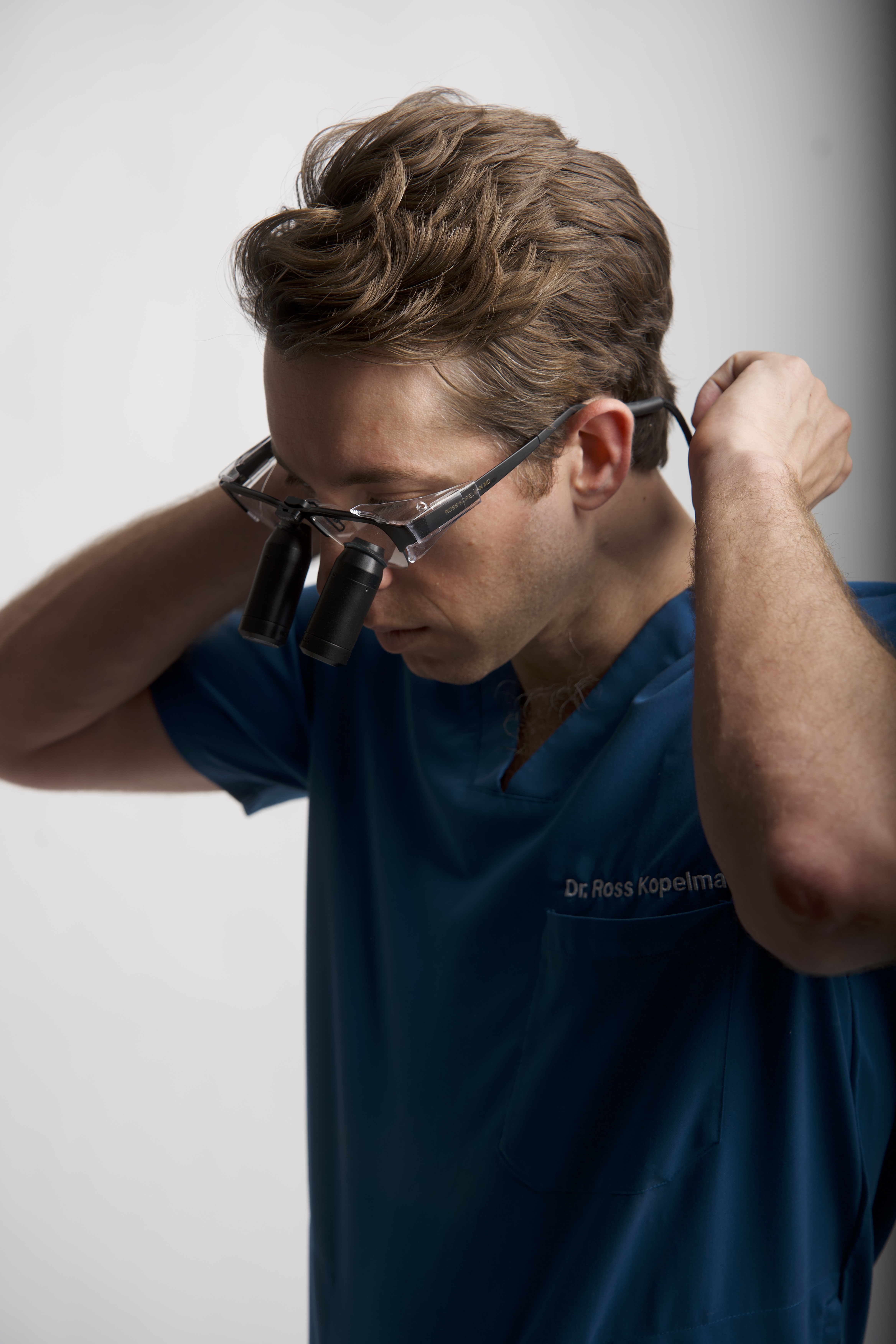
At Unshaven Hair Clinic, patients often ask whether stress alone explains sudden shedding. Dr. Ross Kopelman, a physician focused on hair restoration and shaveless FUE, emphasizes that understanding the hair growth cycle helps explain these changes. A structured evaluation helps separate temporary shedding from other types of hair loss.
Key Takeaways
- Stress can cause hair loss by disrupting the hair growth cycle, pushing more hair follicles into the shedding phase, a condition known as alopecia due to stress.
- This type of hair loss usually appears as diffuse thinning across the scalp and often begins 2 to 3 months after a physical or emotional trigger.
- In most cases, stress-related hair loss is temporary, and hair regrowth begins once the underlying cause is resolved.
- Recovery takes time, and full hair density may take several months to return as new hairs gradually thicken.
- Persistent shedding, patchy hair loss, or changes in pattern may indicate another condition and should be evaluated.
Can Stress Cause Hair Loss, Hair Fall, or Thinning?
Many people ask, ” Can stress cause hair loss, or is it a coincidence? The answer is yes, but it occurs through changes in the hair growth cycle rather than direct damage. Stress can push more hair follicles into the resting phase, which leads to delayed shedding, often related to cortisol and hair loss. This explains why emotional stress can cause hair loss weeks after the trigger.
You may also ask, can stress cause hair thinning, or can stress make you noticeably lose hair? The pattern is usually diffuse thinning rather than a receding hairline. Questions like could stress cause hair loss often come from this delayed timing. This presentation is typical of alopecia due to stress and is usually reversible.
Hair Loss Due to Stress: Causes and Telogen Effluvium
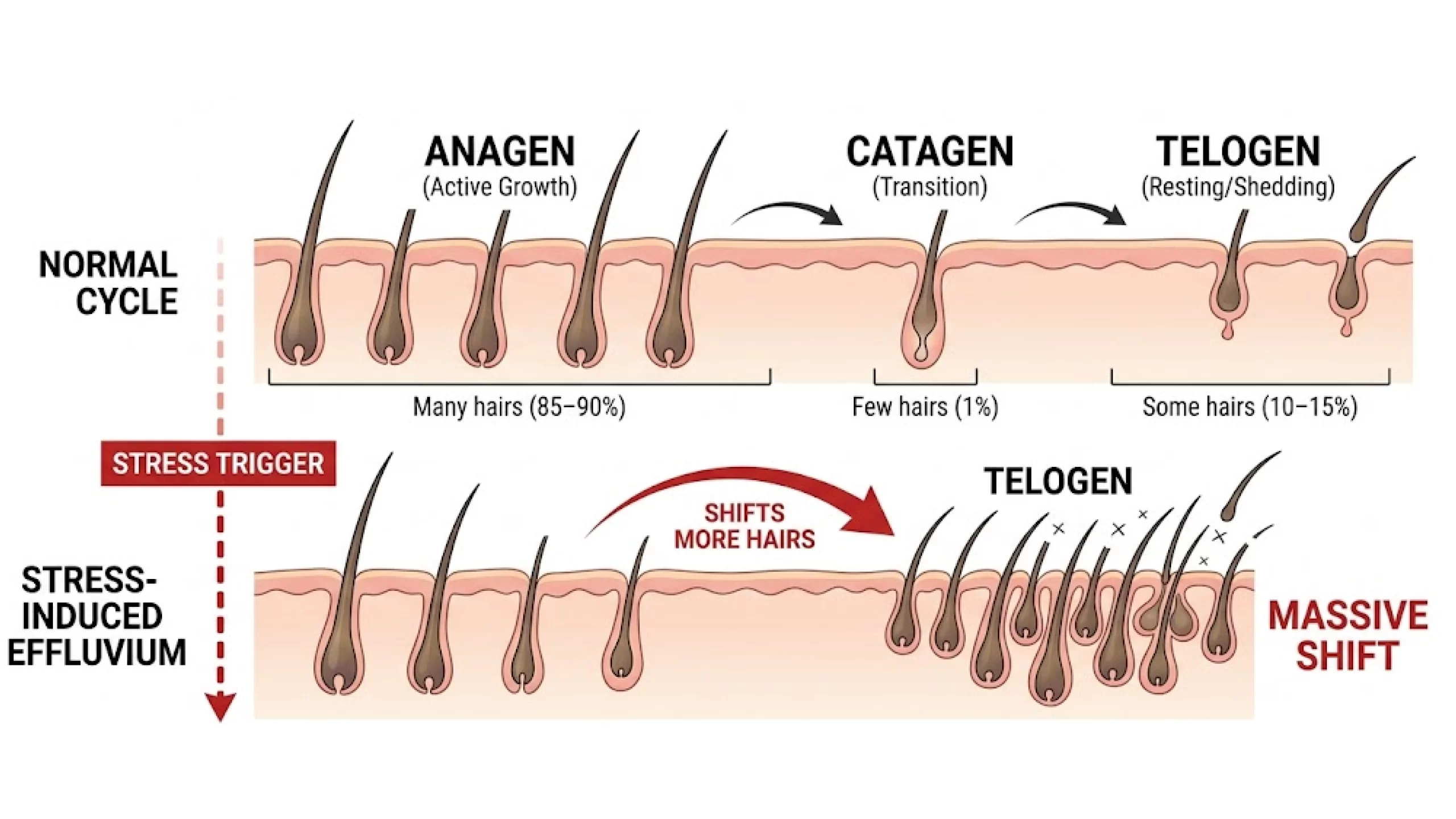
Hair loss due to stress is most commonly linked to telogen effluvium. This condition disrupts the normal hair growth cycle by shifting more hair follicles into the resting phase at once. As a result, shedding increases later rather than immediately.
This process does not damage hair follicles permanently. Instead, it alters the timing of the cycle. That is why alopecia and stress are connected through a temporary shift rather than a permanent loss. Once the cycle resets, hair follicles can resume normal growth.
Stress triggers can include illness, surgery, weight changes, or emotional strain. In many cases, more than one factor is present. This explains why stress-caused hair loss is often part of a broader picture.
What Does Hair Loss From Stress Look Like?
People often ask what hair loss from stress looks like. The most common pattern is diffuse thinning across the scalp. The hairline usually remains stable, which helps distinguish it from genetic hair loss.
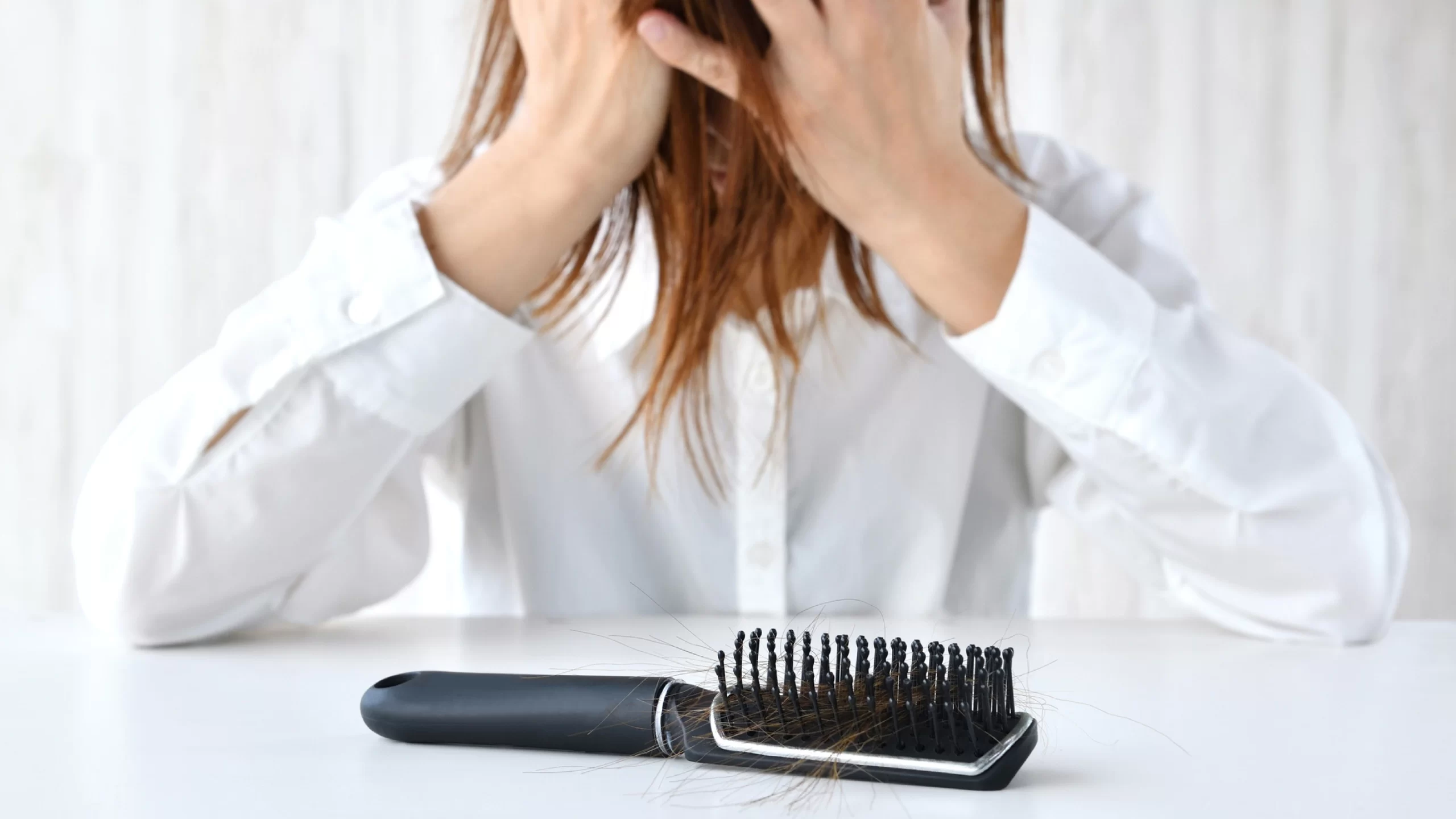
The symptoms of hair loss due to stress include increased shedding during washing or brushing. You may notice more hair in the shower or on clothing. The scalp typically appears normal, without redness or scarring.
Timing and Duration: How Long Does Stress Hair Loss Last?
A common question is how long stress hair loss lasts. Shedding usually begins about two to three months after the stress event. This delay is part of how hair follicles move through the cycle.
The shedding phase often lasts three to six months. After that, the hair growth cycle begins to normalize. New hair starts to grow, although it may appear fine at first.
Does Hair Loss From Stress Grow Back?
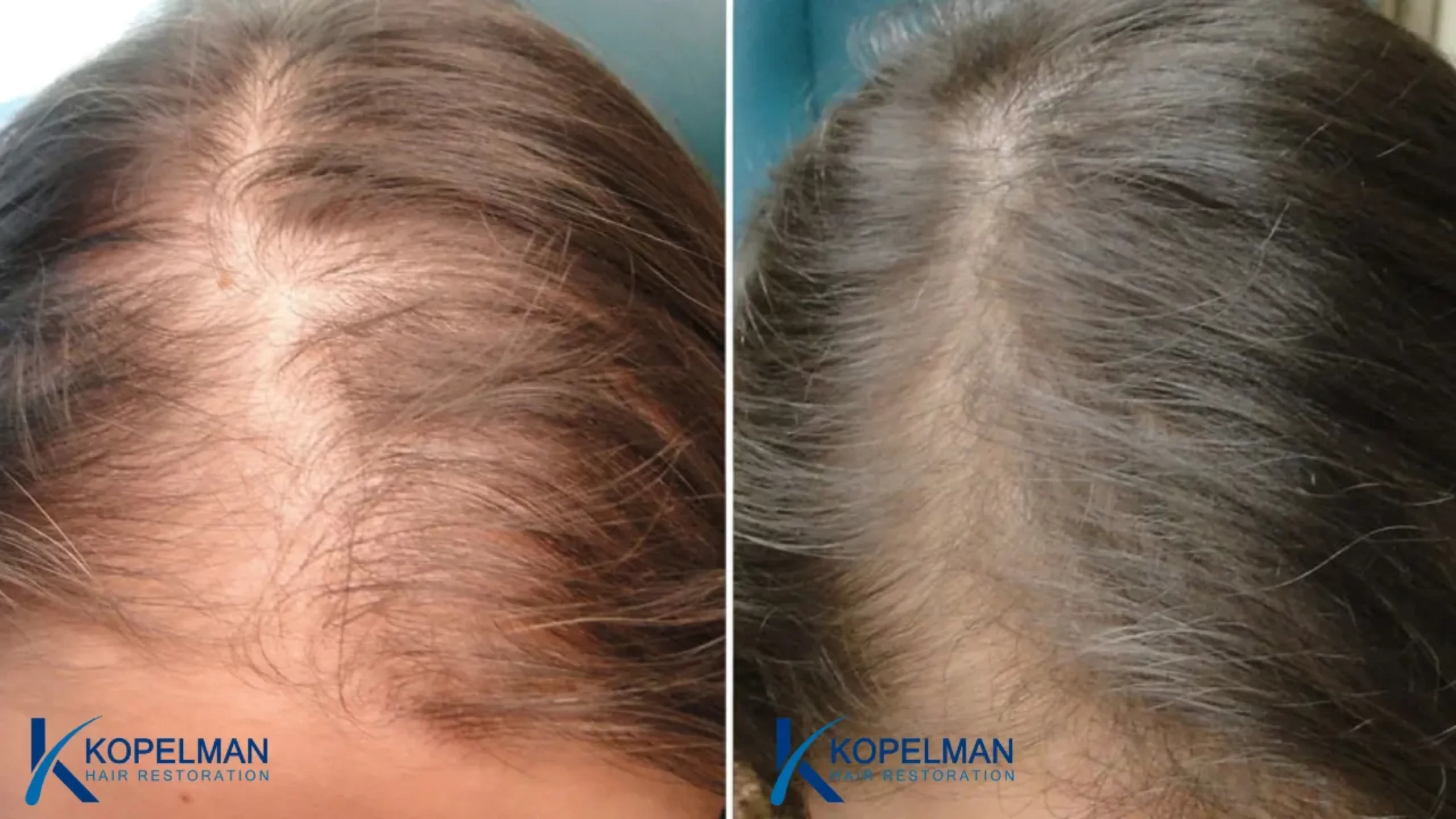
Many people ask,” Will stress hair loss grow back. In most cases, regrowth occurs because hair follicles remain intact. Once the cycle normalizes, new hair begins to develop.
Regrowth is gradual and may start with thinner strands. Over time, these hairs become thicker. Full density may take several months to return.
How to Regain Hair Loss From Stress (Treatment and Nutrition)
If you are asking how to regain hair loss from stress, the focus should be on restoring normal function rather than forcing rapid regrowth. The first step is identifying and addressing the underlying trigger. This may include managing stress, improving sleep, or treating medical conditions.
Nutritional support also plays a role. Adequate protein intake supports hair follicles during regrowth. Nutrients such as iron, vitamin D, and zinc may be evaluated if deficiency is suspected.
Alopecia and Stress: Other Conditions to Know
While telogen effluvium is the most common form of alopecia due to stress, other conditions may be involved. Alopecia and stress can overlap, which may change how hair loss appears. This makes accurate evaluation important.
What Triggers Alopecia Areata?
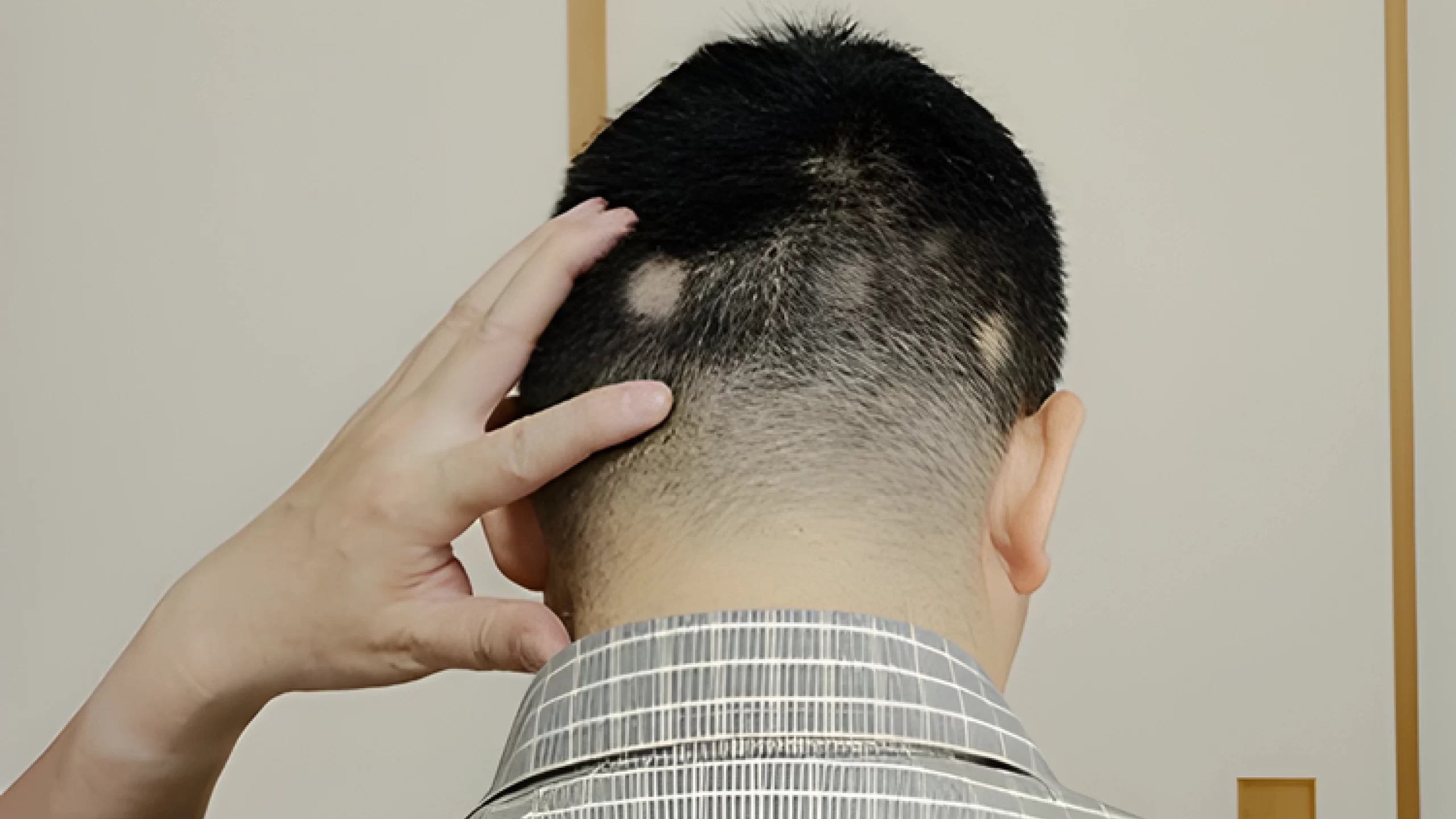
Alopecia areata is an autoimmune condition that causes patchy hair loss. The immune system targets hair follicles, leading to defined areas of hair loss. Stress may act as a trigger, but it is not the only cause.
This condition differs from telogen effluvium because it produces localized patches rather than diffuse thinning.
Stress and Hair Loss in Females
Stress and hair loss in females often present as overall thinning. Hormonal changes can interact with stress and make shedding more noticeable. This is common during postpartum or menopause.
When to Seek Medical Evaluation for Hair Loss
Alopecia due to stress often improves over time, but some cases require further evaluation. Persistent shedding beyond six months may suggest another cause. Changes in pattern or distribution also require attention.
You should consider evaluation if:
- Shedding continues without improvement
- Hair loss becomes patchy
- Thinning affects specific areas like the crown or hairline
Where Hair Restoration Fits (and When It Doesn’t)
Hair restoration is not typically used for active stress-related shedding. Hair follicles remain capable of regrowth, so the focus stays on stabilizing the hair growth cycle.
If long-term thinning is present, treatment options may be considered later. At Unshaven Hair Clinic, Dr. Ross Kopelman emphasizes diagnosis before intervention.
Ready to Take the Next Step?
Whether you are just starting to notice thinning or already exploring hair trasplant options.
Dr. Kopelman offers personalized consultations tailored to your goals.
Ready to Take the Next Step?
Whether you are just starting to notice thinning or already exploring hair trasplant options, Dr. Kopelman offers personalized consultations tailored to your goals.
Bottom Line
Alopecia due to stress is usually a temporary disruption of the hair growth cycle. Stress can increase shedding, but it does not typically damage hair follicles permanently. Most people experience regrowth once the trigger resolves.
Understanding the pattern and timeline helps reduce uncertainty. Clear expectations allow for better decisions and avoid unnecessary concern.