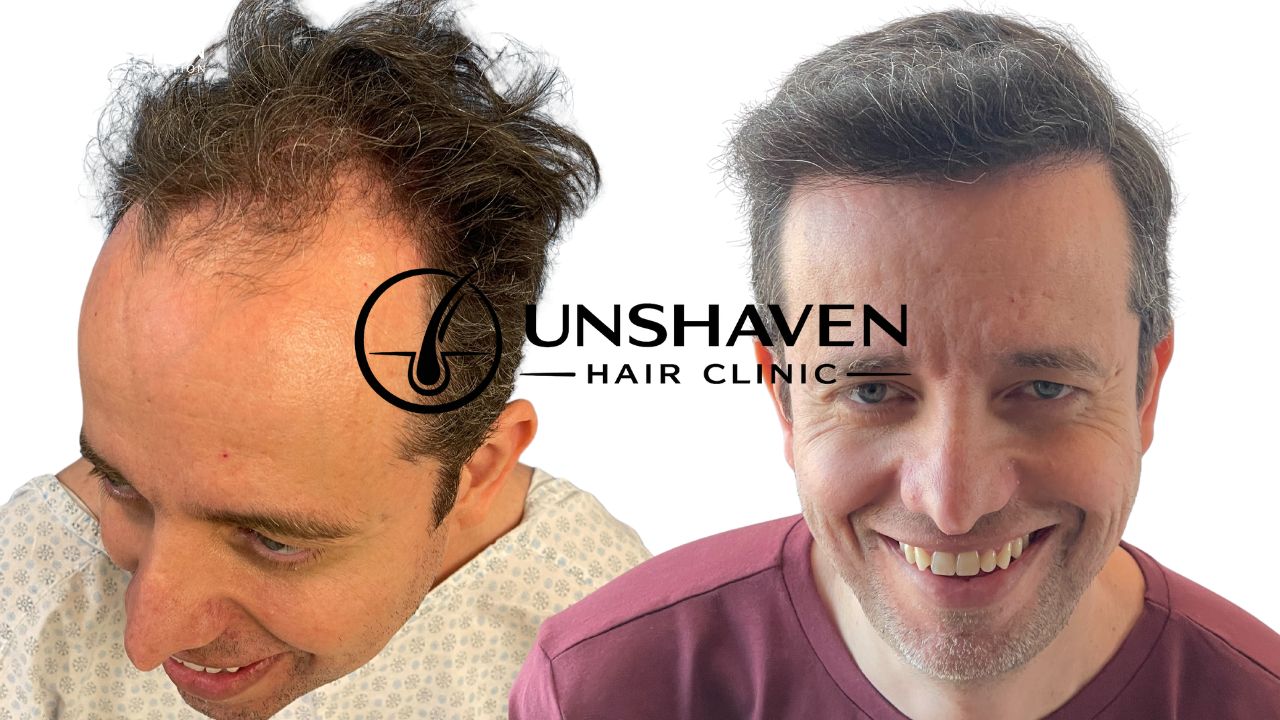
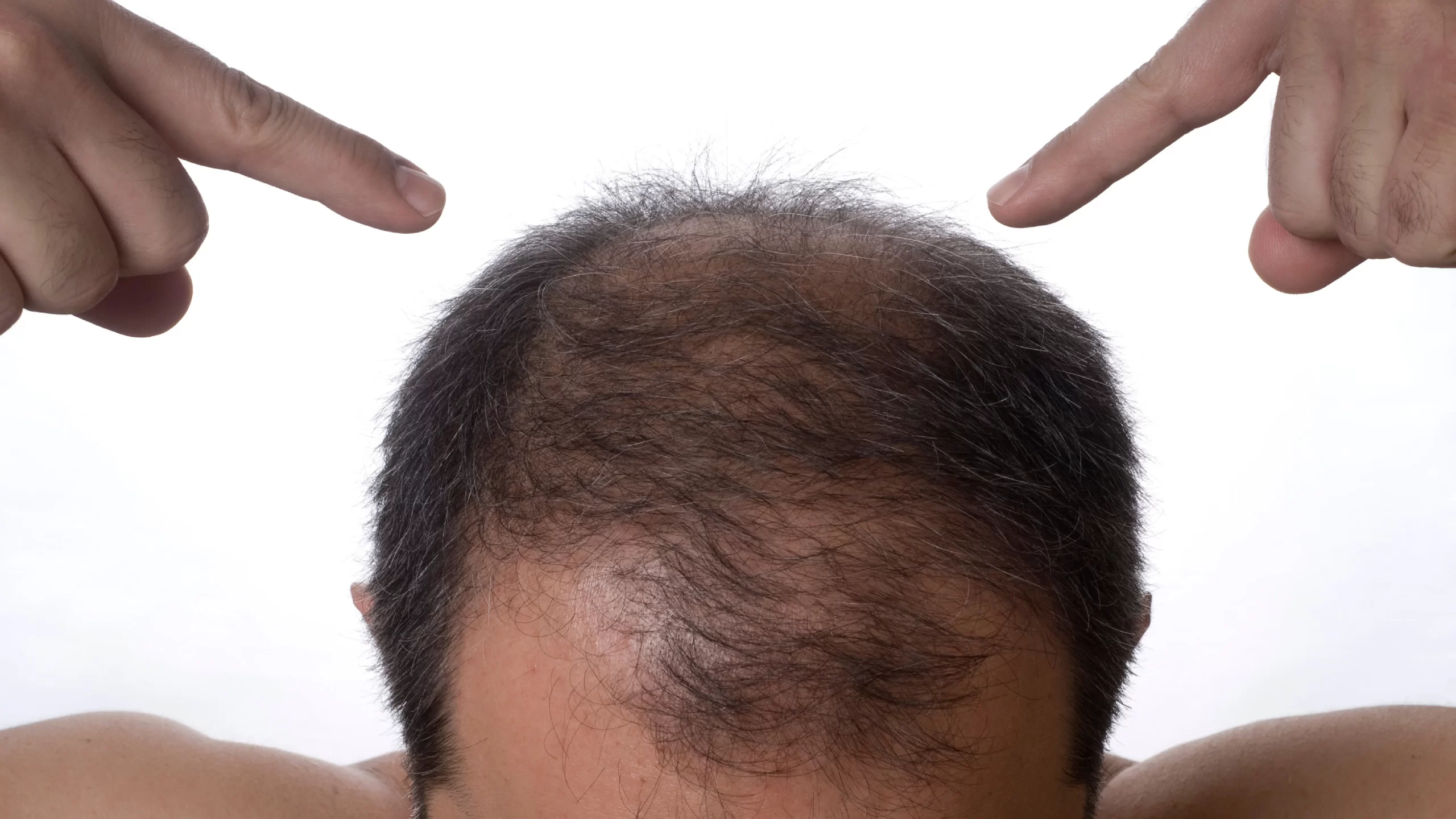
Male pattern baldness is a common, genetically driven condition caused by sensitivity to hormones like dihydrotestosterone, which leads to gradual thinning and predictable hair loss over time.
It typically progresses from a receding hairline to crown thinning and may continue without intervention, though treatment options can help slow or improve appearance depending on the individual. This process, often referred to as bald headedness, varies in speed and pattern from person to person.
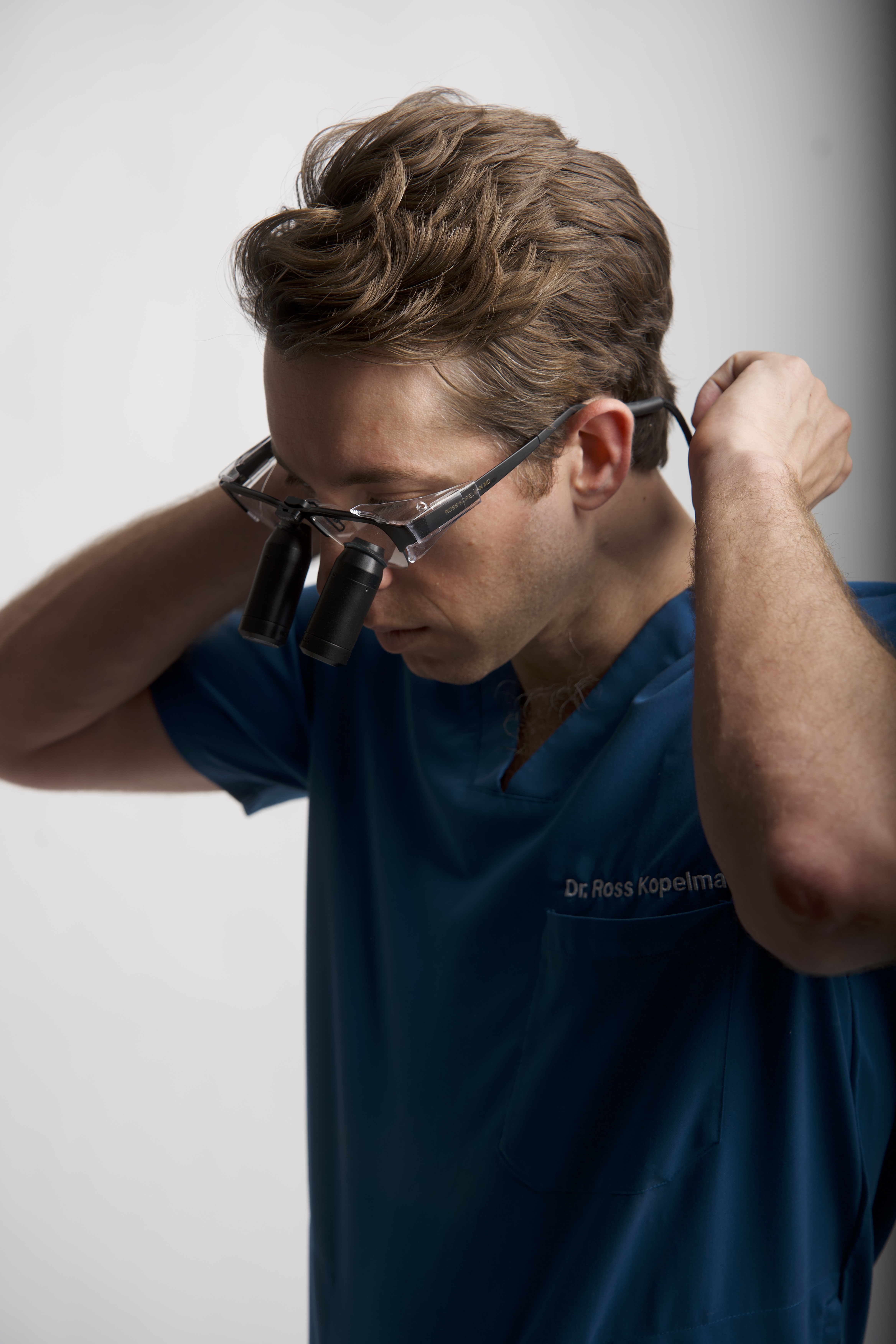
At Unshaven Hair Clinic, led by Dr. Ross Kopelman, the focus is on clear, medically grounded explanations of hair loss and realistic treatment expectations, including advanced techniques such as shaveless FUE.
Key Takeaways
- Male pattern baldness is a genetically driven condition influenced by hormone sensitivity, leading to gradual follicle miniaturization and predictable hair loss patterns.
- Early signs often include a receding hairline and crown thinning, and progression varies by individual but typically follows a recognizable pattern over time.
- Proper evaluation is important to confirm the cause of hair loss and rule out other conditions, such as nutritional deficiencies or temporary shedding.
- Treatment options can help slow progression or improve appearance, but results take time and vary based on the stage of hair loss and individual factors.
- Nutritional support and visual examples can provide context, but they do not replace clinical assessment or determine individual outcomes.
What Causes Male Pattern Baldness or “Bald Headedness”
The most common cause of bald headedness in men is male pattern baldness, a condition clinically known as androgenetic alopecia. Other factors, such as age, overall health, and stress, may influence progression, which helps explain why hair loss happens.
| Metric | Details |
|---|---|
| Prevalence | ~50% of men by age 50 |
| Pattern | Receding hairline, crown thinning |
| Primary Cause | Genetic sensitivity to DHT |
| Progression | Gradual miniaturization of follicles over years |
| Treatment Options | Minoxidil, Finasteride, Hair Transplant |
Disclosures:Prevalence and progression values are approximate based on published population studies.
What Is Male Pattern Baldness
Male pattern baldness, also referred to as alopecia pattern baldness, is a progressive condition that affects the normal hair growth cycle. Hair typically cycles through growth, rest, and shedding phases. In this condition, that cycle becomes disrupted.
Follicles undergo miniaturization, producing finer and less visible hair with each cycle. Eventually, some follicles may stop producing terminal hair altogether. This process explains the gradual nature of thinning.
This is why thinning hair male pattern baldness often begins before obvious hair loss is visible. Subtle changes in density and texture may appear first.
Symptoms and Progression of Bald Headedness

The symptoms of bald headedness usually follow a predictable pattern. Many men first notice a receding hairline or thinning at the crown. These changes often develop gradually.
Common signs include:
- Recession at the temples
- Crown thinning
- Increased scalp visibility
- Slower regrowth in affected areas
As male balding hair progresses, these regions may expand and merge. Long-term observational data show that progression patterns vary, but most individuals follow a recognizable distribution affecting the frontal scalp and crown. The rate of progression differs significantly between individuals.
Bald Headedness Meaning and Related Terms
Bald headedness refers broadly to hair loss affecting the scalp. In medical terminology, this falls under the category of alopecia. Alopecia includes multiple types of hair loss with different causes.
Common related terms include hair loss, baldness, and pattern hair loss. While often used interchangeably, they are not identical. For example, alopecia may refer to both temporary and permanent conditions.
Understanding these distinctions helps clarify discussions about hair baldness in men. It also helps differentiate genetic hair loss from other conditions.
How Hair Baldness in Men Is Evaluated
Evaluation begins with identifying the pattern, timeline, and severity of hair loss. A clinician will assess the scalp and review the medical history. This helps determine whether the presentation is consistent with male pattern baldness.
In some cases, additional testing may be appropriate. Blood work or scalp analysis, including a blood test for hair loss, can help rule out other contributing factors. These include nutritional deficiencies or underlying medical conditions.
Accurate evaluation is essential before treating baldness in men. It ensures that the chosen approach matches the underlying cause.
Bald Headedness Treatment Options
Treatment options for bald headedness focus on either slowing progression or improving hair density. The approach depends on the stage of hair loss and individual factors.
Medical treatments may help maintain existing hair and improve thickness in some cases. These approaches require consistent use and time before visible changes occur. Clinical studies suggest that early intervention is associated with better maintenance of existing hair density, though results vary between individuals.
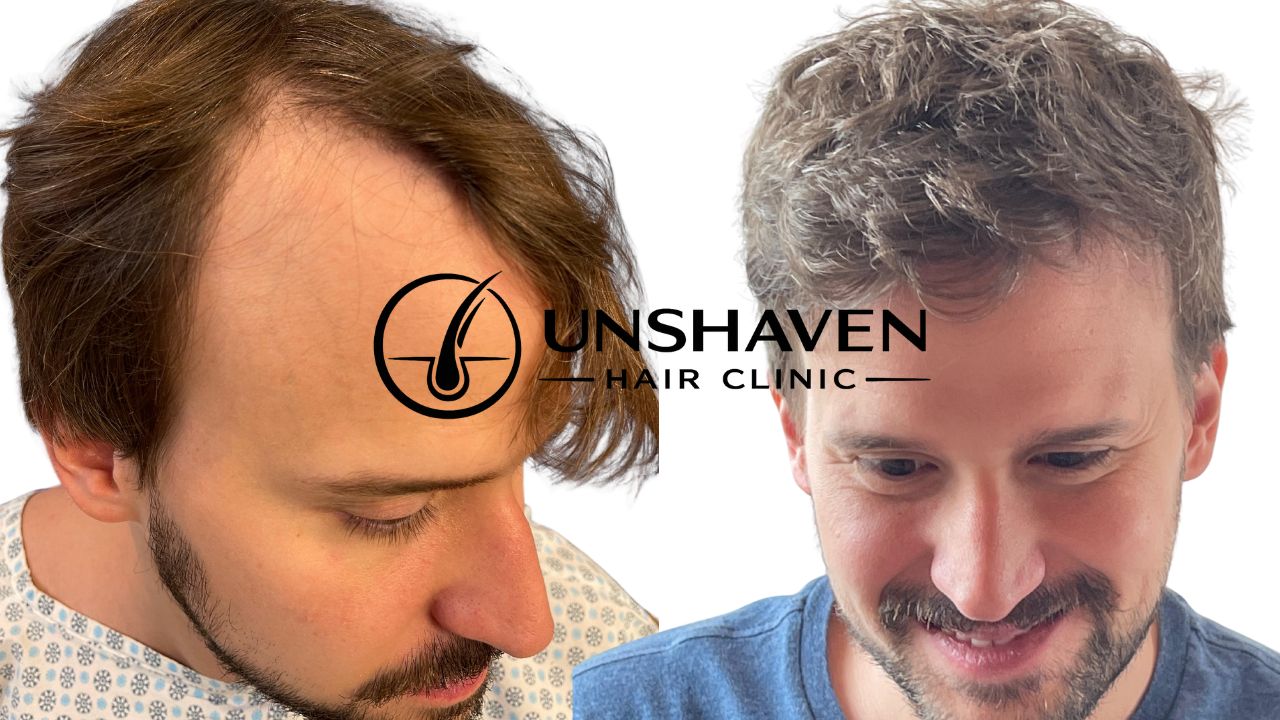
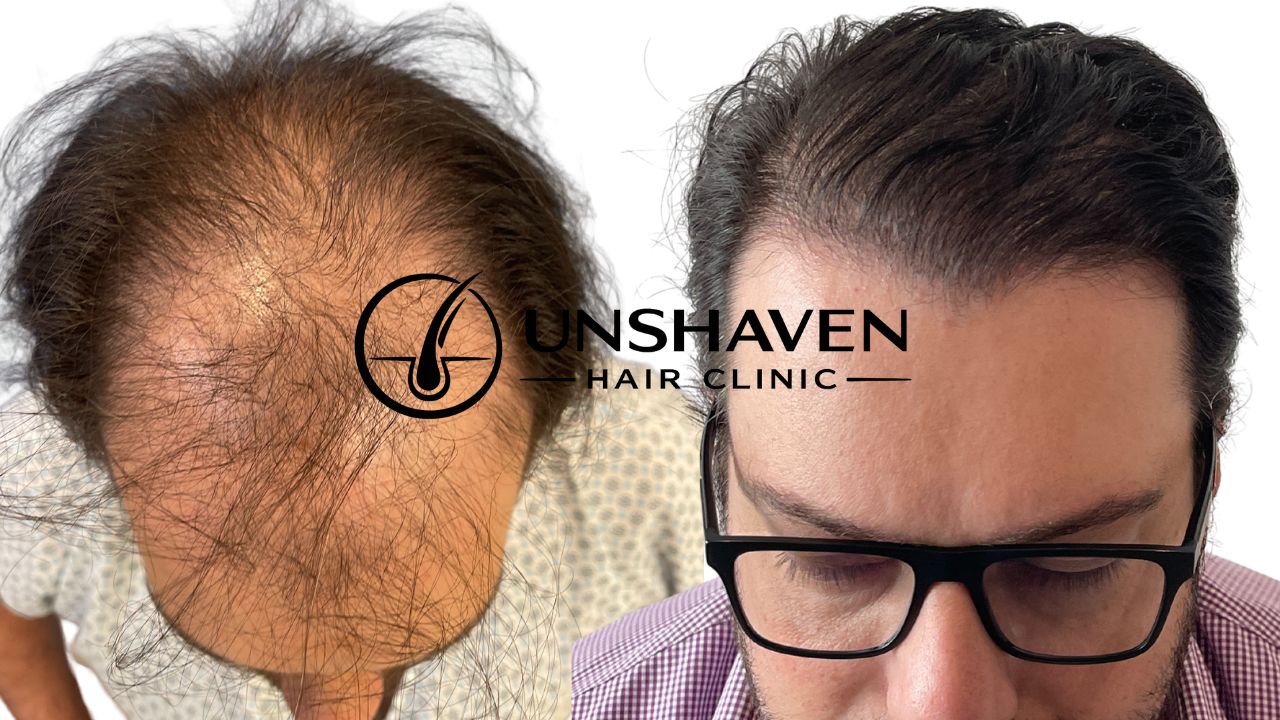
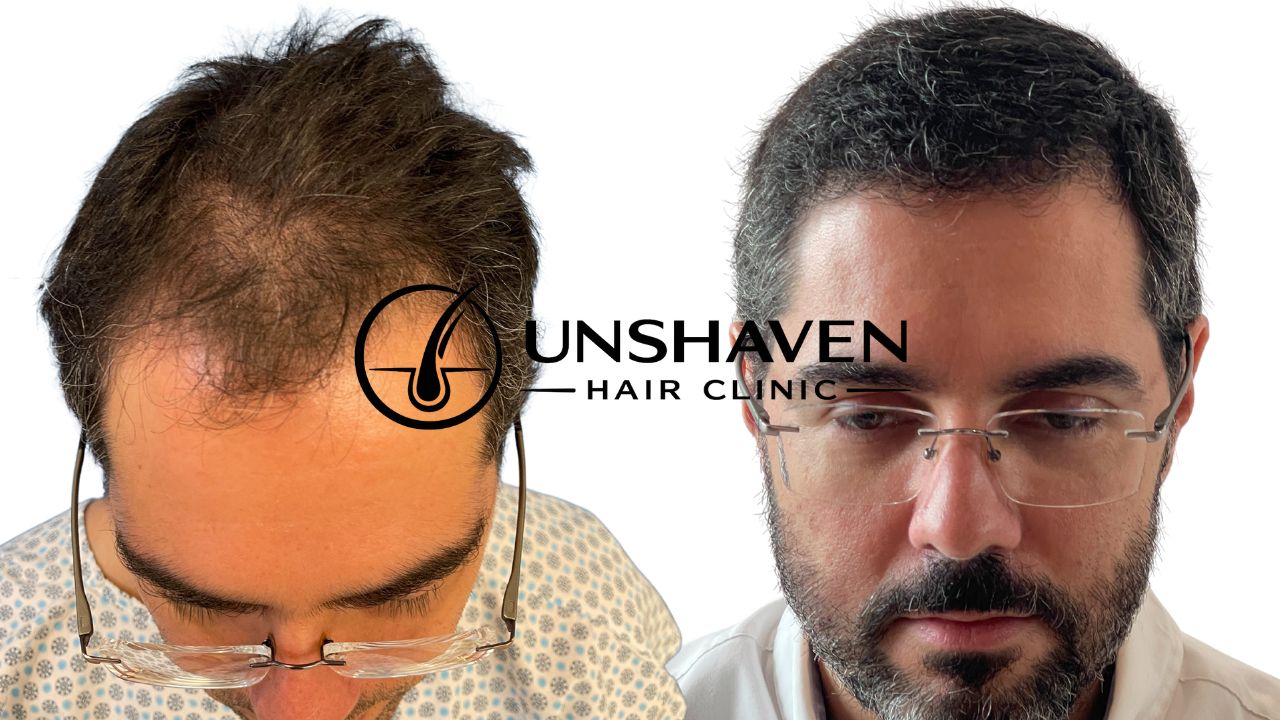
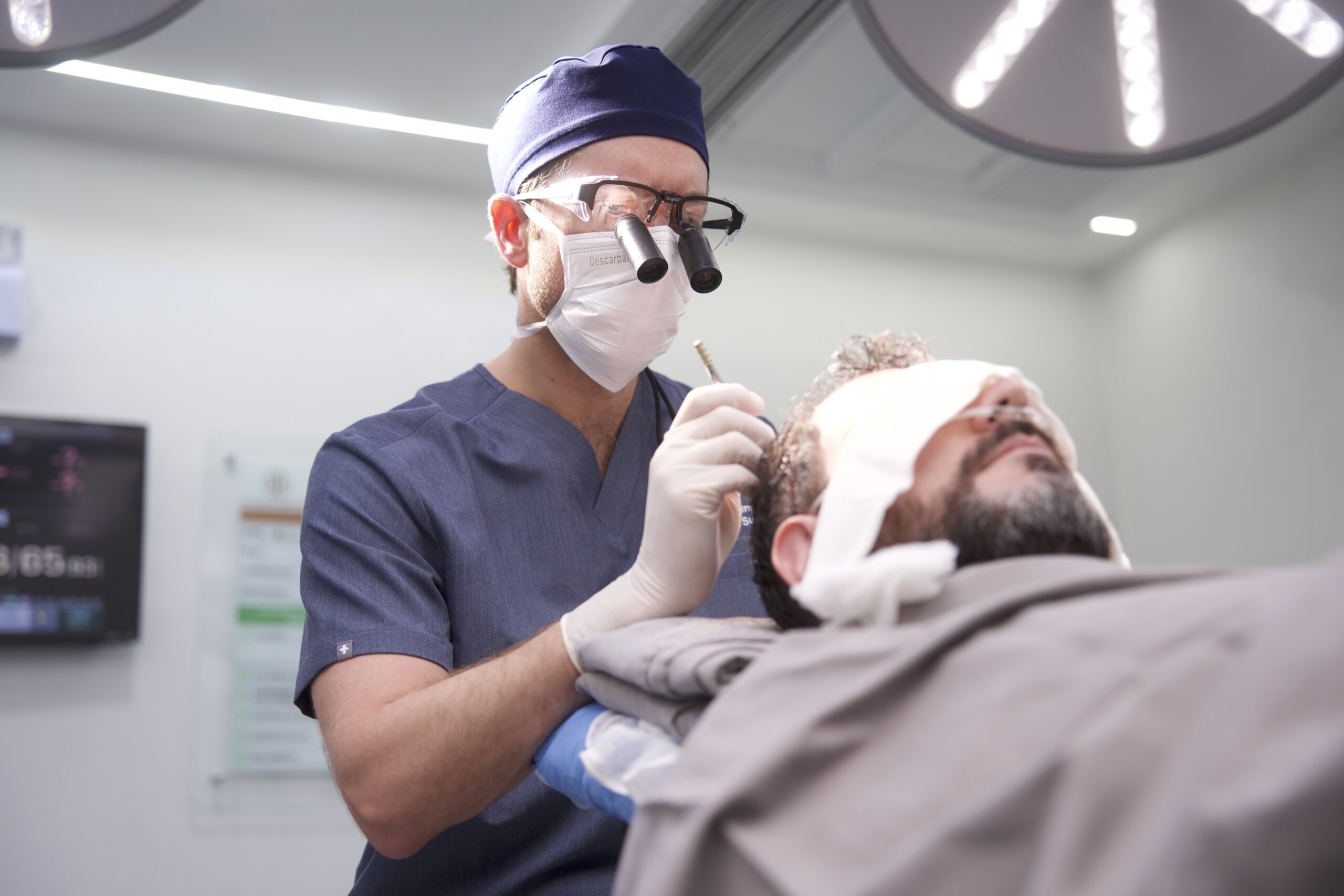
Hair transplantation is a procedural option for selected candidates. It involves redistributing follicles from a stable donor area to thinning regions. At Unshaven Hair Clinic, shaveless FUE techniques are used to reduce visible signs during recovery while maintaining a natural appearance.

Ready to Take the Next Step?
Whether you are just starting to notice thinning or already exploring hair trasplant options.
Dr. Kopelman offers personalized consultations tailored to your goals.
Ready to Take the Next Step?
Whether you are just starting to notice thinning or already exploring hair trasplant options, Dr. Kopelman offers personalized consultations tailored to your goals.
Vitamins and Nutritional Causes of Hair Loss
Nutritional status plays a role in overall hair health. Certain deficiencies can contribute to increased shedding or reduced hair quality, similar to patterns seen in hair thinning after weight loss. However, they are not the primary cause of male pattern baldness.
Key nutrients include iron, vitamin D, zinc, and biotin. These support normal follicle function and hair structure. Deficiencies in these nutrients can affect the hair growth cycle.
Correcting a deficiency may improve shedding or hair strength. However, supplementation alone does not reverse genetic hair loss.
Stages of Hair Loss: What Is Stage 4 Alopecia
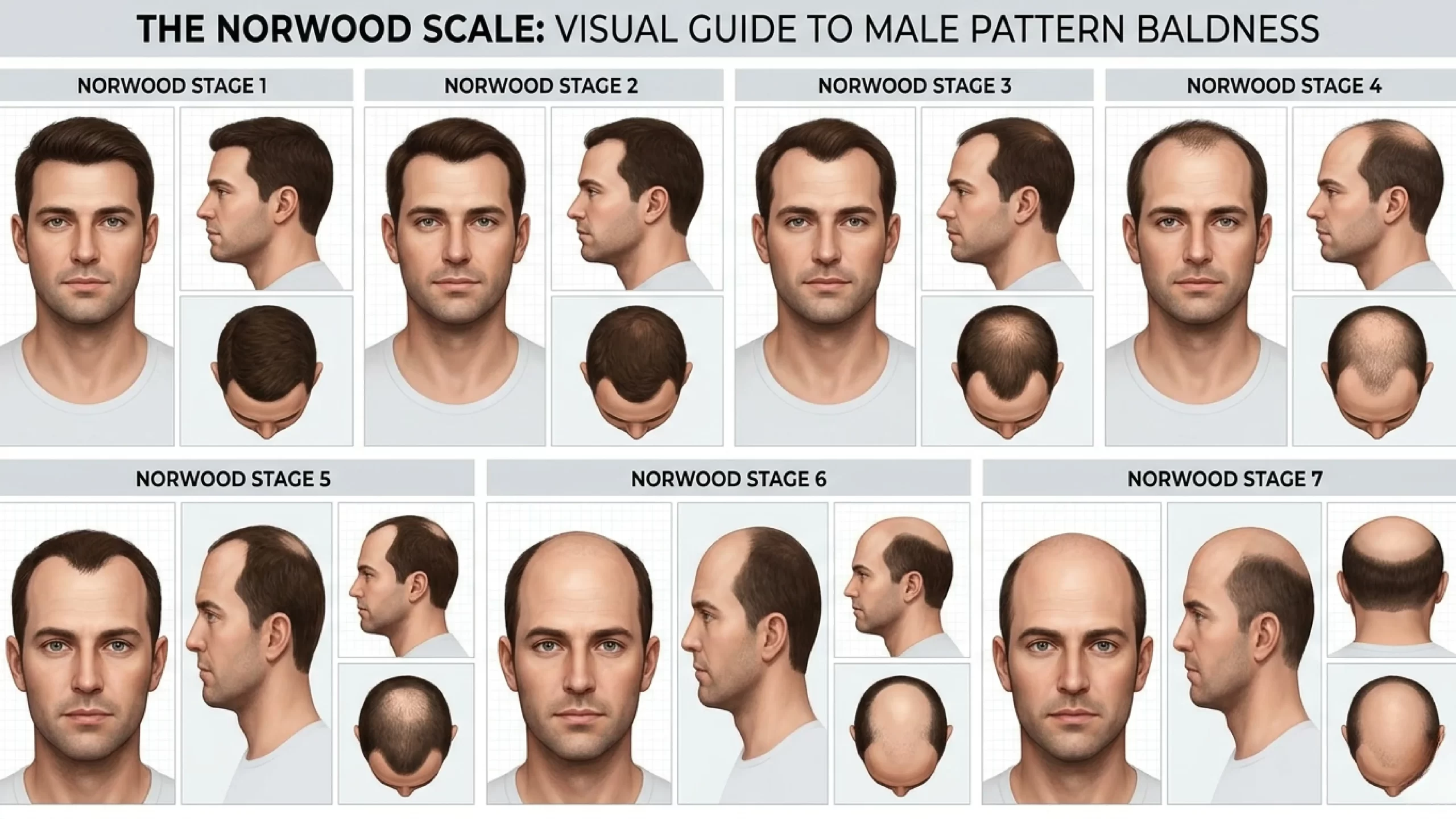
Hair loss progression is commonly classified using the Norwood scale. This system helps describe the severity and pattern of male pattern baldness.
Stage 4 represents moderate progression. At this stage, the receding hairline is more pronounced, and crown thinning is clearly visible. A band of hair may still separate the front and crown.
Understanding staging helps guide expectations. It also helps determine whether certain treatment options are appropriate.
Hair Loss in Women and Sudden Bald Spots
Hair loss can also affect women, but the presentation is often different. Women typically experience diffuse thinning rather than a receding hairline. The part line may widen over time.
A sudden bald spot may indicate a different condition. This can include autoimmune hair loss or stress-related shedding. These conditions behave differently from alopecia pattern baldness.
Evaluation is important in these cases. Identifying the cause helps guide appropriate management.
Celebrity Hair Loss and Misconceptions
Public figures are often used as examples in discussions about hair loss. For instance, Matthew McConaughey is frequently mentioned in conversations about hair regrowth. However, there is no confirmed medical documentation explaining specific changes.
Hair appearance can be influenced by multiple factors. These include grooming, styling, lighting, and medical treatments. It is not always possible to determine the cause of visible changes.
Individual outcomes vary widely. Treatment decisions should be based on clinical evaluation rather than public examples.
Visual Expectations (Bald Headedness GIF Searches)
Searches for bald-headedness gifs often reflect a desire to understand progression visually. These images can show general patterns of hair loss. However, they simplify a complex process.
Real-world hair loss varies in speed, pattern, and response to treatment. Two individuals with similar patterns may progress differently. Outcomes depend on multiple factors.
Visual examples are useful for general understanding. They should not be used to predict individual results.
Treatment Timeline and Realistic Expectations
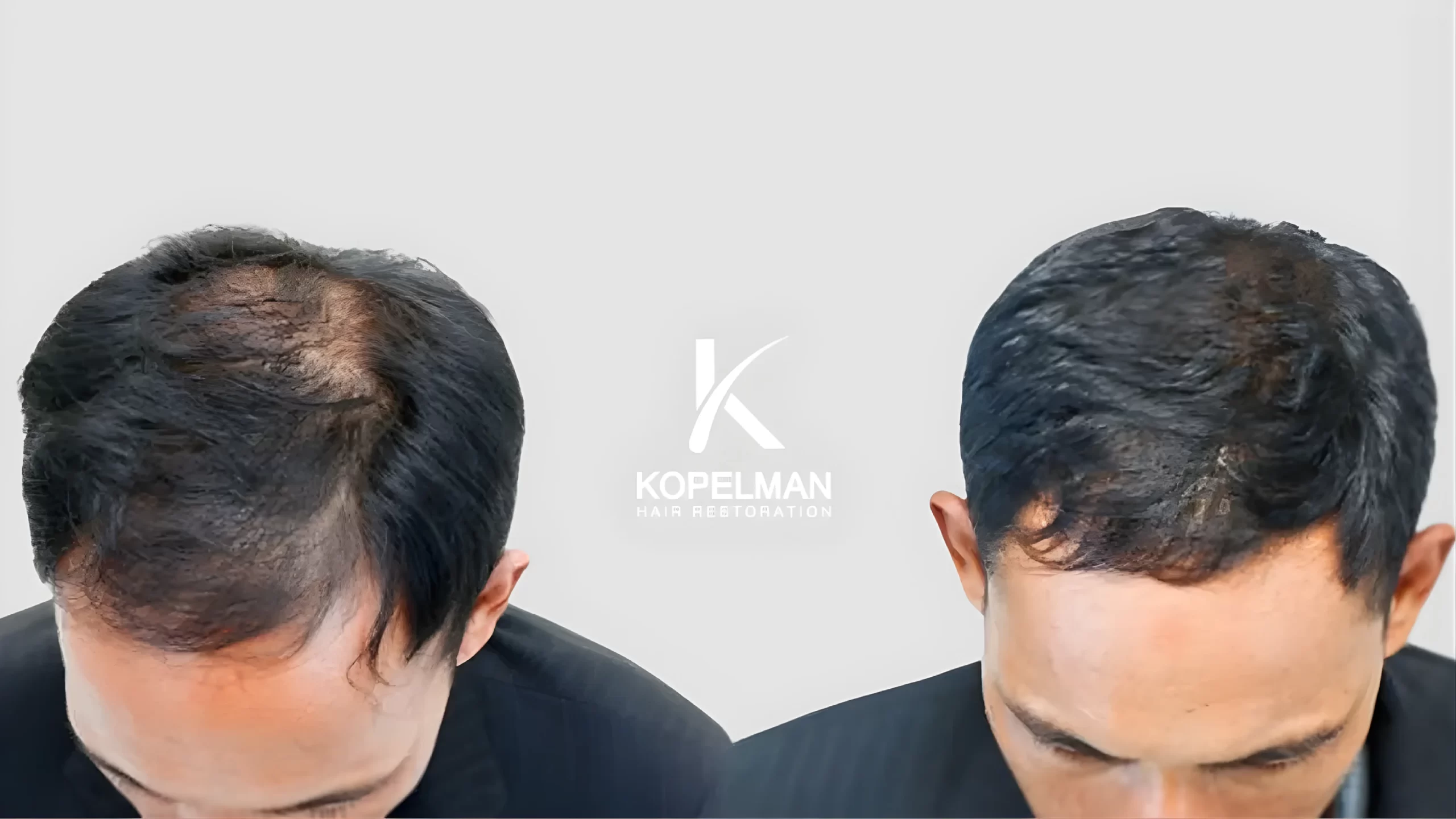
Hair loss management requires time. Most treatments do not produce immediate results. Changes occur gradually over several months.
Medical treatments often show early signs within 3 to 6 months. More noticeable changes may take 6 to 12 months. Continued use is typically required to maintain results.
Hair transplant procedures follow a longer timeline. Initial shedding is expected, and new growth begins after several months. Full results may take up to a year or longer.
When to Seek Medical Evaluation
Evaluation is recommended when hair loss is progressive, sudden, or unclear. Early assessment can help identify the cause and guide appropriate options. It also helps avoid unnecessary or ineffective treatments.
Signs that may require evaluation include:
- Rapid or unexpected shedding
- Patchy or uneven hair loss
- Scalp discomfort or inflammation
A structured evaluation helps ensure that treatment decisions are informed and appropriate.