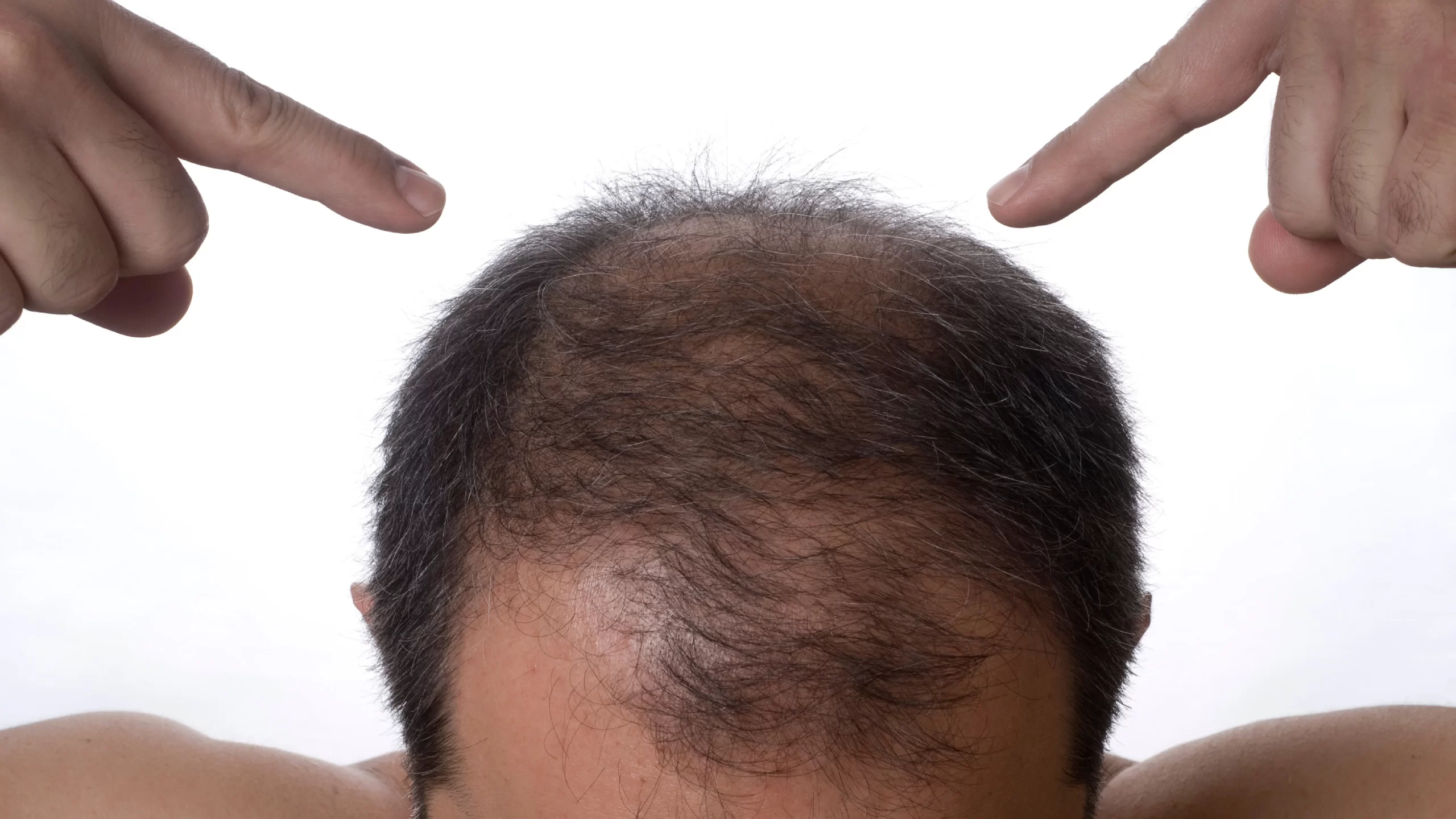

Balding on one side of the head is usually caused by uneven stress on the hair, localized scalp conditions, or early-stage genetic hair loss that appears asymmetrical at first.
At Unshaven Hair Clinic, Dr. Ross Kopelman explains that balding on one side often reflects how a condition is developing rather than a separate diagnosis. Common causes include traction, inflammation, autoimmune activity, or differences in why hair loss happens at the follicle level. A proper evaluation helps determine whether the hair loss is temporary, progressive, or permanent.
Key Takeaways
- Balding on one side is usually a pattern of how a condition presents, not a separate diagnosis, and often reflects uneven follicle response to stress, hormones, or inflammation.
- Common causes include traction, autoimmune conditions like alopecia areata, early genetic hair loss, and localized scalp issues, each affecting follicles differently.
- A key distinction is whether the hair loss is scarring or non-scarring, as this determines whether regrowth is possible.
- Early signs such as hair thinning on one side or a hairline receding on one side can progress over time, so monitoring changes is important.
- Proper evaluation helps identify the type of hair loss and guides realistic expectations about reversibility and treatment options.
Why Am I Balding on One Side?
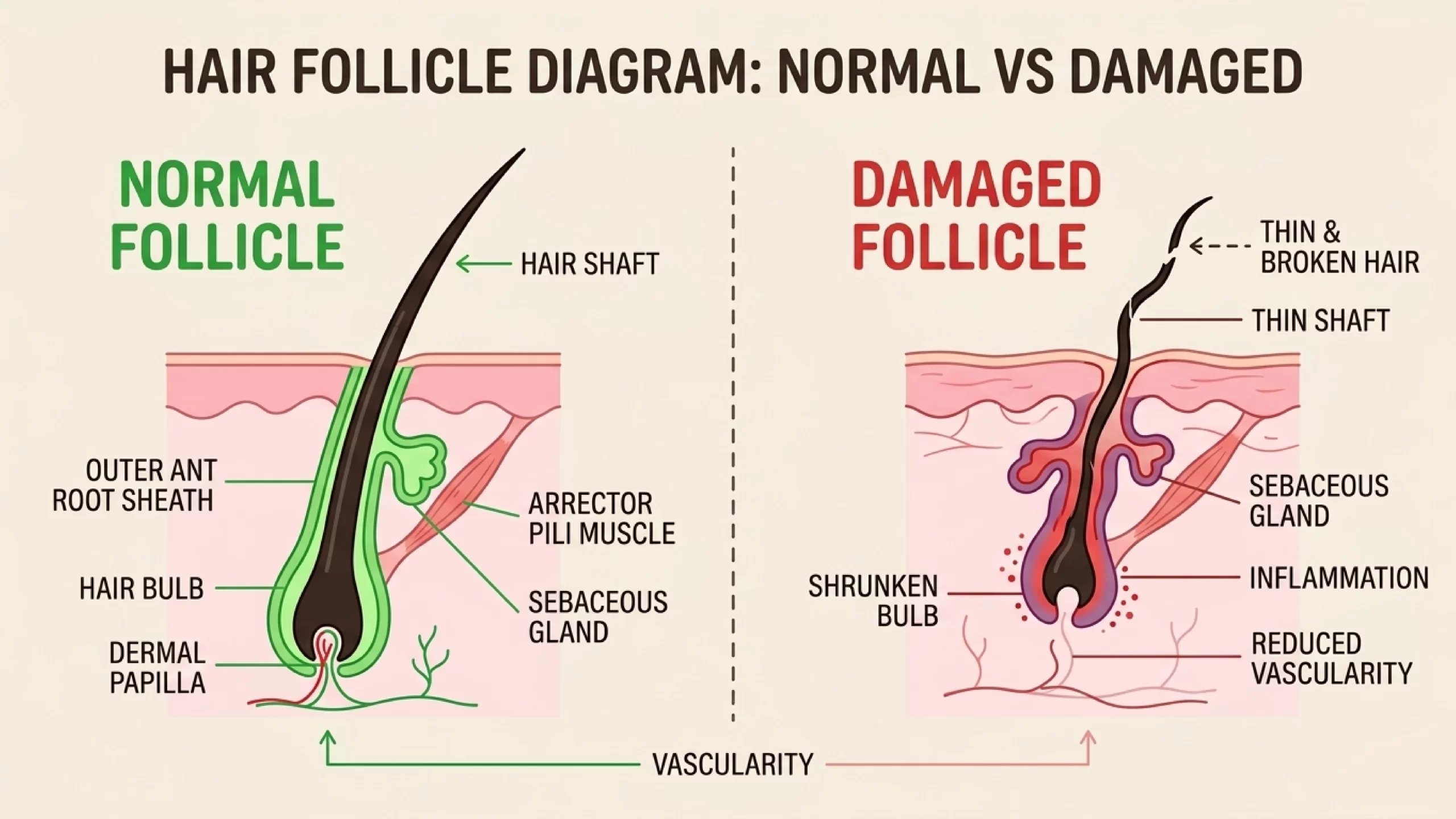
Balding on one side often results from a localized factor affecting part of the scalp.
This can include:
- tension from hairstyles or friction
- localized inflammation or scalp conditions
- early pattern hair loss that appears uneven
This is why hair thinning on one side can feel sudden.
Differences in follicle sensitivity also play a role. Some follicles respond more strongly to stress or hormones, which can create uneven thinning early on. Over time, the pattern may become more balanced. Hair loss from one side of the head may later appear more symmetrical.
Is One-Sided Hair Loss Normal or a Concern?
Mild asymmetry can be normal due to natural differences in hair density and growth cycles. However, noticeable or worsening changes may signal an underlying issue. If someone reports they lost hair on one side of their head quickly, it often points to a specific cause.
Sudden or unusual changes should be evaluated, especially if you notice:
- patchy hair loss
- redness, itching, or irritation
- rapid or uneven progression
This may suggest inflammation or autoimmune activity. Gradual hair thinning is more often linked to genetic causes. The speed and pattern of change help guide concern.
Common Causes of Hair Loss on One Side of the Head
Behavioral Causes (Hair Pulling)
Hair pulling can create irregular patterns of hair loss. The affected areas often match the behavior pattern. Repeated stress can weaken follicles over time.
This may appear as hair thinning on one side or patchy loss. It is not related to hormones or genetics. Addressing the behavior is key.
Traction, Sleeping, and Daily Habits
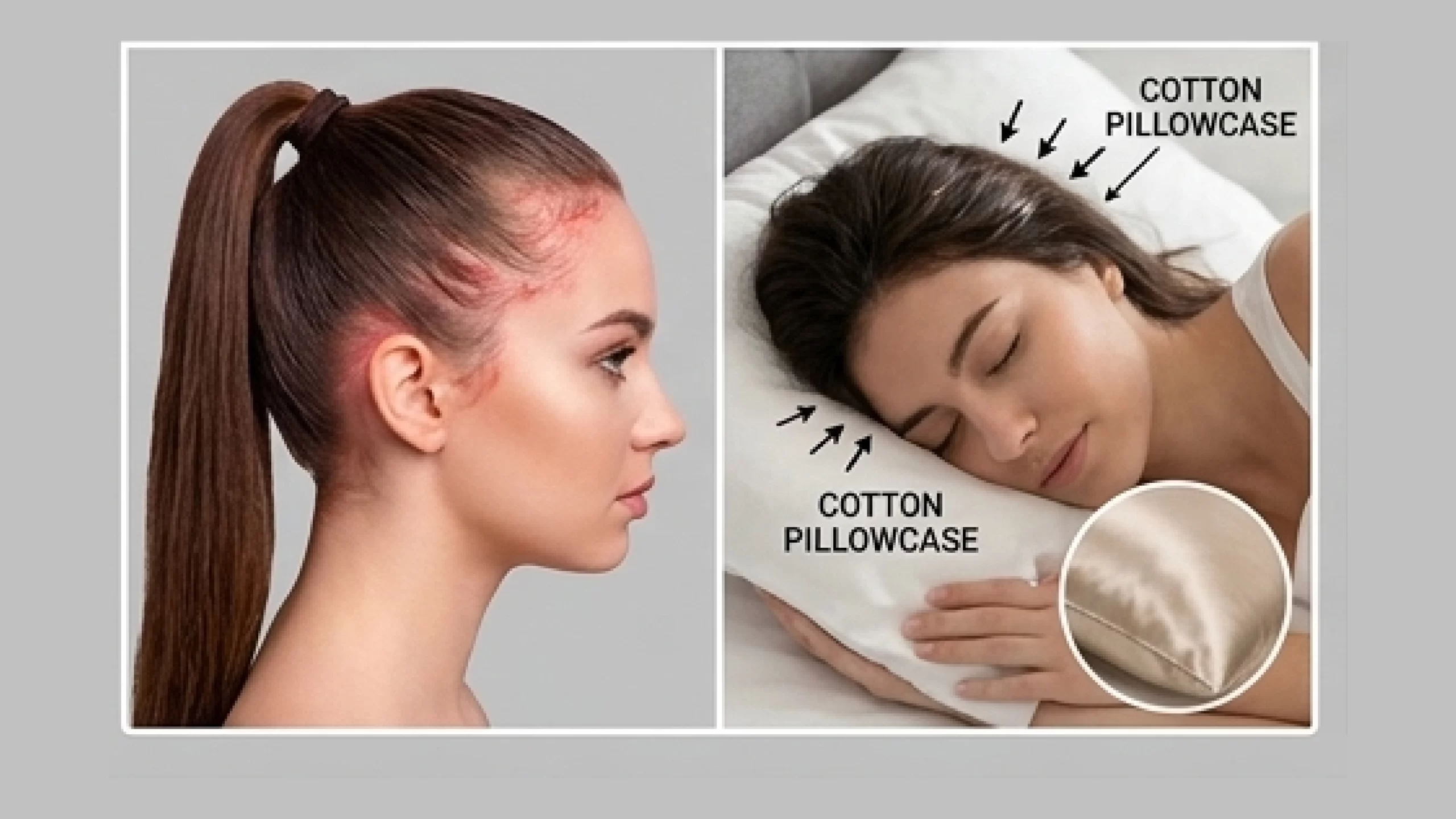
Repeated tension is a common cause of hair loss on one side of the head. Tight hairstyles, side parting, or extensions can stress follicles over time. Sleeping on the same side may also increase friction and weaken hair.
These habits can lead to gradual hair thinning that becomes visible on one side. Early changes may improve if tension is reduced. Long-term stress may lead to permanent loss.
Patchy Conditions (Alopecia Areata, Inflammation)
Some conditions affect specific areas rather than the whole scalp. Alopecia areata may present as alopecia on one side of the head with sudden patchy loss. The immune system targets follicles and disrupts growth.
Inflammatory scalp conditions can also disrupt follicle function and reflect underlying disease of hair and hair follicles. Redness, scaling, or irritation may be present. When limited to one area, the pattern appears uneven.
Early Pattern Hair Loss (Hairline and Temple Changes)
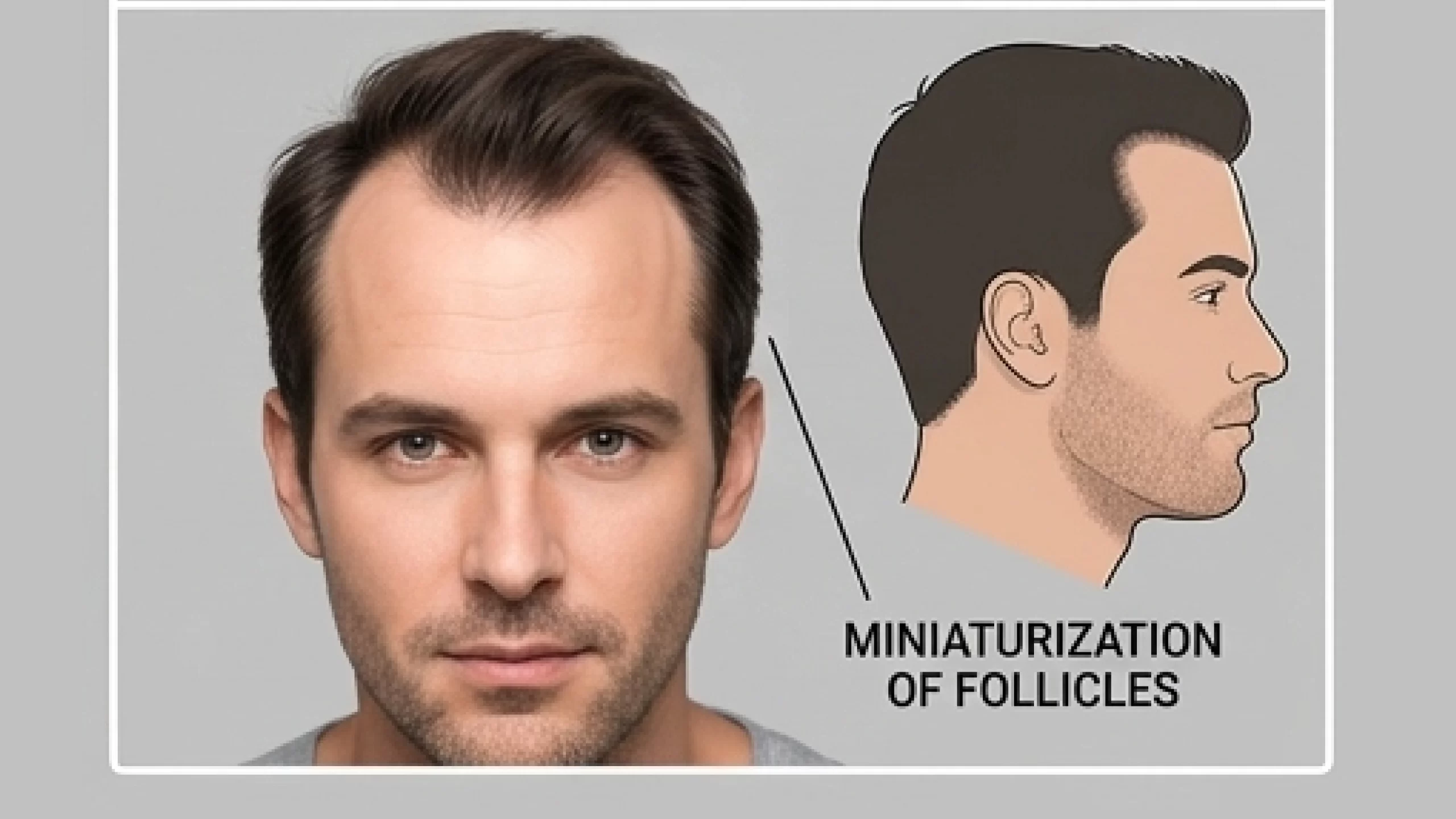
Genetic hair loss can begin unevenly. Some notice a hairline receding on one side or thinning near one temple. This does not indicate a different type of hair loss, but a variation in follicle sensitivity.
In men, hair thinning on the sides is a common early sign. The temples may recede at different rates. Over time, the pattern usually becomes more even.
Scalp Conditions and Local Damage
Scalp conditions like dermatitis or infections can disrupt hair growth in one area. These often cause irritation or scaling. When localized, they lead to uneven thinning.
Physical damage, such as scars,s can also affect follicles. Once damaged, regrowth may be limited. The outcome depends on the severity of damage.
Systemic and Medical Conditions
Medical conditions may affect hair growth unevenly at first. Hormonal changes, thyroid issues, or autoimmune conditions can contribute. These often cause diffuse shedding that appears uneven early on.
The pattern may become more balanced over time. Medical history helps identify these causes. Evaluation determines the underlying type of hair loss.
Can Medical Conditions Cause One-Sided Hair Loss?
Can Lupus Make Your Hair Fall Out?
Lupus can cause inflammation that disrupts hair growth. This may lead to patchy or uneven thinning. In some cases, it resembles hair loss on one side of the head.
Some forms may cause scarring, which limits regrowth. Early evaluation helps determine the extent. Management focuses on reducing inflammation.
Does Epstein-Barr Cause Hair Loss?
Epstein-Barr does not directly cause hair loss. It may trigger stress on the body, leading to temporary shedding. This can appear uneven depending on baseline density.
Most cases are temporary and improve over time. Hair growth usually resumes as the body recovers. The pattern often normalizes.
What Does Early or One-Sided Balding Look Like?
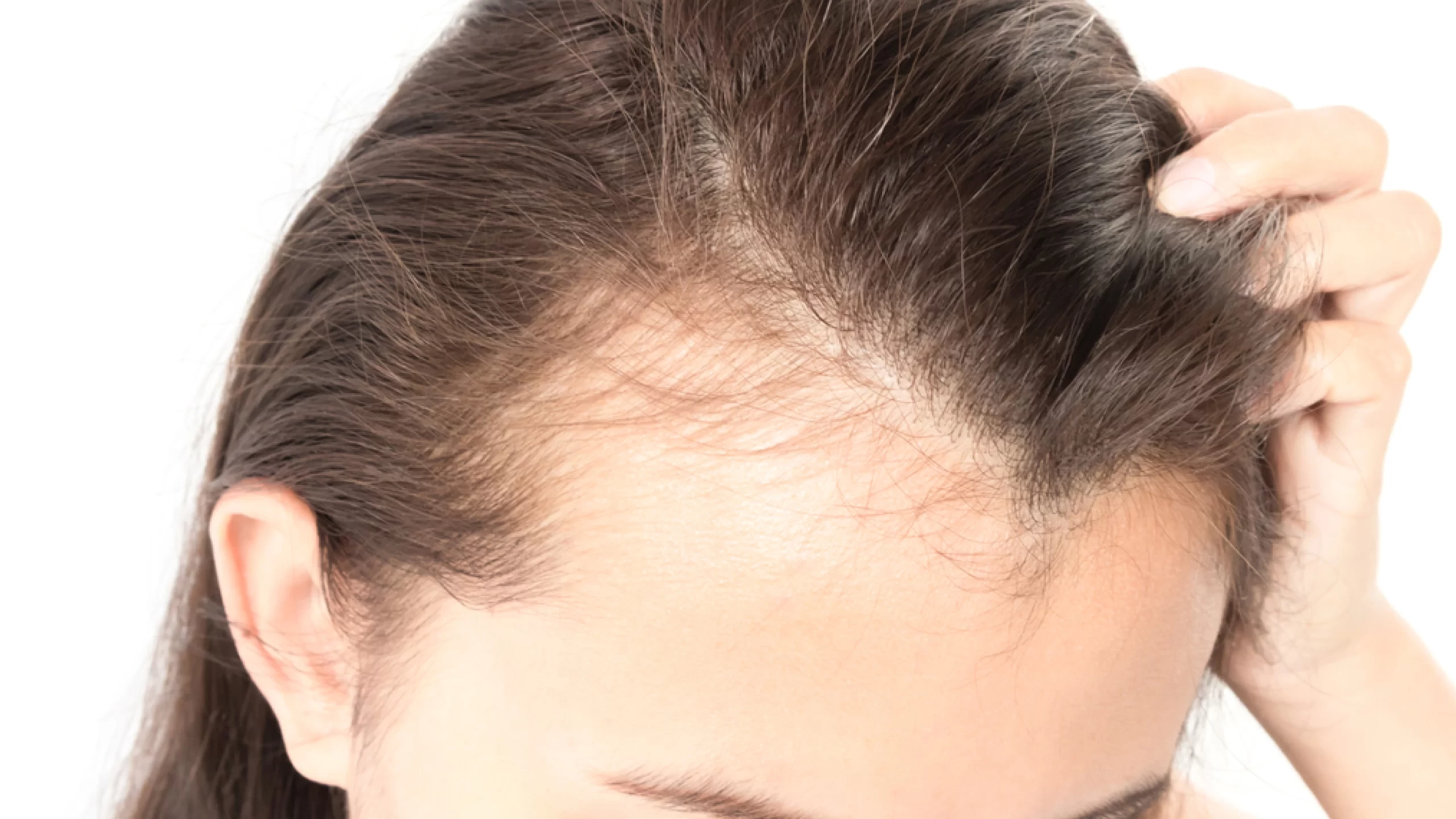
Early hair loss is often subtle. You may notice slight thinning or uneven density. Some see changes along one temple or side of the hairline.
Hair may become harder to style evenly. These changes develop gradually. Tracking progression helps identify patterns.
Differences in Men and Women
| Feature | Men (Male Pattern Hair Loss) | Women (Female Thinning) |
|---|---|---|
| Pattern | Temple recession and uneven hairline | Diffuse thinning across scalp |
| Early Signs | One temple recedes faster | Subtle density changes, uneven part |
| Common Causes | Genetic sensitivity to DHT | Hormonal shifts, stress, traction |
| Progression | Becomes more symmetrical over time | May stay diffuse or shift pattern |
| Reversibility | Usually progressive | Depends on cause, often more reversible |
American Academy of Dermatology – Female Pattern Hair Loss
American Academy of Dermatology – Male Pattern Hair Loss
NCBI – Androgenetic Alopecia Overview
Why Is My Hair Thinning on the sides, female?
Common causes include traction, hormonal shifts, and stress. Hairstyles that pull on the sides can weaken follicles. Stress-related shedding may increase visibility of thinning.
These factors often overlap. Identifying the main cause helps guide next steps. Early changes may improve with adjustments.
How Hair Loss on One Side Is Evaluated
Evaluation focuses on identifying the cause. The scalp is examined for inflammation or scarring. Hair density and distribution are assessed.
Magnified scalp analysis may be used. Lab testing is sometimes needed. The goal is to define the type of hair loss.
Ready to Take the Next Step?
Whether you are just starting to notice thinning or already exploring hair trasplant options.
Dr. Kopelman offers personalized consultations tailored to your goals.
Ready to Take the Next Step?
Whether you are just starting to notice thinning or already exploring hair trasplant options, Dr. Kopelman offers personalized consultations tailored to your goals.
How to Stop Balding on One Side and Treatment Options
Stopping balding on one side depends on the cause. Reducing tension and treating scalp conditions are key first steps. Addressing medical factors is also important.
Treatment may focus on stabilizing hair thinning or improving density. In select cases, procedures like shaveless FUE may be considered. Dr. Ross Kopelman focuses on natural results and individualized planning.
Can Balding on One Side Be Reversed?
Reversibility depends on follicle health. Temporary conditions may improve with time. Early intervention increases the chance of regrowth.
Permanent loss occurs when follicles are damaged. In these cases, regrowth is unlikely. Expectations depend on the cause.