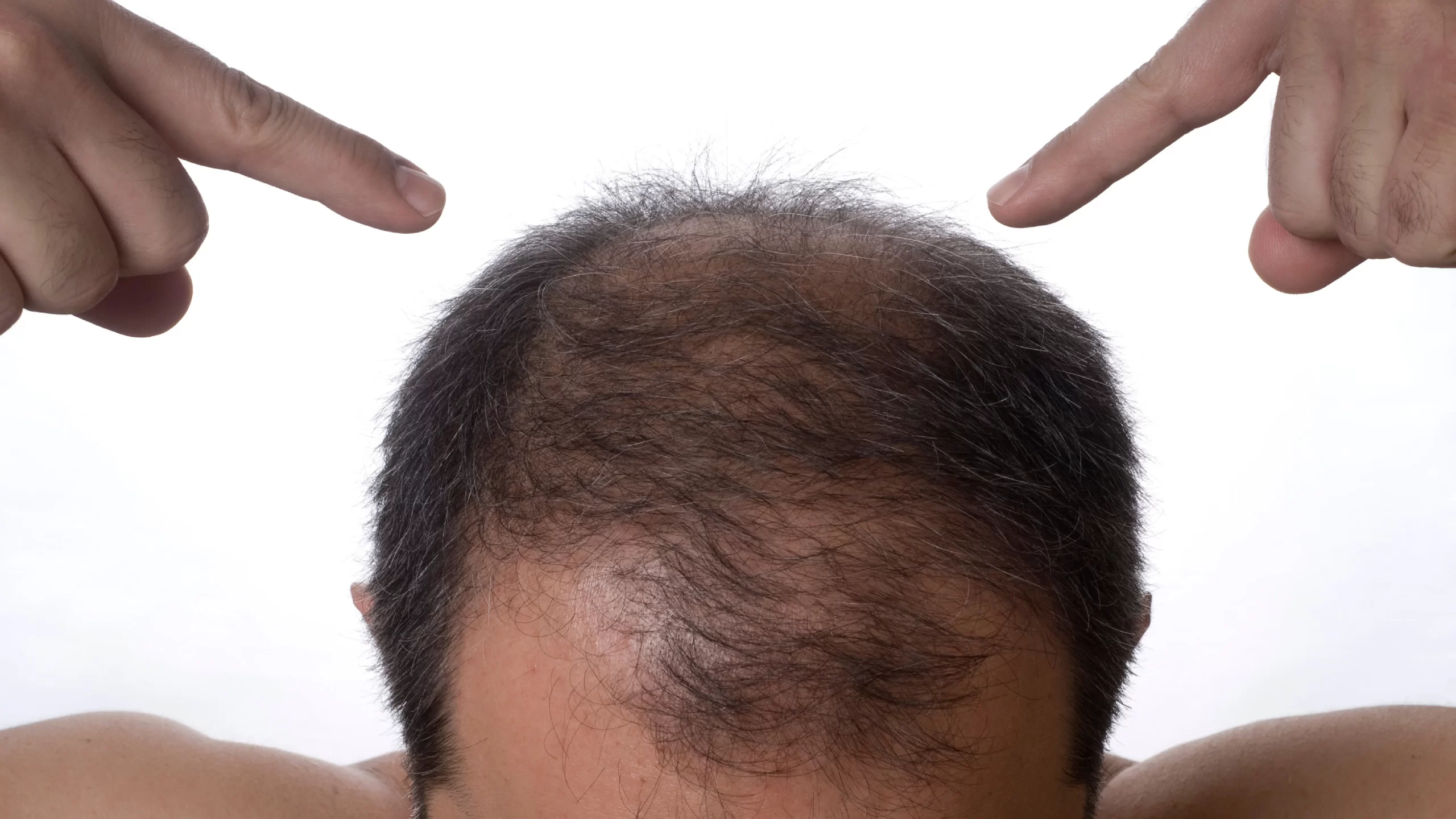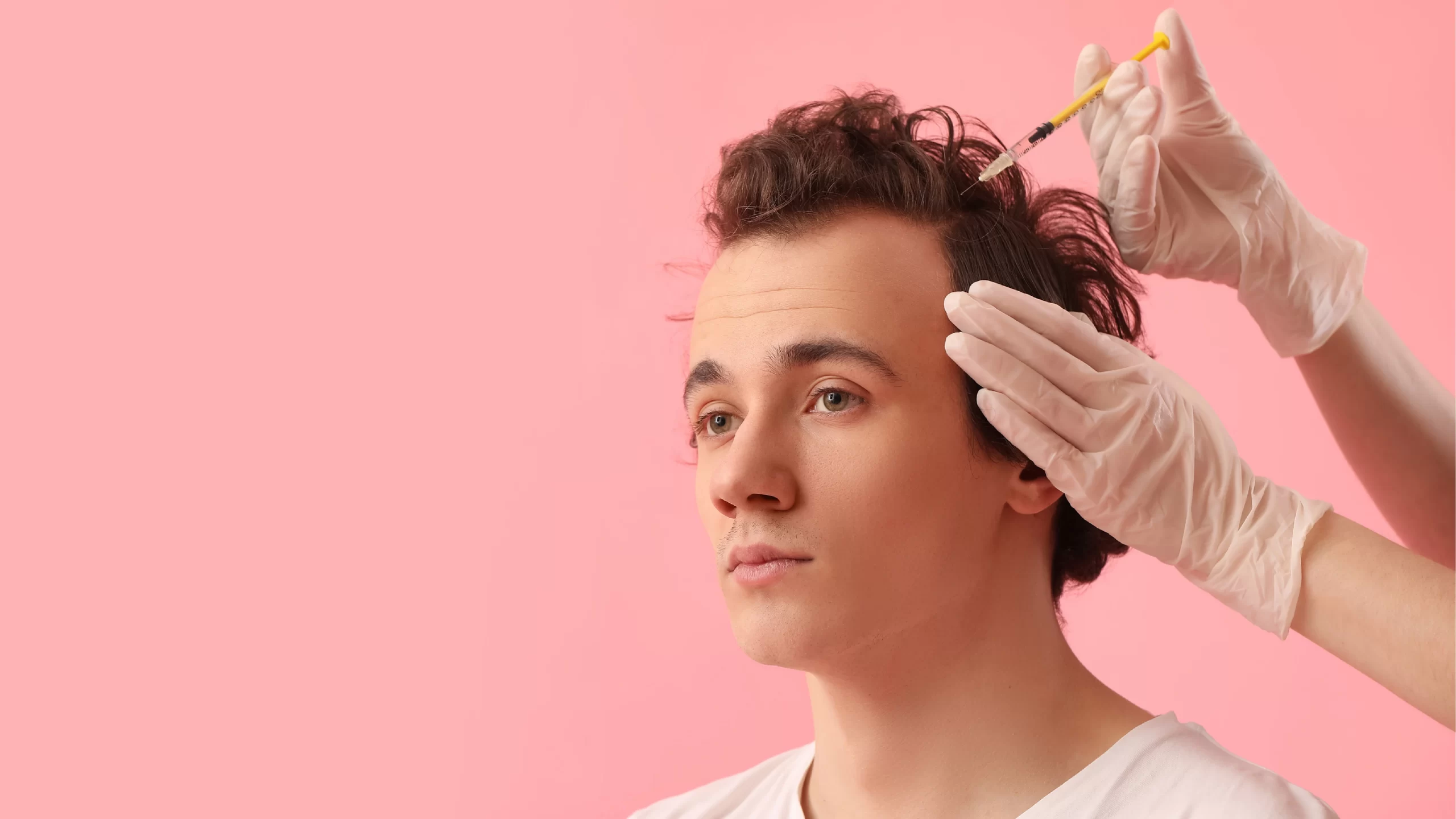

Balding on the left side of the head can result from localized hair loss causes such as alopecia areata, mechanical tension, or early androgenetic alopecia, with treatment depending on the specific cause and may include topical therapies, lifestyle adjustments, or medical interventions.
At Unshaven Hair Clinic, Dr. Ross Kopelman, an expert in hair restoration and shaveless FUE, evaluates these patterns to help patients understand causes and options.
Key Takeaways
- Balding on one side of the head can result from genetics, androgenic alopecia, immune system activity, or lifestyle factors.
- Hair thinning patterns differ between men and women, with men often showing more localized thinning and women experiencing diffuse female pattern hair loss.
- Accurate evaluation of hair follicles, hair growth cycle, and family history is essential to determine the type of hair loss and appropriate treatment options.
- Hair transplants, including shaveless FUE, can restore density and symmetry, but results vary, and full regrowth may take 9 to 12 months.
- Maintaining healthy hair through proper nutrition, gentle care, and monitoring hair density, including using shampoo for balding, supports long-term outcomes and helps prevent further thinning.
Understanding Balding on One Side
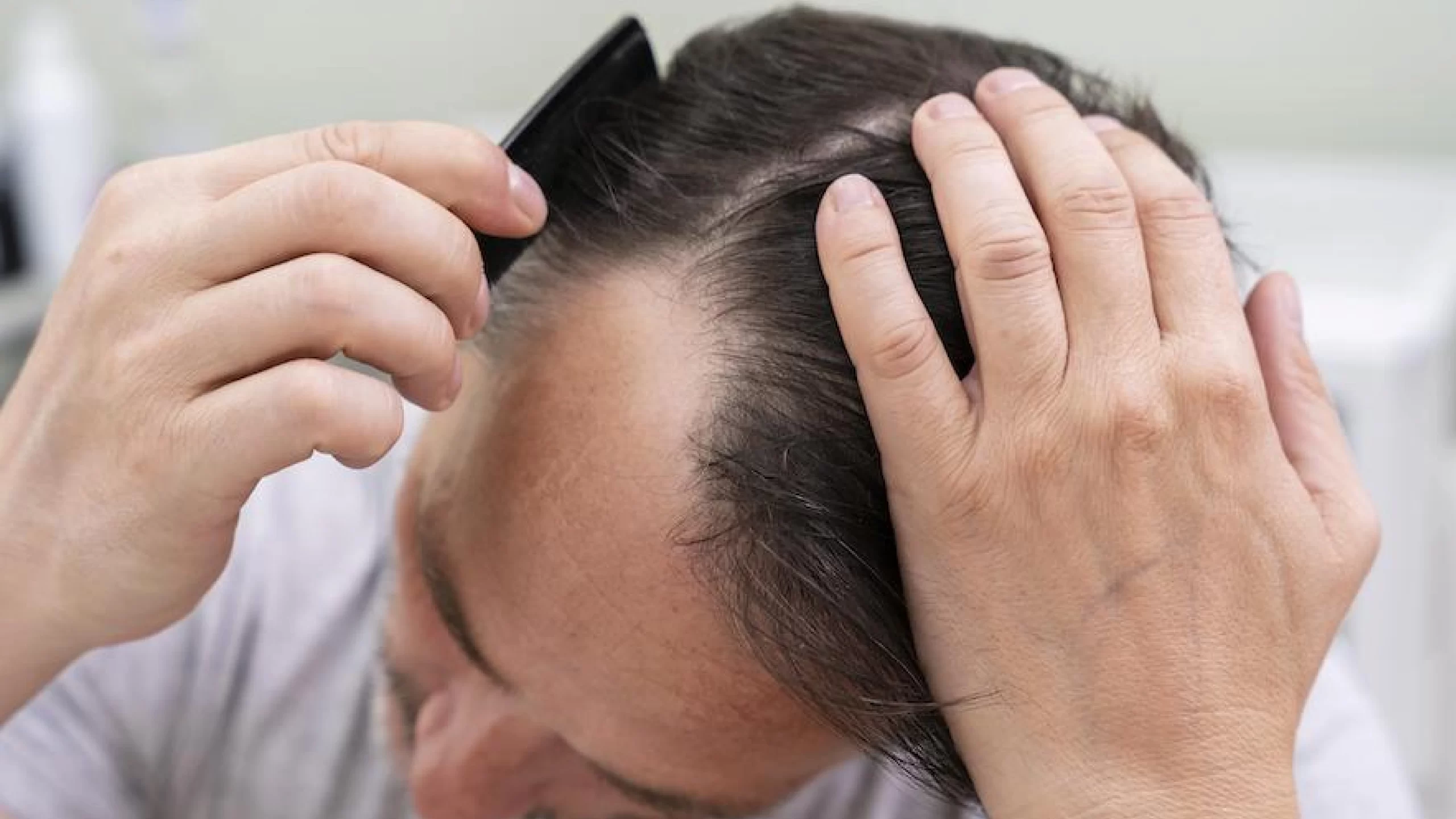
Balding on one side can show as a noticeable difference in hair thickness between the left and right sides. It may involve hair thinning on the side of the scalp, patchy hair loss, or hairline receding on one side.
The pattern varies depending on age, genetics, and hair health. Men often notice hair thinning on the sides, while women may experience female pattern hair loss more subtly. Family history can help predict potential hair loss patterns.
Common Causes of Hair Loss on One Side
Hair loss from one side of the head can result from several factors:
- Androgenic alopecia affects hair follicles and leads to gradual thinning of hair.
- Trauma or inflammation can disrupt normal hair growth
- Immune system activity may target hair follicles and cause patchy hair loss.
- Lifestyle factors and nutritional deficiencies can contribute to hair thinning.
Female pattern baldness may present as diffuse thinning rather than distinct bald spots. In some cases, alopecia on one side of the head may be linked to autoimmune conditions. Stress or hormonal changes can accelerate shedding, although this usually affects the hair growth cycle uniformly rather than only one side.
Identifying the Pattern and Type of Hair Loss
Proper assessment is essential to determine the type of hair loss. Doctors examine the side of the scalp showing thinning hair, review family history, and evaluate the hair growth cycle.
They may also look at hair follicles under magnification to identify miniaturization or inflammation. Noticing a hairline receding on one side or hair thinning on one side helps distinguish between temporary shedding and progressive loss.
Understanding the difference between thinning hair and bald spots is important. Thinning hair leaves the scalp partially visible, while bald spots indicate areas where hair follicles have stopped producing hair. Recognizing these differences guides hair loss treatment decisions and helps set realistic expectations for regrowth.
Hair Transplants and Restoration Techniques
Hair transplants move hair follicles from denser areas to thinning areas. Follicular unit extraction (FUE) is one method, and shaveless FUE allows discreet procedures without shaving the donor site. This approach preserves a natural-looking hairline and can address hairline receding on one side effectively.
Not all patients are candidates for hair transplants. Healthy hair in donor areas is necessary to provide follicles for transplantation. The number of grafts depends on bald spot size and hair density. Age, type of hair loss, and overall scalp health also affect candidacy.
Recovery and Timeline
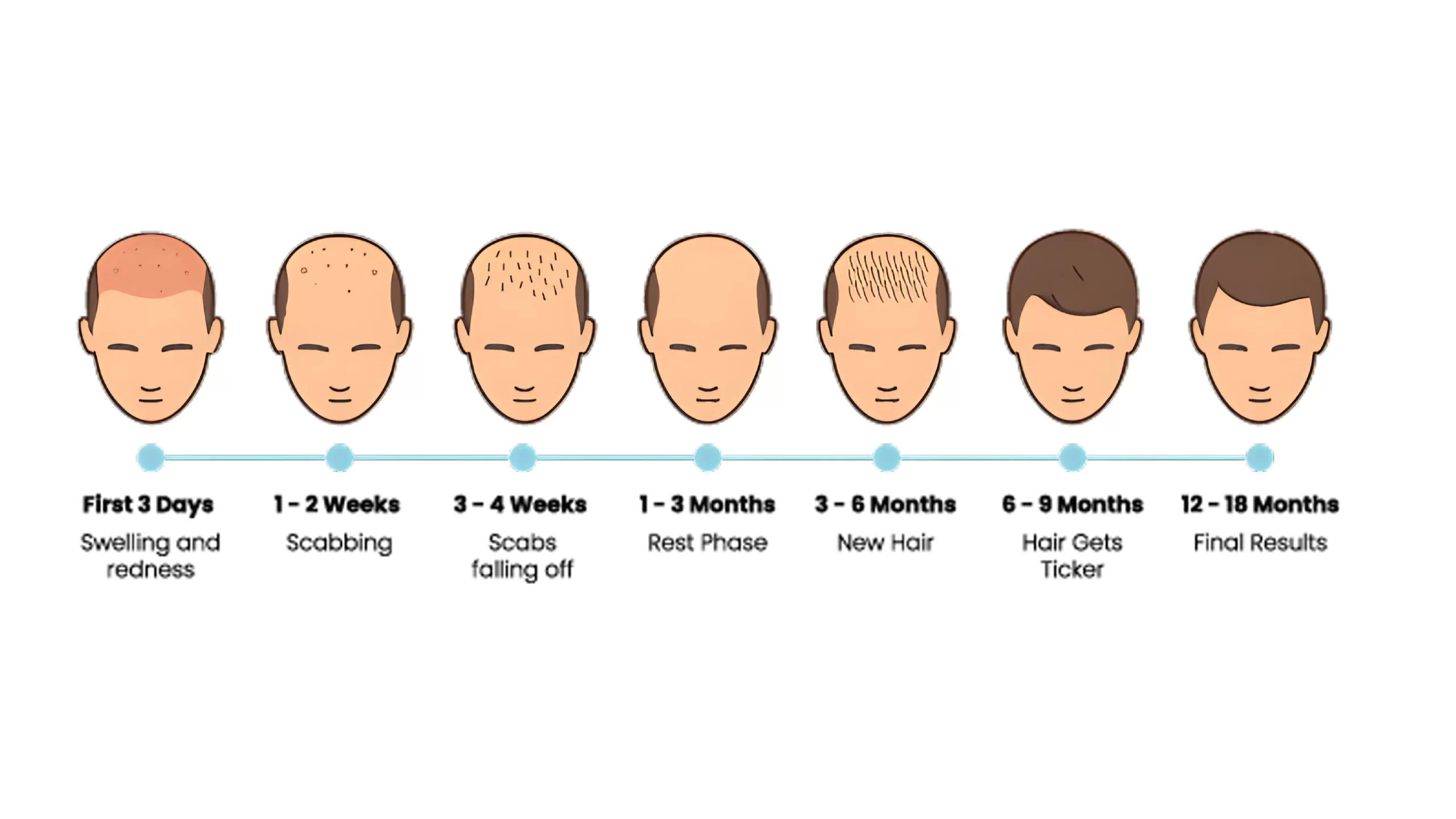
After a hair transplant, initial healing usually takes 7 to 14 days, with minor redness or swelling. Hair shedding of transplanted follicles is normal during the first few weeks. New hair growth generally starts around three to four months and thickens gradually over the following months. Full results are often visible after 9 to 12 months, although individual timelines vary.
Maintaining healthy hair after surgery involves:
- Avoid harsh styling or chemical treatments during early healing.
- Monitor for signs of infection or unusual shedding.
Ready to Take the Next Step?
Whether you are just starting to notice thinning or already exploring hair trasplant options.
Dr. Kopelman offers personalized consultations tailored to your goals.
Ready to Take the Next Step?
Whether you are just starting to notice thinning or already exploring hair trasplant options, Dr. Kopelman offers personalized consultations tailored to your goals.
Realistic Expectations for Hair Regrowth
Hair transplants aim to restore density and improve hairline symmetry, but results vary. Transplanted hair follows its natural growth cycle, and initial growth may be slow. Hair regrowth depends on the quality of hair follicles, scalp health, and the underlying cause of hair thinning. Hair transplants do not prevent future hair loss in untreated areas.
Other hair loss treatment options, including a topical DHT blocker, may complement surgical approaches. Techniques to promote hair growth focus on supporting dormant follicles and stimulating the hair growth cycle. While these methods can improve overall density, they may not fully restore areas with extensive bald spots.
Managing Hair Thinning on One Side
Early intervention is important for hair thinning on one side. Maintaining healthy hair through proper nutrition, gentle care, and minimizing stress can help slow progression.
Tracking changes in hair density can also help evaluate treatment effectiveness. Taking photos of the side of the scalp over time makes it easier to notice subtle differences and decide whether intervention is needed.
Female Pattern Hair Loss Considerations
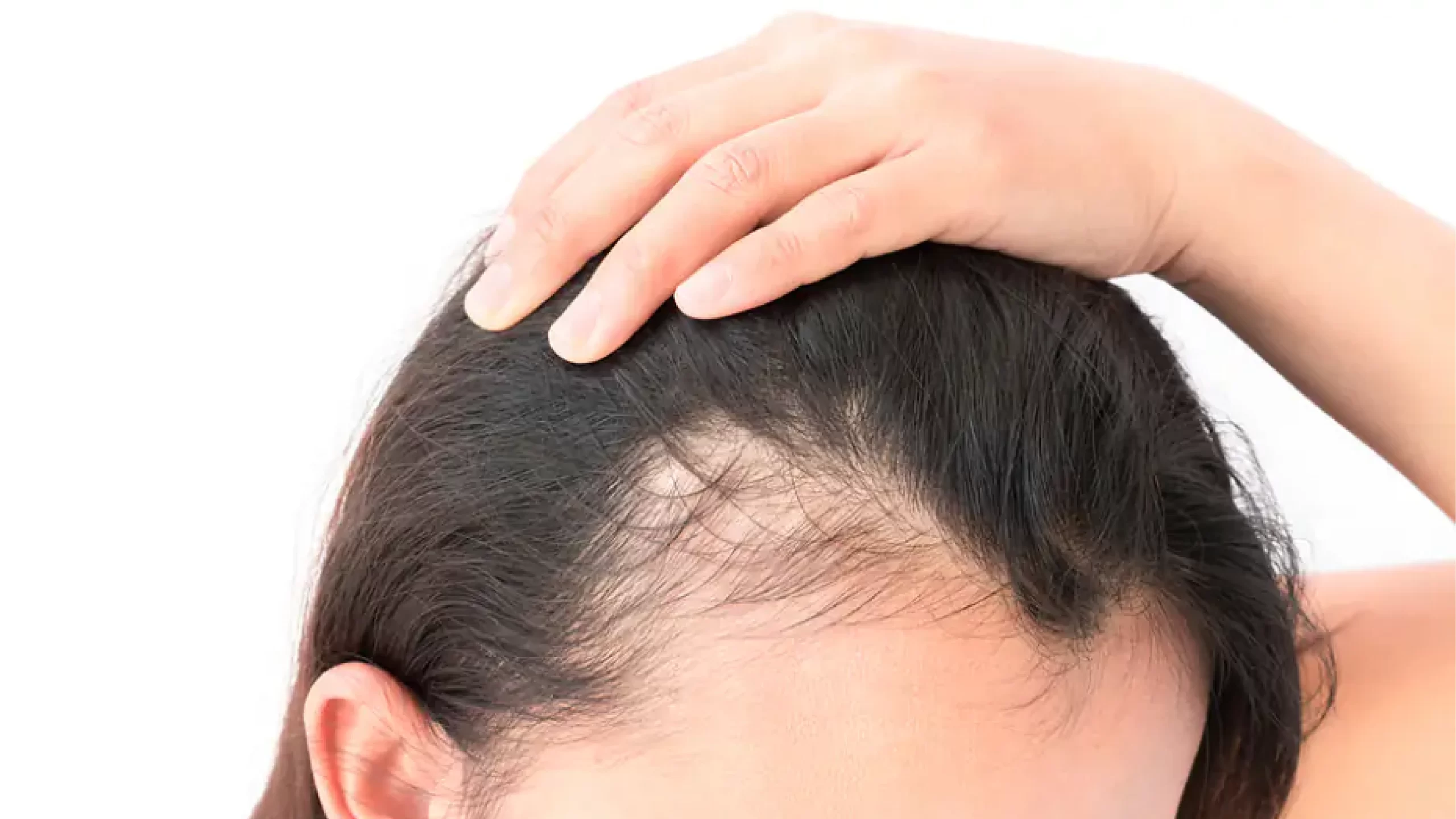
Women may experience hair thinning on the sides differently than men, often as diffuse thinning across the top and sides rather than distinct bald spots. Female pattern hair loss, or female pattern baldness, focuses on maintaining hair density and promoting hair growth without aggressive procedures.
Patchy hair loss may suggest autoimmune activity or localized scalp conditions. Evaluating the hair growth cycle and follicle health helps determine which strategies are appropriate, and early consultation improves outcomes.
Causes Linked to Lifestyle and Health
Lifestyle and health factors can influence hair thinning. Poor nutrition, rapid weight changes, and stress may affect the hair growth cycle. Immune system reactions can target hair follicles, causing patchy hair loss or thinning hair.
Family history also plays a significant role. Individuals with relatives experiencing hairline receding on one side or thinning hair are more likely to encounter similar patterns. Understanding hereditary risk helps guide expectations and treatment planning.
Long-Term Hair Health and Maintenance
Ongoing care supports healthy hair. Avoid harsh chemicals and heat styling to protect hair follicles and reduce breakage.
Gentle scalp massage may help stimulate circulation and support the hair growth cycle. Regular monitoring of hair density allows early detection of new thinning hair and timely intervention.
Realistic expectations are important. Hair growth is gradual, and while interventions improve density and balance, no method guarantees complete restoration. Hair follicles may continue to change over time, so maintenance strategies are often necessary to sustain results.
Choosing the Right Hair Loss Treatment
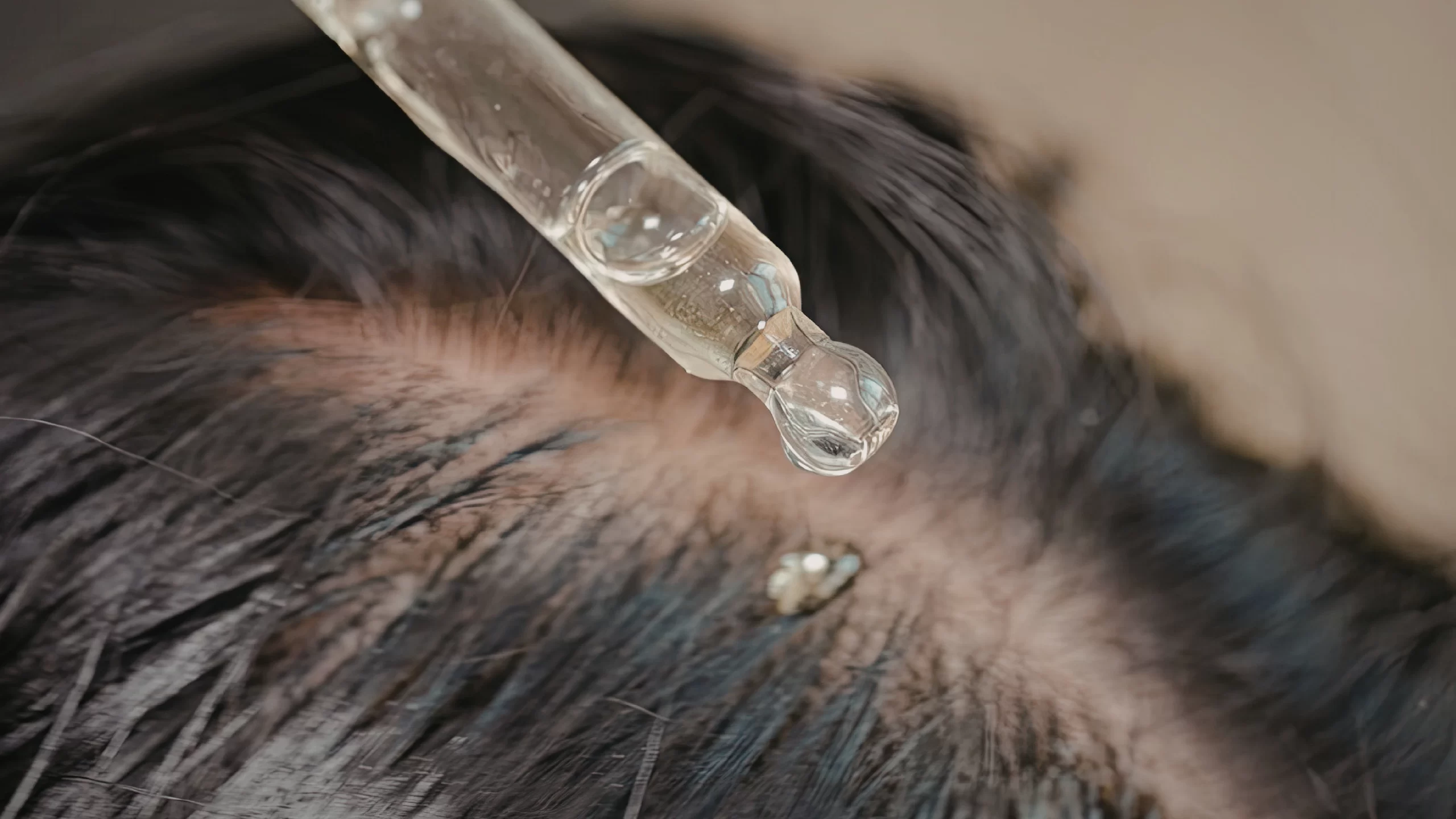
Selecting the right hair loss treatment requires understanding the type of hair loss and personal goals. Hair transplants, non-surgical options, and supportive care each play a role depending on individual circumstances. Consultation with Dr. Ross Kopelman at Unshaven Hair Clinic ensures treatment aligns with the hair growth cycle, donor availability, and realistic expectations.
Treatment decisions consider the extent of hair loss, hair follicle condition, factors affecting the immune system, and non-surgical options such as finasteride and hormone therapy.
Patients with thinning hair or bald spots on one side of the scalp may combine surgical and non-surgical approaches for optimal outcomes. Clear communication about potential results and limitations helps prevent unrealistic expectations.
Managing Expectations and Next Steps
Understanding balding on one side of the head requires realistic expectations and proactive steps. Hair loss may progress differently for each person, and hair follicles respond at varying rates. Keeping track of hair density and consulting an expert early helps identify the most appropriate treatment options.
Working with a specialist like Dr. Ross Kopelman allows patients to make informed decisions about hair restoration while understanding both the potential benefits and limitations. Following personalized treatment plans ensures that hair growth strategies align with individual goals and scalp health.