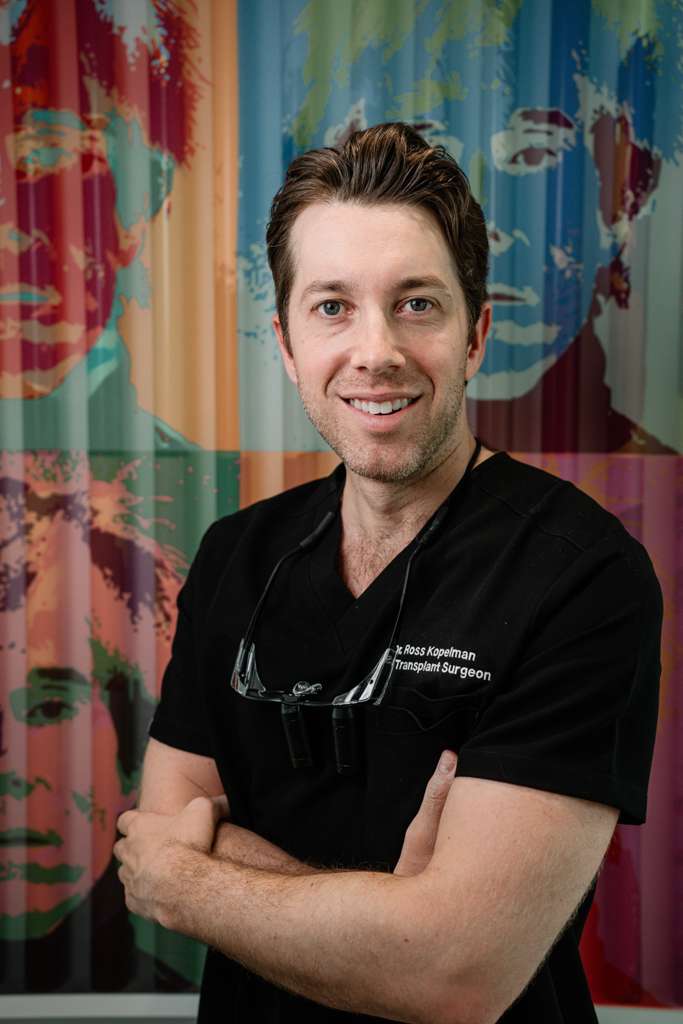
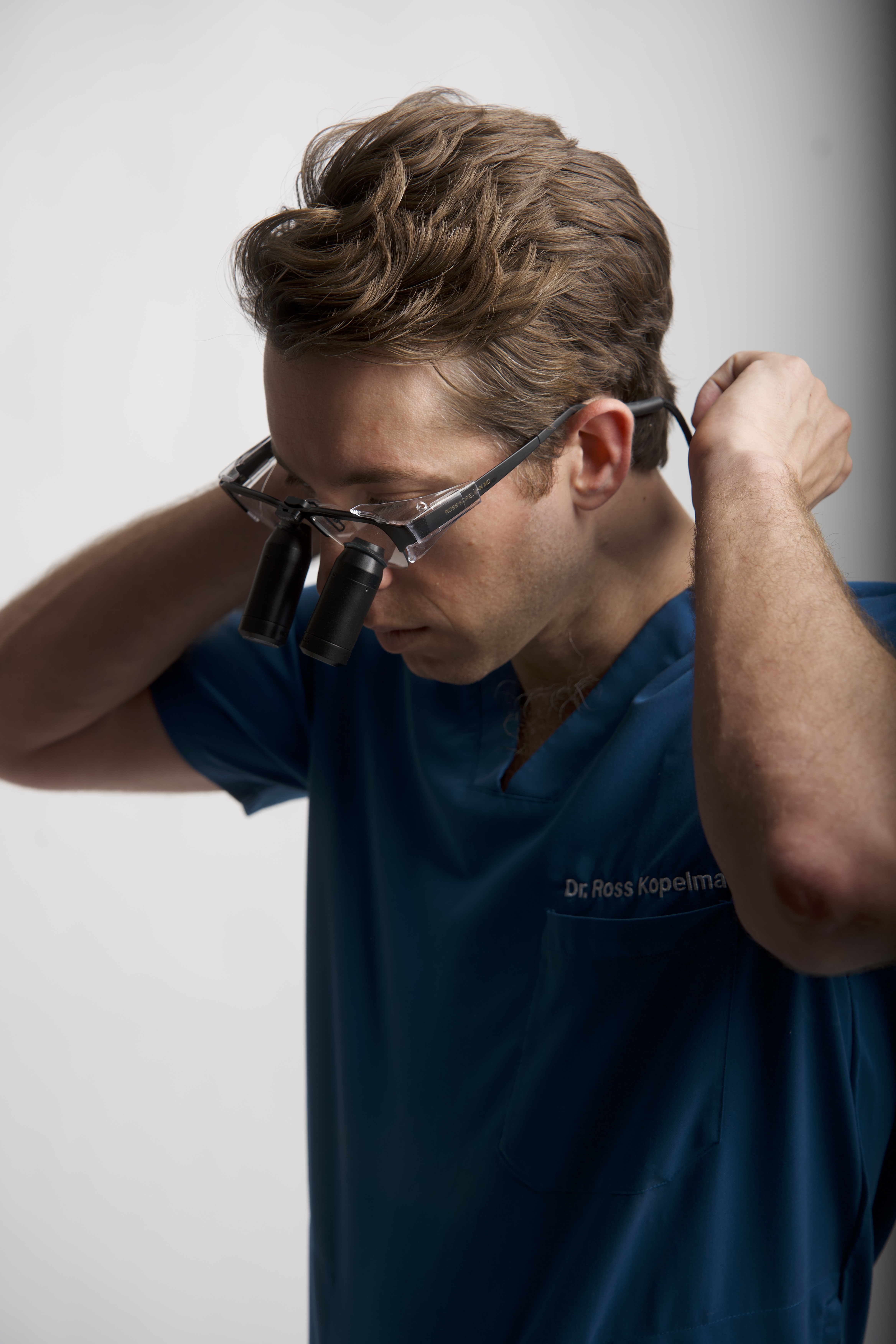
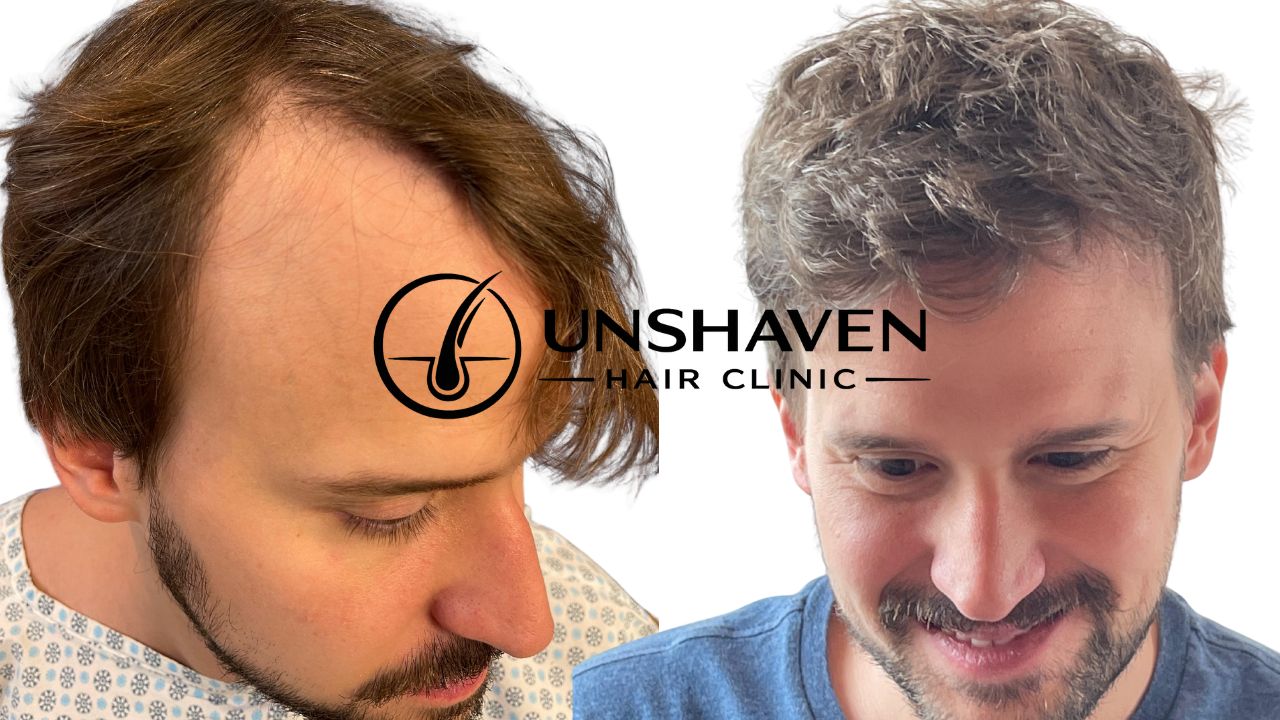
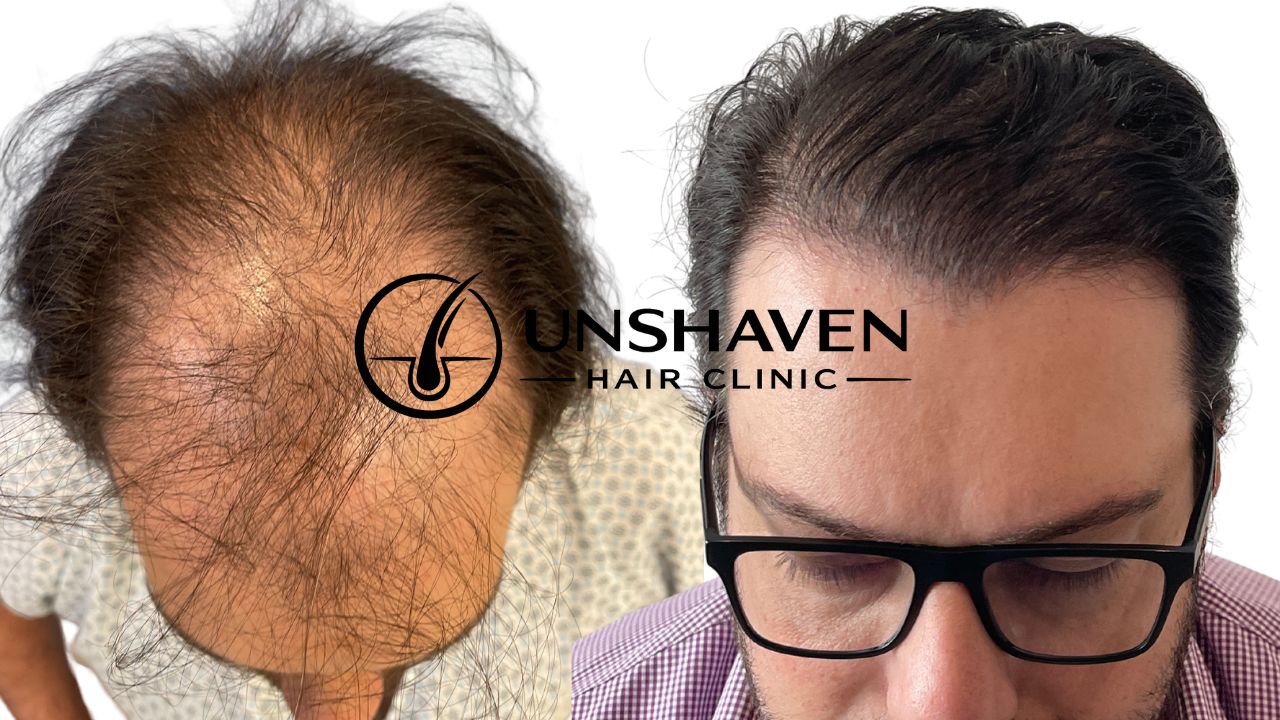
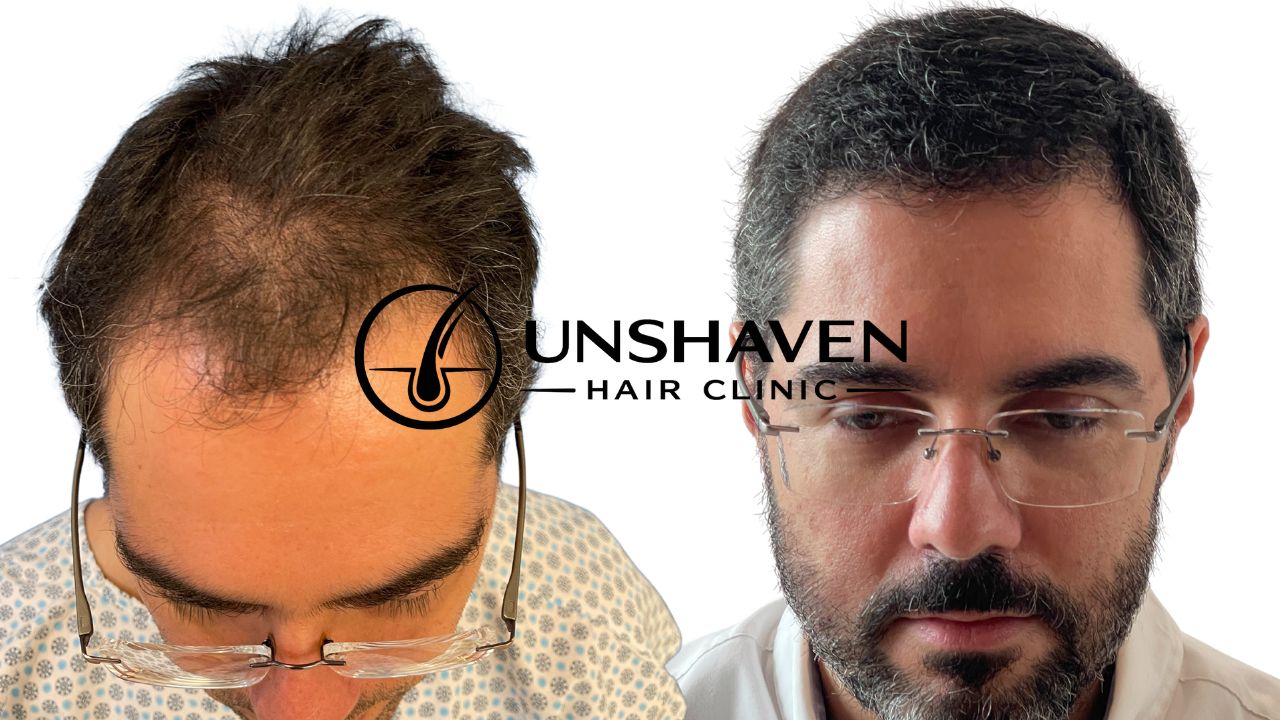
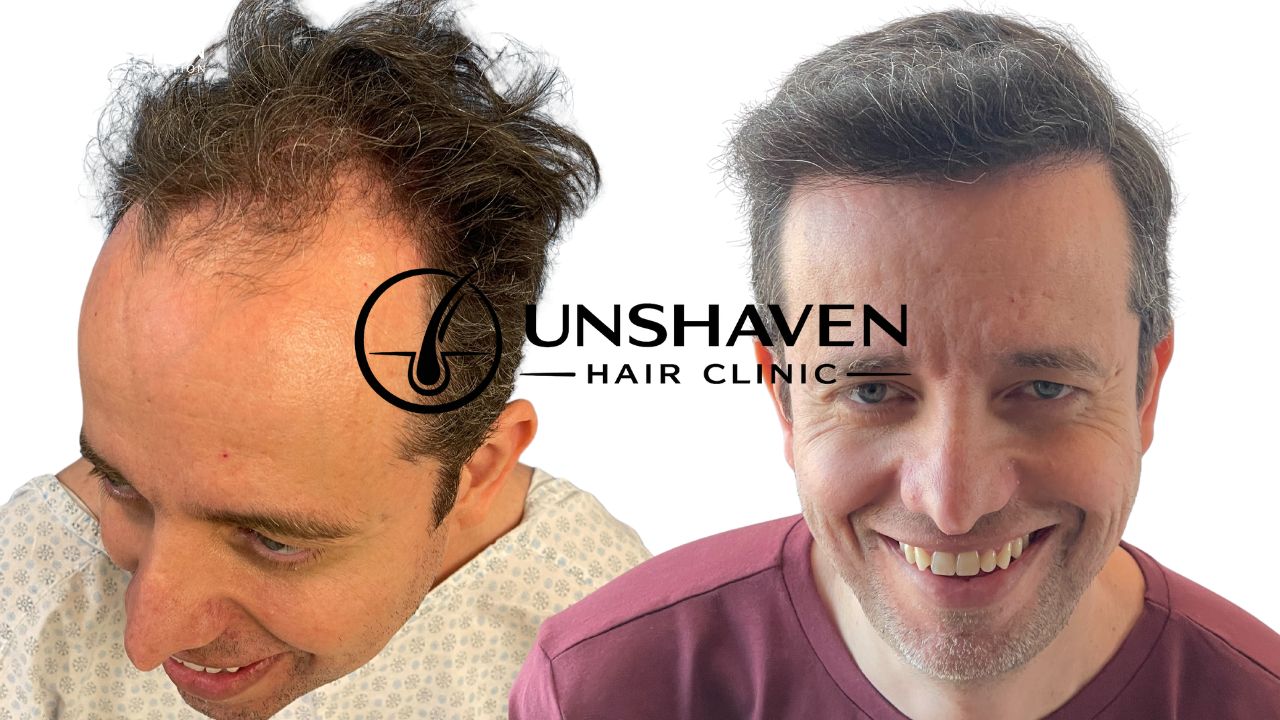
Unshaven Hair Clinic, led by Dr. Ross Kopelman, specializes in advanced hair restoration techniques, including shaveless FUE. Androgenetic alopecia is the most common cause of hair loss in both men and women, driven by genetics and sensitivity to dihydrotestosterone (DHT). This article covers its causes, symptoms, and treatment options.
Key Takeaways
- Androgenetic alopecia is a common type of hair loss driven by genetics and sensitivity to dihydrotestosterone DHT, leading to predictable patterns like a receding hairline or diffuse thinning.
- Early signs include gradual hair thinning and changes in hair density, with progression varying between individuals based on genetic and hormonal factors.
- Treatment includes hair transplantation, laser therapy, and topical approaches that aim to support hair follicle function and maintain existing hair rather than fully restore lost hair.
- Results vary, and long-term management is often needed since this condition progresses over time and treatments focus on slowing loss and improving appearance.
- Early evaluation and treatment improve outcomes by preserving more hair and expanding the range of effective treatment options.
Understanding Androgenetic Alopecia
Androgenic alopecia definition refers to a progressive form of hair loss caused by genetic and hormonal factors. It affects both men and women, often appearing as thinning hair or a receding hairline over time. Pattern alopecia is the most recognizable form, with hair loss androgenetic alopecia typically starting at the temples or crown in men.
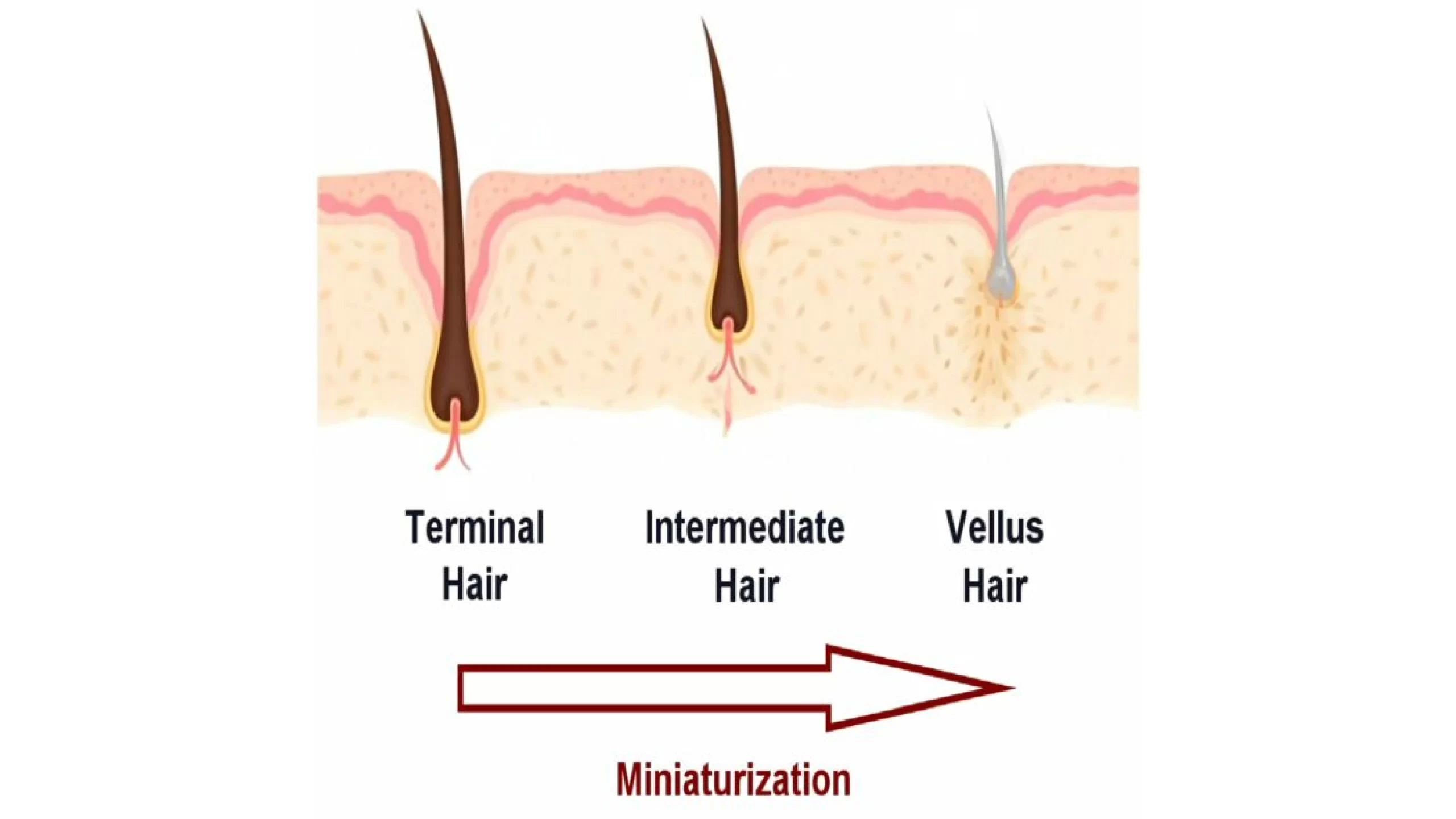
Hair follicle miniaturization is a key characteristic and is linked to underlying
diseases of hair and hair follicles. The follicles shrink, producing thinner and shorter hairs, which leads to noticeable hair thinning. This type of hair loss can vary in severity and progression, depending on genetics and hormonal activity.
Androgenetic Alopecia vs Alopecia Areata
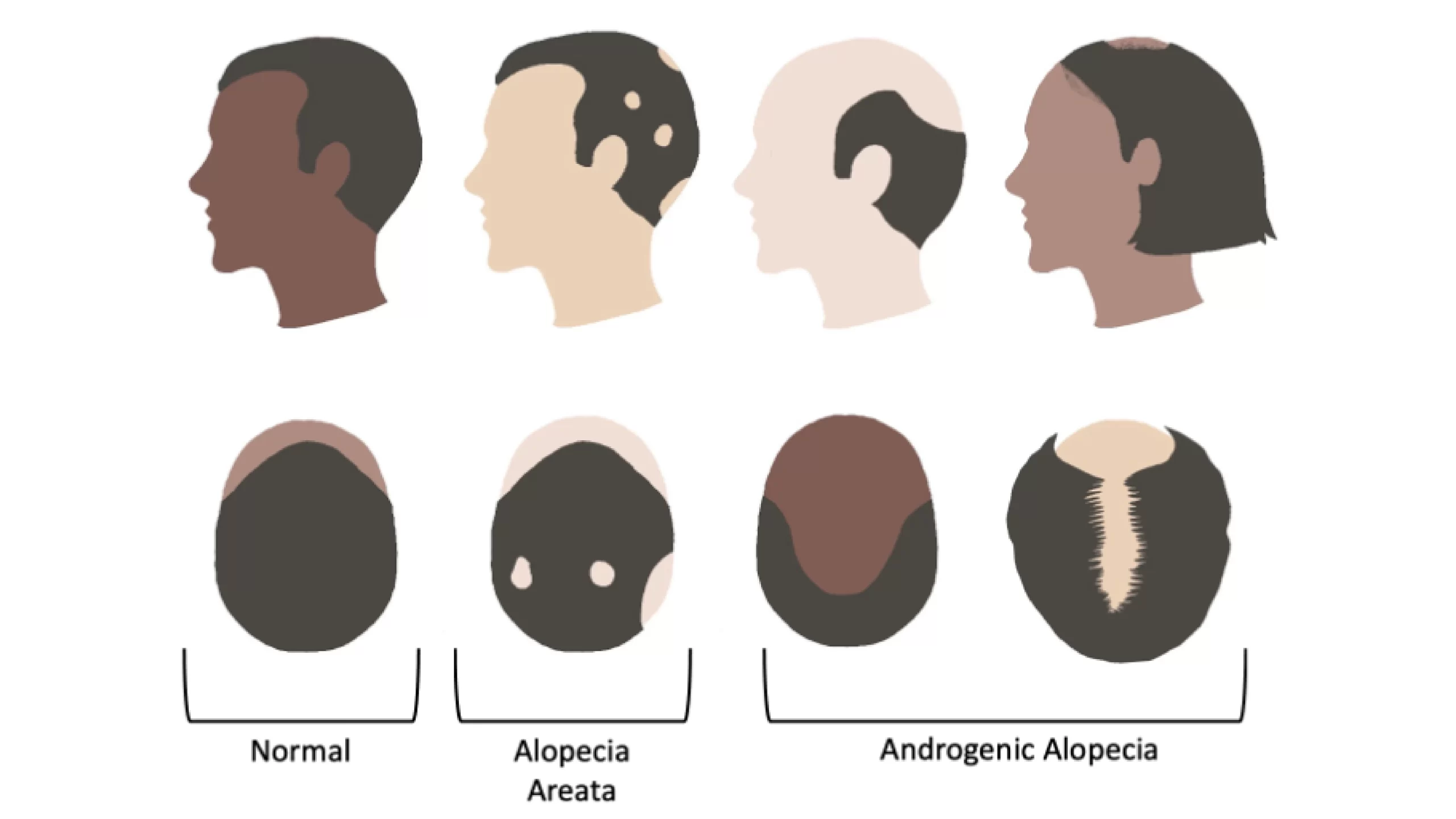
Androgenetic alopecia differs from alopecia areata, which is an autoimmune condition causing sudden, patchy hair loss. Androgenic alopecia is gradual, following a predictable pattern, whereas alopecia areata often appears in circular patches. Understanding this distinction helps patients and clinicians determine the best approach to management and treatment.
Causes and Risk Factors
The primary driver of androgenic alopecia is dihydrotestosterone DHT, a hormone derived from testosterone. DHT binds to hair follicles, shortening the growth phase and shrinking follicles over time. Genetics play a strong role, with family history increasing the likelihood of male pattern baldness or female pattern hair loss.
Other contributing factors include age and hormonal fluctuations, which help explain
why hair loss happens. Men are more susceptible to male pattern hair loss due to higher DHT sensitivity, while women often experience diffuse hair thinning related to hormonal changes. Lifestyle factors, stress, and certain medical conditions may influence the rate of hair loss.
Androgenetic Alopecia by Gender
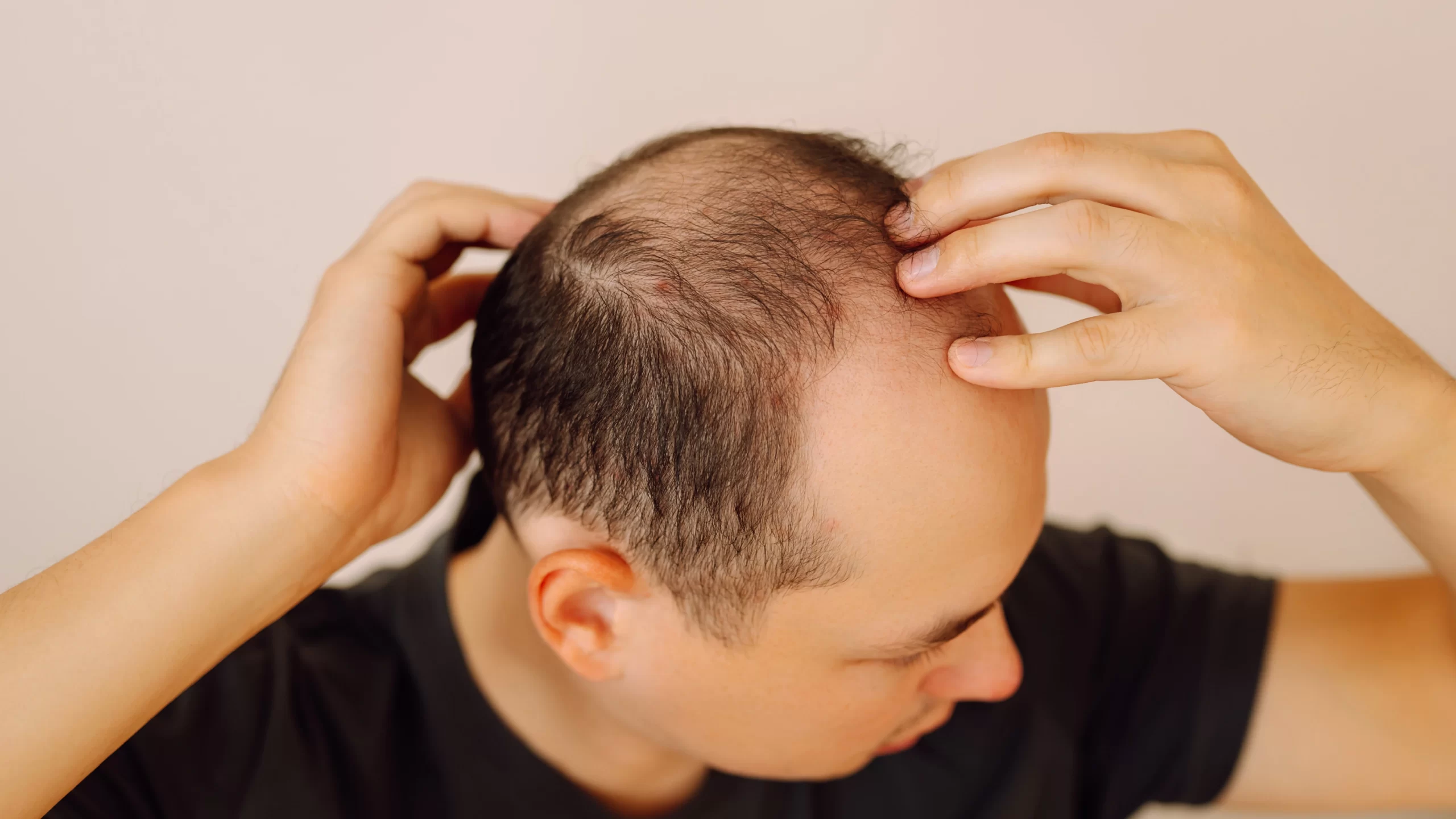
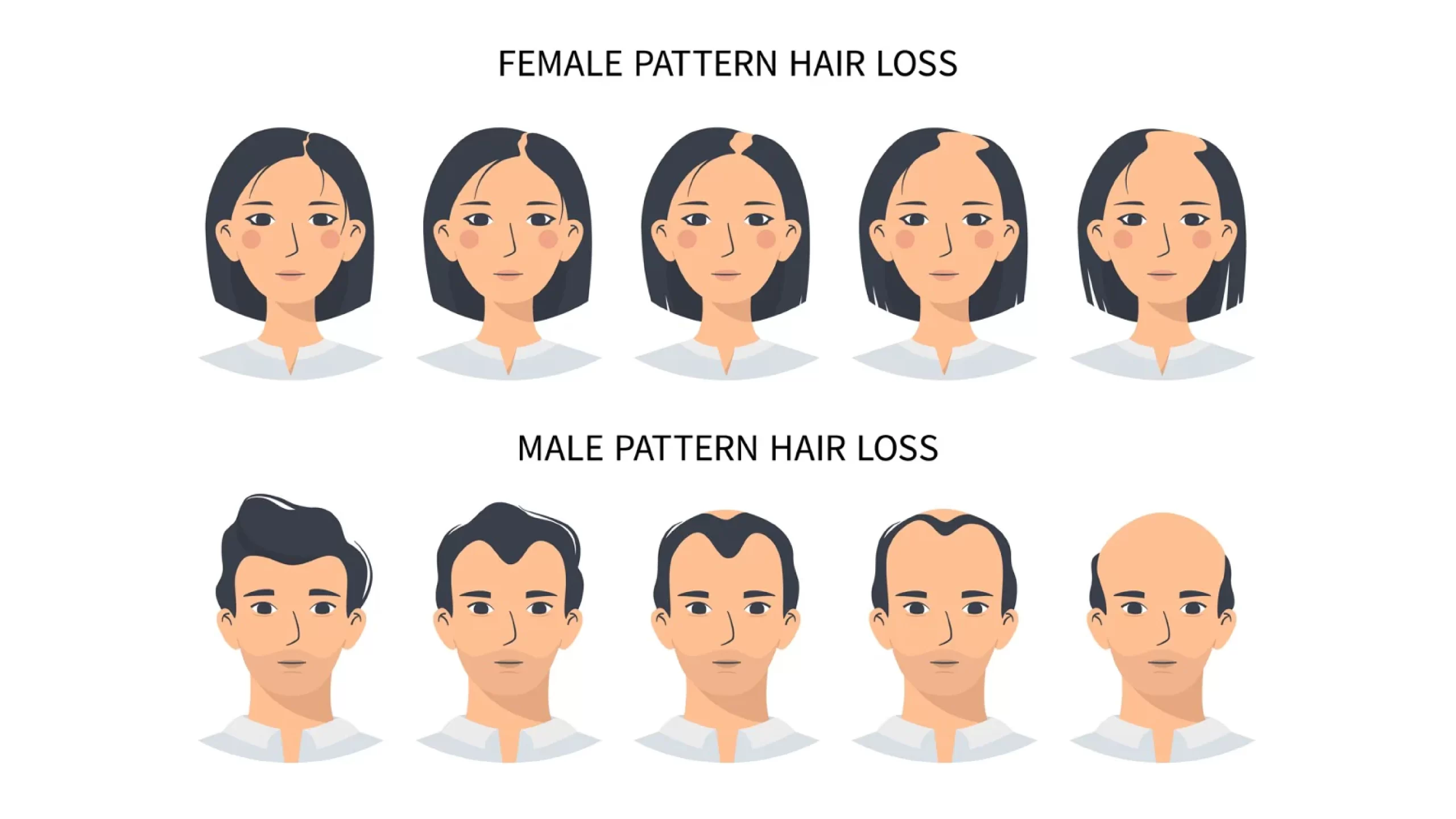
In men, androgenetic alopecia in men usually begins with a receding hairline at the frontal hairline and temples, progressing to thinning at the crown. Male pattern baldness follows a recognizable sequence and can be influenced by DHT sensitivity and genetic predisposition.
In women, androgenetic alopecia in women often presents as diffuse thinning across the scalp rather than a receding hairline. Female pattern hair loss typically affects the mid-scalp area and may increase after menopause due to hormonal changes.
Different Patterns of Hair Loss in Androgenetic Alopecia
Androgenetic alopecia presents in distinct patterns that help identify the type of hair loss and its stage. In men, the pattern often follows a progression from a receding hairline to thinning at the crown. These areas may eventually connect, leading to more advanced male pattern hair loss.
In women, the pattern is usually different. Female pattern hair loss tends to show as diffuse thinning across the top of the scalp while maintaining the frontal hairline. This makes the condition less noticeable at first but still progressive over time.
Recognizing these patterns helps guide evaluation and treatment planning. Pattern alopecia is not random, and the distribution of hair thinning often reflects how sensitive specific hair follicles are to hormonal changes. Identifying the pattern early helps set clearer expectations for outcomes.
Signs and Symptoms of Androgenetic Alopecia
The first signs of androgenic alopecia often include:
- Subtle hair thinning or a gradual receding hairline.
- Thinning at the temples or crown in men.
- Widening of the part line in women.
- Increased hair shedding on pillows, combs, or in the shower.
Progression and Common Symptoms
As androgenic hair loss progresses, hair follicles shrink, producing finer and shorter hairs. Pattern alopecia becomes more evident, and the overall density of hair decreases. Some patients report slower hair growth and changes in the hair texture. Recognizing these signs early can help guide treatment decisions and expectations.
Timeline of Hair Loss and Treatment Results
Androgenetic alopecia progresses gradually over the years. Early stages may involve mild hair thinning or subtle changes in the frontal hairline. Over time, follicles shrink, and areas of thinning become more visible.
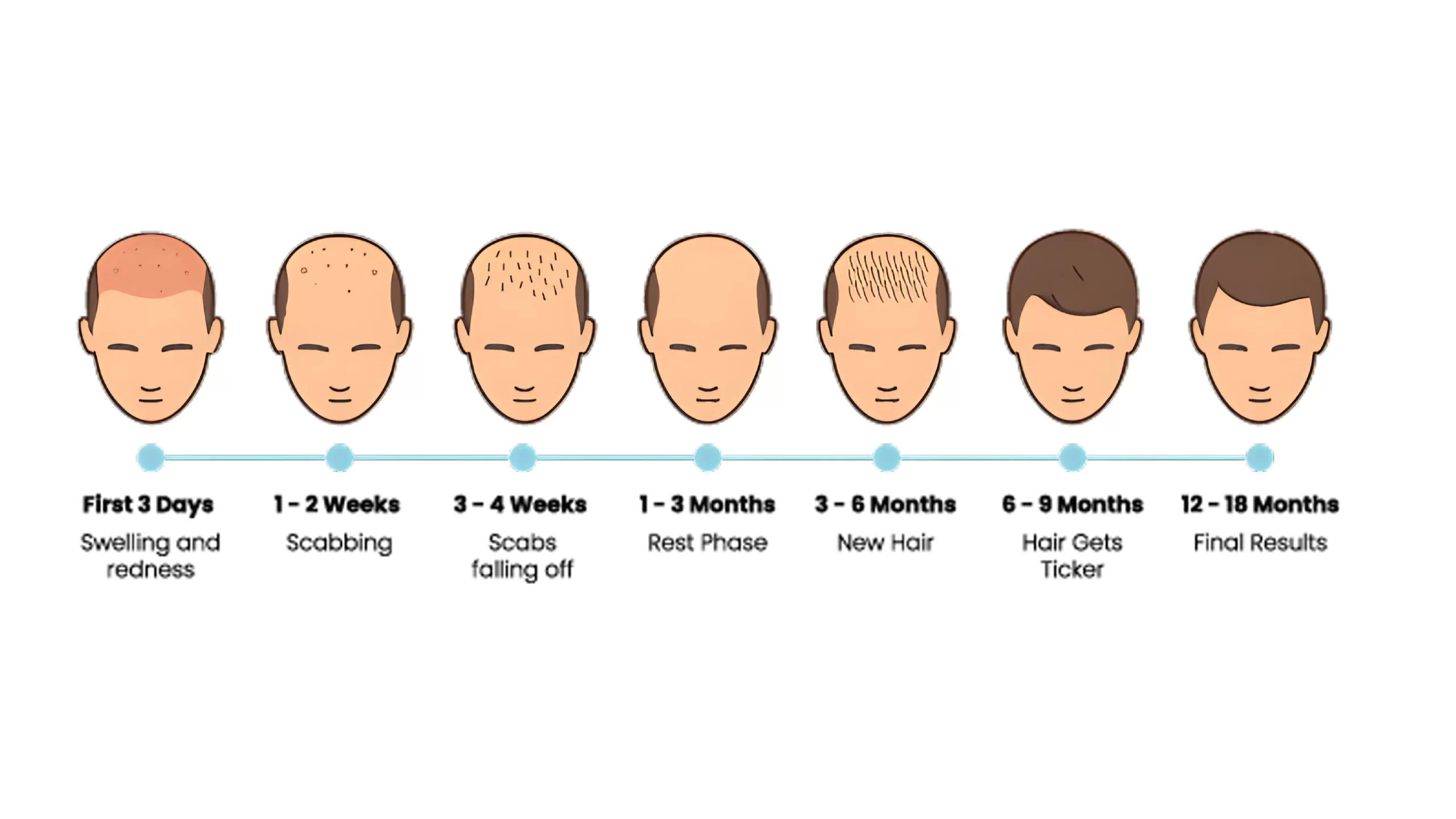
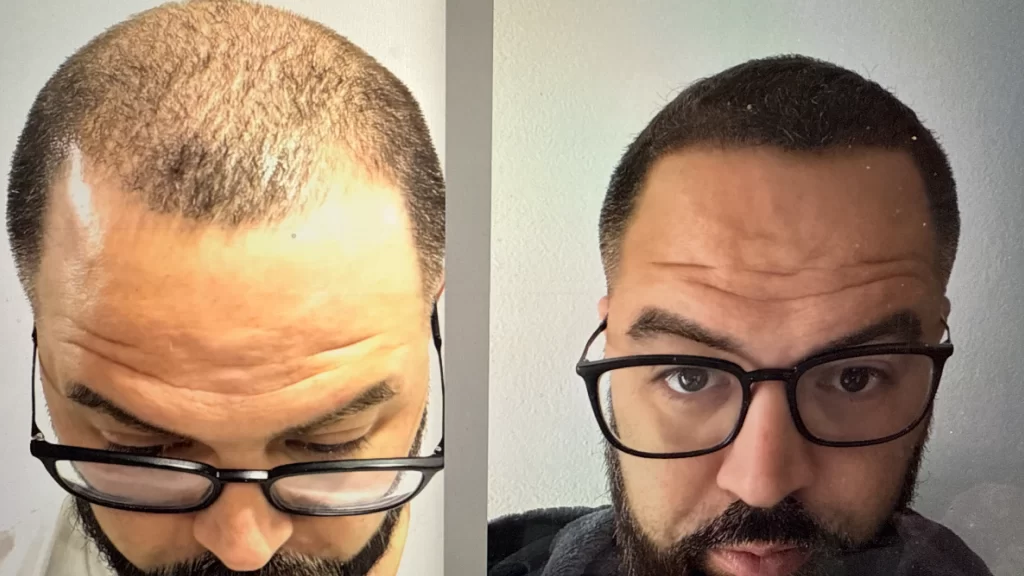
Treatment timelines vary by approach. Nonsurgical treatments such as laser therapy or topical options often require several months before changes in hair growth are noticeable. Hair transplantation follows a different timeline: transplanted hairs typically shed within the first 2 to 4 weeks, new growth begins around month 3 to 4, and final results are generally visible between 12 and 18 months post-procedure.
Patients should expect gradual improvement rather than immediate results. Hair growth cycles take time, and consistent treatment is often needed to maintain outcomes.
Hair Regrowth and Curability
Hair growth in androgenetic alopecia is possible with interventions that support follicle health and focus on
how to improve hair growth and thickness. Treatments, including hair transplantation and laser therapy, aim to stimulate dormant follicles and promote new hair growth. However, the degree of regrowth varies depending on age, genetics, and the severity of follicle miniaturization.
Limits of Curability and Realistic Expectations
Androgenic alopecia is not curable in the absolute sense. Treatments may slow progression and improve density, but they cannot restore all lost hair. Patients should understand that hair transplantation redistributes existing follicles rather than creating new ones. Setting realistic expectations is essential to satisfaction with results.
Who Is a Candidate for Treatment
Not every patient responds the same way to treatment. Candidacy depends on the stage of androgenetic alopecia, the stability of hair loss, and the availability of donor hair for hair transplantation.
Patients with early hair thinning may benefit more from non-surgical treatments. Those with advanced pattern alopecia may consider surgical options to restore density in areas like the frontal hairline or crown. Age, expectations, and overall scalp health also influence treatment decisions.
A proper evaluation helps determine the most suitable approach. Treatment includes options tailored to the individual rather than a one-size-fits-all plan.
Treatment Options
Hair Transplantation
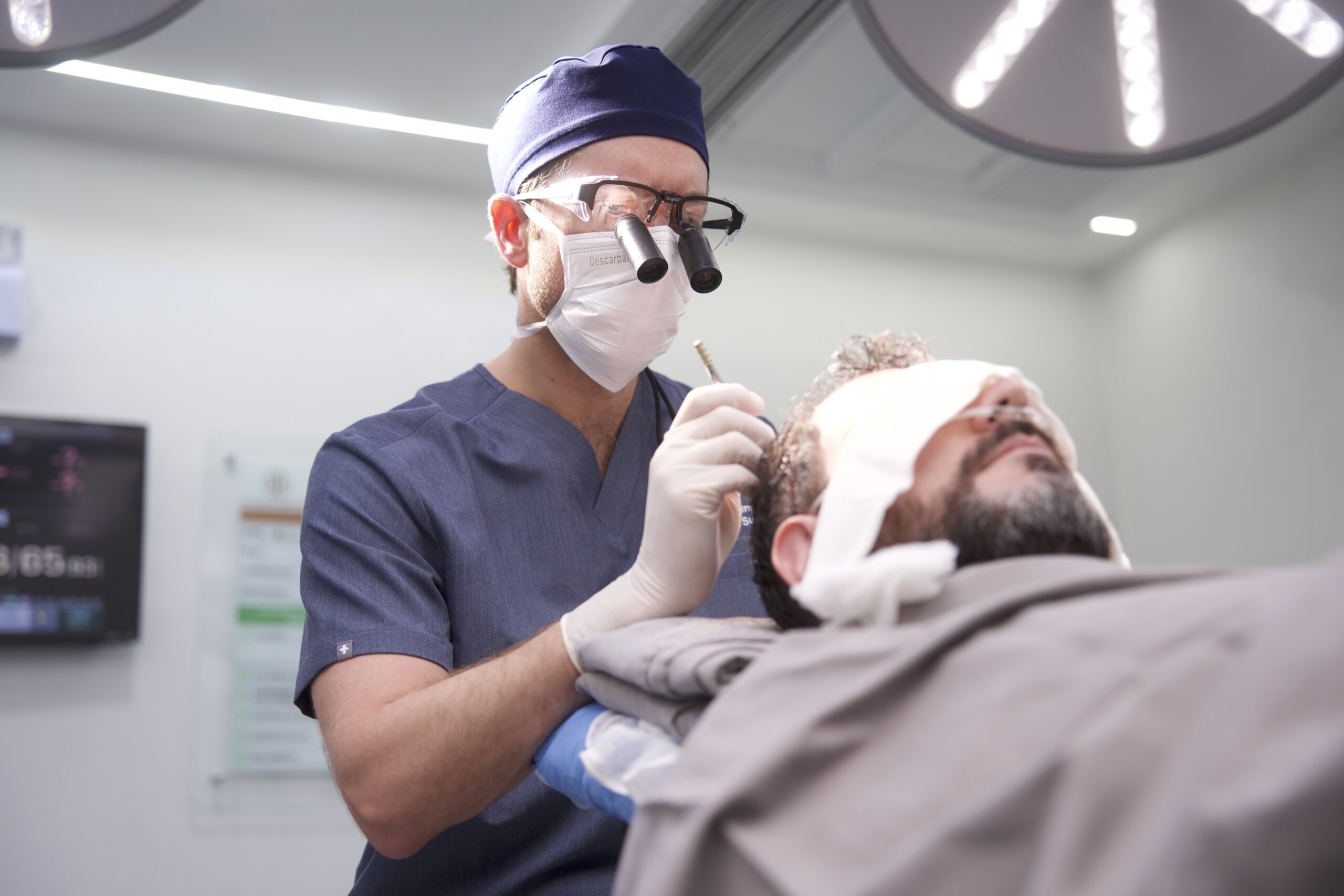
Hair transplantation involves moving hair follicles from areas resistant to DHT to thinning or bald areas. Shaveless FUE, offered at Unshaven Hair Clinic, allows patients to maintain their existing hair length during the procedure. Recovery typically takes a few weeks, with growing hair appearing gradually over several months. Patients often notice improvements at the frontal hairline and crown, though results vary.
Non-Surgical Treatments
Nonsurgical options include laser therapy and topical treatments. Laser therapy stimulates hair follicles to support hair growth and improve follicle health. Topical treatments, including medicated shampoos, can help reduce shedding and support existing hair. Each approach has potential side effects, such as scalp irritation, and results vary among individuals.
Other non-surgical treatments may focus on reducing DHT impact or supporting hair follicle nutrition. Combining multiple approaches may improve outcomes, but no single treatment guarantees complete regrowth.
Goals of Treatment and Long-Term Management
The main goal of treatment is to slow down hair loss and preserve existing hair. In many cases, treatment includes approaches that support hair follicle function and improve the appearance of density. Regrowing large amounts of hair is less predictable than maintaining what is already present.
Long-term management is often required. Androgenic hair loss is ongoing, so stopping treatment may lead to continued thinning over time. Consistency plays a key role in maintaining results from both surgical and non-surgical treatments.
Hair transplantation offers a more permanent solution for certain areas, such as the frontal hairline. However, it does not stop future hair thinning in untreated areas. This is why many patients combine procedures with ongoing maintenance strategies.
Setting clear goals helps guide decisions. Some patients aim to restore density, while others focus on slowing progression. A balanced plan considers expectations, available treatments, and the natural course of androgenetic alopecia.
Risks and Side Effects of Treatment
Each treatment option carries potential side effects:
- Topical treatments may cause scalp irritation or dryness.
- Laser therapy requires consistent use, results vary.
- Hair transplantation involves recovery, with possible temporary swelling or redness.
- Transplanted hairs may shed before new growth appears.
Hair transplantation is a procedural option and involves recovery time. Temporary swelling, redness, or shedding of transplanted hairs can occur. These effects are usually short-term, but patients should understand the process before proceeding.
Clear expectations about risks improve satisfaction. Understanding side effects helps patients make informed decisions about managing androgenic alopecia.
Common Questions About Androgenetic Alopecia
Community Insights
Many patients share experiences on platforms like Reddit or in testimonials about managing androgenetic alopecia. Discussions often include strategies to maintain hair density, experiences with hair transplantation, and how treatments like laser therapy or specialized shampoos contributed to hair growth. These real-world insights provide practical context but should not replace professional evaluation.
Learning from others can help patients understand realistic timelines and expected results. Engaging with communities may also offer emotional support for those experiencing hair thinning or pattern baldness.