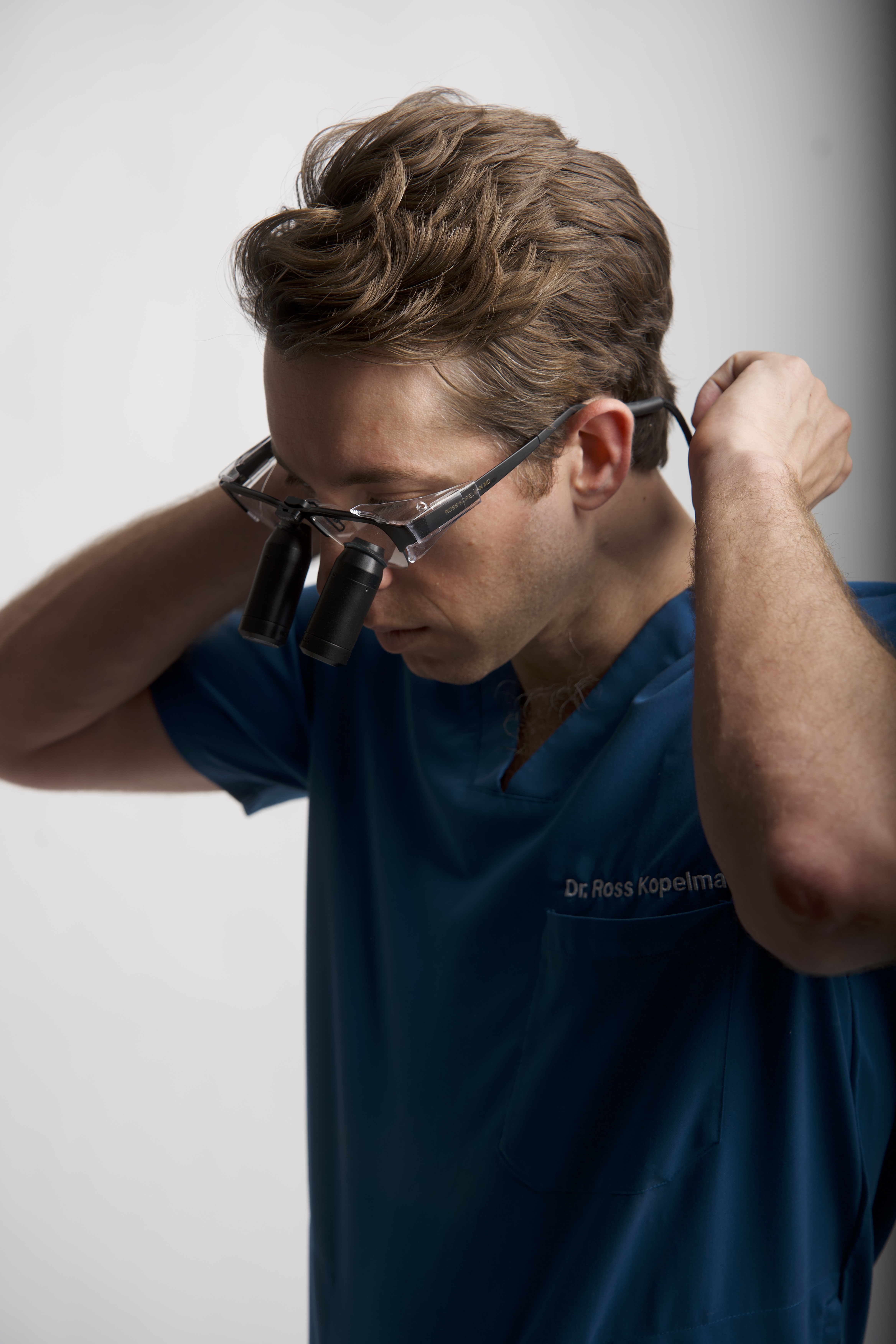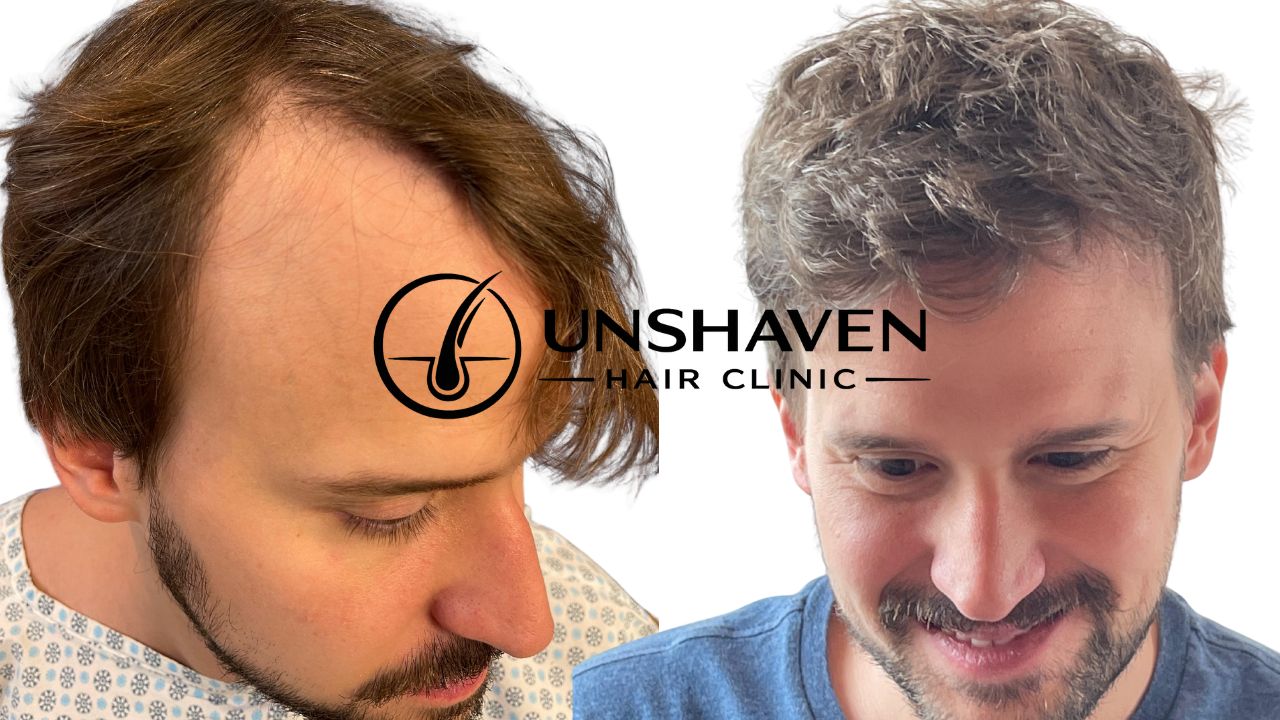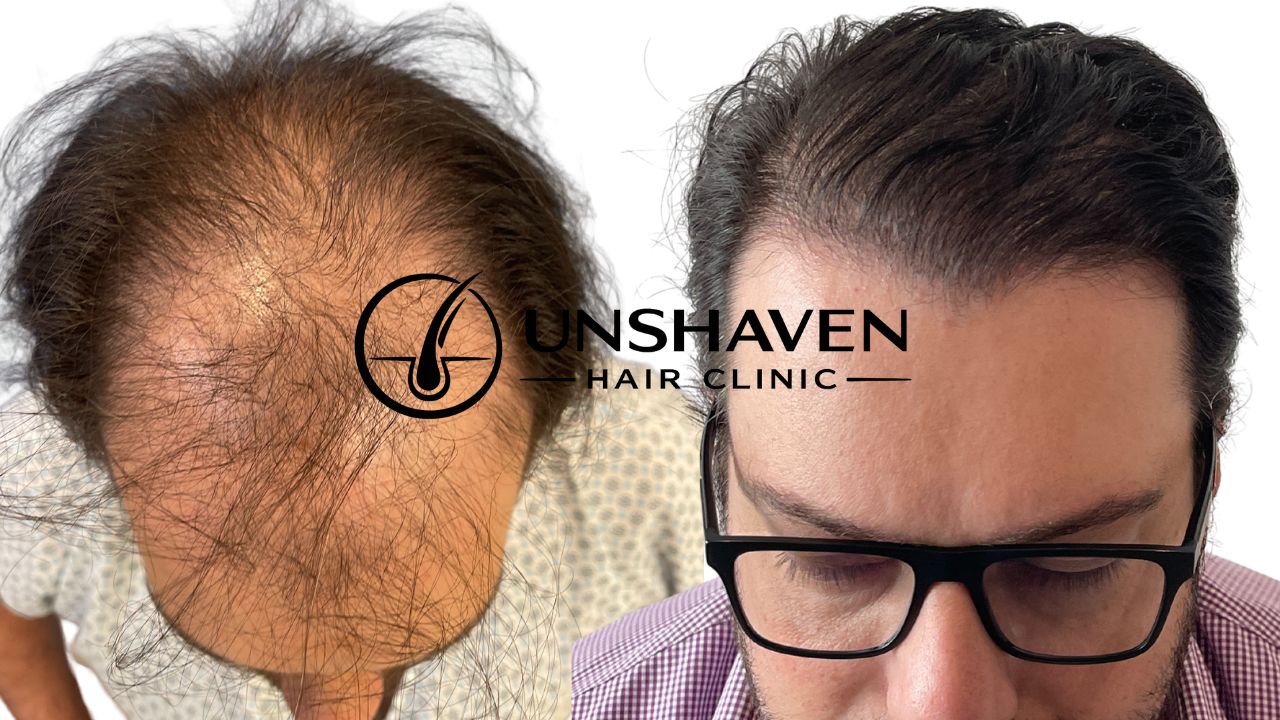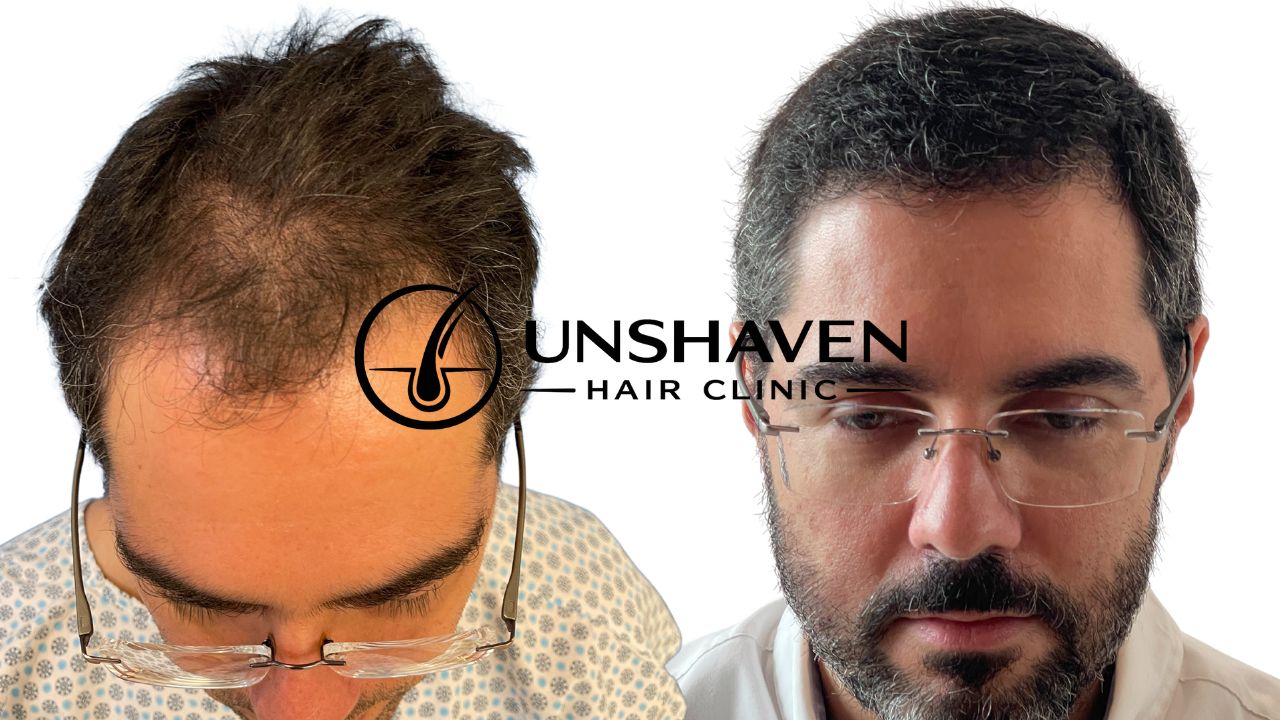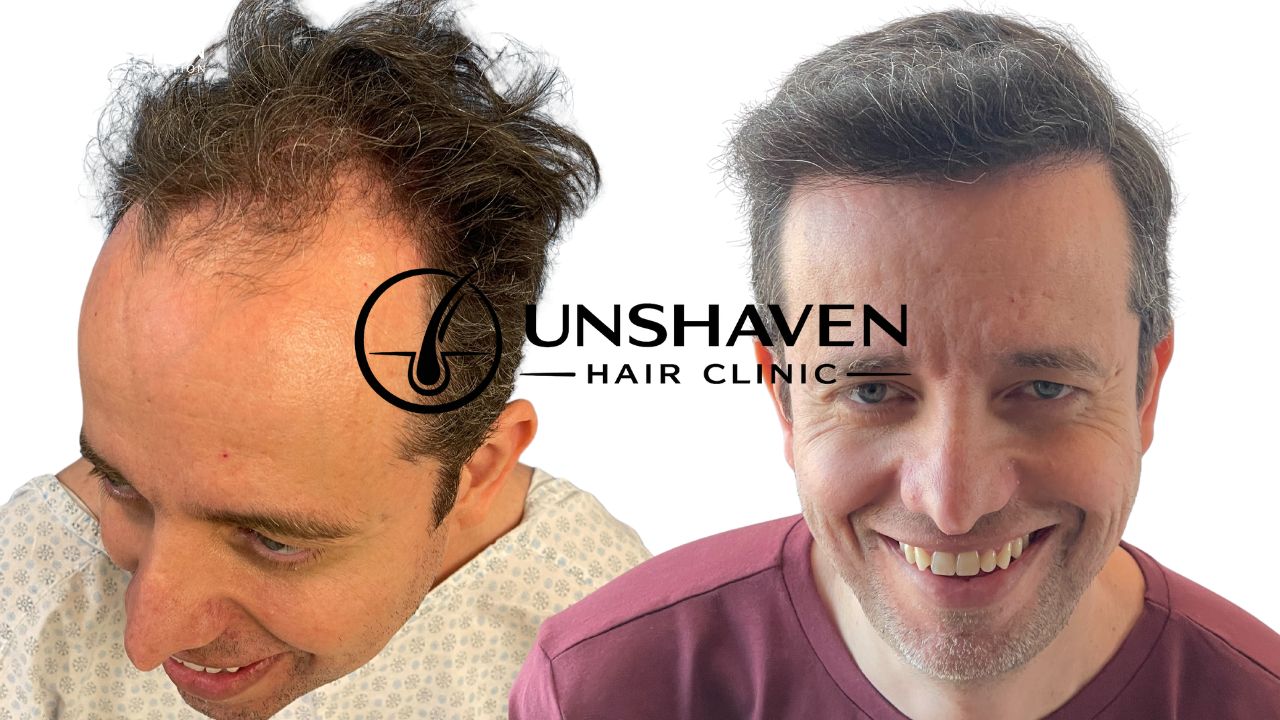
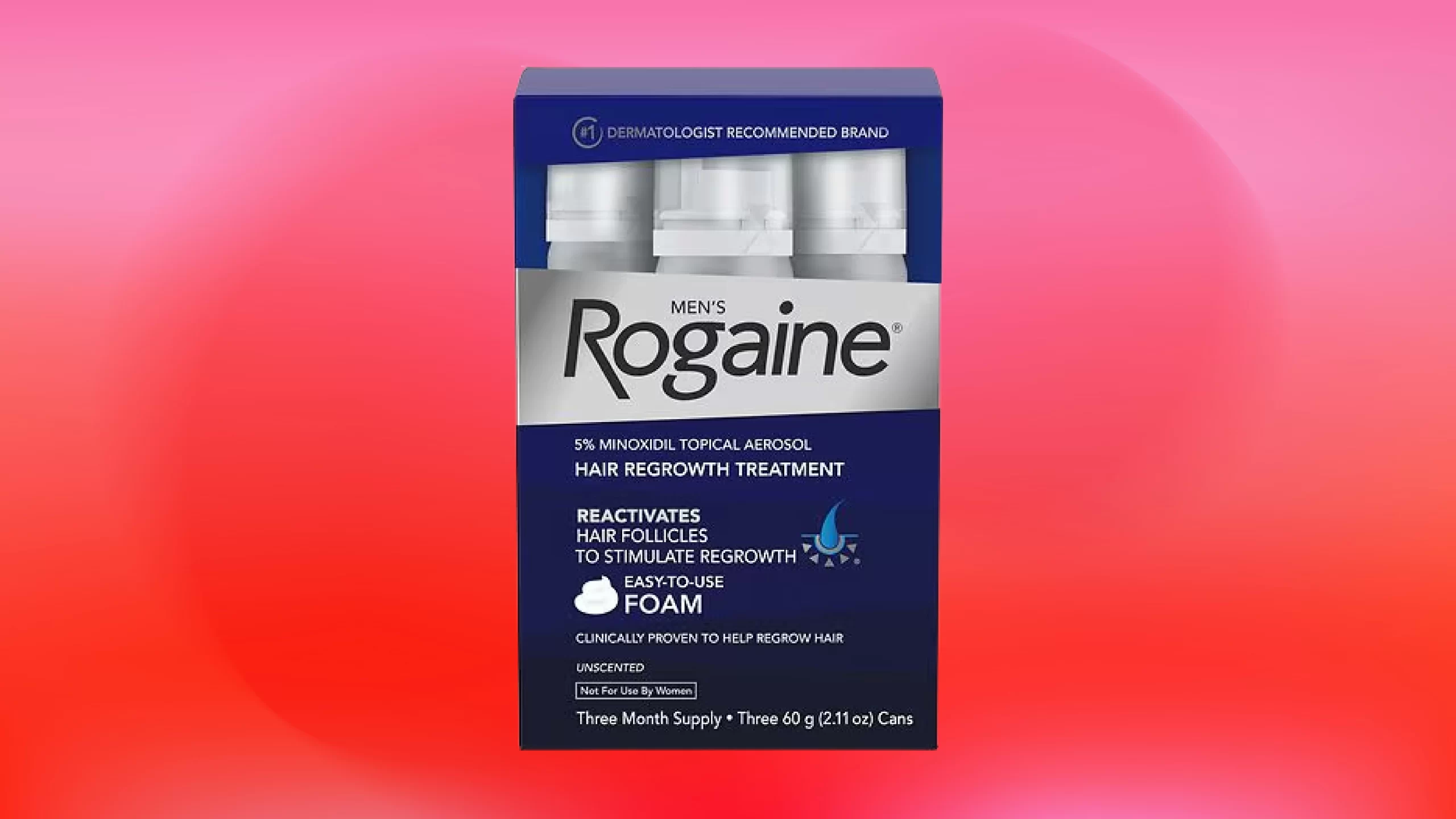
At Unshaven Hair Clinic, questions about treatment safety come up often, especially with long-term use. Dr. Ross Kopelman, a specialist in hair restoration and shaveless FUE, regularly helps patients understand how medications like minoxidil work and what the evidence actually shows. The short answer is no, current medical research does not show that Rogaine or minoxidil causes cancer in humans.
Key Takeaways
- Current clinical evidence does not show that Rogaine or minoxidil causes cancer in humans when used as directed.
- Concerns about cancer risk often come from high-dose animal studies or lab research that do not reflect real-world use.
- Minoxidil works at the level of hair follicles and blood flow, not through pathways typically linked to cancer development.
- Common side effects like scalp irritation or mild headaches can occur, but they are usually temporary and manageable.
- Minoxidil is a maintenance treatment, so stopping use typically leads to a gradual loss of any hair regrowth benefits.
Does Minoxidil Cause Cancer? The Short Answer
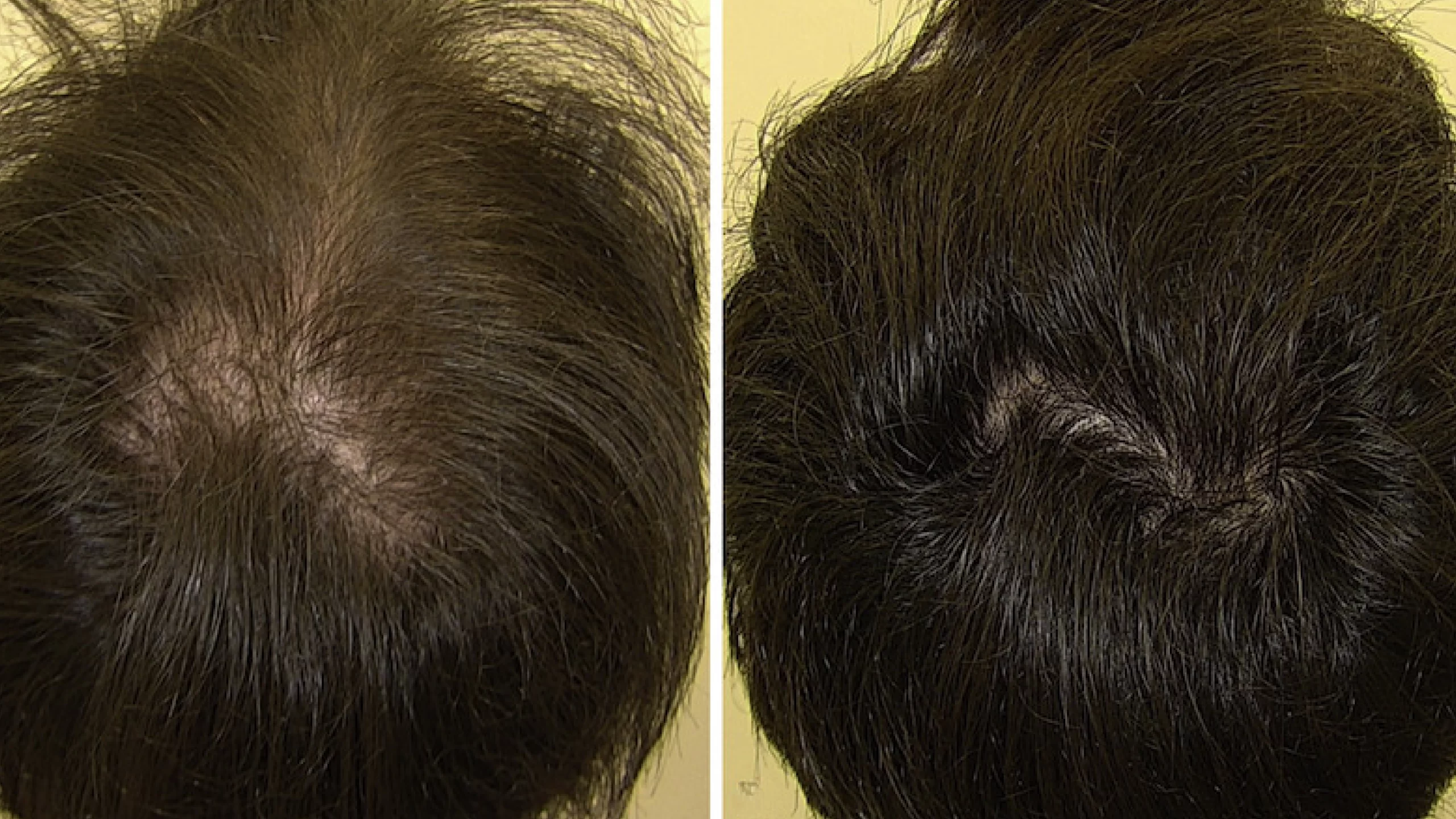
There is no clinical evidence that minoxidil increases cancer risk when used as directed. Long-term studies and real-world use have not shown a consistent link between minoxidil and cancer development. This applies to topical forms like Rogaine and oral use under proper medical supervision.
When people ask whether minoxidil causes cancer, the concern usually comes from early research or online discussions, which are further explained in this breakdown of minoxidil side effects and cancer. Most of these sources do not reflect how the medication behaves in the human body. In clinical practice, minoxidil continues to be widely used with a well-established safety profile.
Why People Think Minoxidil Causes Cancer
Concerns about whether Rogaine can cause cancer often come from older animal studies. In these studies, rodents were exposed to very high doses that do not reflect human use. These results have not been seen in people.
Laboratory studies also contribute to confusion. These studies examine isolated cells in controlled environments, which do not reflect how the body works as a whole. Online discussions often repeat these findings without context, which can make the risk seem greater than it is.
Minoxidil and Cancer Risk: What Studies Show in Men and Women
Human studies have not found an increased cancer risk in men or women using minoxidil, and research continues to explore whether minoxidil works for women in different contexts. This includes people who have used topical minoxidil for many years. There is no evidence that gender changes cancer risk related to this medication.
Minoxidil works by improving blood flow and stimulating hair follicles. It does not directly affect hormonal pathways linked to cancers such as breast or prostate cancer. For this reason, concerns about minoxidil side effects and cancer are not supported by current clinical data.
Specific Cancer Concerns (Brain, Breast, and More)
Some users worry about specific cancers, such as brain or breast cancer. Current evidence does not support these concerns. No data show that minoxidil increases the risk of these cancers.
Most of these concerns come from misinterpreting early research. Laboratory findings may show changes in cell behavior, but they do not prove that a drug causes cancer in humans. In real-world use, no pattern of organ-specific cancer risk has been observed.
Other Safety Concerns: Heart, Brain, and Fertility
Some people ask about broader health risks beyond cancer. Topical minoxidil has limited absorption into the bloodstream, which reduces the likelihood of systemic effects. This is one reason it is commonly used and considered safe for most individuals.
There is no strong evidence linking minoxidil to serious conditions like heart attacks, brain damage, or infertility. While individual responses can vary, the overall safety profile remains consistent across different groups of users.
Minoxidil Side Effects: Headaches and Common Reactions
Questions like Can Rogaine cause headaches or Can Rogaine give you headaches are common. Some users report mild headaches, which may be related to changes in blood vessel activity or sensitivity to ingredients. These symptoms are usually temporary and improve with continued use.
Rogaine and headaches are not strongly linked in most users, but individual responses differ. Other common side effects include scalp irritation, dryness, and mild shedding when starting treatment.
Common side effects may include:
- Scalp irritation or dryness
- Temporary shedding at the start of treatment
- Mild headaches in some users
Is Rogaine Harmful? Who Should Be Careful
Rogaine is generally safe when used as directed, but it may not be suitable for everyone. People with sensitive skin or certain scalp conditions may experience irritation. Those with underlying health concerns should take a more individualized approach.
A proper evaluation helps determine whether minoxidil is appropriate based on medical history and hair loss pattern. This step can help reduce unwanted side effects and improve overall results.
Topical vs Oral Minoxidil: Safety Differences
| Category | Topical Minoxidil | Oral Minoxidil |
|---|---|---|
| Application | Applied directly to scalp | Works throughout the body |
| Absorption | Minimal bloodstream absorption | Full systemic absorption |
| Mechanism | Targets follicles locally | Affects circulation and vascular system |
| Systemic Effects | Limited outside scalp | May affect blood pressure and heart rate |
| Usage | Common first-line treatment | Used selectively with supervision |
| Risk Level | Lower systemic risk | Higher monitoring required |
NCBI – Minoxidil Pharmacology
American Academy of Dermatology – Minoxidil Treatment
Cleveland Clinic – Topical Minoxidil
Systemic effects and risks vary by dosage and patient health. Descriptions reflect general clinical understanding.
Can You Stop Minoxidil or Do You Need It Forever?
Minoxidil works only while it is being used. If you stop, the benefits usually fade and hair returns to its previous state. This is why it is considered a maintenance treatment.
Many people ask if they can stop after one year. While stopping is possible, results are unlikely to last without continued use. Consistency plays a key role in maintaining improvement.
What Causes Most Cancer? Putting Risk in Context
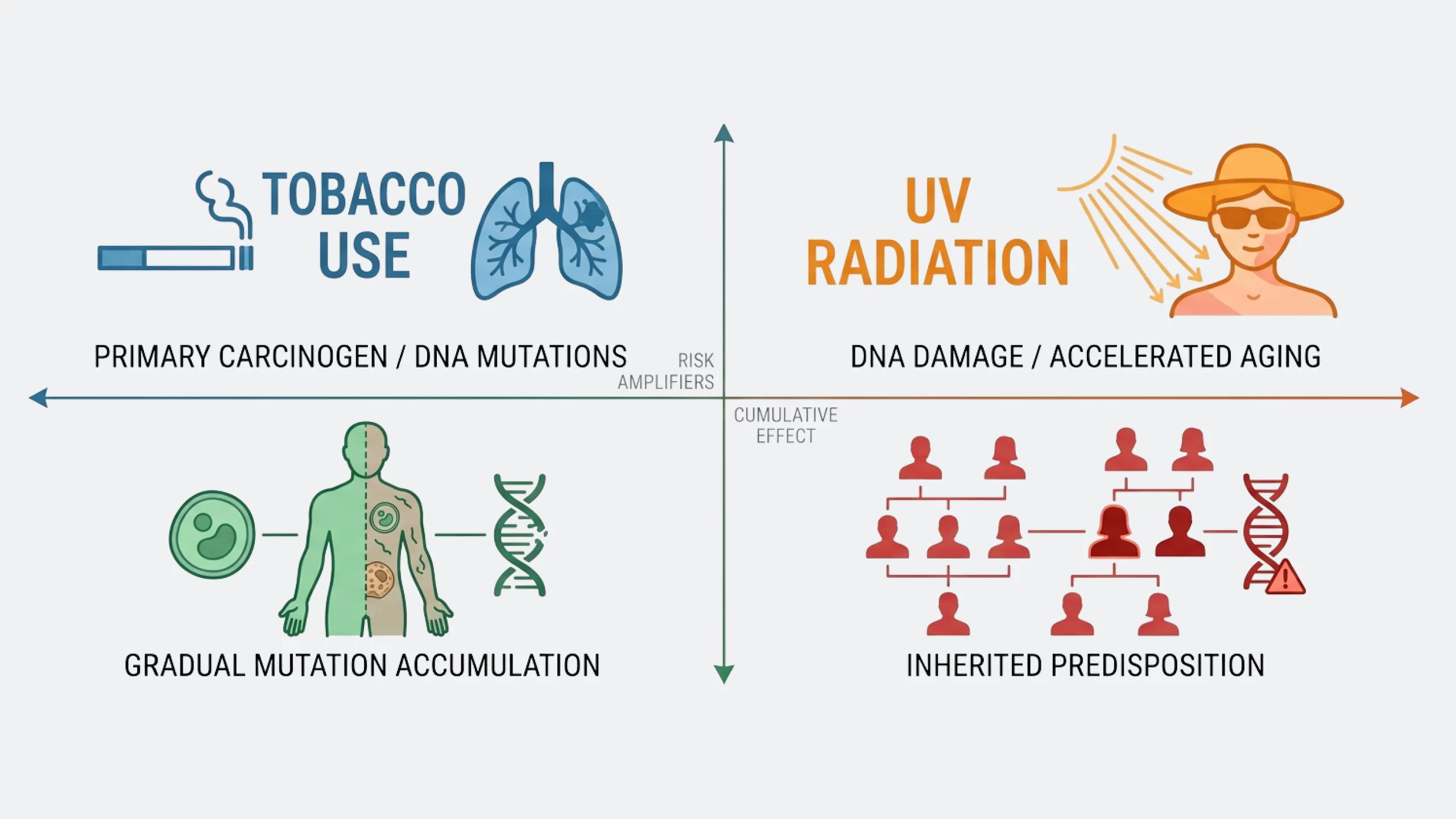
Most cancers are linked to a mix of genetic and environmental factors. Common contributors include smoking, ultraviolet exposure, aging, and lifestyle habits. These factors have a much stronger impact than medications like minoxidil.
Major cancer risk factors include:
- Tobacco use
- UV radiation exposure
- Genetic predisposition
- Aging and lifestyle habits
Understanding this helps put concerns into perspective and allows for more informed decisions.
How Doctors Evaluate Minoxidil Safety
Medical professionals evaluate safety using clinical trials, long-term studies, and real-world data. This helps identify patterns and confirm whether risks exist over time. It also ensures that recommendations are based on consistent evidence.
Minoxidil has been studied for decades, and its safety profile remains well established. Ongoing research continues to support its use in appropriate patients.
Where Minoxidil Fits in Hair Loss Treatment
Minoxidil is often part of a broader approach to treating hair loss, including other products to encourage hair growth. It may be combined with other therapies to improve results and slow progression. The goal is to create a plan that fits the individual.
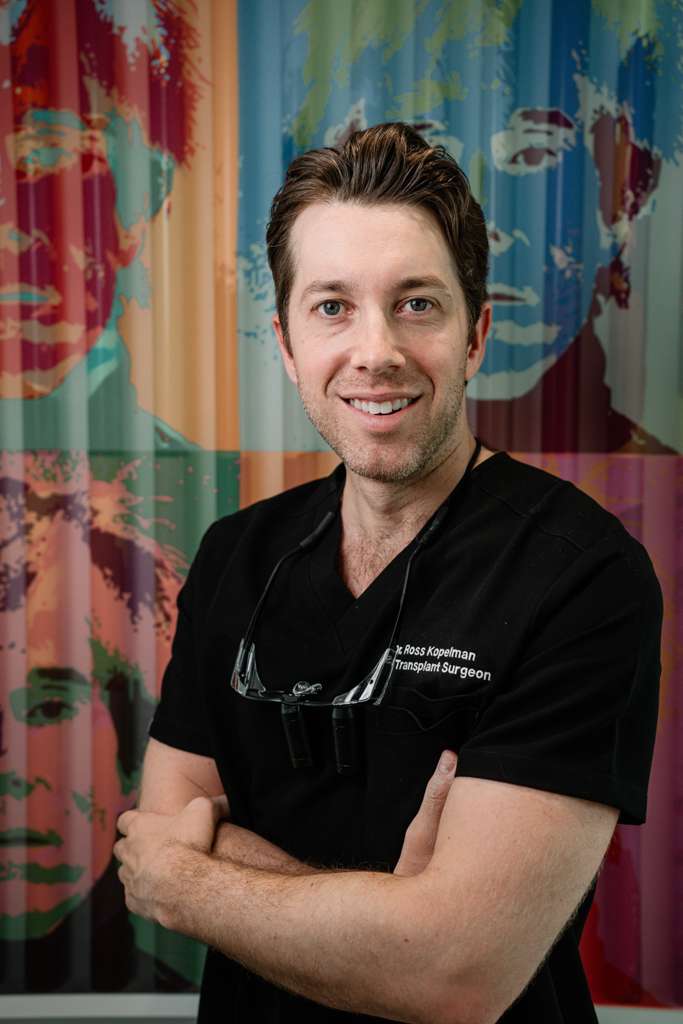
At Unshaven Hair Clinic, treatment plans are tailored to each patient. Dr. Ross Kopelman focuses on personalized care and natural-looking results, especially when combining medical treatments with procedures like shaveless FUE.
Ready to Take the Next Step?
Whether you are just starting to notice thinning or already exploring hair trasplant options.
Dr. Kopelman offers personalized consultations tailored to your goals.
Ready to Take the Next Step?
Whether you are just starting to notice thinning or already exploring hair trasplant options, Dr. Kopelman offers personalized consultations tailored to your goals.
Bottom Line: Is Minoxidil Safe to Use?
Current evidence does not support a link between minoxidil and cancer. Questions like Can Rogaine cause cancer and ” Does minoxidil cause cancer are common, but they are not backed by human data. Most concerns come from early research or a misunderstanding of how studies work.
Minoxidil remains a widely used and well-studied option for hair loss. Side effects such as Rogaine and headaches can occur, but they are usually mild and manageable. A proper evaluation helps determine whether it is the right option for each individual.