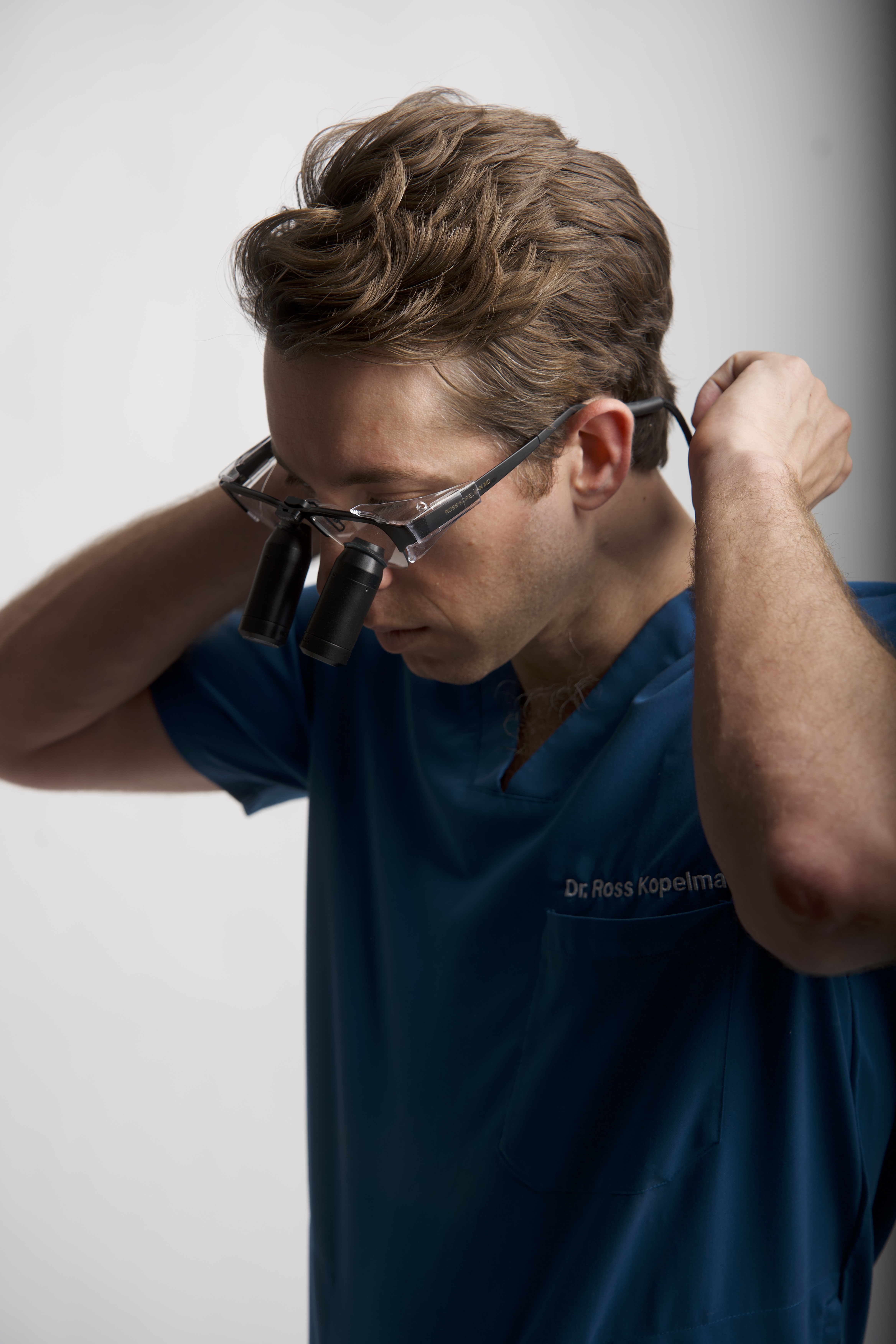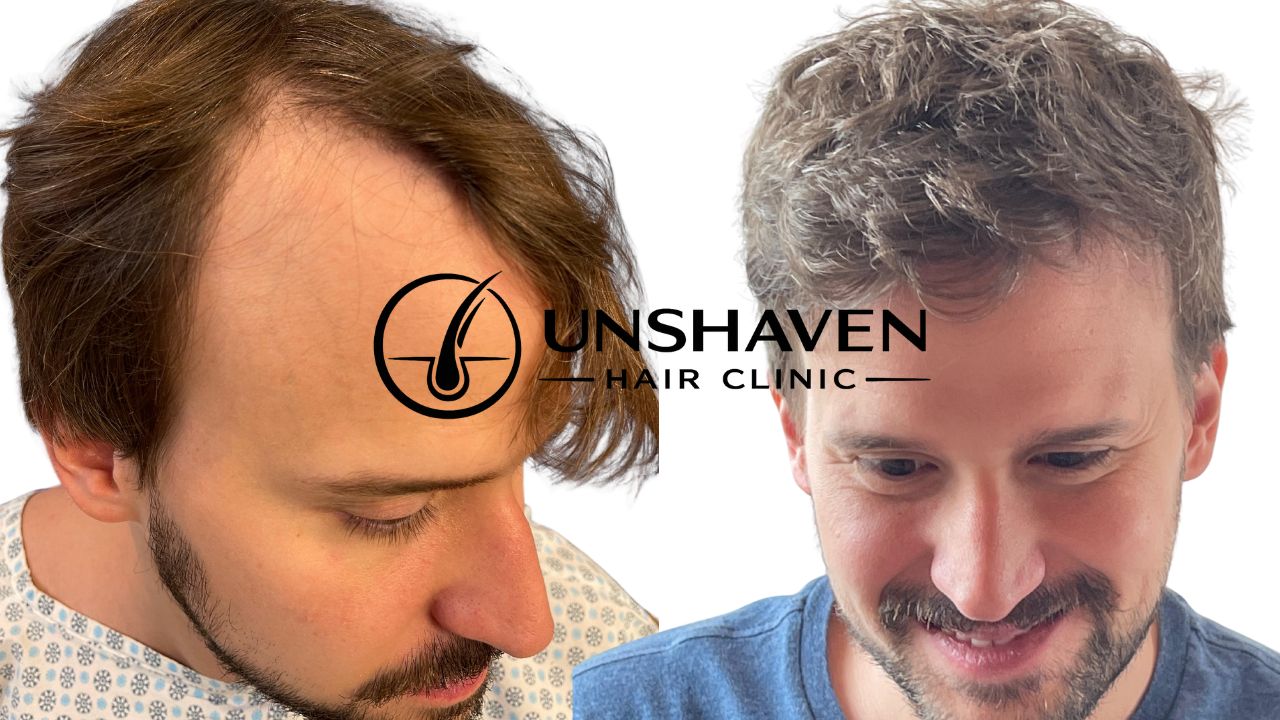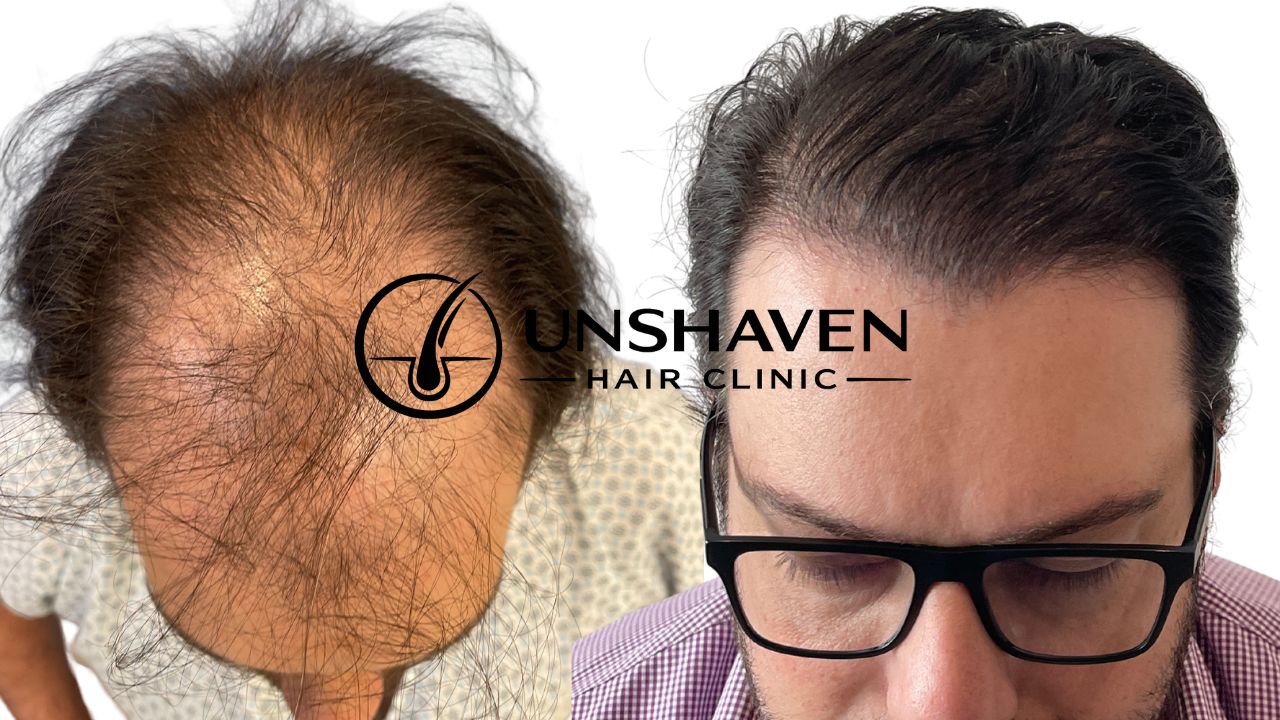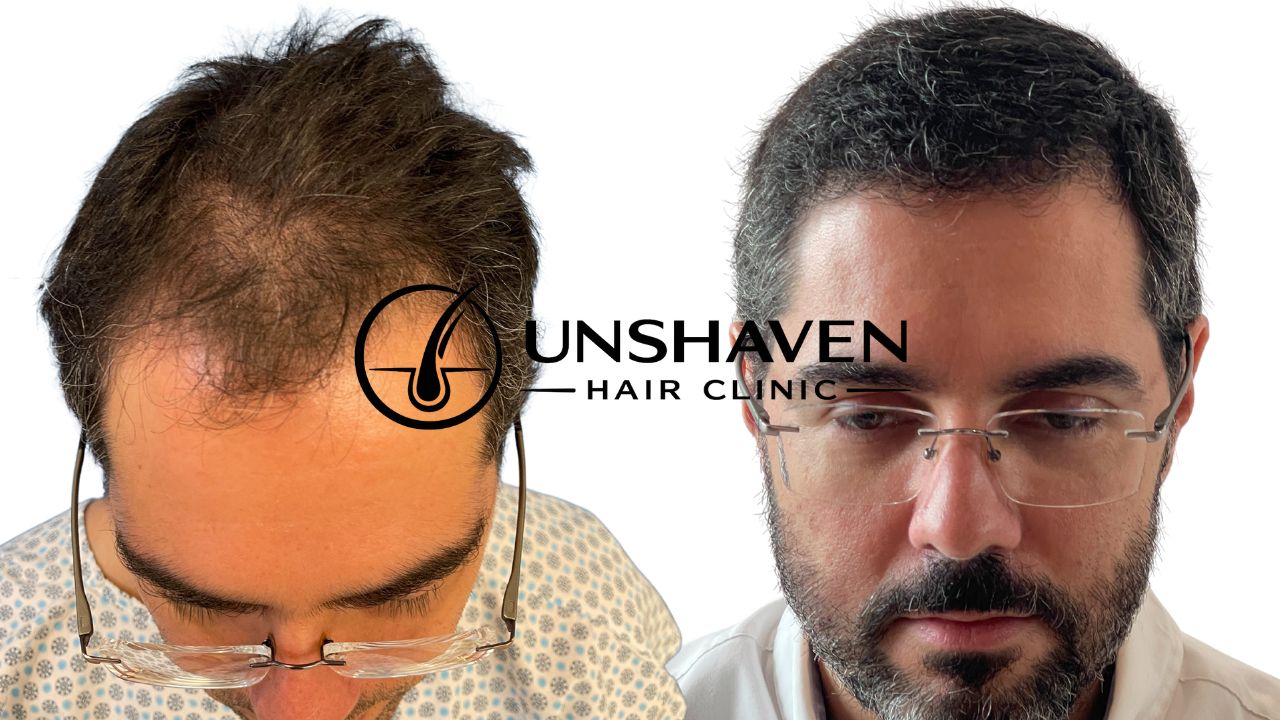
At Unshaven Hair Clinic, led by Dr. Ross Kopelman, a common question is whether hair length affects shedding or thinning. The short answer is no, long hair does not cause hair loss or baldness. Many people notice more hair in the shower as it grows longer, but this is usually due to visibility rather than a real increase in shedding.
Key Takeaways
- Long hair does not cause hair loss or baldness because hair growth and shedding are controlled at the follicle level beneath the scalp.
- Shedding may appear greater with longer hair because strands are more visible and often come out together during washing or brushing.
- Hair loss in both men and women is usually driven by genetics, hormones, or health factors, not by how long the hair is.
- Breakage and traction from tight hairstyles can affect hair quality, but these are different from true hair loss and are related to hair care habits.
- Persistent thinning, changes in density, or prolonged shedding may require medical evaluation to identify the underlying cause.
Does Long Hair Cause Hair Loss or Balding?
Hair length does not influence how hair grows or sheds. The follicle controls the growth cycle, and this process happens beneath the skin, regardless of how long the hair becomes.
Hair loss is typically linked to factors such as genetics, hormones, or overall health. This is why concerns like does long hair cause hair loss or does long hair cause baldness are often based on appearance rather than actual biological change.
Does Long Hair Cause More Hair Fall or Just Look Like It?
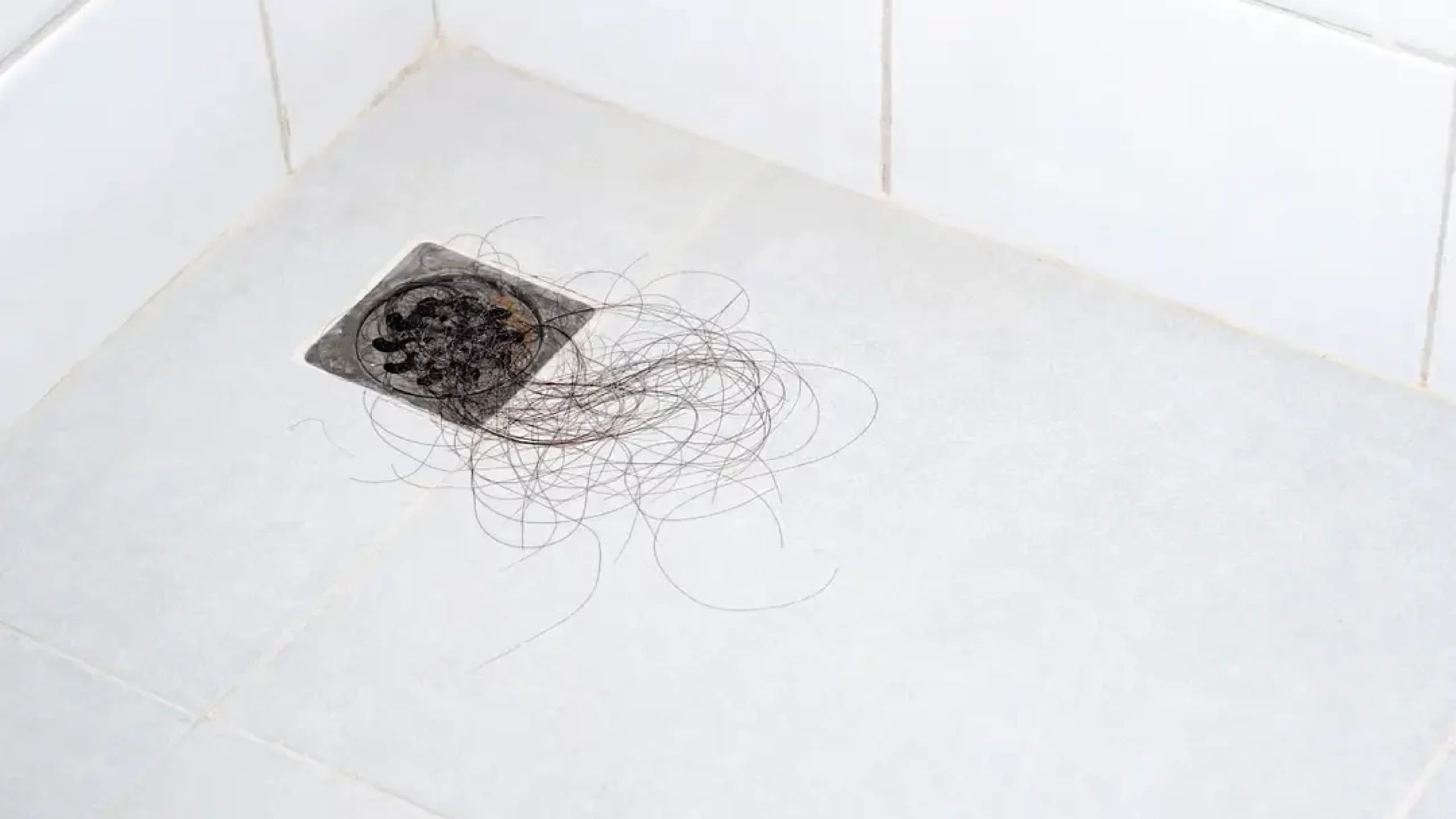
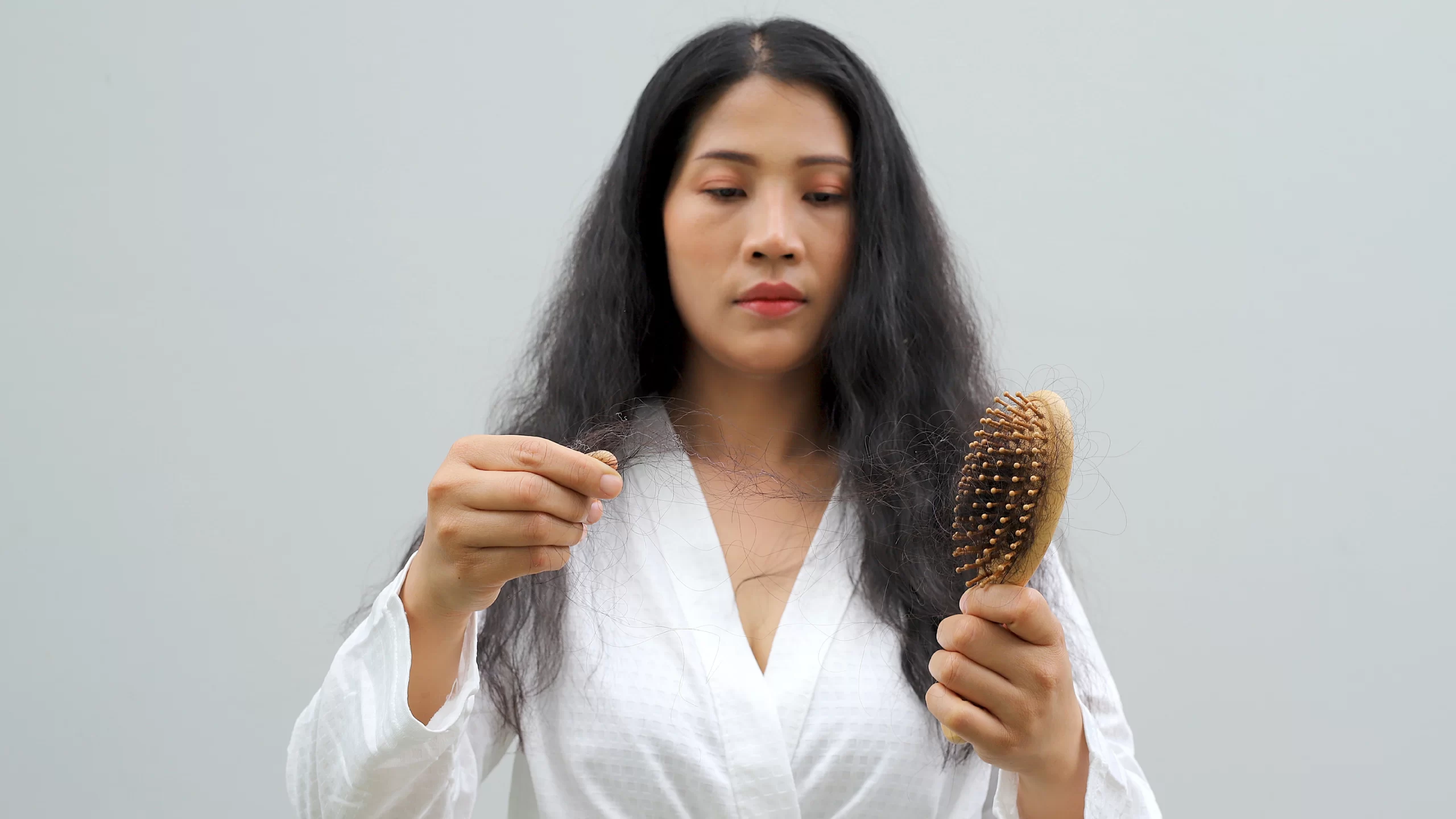
Many people believe they are losing more hair as it grows longer. In reality, shedding often stays the same, but it becomes easier to notice. This leads to the common concern around long hair loss.
Long strands are more visible and can collect before falling out. When you wash or brush your hair, several strands may come out at once. This creates the impression of increased shedding even when the daily amount has not changed.
Does Long Hair Cause Hair Loss in Men or Women?
| Category | Men | Women | Impact of Hair Length |
|---|---|---|---|
| Primary Cause | Genetic sensitivity to DHT | Hormonal changes, stress, nutrition | No effect on follicle activity |
| Pattern | Receding hairline, crown thinning | Diffuse thinning, widening of the part | Does not influence the pattern |
| Biological Driver | Androgen hormones act on the follicles | Hormonal shifts and systemic factors | Hair growth is controlled beneath the scalp |
| Overall Conclusion | Hair loss driven by internal factors | Hair loss driven by internal factors | No link between hair length and hair loss |
American Academy of Dermatology – Androgenetic Alopecia
American Academy of Dermatology – Female Pattern Hair Loss
Cleveland Clinic – Hair Loss Overview
Hair loss patterns and causes vary by individual. Categories shown reflect common clinical patterns but are not exhaustive.
Does Long Hair Cause Balding, a Receding Hairline, or Crown Thinning?
People often associate long hair with visible thinning, especially at the crown or hairline. This leads to searches like long hair balding or concerns about receding areas. However, hair length does not cause these patterns.
A receding hairline or thinning crown usually points to androgenetic alopecia. Long hair may make these areas more noticeable because it separates more easily. This can create the impression that length is causing the issue.
Does Long Hair Cause More Dandruff or Scalp Issues?
Long hair does not cause dandruff. Dandruff is related to scalp conditions such as oil production and skin turnover. The presence of flakes may simply be easier to see on longer strands.
Long hair can also make it harder to rinse the scalp thoroughly. This may leave residue behind, which can affect how the scalp feels. Still, the root cause is not the length of the hair.
Can Long Hair Cause Breakage or Damage?
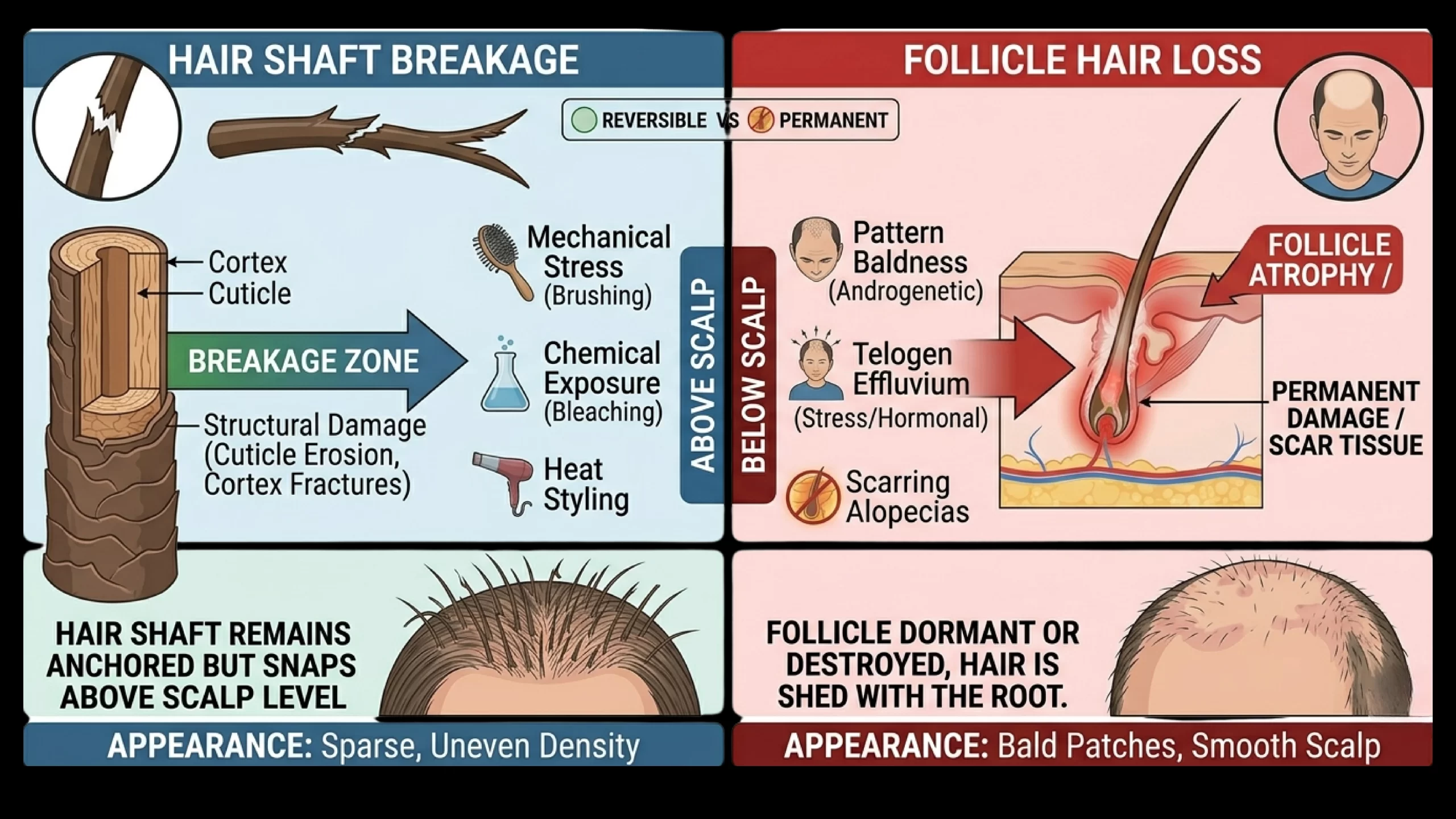
Long hair is more exposed to daily wear, which can lead to dry brittle hair falling out in some cases. This includes brushing, heat styling, and environmental stress. Over time, this can weaken the hair shaft and lead to breakage.
Breakage is different from true hair loss. Hair loss happens at the follicle, while breakage occurs along the strand. This distinction is important when evaluating concerns about long hair hair loss.
Tight hairstyles can also create tension on the scalp. Repeated pulling may lead to traction alopecia in some cases. In this situation, the issue comes from styling habits, not hair length itself.
Medical Causes of Hair Loss (Not Related to Hair Length)
Hair loss is often linked to internal factors that explain why hair loss happens rather than external ones. These include genetics, hormonal changes, and certain medical conditions. Hair length does not play a role in these processes.
Some conditions can trigger temporary shedding. For example, physical stress or illness can push more hairs into the shedding phase. This is known as telogen effluvium and is usually temporary.
Autoimmune conditions can also affect hair growth. In these cases, the immune system targets the follicle. Again, this has no connection to how long the hair is.
When Hair Shedding May Need Medical Evaluation
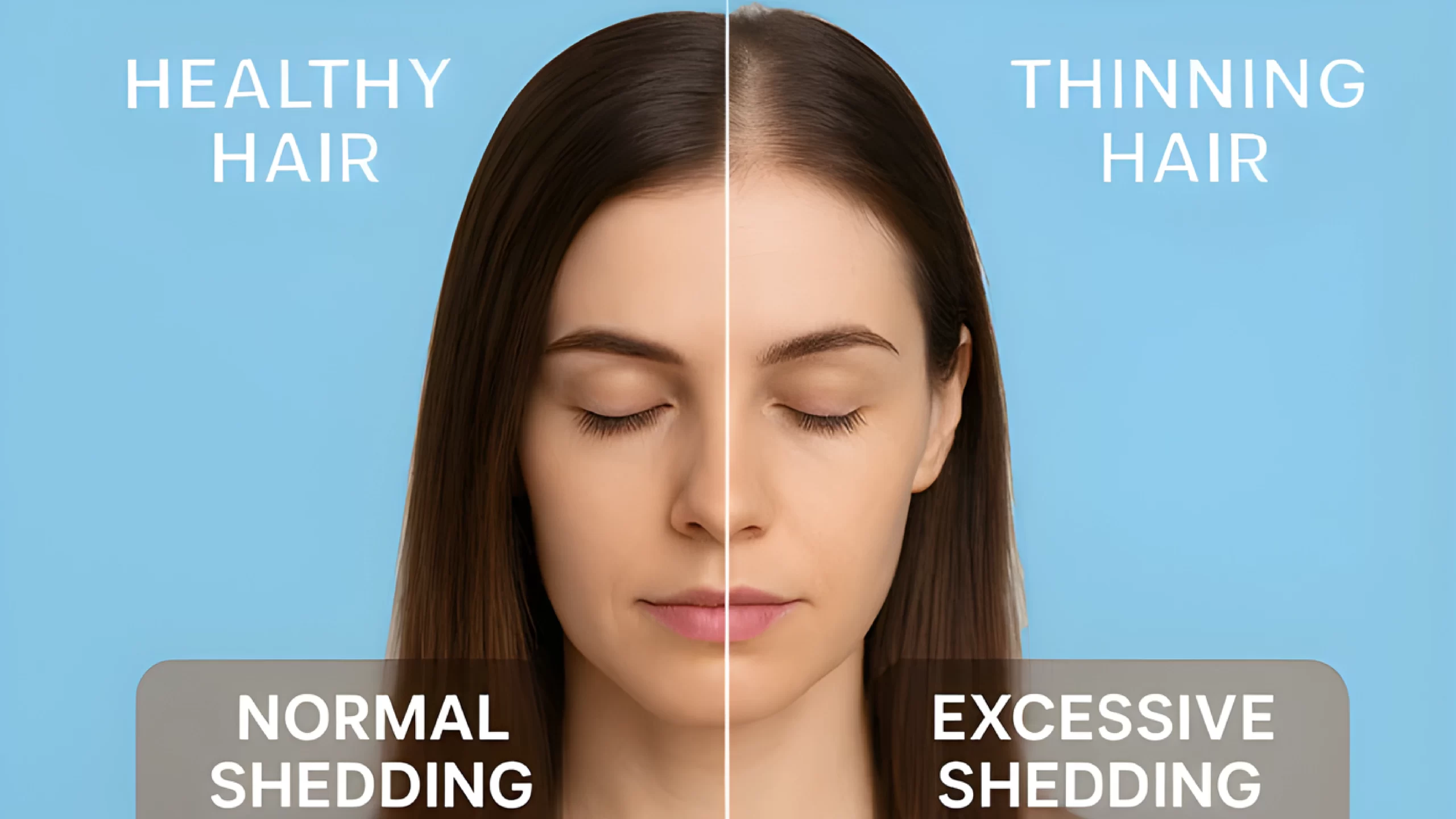
Most shedding is part of the normal hair cycle. However, some patterns may require closer evaluation. It is important to recognize when shedding goes beyond what is expected.
Signs that may need attention include:
- noticeable thinning at the crown or hairline
- widening of the part
- shedding that continues for several months
- sudden increase in hair fall
A proper evaluation helps identify the cause. This is the best way to determine whether the issue is temporary or progressive.
Hair Restoration Options and Long Hair Considerations
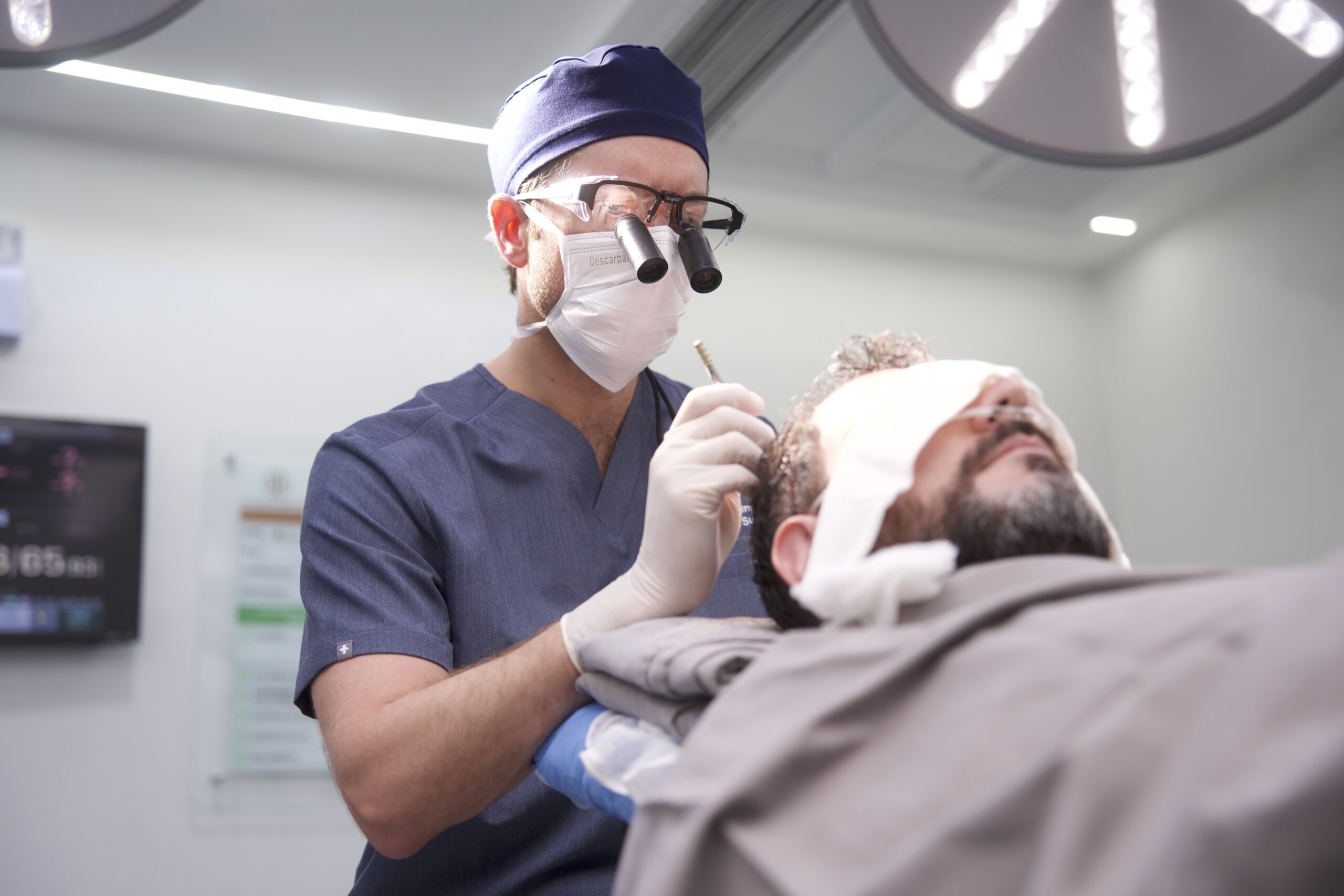
Hair restoration focuses on improving density by working with existing follicles and approaches that can help slow balding over time. Procedures such as follicular unit extraction involve moving healthy follicles to thinning areas. Hair length does not affect how these follicles behave.
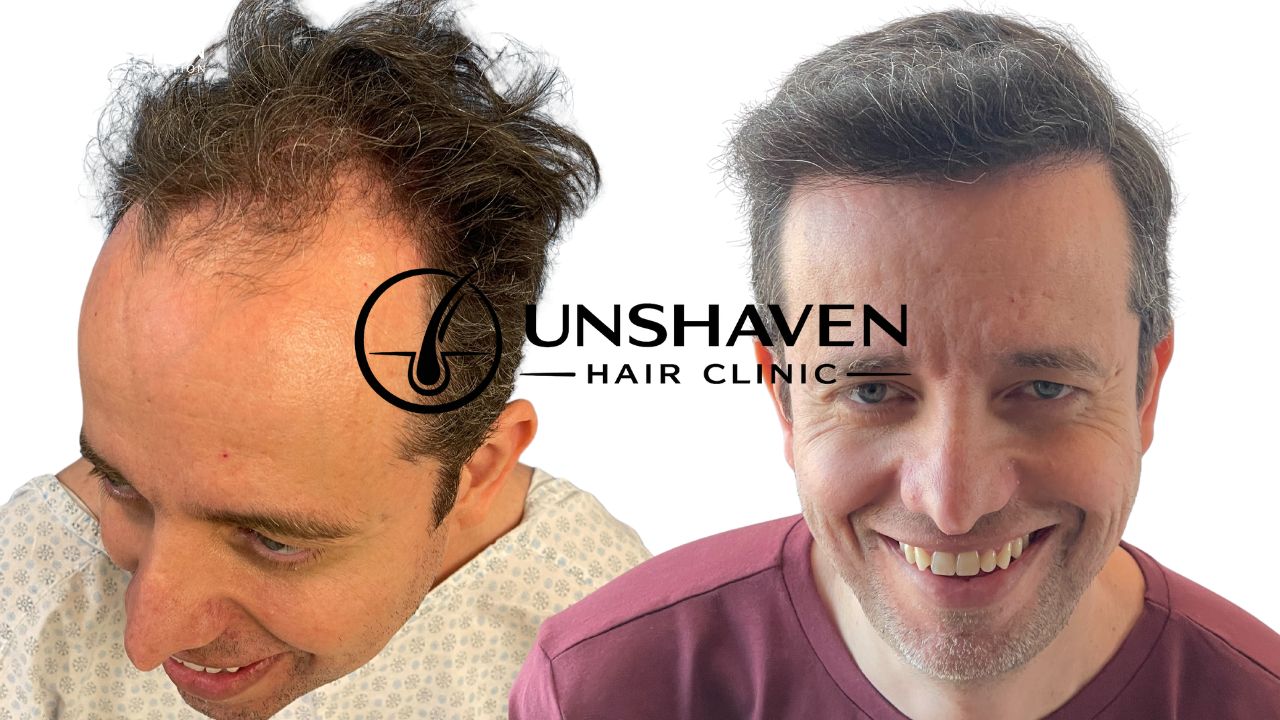
Some clinics, including Unshaven Hair Clinic, offer shaveless FUE techniques. Dr. Ross Kopelman is known for this approach, which allows patients to maintain their existing hair during the process. This can be helpful for those who prefer a more discreet option.
Candidacy depends on several factors. These include the pattern of hair loss, donor hair availability, and overall scalp condition. A detailed assessment is needed to determine the best approach.

Ready to Take the Next Step?
Whether you are just starting to notice thinning or already exploring hair trasplant options.
Dr. Kopelman offers personalized consultations tailored to your goals.
Ready to Take the Next Step?
Whether you are just starting to notice thinning or already exploring hair trasplant options, Dr. Kopelman offers personalized consultations tailored to your goals.