Key Takeaways
- Hair often grows back after falling out from the root if the follicle remains healthy inside the scalp. The visible bulb is usually part of the shed strand, not the entire follicle.
- A single hair with a root attached is usually not a sign of permanent hair loss. Ongoing shedding, patchy loss, scalp pain, redness, scaling, or visible thinning should be evaluated.
- Pulled or ripped-out hair may regrow if the skin and follicle are not deeply damaged. Repeated pulling, trauma, infection, or scarring can make regrowth less predictable.
- Regrowth can take weeks to months because the follicle may need time to restart a growth cycle. Full cosmetic improvement takes longer as new hair gains length and density.
- Treatment depends on the cause of shedding. Temporary shedding, dandruff, traction alopecia, pattern hair loss, and scalp inflammation each require different evaluations and care.
What It Means When Hair Falls Out From the Root
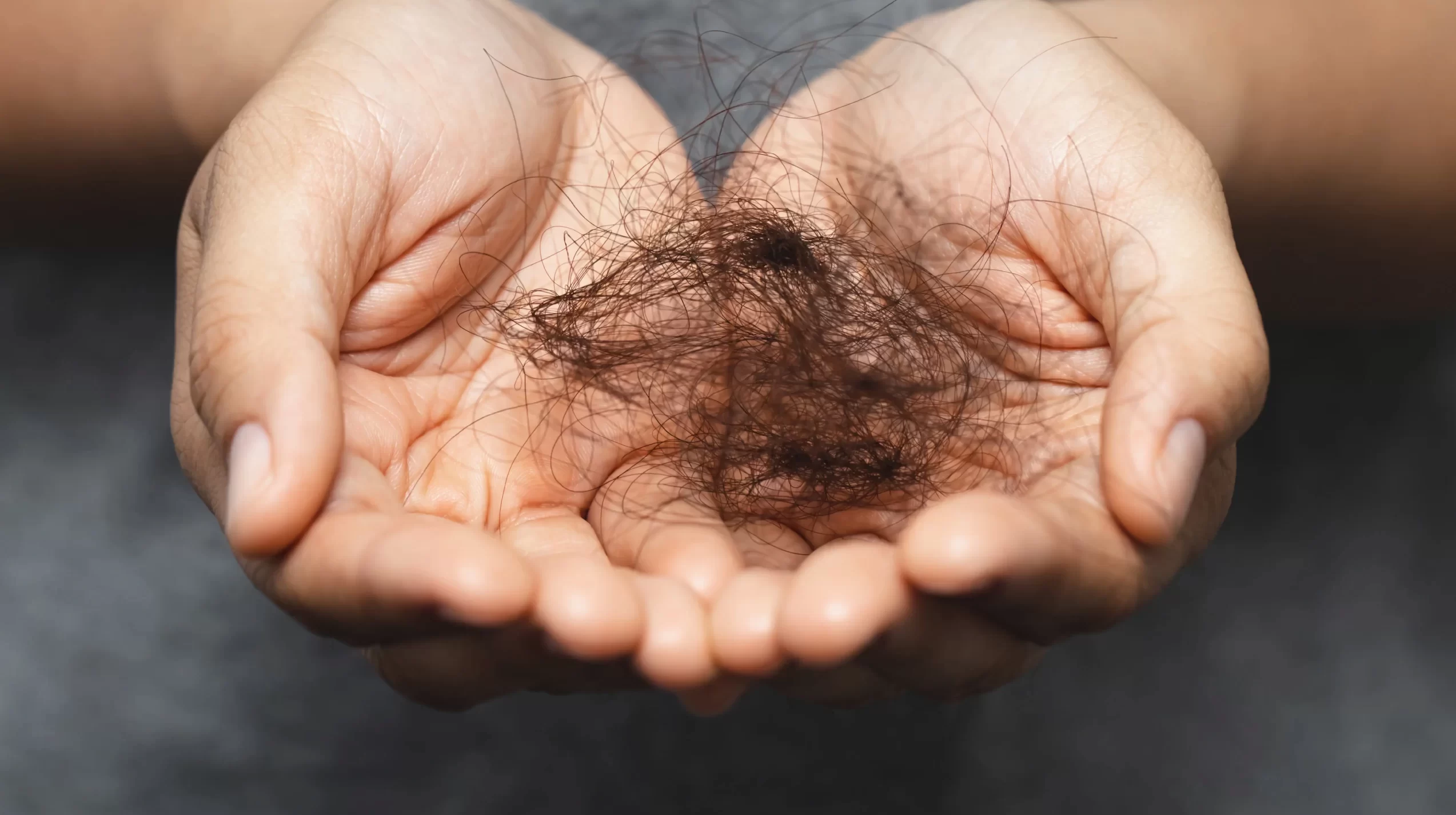
When people notice hair from the root, they usually see a strand with a small bulb attached. The visible strand is the hair shaft, while the follicle sits inside the skin and produces hair. If the follicle stays healthy, hair grows again during a future growth cycle.
Is It Bad If Your Hair Falls Out With the Root?
It is not always bad if hair falls out with a visible root. Normal shedding can include hairs with bulbous ends. It becomes more concerning when shedding is heavy, patchy, painful, or linked with redness, scaling, or visible thinning.
Can Hair Roots Grow Back?
Many people ask, ” Can hair roots grow back after a strand falls out. The same strand does not return, but the follicle can form a new root and new hair. Healthy hair follicles can keep cycling through growth, rest, shedding, and regrowth.
What Do Dead Hair Follicles Look Like?
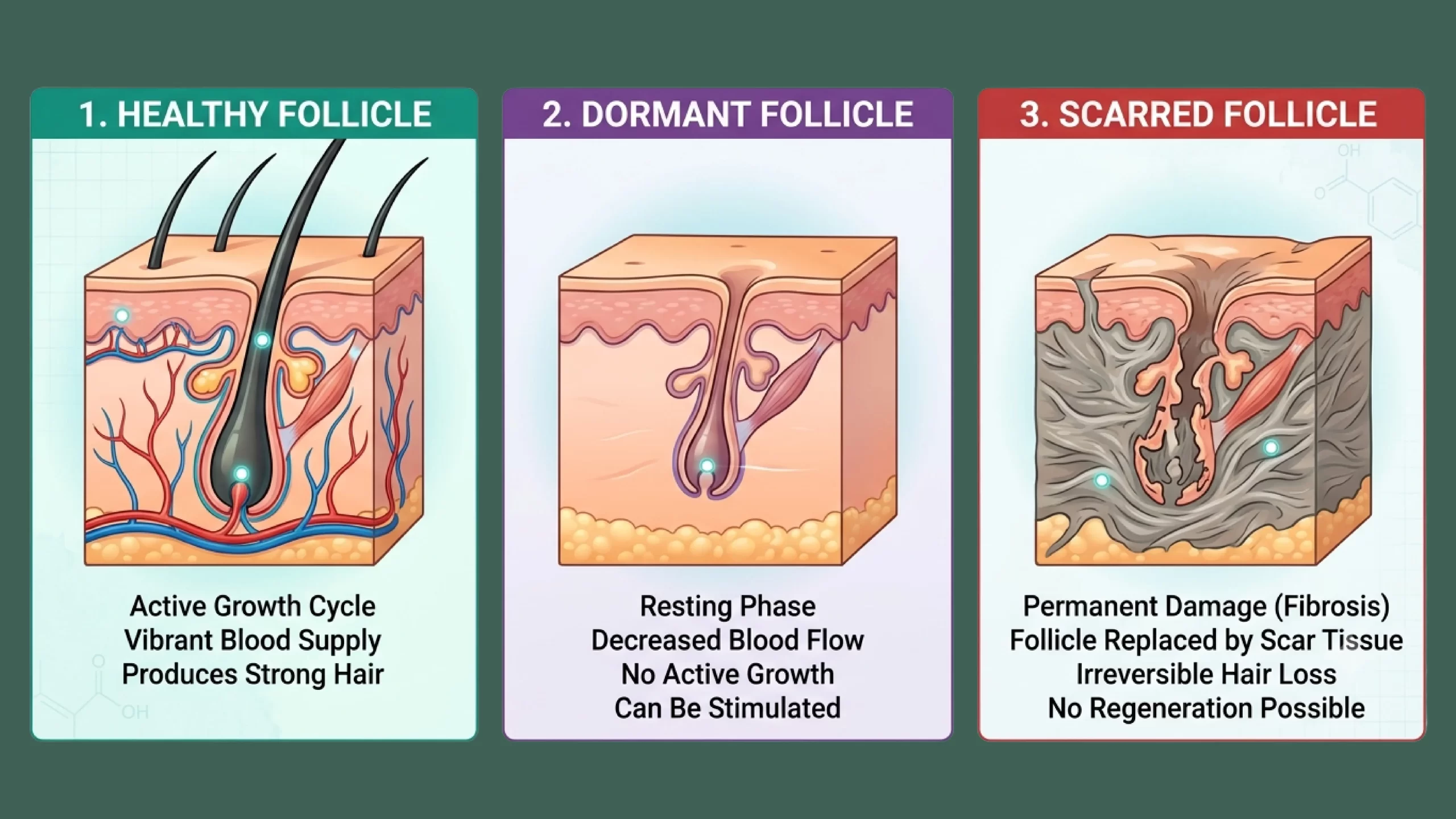
Dead or inactive follicles are hard to confirm by appearance alone. Warning signs can include smooth, shiny skin, no short, new hairs, or a bald patch that does not improve. A scalp evaluation can help show whether follicles are still active or if scarring is present.
Hair Pulled or Ripped Out: Will It Grow Back?
Hair often grows back after being pulled or ripped out if the follicle remains intact. The phrase “pulling a hair follicle out” is usually inaccurate because most pulled hairs remove only the strand and bulb, not the entire follicle. Repeated pulling, injury, infection, or scarring can reduce the chance of regrowth.
Will Hair Grow Back After Being Pulled Out in a Fight?
Hair may grow back after being pulled out in a fight if the skin was not deeply injured. If there is bleeding, swelling, drainage, severe pain, or an open wound, the scalp should be checked. Trauma can sometimes damage follicles or cause scarring and limit regrowth.
How Long Does It Take to Regrow Hair After Hair Loss From Roots?
Regrowth can take weeks to months. Some people notice short new hair within a few months if the follicle is active. Full cosmetic improvement takes longer because new hair needs time to gain density.
In Males
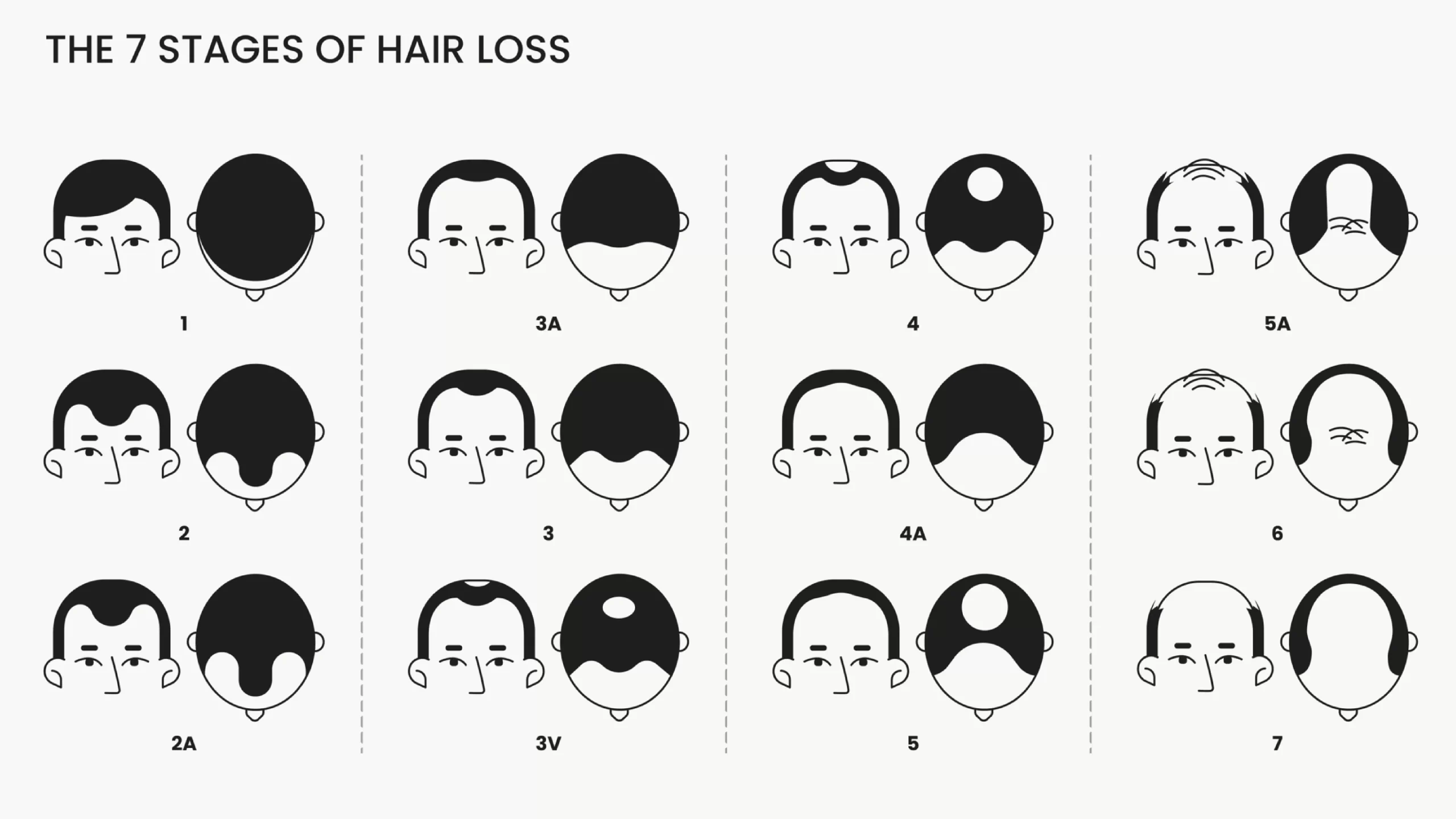
In males, hair can grow back if the follicle is still active. A visible bulb does not always mean male pattern hair loss. Receding temples, a thinning crown, or a changing hairline may suggest male balding associated with follicular miniaturization.
In Females
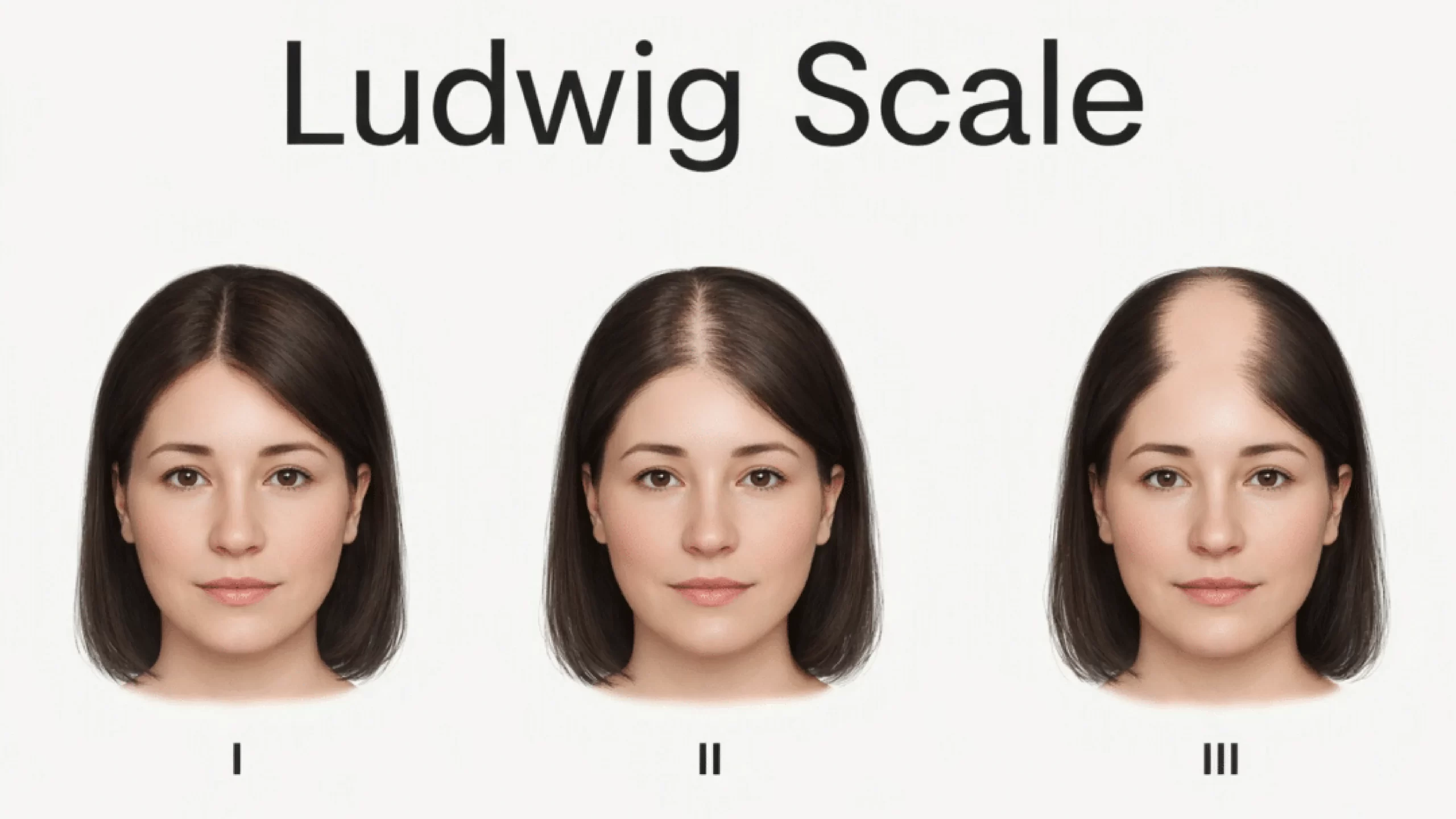
In females, hair can grow back when shedding is temporary. Stress, childbirth, illness, low iron levels, thyroid changes, and hormonal shifts can push more hair into the shedding phase. A widening part or reduced ponytail volume may suggest female pattern hair loss.
Does Hair Grow Back After Falling Out From Roots Due to Dandruff?
Hair can grow back after dandruff-related shedding if the follicle is not damaged. Mild dandruff usually affects the scalp surface, not the follicle itself. Severe itching, redness, crusting, or scratching can increase shedding and should be addressed.
Why Does Hair Fall Out From the Roots
Hair can fall out at the roots for several reasons, and understanding why hair loss occurs can help distinguish normal shedding from conditions such as telogen effluvium, pattern hair loss, traction alopecia, scalp inflammation, scarring alopecia, or rapid weight changes.
Telogen effluvium can happen after illness, stress, surgery, or weight loss. Pattern hair loss gradually causes follicles to produce finer hairs.
Does Hair Loss Stop After Stopping Zepbound?
Some people notice shedding during major weight changes, including while using Zepbound. Shedding may not stop right away because the hair cycle is delayed. Do not stop any treatment without speaking with the clinician who manages it.
Signs Hair May Grow Back or May Be Damaged
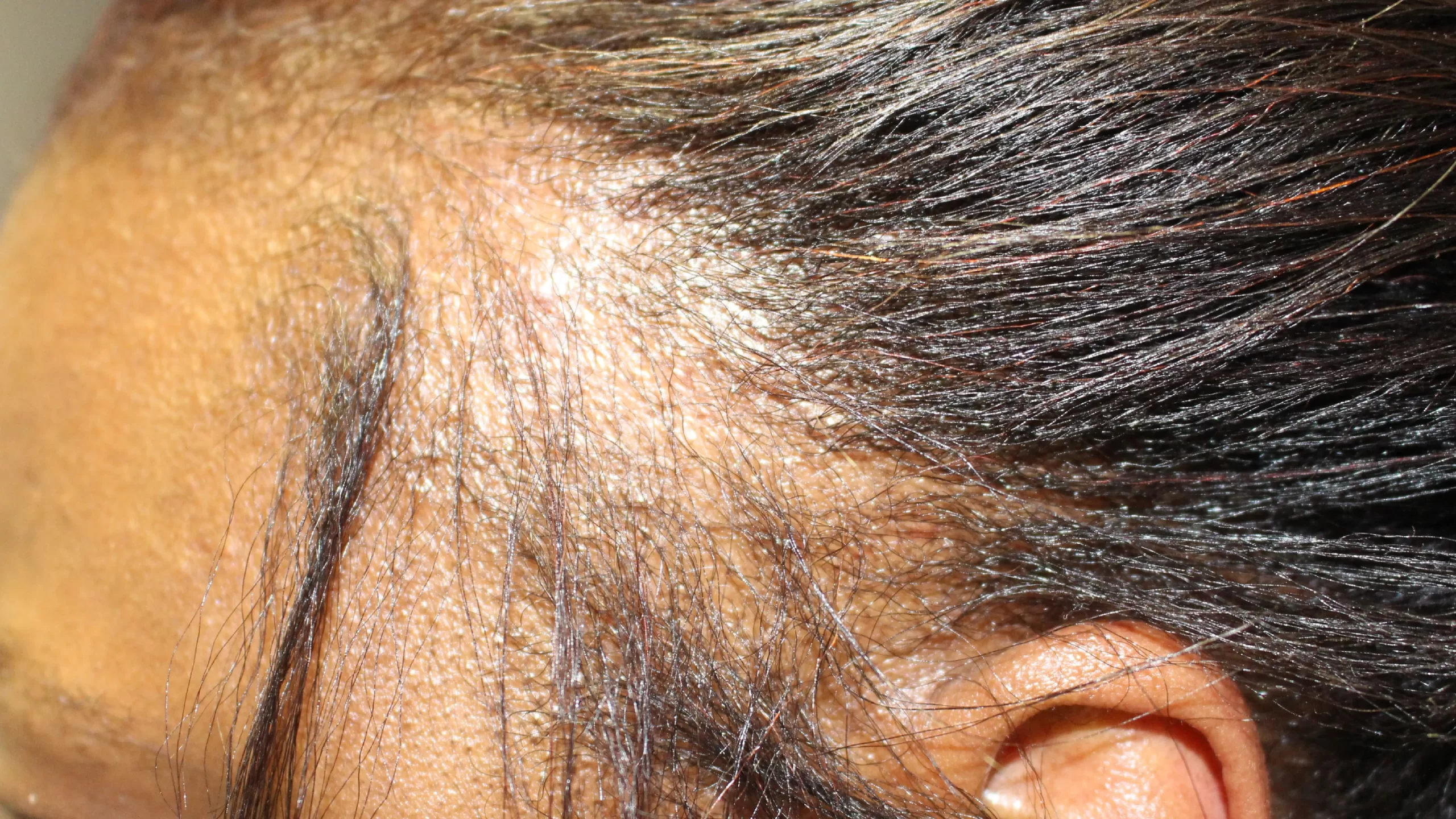
Hair is more likely to grow back when the scalp looks normal, density is stable, and short new hairs appear. Damage is more concerning when skin looks shiny, scarred, red, painful, crusted, or smooth for months. Repeated pulling, tight styling, and untreated inflammation can also harm follicles.
What to Do After Hair Falls Out From the Root
Look at the scalp first. Mild tenderness may settle, but bleeding, drainage, swelling, or severe pain should be checked. Avoid pulling, scratching, tight hairstyles, harsh brushing, and repeated friction while the area recovers.
How Hair Loss From the Root Is Evaluated
A hair loss evaluation includes a review of the scalp, shedding history, pattern, and medical background. A specialist may look for inflammation, scarring, or miniaturization. This helps answer whether hair roots grow back clearly.
Treatment Options Depend on the Cause
Treatment depends on the cause of hair loss. Temporary shedding may improve over time, while scalp irritation, dandruff, nutritional issues, or tension may require targeted changes, including supportive products to encourage hair growth when appropriate.
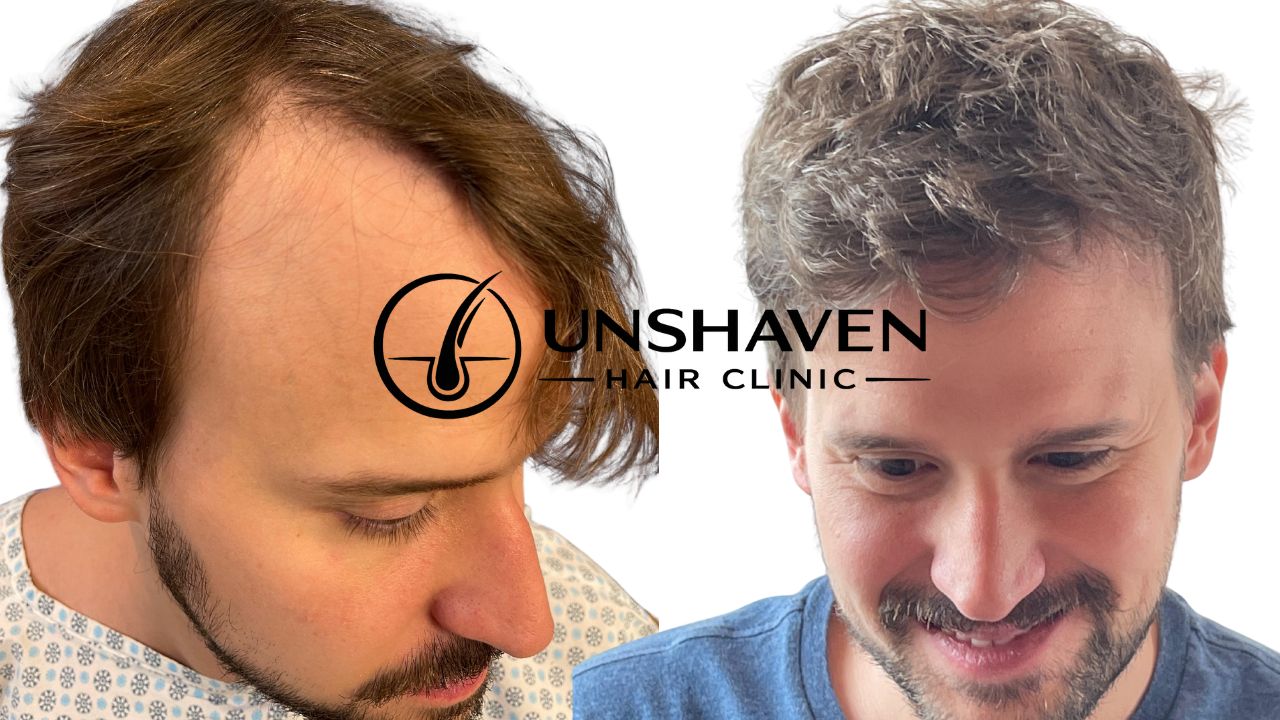
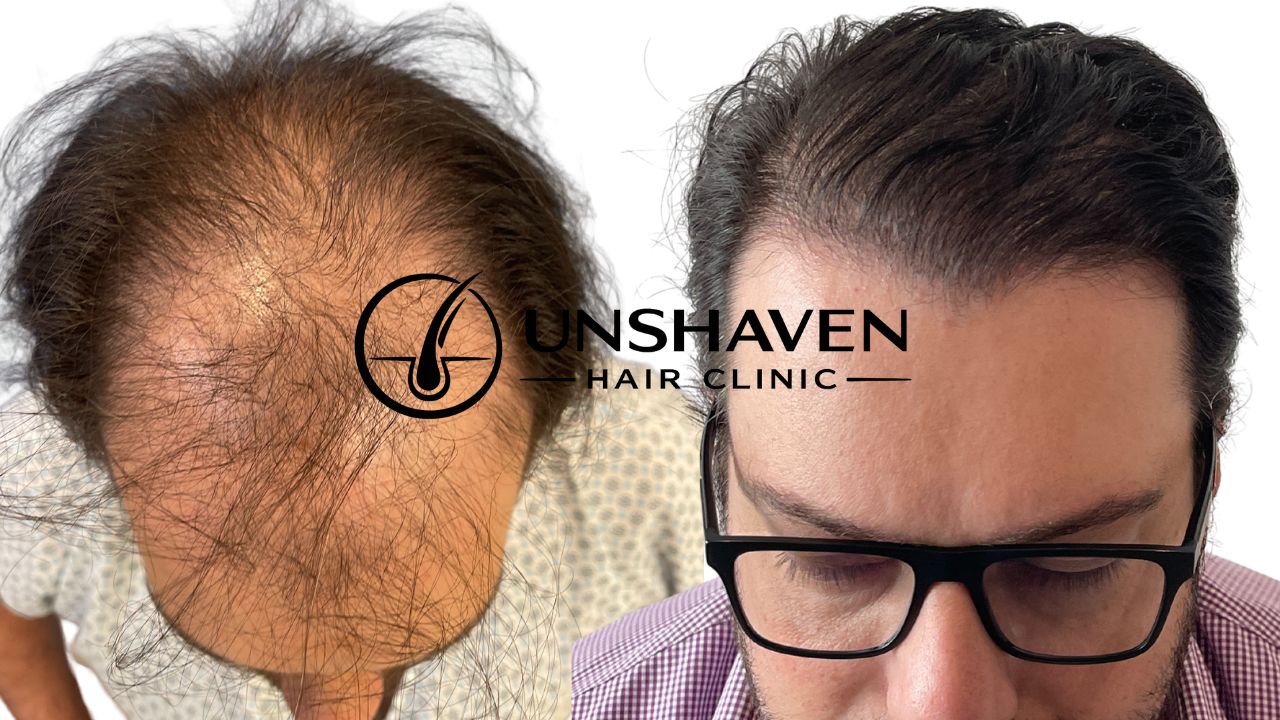
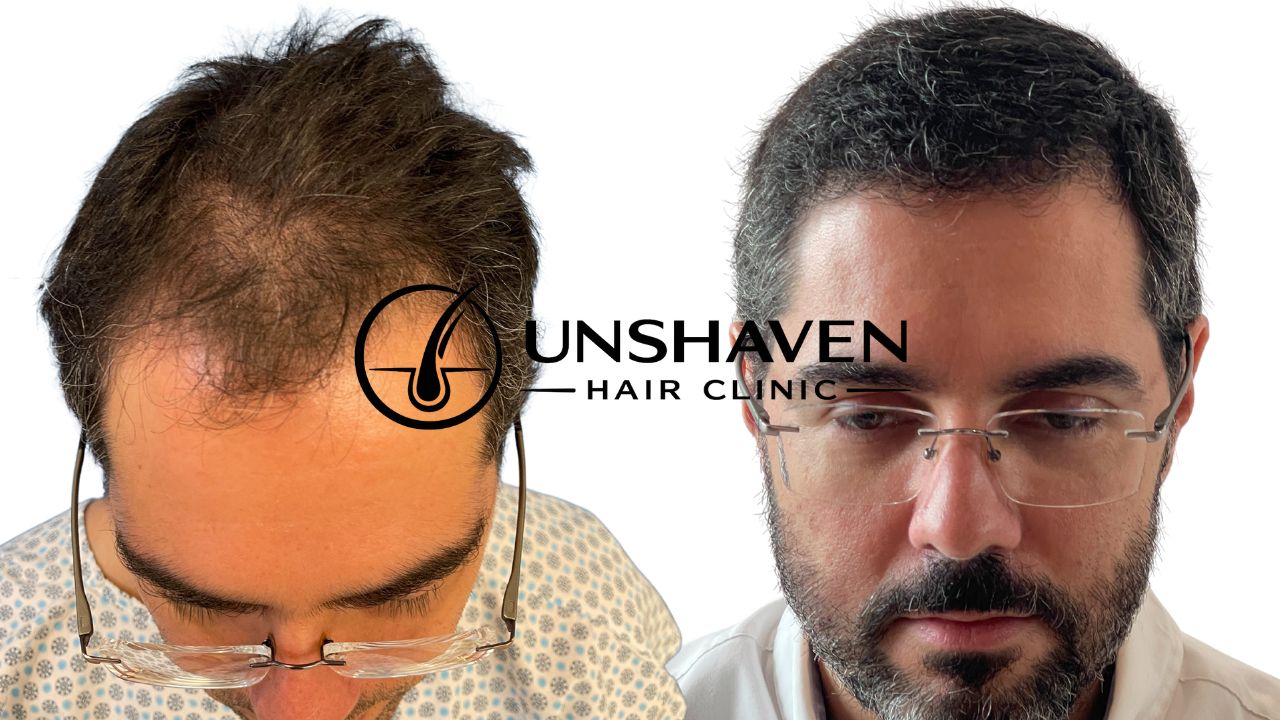
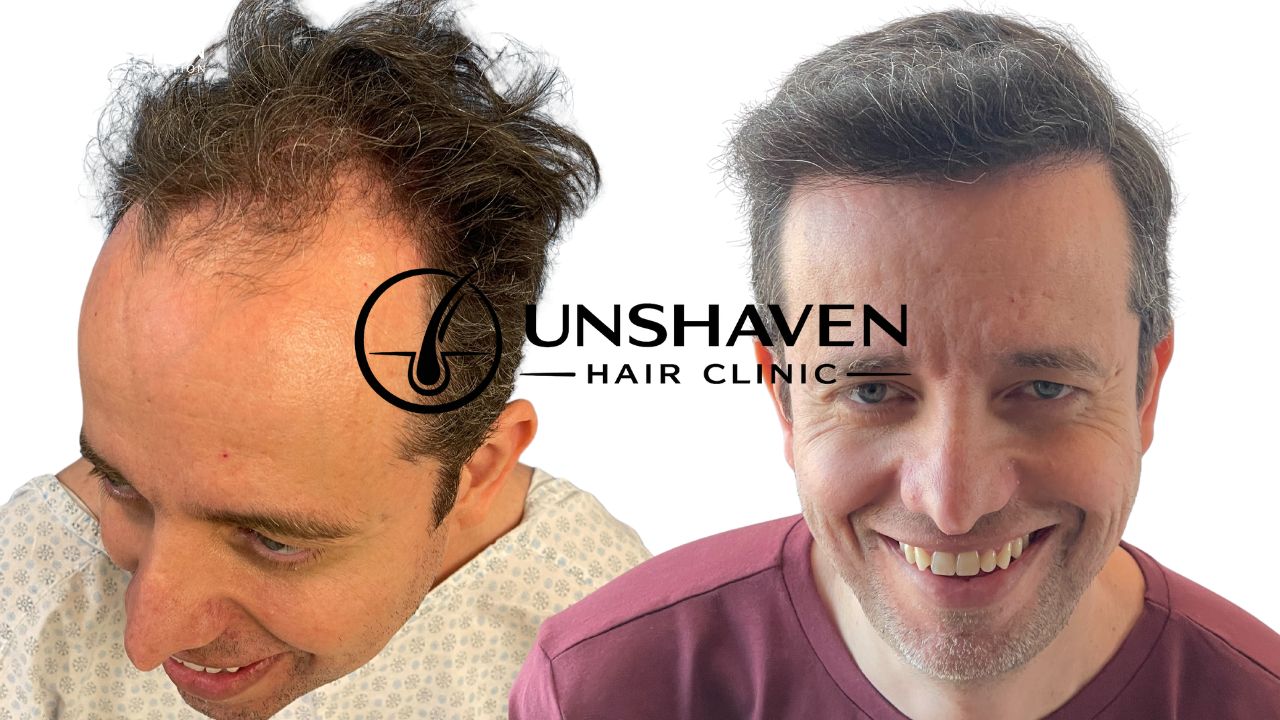
Hair transplant evaluation may be considered when the loss is stable and follicles no longer produce enough visible hair.
When to See a Hair Loss Specialist
See a specialist if shedding lasts for months, thinning is visible, or the scalp has pain, redness, scaling, or scarring. A bald patch, widening part, receding hairline, or sudden heavy shedding should also be checked. Early evaluation can help protect follicles before damage becomes harder to address.
Ready to Take the Next Step?
Whether you are just starting to notice thinning or already exploring hair trasplant options.
Dr. Kopelman offers personalized consultations tailored to your goals.
Ready to Take the Next Step?
Whether you are just starting to notice thinning or already exploring hair trasplant options, Dr. Kopelman offers personalized consultations tailored to your goals.
The Bottom Line
So, can this shedding recover? In many cases, yes, if the follicle remains healthy and active. The visible bulb usually does not mean the whole follicle is gone, but ongoing shedding, scarring, repeated trauma, or pattern hair loss may need closer care.