
Key Takeaways
- Biotin supports hair structure and keratin production, but it does not directly regrow hair or create new follicles.
- It can improve hair quality in cases of true biotin deficiency, but most people already have normal levels and see little benefit.
- Most hair loss is caused by genetics, hormones, stress, or medical conditions, which biotin does not address.
- Topical biotin shampoos have minimal impact, and supplements only help if a deficiency exists.
- Proper hair loss treatment depends on identifying the underlying cause rather than relying on biotin alone.
Does Biotin Help With Hair Loss or Hair Growth?
Many people search for biotin to help with hair loss when they notice thinning or shedding, often while exploring fast hair growth products. Biotin plays a role in hair structure, but its effect depends on the cause. If a person has a true deficiency, adding biotin may improve hair quality. For most individuals, biotin levels are already normal.
In these cases, extra supplementation does not significantly improve density. So while some benefit is possible, biotin is not a universal solution.
What Is Biotin and What Does It Do for Hair?

To understand its role, it helps to answer what biotin is. Biotin is a B vitamin that supports the body’s nutrient metabolism. It also helps produce keratin, the main protein in hair. When people ask what biotin is good for, the answer includes support for:
- Hair
- Skin
- Nails
What biotin does to hair is help maintain structure and reduce breakage. It does not directly create new hair follicles.
When Biotin Helps Hair Loss and When It Does Not
Biotin can help when hair loss is linked to a deficiency. This often includes brittle strands and diffuse thinning. Correcting the deficiency may improve overall hair quality. Most hair loss, however, is due to other causes. These include genetics, hormones, stress, and medical conditions. In these cases, biotin and hair thinning are not directly linked, so results are limited.
Does Biotin Work for Women, Menopause, and Different Hair Loss Types?
Hair loss in women is often tied to hormonal or genetic factors. Many ask if biotin helps with hair loss in women, but deficiency is not usually the cause. During menopause, hormone changes affect the hair cycle.
When it comes to whether biotin helps with hair loss during menopause, the evidence remains limited. Biotin may support hair health, but it does not address hormone-driven thinning.
Do Biotin Products Like Shampoo or Tablets Work?
Biotin is often included in shampoos and supplements. These products claim to support stronger hair, but their effect depends on absorption and need. Shampoos have minimal impact because they are rinsed away quickly.
Supplements can help only if a deficiency exists. This means choosing the best biotin tablets for hair growth or the best-rated hair growth supplements does not guarantee better results.
Biotin Results Timeline, Before and After, and What to Expect
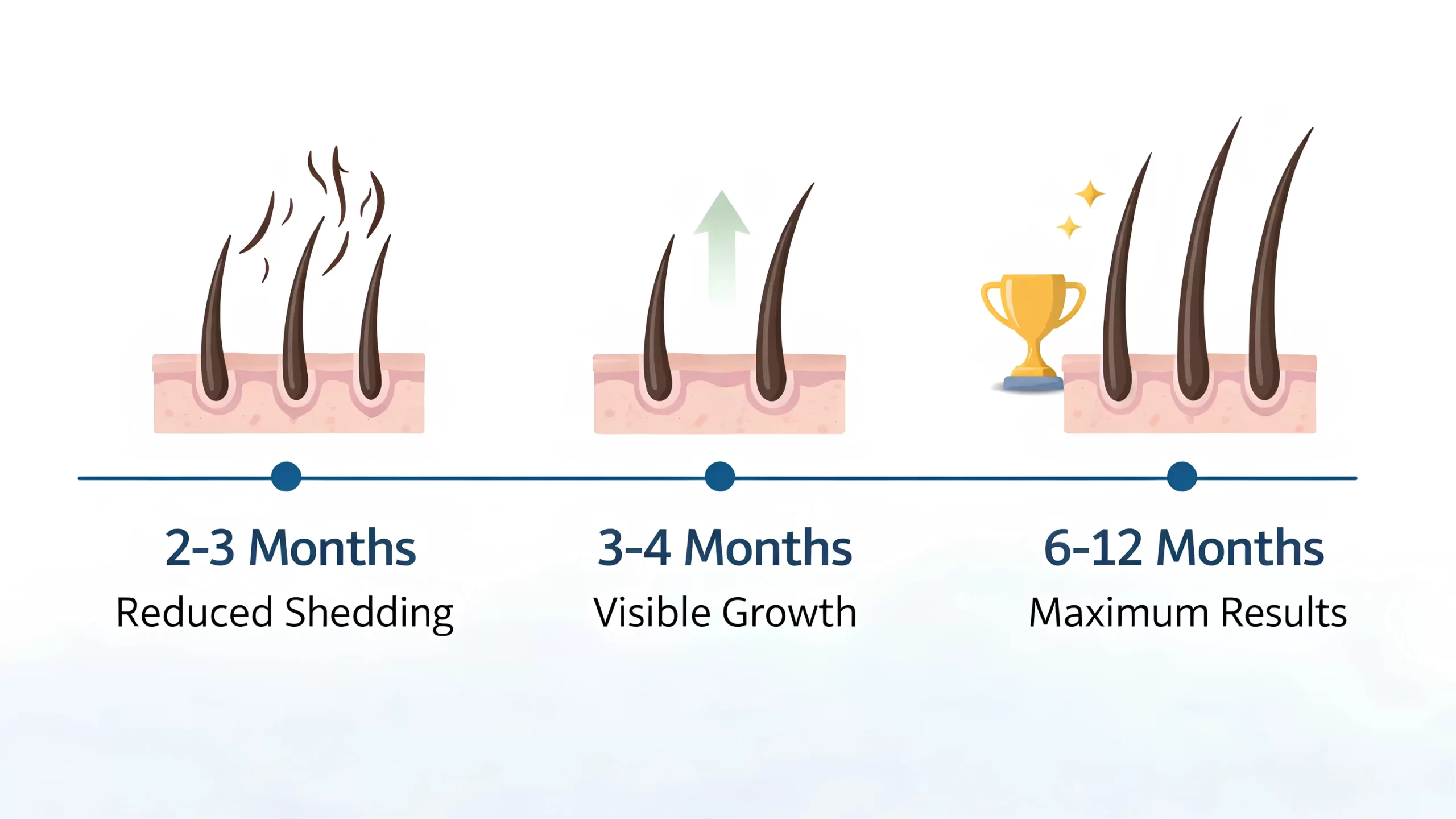
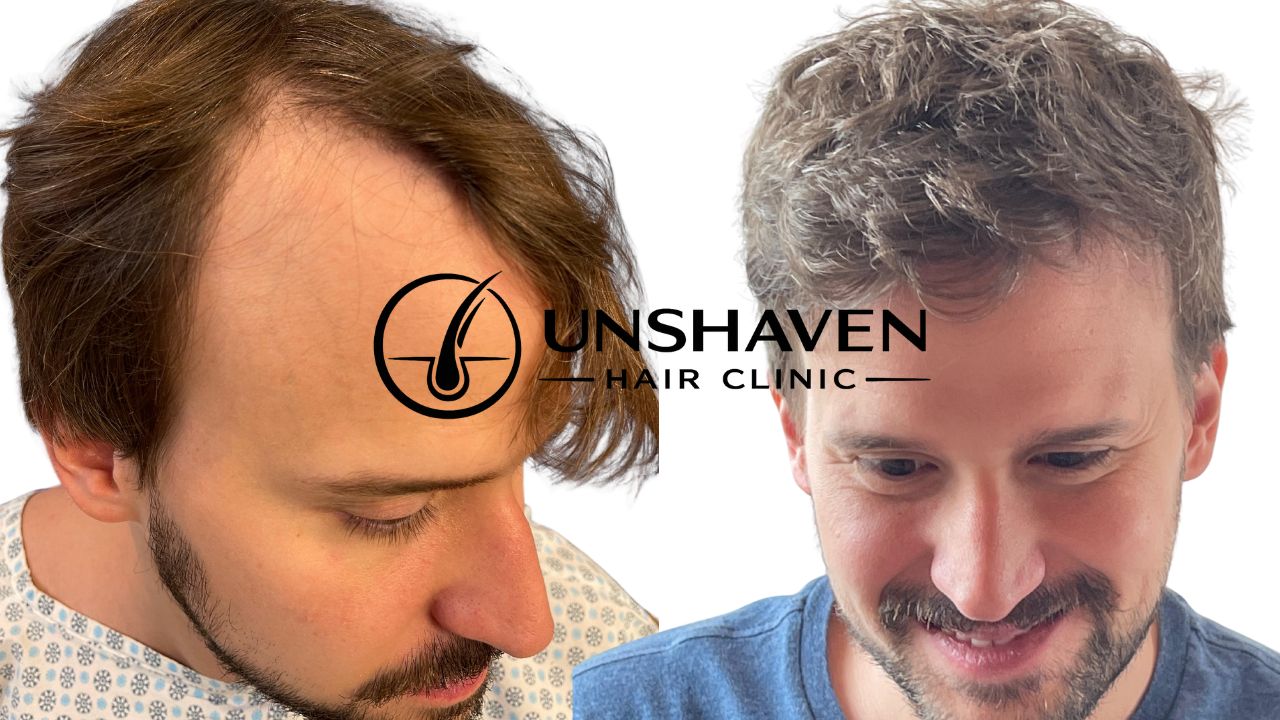
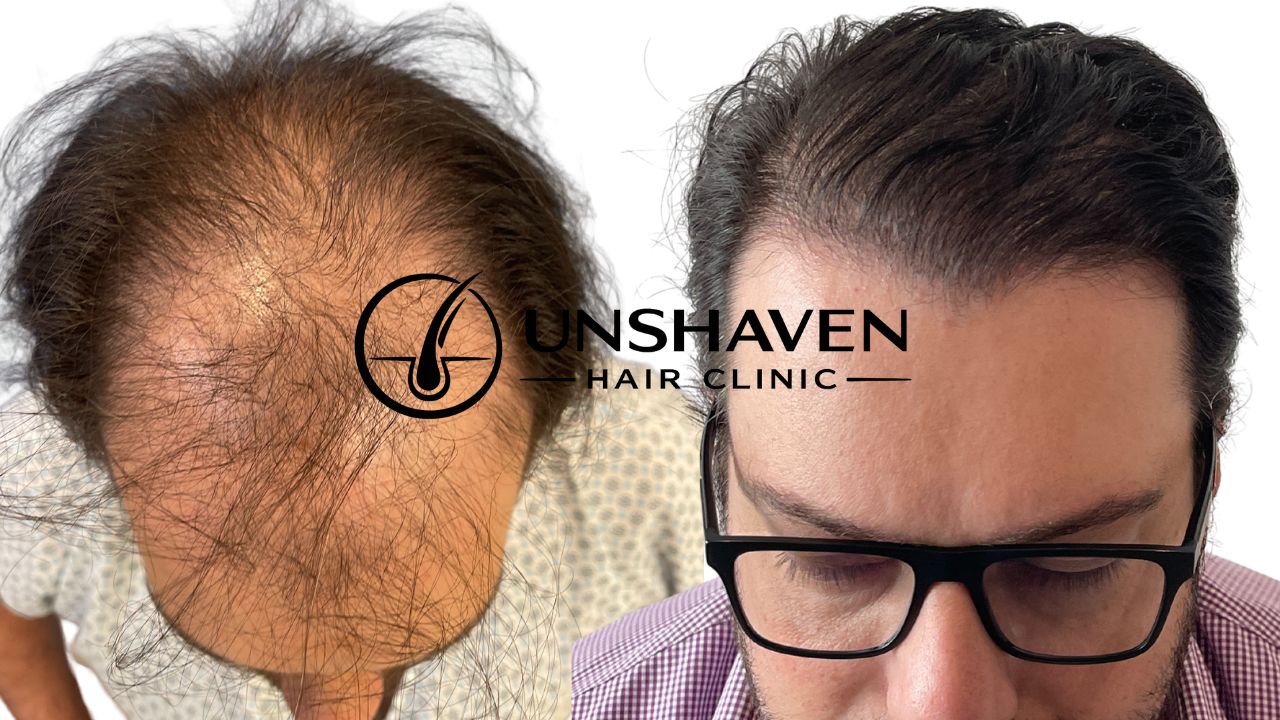
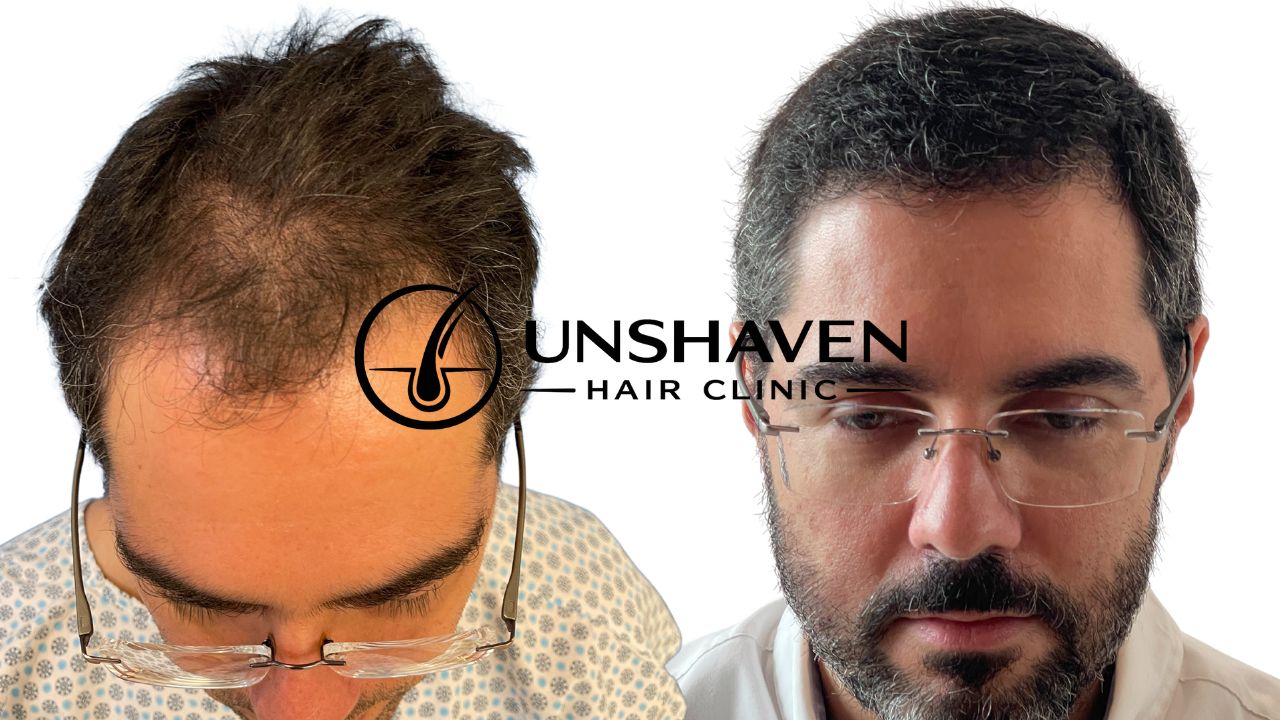
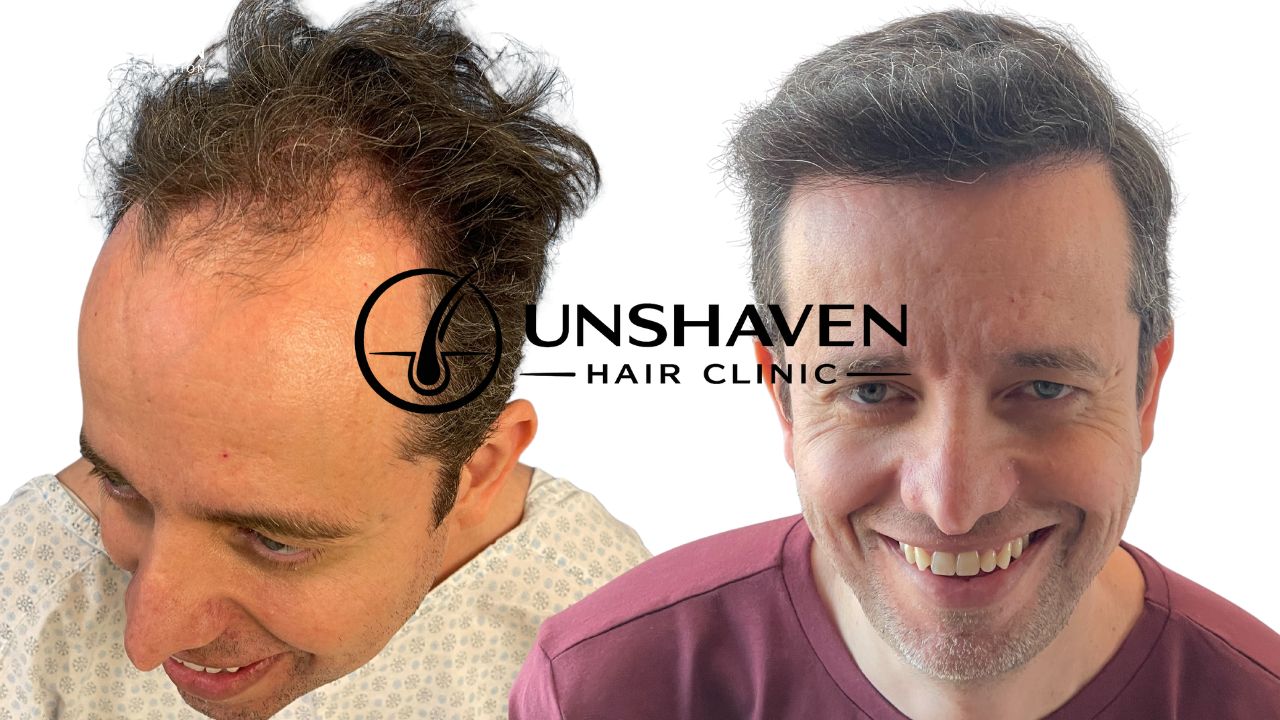
Hair growth takes time and follows a cycle that lasts months. Many look for fast results, like biotin results after 1 week, but this is unrealistic. Biotin hair growth before-and-after images can also be misleading. Lighting, styling, and natural variation can change how results appear.
Common Questions About Biotin and Hair Loss
Online discussions often show mixed opinions. Searches like ” Does biotin help with hair loss reddit reflect varied experiences. These differences usually depend on the cause of hair loss. Some people worry that stopping biotin will cause shedding. In most cases, hair will not fall out simply from stopping it. Hair loss depends on underlying factors.
Questions about how much to take are also common. There is no universal dose, and more is not always better. People also ask about using biotin with Mounjaro, but it is not a targeted solution. For lupus-related hair loss, vitamins like vitamin D, iron, zinc, saw palmetto, and biotin may help support hair. However, managing the condition itself is more important.
Risks and Limits of Biotin for Hair
Biotin is generally safe, but it has limits. It does not treat most causes of hair loss, especially genetic or hormonal types. High doses may also affect lab test results. This makes it important to understand both benefits and risks before using supplements.
How Hair Loss Is Properly Evaluated
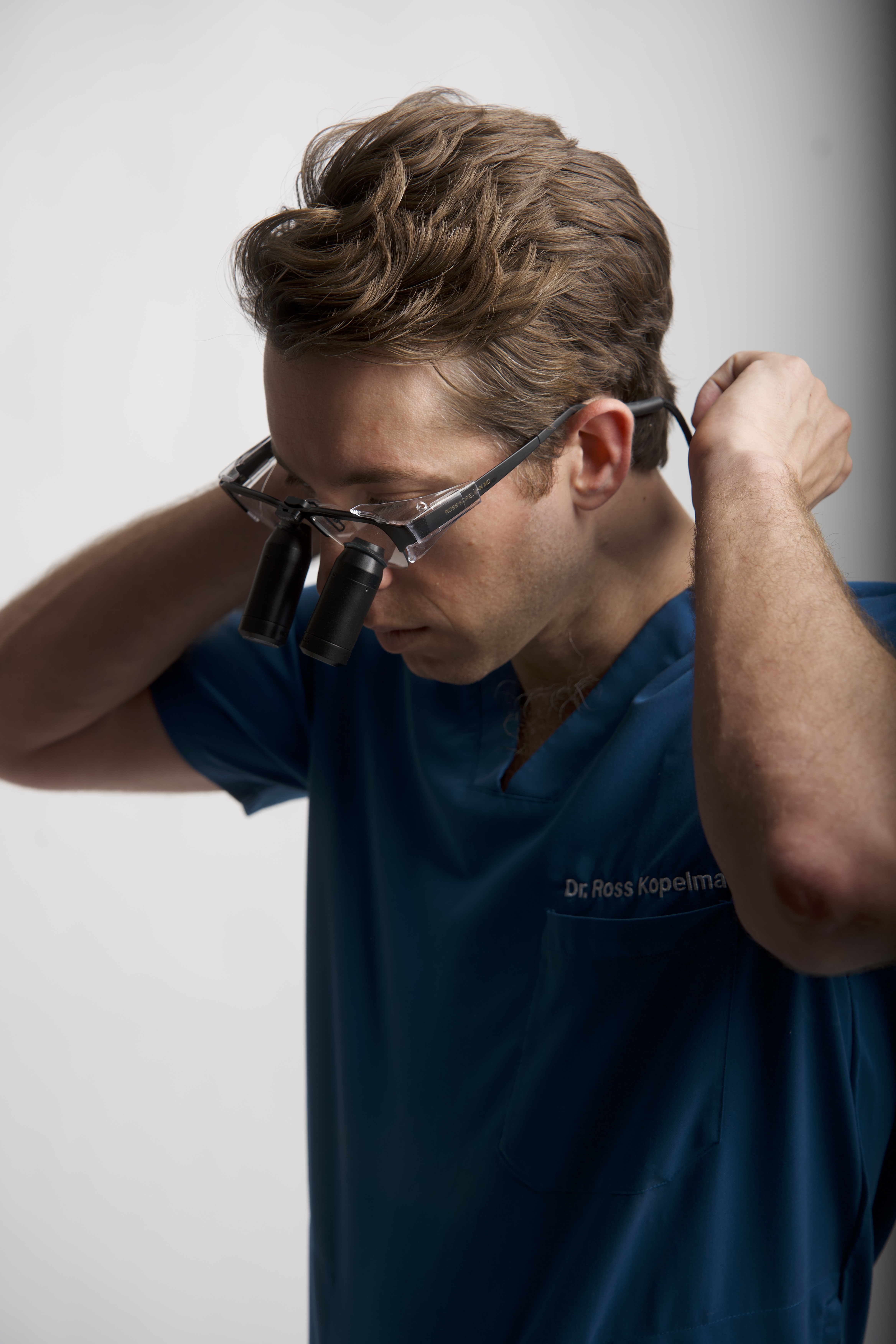
Hair loss evaluation focuses on finding the cause. This may include medical history, scalp checks, and lab testing. At Unshaven Hair Clinic, the focus is on pattern and progression. Dr. Ross Kopelman evaluates factors such as density and donor hair when considering options like shaveless FUE. This helps guide accurate and realistic decisions.
Ready to Take the Next Step?
Whether you are just starting to notice thinning or already exploring hair trasplant options.
Dr. Kopelman offers personalized consultations tailored to your goals.
Ready to Take the Next Step?
Whether you are just starting to notice thinning or already exploring hair trasplant options, Dr. Kopelman offers personalized consultations tailored to your goals.